
Imagine a stadium that dances with the sun, casting natural light instead of relying on floodlights.
Some stadiums avoid traditional floodlights by utilizing natural daylight, indoor lighting systems, or eco-friendly alternatives like solar-powered lights. These approaches help reduce energy costs and environmental impact, particularly in smaller, multi-purpose, and sustainability-focused venues.
I remember visiting a stadium that felt like a giant sun-catcher. Its design was so intelligent, making the most of every ray of daylight that filtered through massive glass panes. For a moment, it seemed as if the very structure breathed in the light, glowing naturally without the usual glare of floodlights. These venues often boast retractable roofs or solar panels, which not only reduce energy bills but also make you feel like you're part of something futuristic and eco-friendly. It’s fascinating to see how technology and design merge to create spaces that are both functional and kind to our planet. As we look to the future, it's exciting to think about how these innovations might reshape the fan experience and redefine sustainability in sports.
Some stadiums use solar-powered lights instead of floodlights.True
Solar-powered lights are eco-friendly alternatives to traditional floodlights.
All stadiums require traditional floodlights for night events.False
Advanced designs allow some stadiums to operate without traditional floodlights.
How Do Natural Light-Optimized Stadiums Work?
Imagine sitting in a stadium where sunlight streams in, making every moment feel like you're part of a grand, open-air spectacle.
Natural light-optimized stadiums use glass panels and retractable roofs to harness daylight, reducing artificial lighting needs by up to 40%. This eco-friendly design enhances the spectator experience while cutting costs.
%[A modern stadium filled with spectators on a sunny day.]
I remember the first time I visited a natural light-optimized stadium. It was a breathtaking experience; the sunlit arena seemed to pulsate with energy, connecting me more deeply to the event. Let me take you through how these innovative stadiums achieve such an impressive blend of architectural beauty and functionality.
Architectural Features for Daylight Optimization
When I walked through those large glass-panelled entrances, it was like stepping into a world where nature and architecture coexisted harmoniously. These designs flood the space with natural light, creating an atmosphere that’s both vibrant and eco-friendly. The retractable roofs—oh, they’re amazing! They offer flexibility, adjusting to provide shade or sunlight as needed, ensuring every fan has an unforgettable experience.
Modern stadiums incorporate innovative architectural designs1 that harness natural light. Large glass panels allow sunlight to flood in, creating an open, vibrant atmosphere while maintaining energy efficiency.
Daylight Harvesting Systems
You’d be amazed at how daylight harvesting systems work behind the scenes. Think of it like an orchestra conductor leading a symphony of light. Sensors and control systems adjust artificial lighting based on the available daylight, maintaining optimal illumination while conserving energy. It’s like having a personal lighting assistant that ensures everything is just right.
These systems are integral to maximizing natural light. Sensors and control systems adjust artificial lighting based on available daylight, ensuring optimal illumination. This reduces energy consumption, aligning with eco-friendly initiatives2.
Energy Efficiency and Cost Benefits
Reducing reliance on artificial lighting is not just about cutting costs—although saving up to 40% on electricity bills is nothing to sneeze at. It’s also about supporting sustainability goals. Imagine being part of something that not only enhances your experience but also contributes to a greener planet.
By reducing reliance on artificial lighting, these stadiums cut down on energy costs significantly. A typical setup can lower electricity usage by up to 40%, translating into substantial savings.
Impact on Spectator Experience
Natural lighting doesn’t just illuminate; it transforms. It enhances the visual appeal of events with dynamic atmospheres, improving visibility and reducing glare. It's like watching your favorite movie on a big screen versus a small TV—it’s an experience that stays with you.
| Feature | Benefit |
|---|---|
| Glass Panels | Maximize natural light entry |
| Retractable Roofs | Flexibility in light control |
| Daylight Harvesting | Energy efficiency |
| Enhanced Spectator View | Improved event experience |
Challenges and Considerations
Of course, designing such stadiums isn’t without its challenges. Balancing aesthetics with functionality requires meticulous planning. Engineers must tackle issues like glare reduction and weather adaptability.
While beneficial, designing such stadiums requires careful planning. Balancing aesthetics with functionality is crucial.Architectural firms3 specializing in sustainable design play a vital role in addressing these challenges.
Natural light-optimized stadiums use glass panels.True
Glass panels allow sunlight to flood into the stadium, maximizing natural light.
Daylight harvesting systems increase energy costs by 40%.False
Daylight harvesting systems reduce energy costs by optimizing artificial lighting.
Why Should We Consider Eco-Friendly Stadium Lighting?
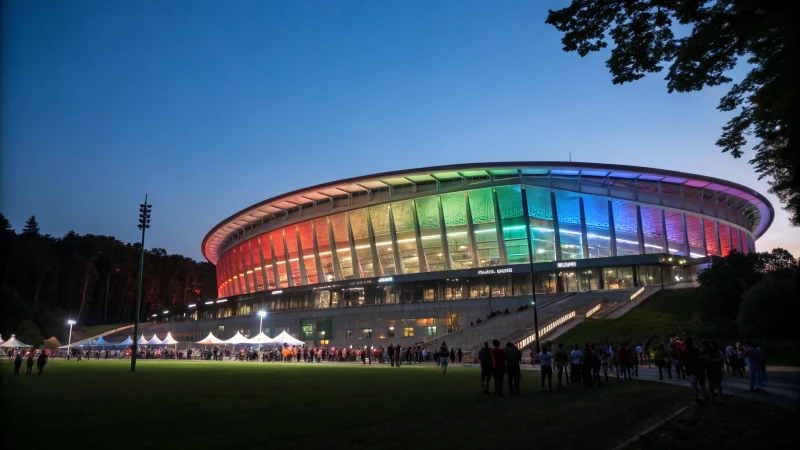
Imagine attending a night game where the lighting is as smart as the game plan. Eco-friendly stadium lights do just that, transforming arenas into green, cost-effective powerhouses.
Eco-friendly stadium lighting dramatically cuts down on energy use and operating expenses while slashing carbon emissions. By using LEDs, solar power, and advanced controls, these systems deliver sustainable lighting that boosts fan experience and reduces maintenance.
Energy Efficiency and Cost Savings
I remember the first time I walked into a stadium lit by eco-friendly lighting—everything seemed brighter, more vibrant. It turns out that switching to LED lights can cut energy use by up to 75% compared to traditional systems. This isn't just good for the environment; it's a serious win for the budget too. With lower energy bills and smart systems that adjust lighting based on real-time needs, the savings add up fast.
Moreover, eco-friendly lighting systems often incorporate advanced control mechanisms that allow for dynamic lighting adjustments4 based on event needs, further enhancing energy efficiency. These systems can automatically dim or brighten lights depending on the time of day or specific event requirements.
Environmental Impact and Sustainability
It's not just about saving money; it's about making a difference. By moving to LED lights and incorporating renewable energy like solar panels, stadiums can really cut down on their carbon footprint. I’ve seen firsthand how these changes contribute to reducing greenhouse gas emissions—it's a tangible step towards sustainability.
In addition, many eco-friendly stadiums employ daylight harvesting techniques to maximize natural light usage during daytime events. These architectural features allow for reduced artificial lighting needs, further decreasing energy consumption5.
Enhanced Fan Experience
If you've ever attended a game with poor lighting, you know how it can dampen the excitement. But with LED lights, the field is clearer, and the atmosphere is electric. Plus, these lights can be programmed for dynamic effects—imagine a light show synchronized to your favorite team's anthem!
Beyond economic and environmental benefits, eco-friendly stadium lighting also improves the fan experience. LED lights provide brighter, more uniform illumination, which enhances visibility for both players and spectators.
Additionally, LED lights can be programmed to create dynamic lighting effects, adding an extra layer of excitement through engaging visual displays. This capability is particularly beneficial for entertainment events6 that require captivating lighting setups.
Reduced Maintenance Costs
I’ve watched facilities struggle with constant maintenance on old lighting systems. LED lights have a longer lifespan and are less sensitive to weather conditions compared to traditional options. This means fewer repairs and replacements, which not only reduces costs but also minimizes disruptions.
Traditional stadium lighting systems often require frequent maintenance due to their shorter lifespan and sensitivity to weather conditions. In contrast, LED lights have a much longer lifespan, reducing the need for regular replacements and repairs.
In essence, transitioning to eco-friendly stadium lighting is about more than just energy savings—it's about creating a sustainable future while enhancing every event experience.
LED lights reduce stadium energy use by 75%.True
LED lights consume up to 75% less energy than traditional lighting.
Eco-friendly lighting increases stadium maintenance costs.False
LED lights have longer lifespans, reducing maintenance costs.
Why Do Some Indoor Venues Avoid Floodlights?
Ever wondered why some indoor venues ditch floodlights? It's all about creating the perfect atmosphere and being smart about energy use. Let's explore why LEDs steal the spotlight indoors.
Indoor venues avoid floodlights mainly due to the need for energy efficiency, space optimization, and uniform lighting. Instead, they prefer integrated LED systems for effective and consistent illumination.
%[A spacious modern indoor venue with high ceilings and warm lighting.]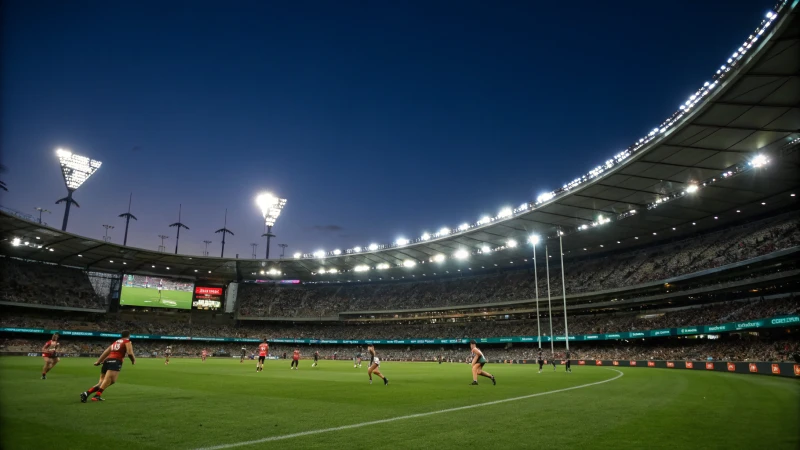
Energy Efficiency and Cost Savings
When I first started exploring lighting options for indoor venues, energy efficiency was a major consideration. Floodlights, while powerful, consume a lot of energy and rack up costs. That's why I often recommend LED systems7—they're like the quiet hero of lighting. They not only save on electricity bills but also have a longer lifespan, which means fewer headaches over replacements.
Uniform Lighting and Reduced Glare
I'll never forget walking into a gym lit by floodlights—it felt like stepping into a shadowy cave with patches of blinding light. Floodlights can be harsh and create unwanted glare. In contrast, integrated LED solutions offer uniform light distribution, which is crucial for sports arenas or concert halls where visibility is key. This type of lighting ensures everyone, from the performers to the audience, has a great viewer experience8.
Space Efficiency and Aesthetic Considerations
I've seen venues that look more like a maze of metal fixtures than a cohesive space. Floodlights can be bulky and disruptive to the aesthetics of an indoor venue. That's why many venues prefer sleek, ceiling-mounted LED systems that blend seamlessly into the architecture. It helps maintain a modern and uncluttered look.
| Lighting Feature | Floodlights | Integrated LED Systems |
|---|---|---|
| Energy Consumption | High | Low |
| Installation Complexity | Complex | Simplified |
| Maintenance Frequency | Regular | Minimal |
Innovative Alternatives and Environmental Impact
In my pursuit of eco-friendly solutions, I've come across venues that incorporate solar-powered LEDs9 to minimize their environmental footprint. These systems not only align with sustainability goals but also provide efficient lighting solutions. Plus, techniques like daylight harvesting can significantly reduce reliance on artificial lights during daytime events, making these solutions even more attractive.
LED systems offer better energy efficiency than floodlights.True
LEDs consume less power and last longer, reducing energy costs.
Floodlights create more uniform lighting than LED systems.False
Floodlights often cause glare, whereas LEDs provide even light distribution.
Can Smaller Venues Thrive Without Traditional Floodlighting?
I remember the first time I walked into a cozy, dimly lit venue—it had a charm that no floodlight could ever replicate. But can smaller venues really thrive without traditional floodlighting? Let's shed some light on this topic together.
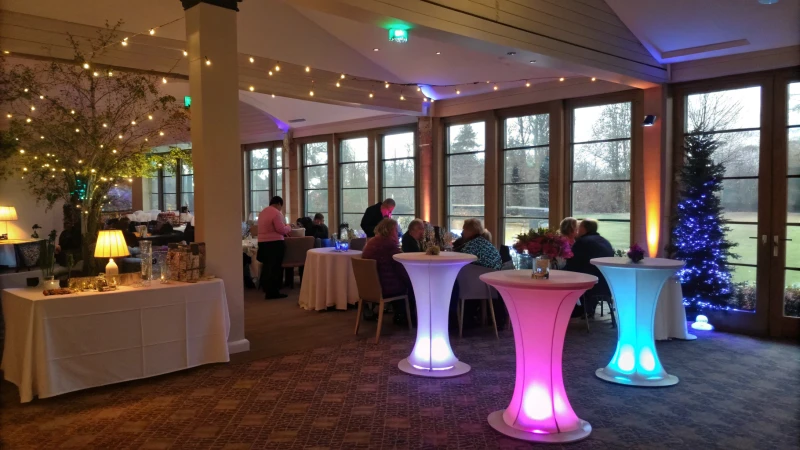
Smaller venues can thrive without traditional floodlighting by using natural light, modern LED systems, and portable lighting options. These solutions not only cut costs and energy usage but also offer flexibility to adapt to different event needs.
The Role of Natural Light
Picture this: a venue bathed in soft sunlight streaming through large windows, creating an inviting and warm atmosphere. Many venues are leaning towards designs that capture this natural beauty, utilizing architectural features like expansive windows and skylights. Not only does this reduce the electricity bill, but it also provides a unique ambiance that’s both eco-friendly and charming. To make the most of this, some venues even employ daylight harvesting systems10 to automatically adjust indoor lighting based on the natural light available.
Portable and Low-Intensity Lighting Solutions
Imagine having a toolkit of lights that you can move around as needed, setting the mood just right for each event. For venues tight on budget or space, portable lighting systems offer this kind of flexibility. I’ve seen setups with LED towers or battery-powered lights that are not only easy to arrange but also create a cozy atmosphere perfect for intimate gatherings.
A simple comparison:
| Lighting Type | Cost | Flexibility | Energy Use |
|---|---|---|---|
| Traditional Floodlights | High | Low | High |
| Portable Lighting | Low | High | Moderate |
LED Technology: A Bright Alternative
LED systems are like the superheroes of lighting—efficient, long-lasting, and versatile. I’ve witnessed how these integrated ceiling-mounted LEDs can transform a space, offering uniform lighting that’s perfect for both indoor and outdoor events. Plus, with smart control options, venues can adjust lighting remotely, adding another layer of convenience and cost-saving.
Explore options like high-performance LED systems11 designed for multi-purpose venues—they provide energy savings without sacrificing quality.
Embracing Green Technologies
I've noticed a trend among eco-conscious venues—they’re embracing renewable energy sources like solar panels or wind turbines for their lighting needs. This isn’t just about reducing their carbon footprint; it’s also about enhancing their brand image as environmentally responsible entities. If you’re considering going green, solar-powered lighting solutions12 might just be the perfect fit for providing reliable illumination while aligning with eco-friendly principles.
By adopting these innovative approaches, smaller venues can effectively illuminate their events without relying on traditional floodlights, ensuring they remain cost-effective and sustainable.
Natural light reduces energy costs in venues.True
Maximizing natural daylight with architectural designs lowers energy expenses.
Portable lighting systems are less flexible than floodlights.False
Portable lighting offers high flexibility, unlike traditional floodlights.
Conclusion
Some stadiums utilize innovative designs and eco-friendly lighting systems to harness natural light, reducing reliance on floodlights while enhancing sustainability and spectator experience.
Discover how cutting-edge designs optimize natural light in modern stadiums. ↩
Learn about sustainable practices that reduce energy consumption in stadiums. ↩
Find experts who design sustainable structures to meet environmental challenges. ↩
Learn about how dynamic lighting controls enhance energy efficiency by adjusting light levels based on specific event needs. ↩
Discover how using natural light during daytime events reduces the need for artificial lighting in stadiums. ↩
Find out how programmable LED lights create dynamic visual displays to enhance audience engagement. ↩
Explore how LED systems enhance energy efficiency and save costs compared to traditional floodlights. ↩
Understand why uniform lighting is crucial for both viewers and participants in sporting events. ↩
Discover sustainable lighting options that reduce environmental impact in large venues. ↩
Discover how daylight harvesting can optimize lighting and reduce energy consumption in venues. ↩
Explore top-rated LED systems suitable for smaller venues, offering both efficiency and versatility. ↩
Learn about solar-powered options that combine sustainability with effective event lighting. ↩