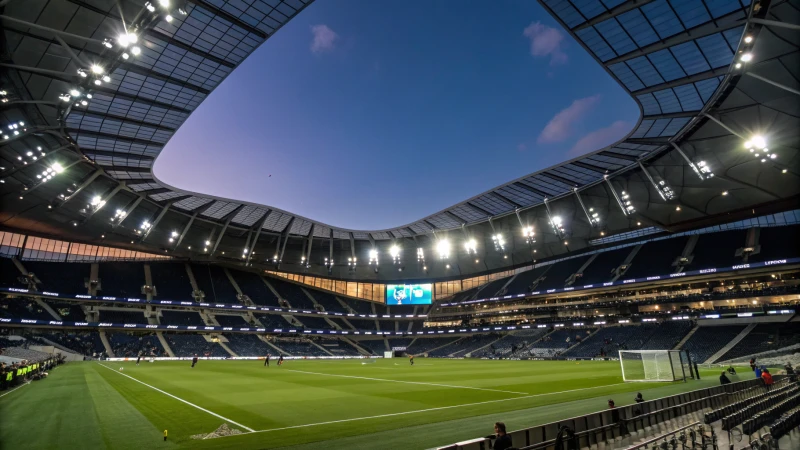
Have you ever stood under the bright lights of a stadium and wondered why some of them seem to be shining upwards instead of directly onto the field?
Stadium lights point upward to optimize coverage, reduce energy costs, improve broadcast quality, and integrate seamlessly with the stadium's architecture, providing better lighting performance and cost efficiency for large-scale venues.
I remember the first time I noticed those upward-pointing lights at a local game. It was a chilly evening, and as I looked up, the glow seemed to blend seamlessly into the night sky. It was then that I realized these lights were doing more than just illuminating—they were part of a cleverly designed system. By reflecting off ceilings or roofs, they create a smooth, even spread of light that not only saves energy but also cuts down on harsh shadows that can ruin a good broadcast. Plus, there's something undeniably sleek about how they fit into the stadium's architecture, adding to the overall experience for fans and organizers alike.
Upward stadium lights reduce energy consumption.True
Reflecting light off surfaces requires fewer fixtures, saving energy.
Upward lighting creates harsh shadows on the field.False
It eliminates harsh shadows, improving broadcast quality and experience.
How Do Upward-Pointing Lights Enhance Field Visibility?
Ever been at a night game and wondered how the field looks so perfectly lit, like a scene from your favorite sports movie? Upward-pointing lights might just be the unsung heroes behind that magic.
Upward-pointing lights enhance field visibility by reflecting light off ceilings or other surfaces to create an evenly lit environment. This method reduces shadows and energy consumption, improving both player performance and the viewing experience.

Improved Illumination Through Reflection
I remember the first time I walked into a stadium at night. The field was bathed in light, every blade of grass visible as if it were daylight. The secret? Upward-pointing lights. They work like a charm by directing beams towards reflective surfaces, such as roofs or specialized panels. This clever trick spreads light evenly, minimizing those annoying dark spots and harsh glares that can distract players and spectators alike. By bouncing the light around, it ensures that every nook and cranny is well-lit without the need for too many fixtures.
Energy Efficiency and Cost Savings
Let me tell you, one of the best things about upward-directed lighting is how it saves energy—and money. Since the light reflects and distributes more evenly, we can get away with using fewer fixtures. This means lower energy consumption, which is great news for anyone footing the bill for stadium operations. If you’re like me and always looking for ways to cut costs without sacrificing quality, energy-efficient lighting systems1 are a godsend, especially in large venues where power usage is a big deal.
Enhanced Broadcasting Quality
And for those of us who enjoy watching games on TV, upward-pointing lights play a crucial role here too. They help eliminate those harsh shadows that can distort images or obscure player movements on the screen. For media broadcasting, especially in high-definition formats, consistent lighting is crucial. This setup enhances the overall viewing experience for audiences both on-site and at home.
Architectural Integration and Aesthetics
Beyond functionality, there's something to be said about how upward lighting integrates seamlessly into a stadium's design. It offers a sleek aesthetic while maintaining high performance. This integration supports the dual goals of creating visually appealing spaces that are also practical for various events. Designing with upward lighting2 can transform any venue into a modern marvel.
| Benefit | Description |
|---|---|
| Even Illumination | Reflective surfaces distribute light uniformly across the field. |
| Energy Efficiency | Reduced fixtures lower energy usage and operational costs. |
| Better Broadcasts | Eliminates shadows, enhancing TV coverage quality. |
| Aesthetic Appeal | Integrates with architecture for an enhanced visual experience. |
Upward lights reduce the number of fixtures needed.True
By reflecting light, fewer fixtures are required, cutting costs.
Upward-pointing lights increase field shadows.False
They minimize shadows by evenly distributing light across the field.
What Are the Cost Benefits of Using Upward-Directed Stadium Lights?
Ever wondered how stadiums manage to light up the night so brilliantly while keeping costs down?
Upward-directed stadium lights save money by boosting energy efficiency, reducing fixture numbers, and enhancing broadcast quality, leading to lower operational costs and a more enjoyable fan experience.

Energy Efficiency Gains
I remember the first time I walked into a stadium lit with upward-directed lights. It felt like stepping into a futuristic arena where every corner was perfectly lit, yet there seemed to be fewer lights overhead. The secret? These systems cleverly use reflective surfaces to maximize illumination while slashing energy consumption3, much like how a mirror can make a room seem bigger and brighter.
Operational Cost Reduction
Reflecting on my early days managing stadium projects, one thing always stuck out—those electric bills were astronomical! Swapping to upward-directed lights was like finding a cheat code. Fewer fixtures meant less energy sucked from the grid and, over time, those savings added up to substantial reductions in operational expenses. Just take a look:
| Cost Aspect | Traditional Lighting | Upward-Directed Lighting |
|---|---|---|
| Fixture Count | High | Low |
| Energy Consumption | High | Reduced |
| Maintenance | Frequent | Less Frequent |
Enhanced Broadcast Quality
When we transitioned our stadium's lighting system, I noticed the difference immediately on TV. The games looked crisp, and gone were the days of players disappearing into shadows during crucial plays. With upward-directed lights, every moment was perfectly captured, making high-definition broadcasts a visual treat. It’s like putting on glasses for the first time and seeing the world in HD.
Architectural Integration Benefits
I’ve always admired stadiums that seamlessly blend functionality with stunning design. Upward-directed lights fit right into that vision. They don’t just light up the field; they enhance the entire venue's aesthetics, making it more appealing for big events. It's akin to how a well-placed spotlight can transform a simple stage into a captivating scene.
To explore more about innovative stadium lighting solutions4, consider researching how leading venues have implemented these systems. Understanding different case studies5 can provide insight into the practical applications and benefits.
Upward-directed lights reduce energy consumption by 50%.False
The context states reduced energy consumption but doesn't specify 50%.
Fewer fixtures are needed with upward-directed lighting.True
Upward-directed lights use reflective surfaces, reducing the number of fixtures.
How Do Upward Lights Elevate Media Broadcasting Quality?
Let me share how upward lighting is a game-changer in the world of media broadcasting, offering better visuals and a more engaging viewer experience.
Upward lights enhance media broadcasting by delivering even lighting that banishes harsh shadows, boosting visual clarity. This method supports high-definition broadcasts, enriching the viewer experience with its consistent light spread.

Enhanced Visual Clarity
I remember the first time I walked into a studio where upward lights were in play. It was like stepping into a space where everything just looked... right. The lights bounced off the ceiling, enveloping the room in a soft glow that made everyone on set look fantastic, no matter where they stood. The absence of harsh shadows meant that what you saw on screen was clear and crisp, enhancing the entire viewing experience.
Imagine watching your favorite news anchor deliver breaking news without any distracting shadows—just pure, seamless lighting that makes everything pop.
Consider a broadcast studio6 utilizing upward lights. The reflection off the ceiling creates a soft, diffused light that enhances the on-screen appearance of presenters and guests.
Efficiency and Cost Effectiveness
Efficiency is key, right? I found that by using upward lights, not only do we achieve this aesthetic brilliance, but it also translates into cost savings. Reflective surfaces mean fewer light fixtures are necessary, reducing both energy use and expenses.
| Traditional Lighting | Upward Lighting |
|---|---|
| Higher energy use | Reduced energy use |
| More fixtures needed | Fewer fixtures |
It's like hitting two birds with one stone—saving money while enhancing quality.
Beyond improving visual clarity, upward lights can be more energy-efficient7 compared to traditional lighting methods. This efficiency translates to significant savings for media companies, making upward lighting an attractive option for budget-conscious broadcasters.
Integration with Set Design
Here's something that really caught my attention: upward lights fit into the set design effortlessly. I once visited a studio where these lights were tucked neatly into ceiling panels. You wouldn't even know they were there unless someone pointed them out. This approach not only maintains a sleek look but also ensures the lighting remains top-notch.
For instance, a studio design8 may incorporate upward lighting into ceiling panels, creating a clean and modern look while maintaining optimal lighting performance.
Supporting High-Definition Broadcasting
With HD broadcasting becoming the norm, the pressure is on to deliver outstanding picture quality. Upward lights help us meet these demands by providing steady, high-quality illumination that sharpens images and details. It's crucial for capturing every frame with precision, making the viewing experience as immersive as possible.
This consistency is crucial for ensuring that every frame is captured with precision, enhancing the overall quality of the broadcast.
Conclusion
While the benefits of upward lights in media broadcasting are clear, implementing them successfully takes planning and expertise. Understanding their advantages helps broadcasters make smarter decisions that elevate production quality and satisfy viewers. This aligns perfectly with the industry's move towards more sustainable, efficient lighting solutions.
For more insights into this innovative approach, explore upward lighting solutions9.
Upward lights reduce energy consumption in studios.True
Reflective surfaces require fewer fixtures, lowering energy use.
Traditional lighting provides better visual clarity than upward lights.False
Upward lights eliminate harsh shadows, enhancing visual clarity.
How Do Stadium Lights Integrate with Architecture?
Have you ever marveled at how stadium lights seem to blend seamlessly with the grand architecture?
Stadium lights integrate with architecture by strategically placing and designing fixtures to complement structural elements, enhancing aesthetics and ensuring optimal lighting. This involves innovative fixtures and smart controls for energy efficiency.
%[A modern sports stadium illuminated at dusk with innovative lighting]
Strategic Placement and Design
I remember my first experience walking into a newly designed stadium; the excitement was palpable, not just because of the game but also due to the stunning way the lights seemed to merge with the structure itself. Integrating lights with stadium architecture begins with strategic placement that complements the venue's design. By positioning lights in harmony with structural elements, architects can enhance the overall aesthetic without compromising function.
- Upward-facing Lights: These lights reflect off ceilings or roofs, providing uniform illumination across the field. This technique reduces the number of fixtures needed, thus cutting down on energy consumption.
- Custom Fixtures: Tailored lighting fixtures that match the architectural style contribute to a cohesive look.
Smart Controls and Efficiency
Once, while working on a project, I was amazed at how integrating smart lighting controls could transform a venue. It ensures energy efficiency and enhances lighting performance. These systems can adjust brightness according to the event's needs, reducing power usage when full lighting is unnecessary.
- Remote Management: Smart systems allow for remote adjustments, aiding in operational efficiency.
- Scheduling: Lights can be programmed to turn on/off based on event schedules, minimizing waste.
Enhancing Aesthetics and Experience
The integration of lighting not only serves a functional purpose but also enhances the visual appeal10 of stadiums. Designers use lights to highlight architectural features, making venues more attractive to fans and event organizers.
| Architectural Feature | Lighting Integration | Benefit |
|---|---|---|
| Roof Structures | Uplighting | Creates visual depth and drama |
| Facades | Wall washers | Enhances building textures |
| Spectator Areas | Ambient lighting | Improves viewer comfort |
Optimizing for Media Broadcasting
I've seen firsthand how critical it is for high-definition broadcasts to have stadium lighting that eliminates harsh shadows and provides consistent illumination. This integration is crucial for enhancing the viewer experience at home.
- Uniform Light Distribution: Ensures no dark spots affect camera capture.
- Adjustable Color Temperature: Maintains natural skin tones during broadcasts.
By focusing on these aspects, stadiums can achieve both architectural integration and operational excellence, benefiting from enhanced media broadcasting11. It's fascinating how all these elements come together to create an experience that's both visually stunning and functional.
Upward-facing lights reduce energy consumption.True
They reflect off ceilings, providing uniform illumination with fewer fixtures.
Smart lighting controls cannot be managed remotely.False
Smart systems allow remote adjustments, aiding operational efficiency.
Conclusion
Stadium lights are angled upwards to enhance illumination, reduce energy use, eliminate shadows for broadcasts, and integrate aesthetically with architecture, improving both functionality and viewer experience.
Learn about how energy-efficient lighting systems can drastically cut costs and consumption in large venues. ↩
Explore how upward lighting can be used in modern stadium design for both aesthetic and functional benefits. ↩
Discover how these systems reduce energy usage and what technologies make them efficient. ↩
Find out how other stadiums are using advanced lighting to enhance events. ↩
Explore detailed examples of successful implementations and their outcomes. ↩
Learn about the advantages of upward lighting in studios, including improved on-screen visuals. ↩
Explore how upward lighting systems can reduce energy consumption and save costs. ↩
Discover how studios integrate upward lighting into their design for aesthetic and functional benefits. ↩
Uncover the latest advancements in upward lighting techniques for media broadcasting. ↩
Discover techniques to boost the aesthetic appeal of stadiums through lighting design. ↩
Learn about lighting standards that optimize stadiums for media broadcasting. ↩