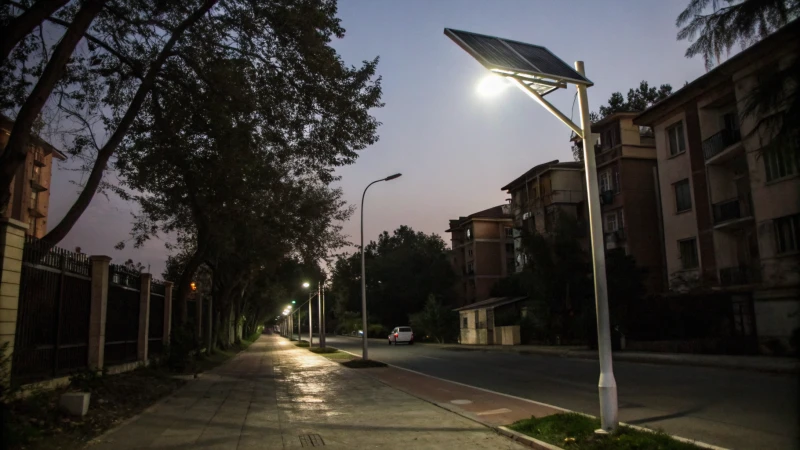
%[A dimly lit solar street light at night, surrounded by darkness]
Ever wondered why your solar street lights aren't shining as bright as they used to?
Common solar street light installation errors include incorrect panel orientation, improper sizing, poor pole placement, shading issues, and weak mounting. Ensuring proper electrical connections and avoiding these mistakes guarantees efficient operation and longevity of the system.
I remember a time when I was excited to install solar street lights, envisioning a green, cost-effective solution lighting up my neighborhood. But then, one evening, I noticed the lights weren’t turning on. It was frustrating, but it led me down a path of discovery. Battery problems were the first culprit; over time, they can lose their ability to hold a charge, especially if not sized correctly for the local climate. Next up were the panels—dirt and grime build-up can block sunlight, reducing efficiency. And let’s not forget the wiring; corrosion can silently disrupt power flow. Finally, I learned that a malfunctioning charge controller might be to blame for improper charging cycles. Addressing these issues through regular checks and maintenance has made all the difference.
Battery failures are the main cause of solar street light issues.True
Battery failures often lead to insufficient energy storage, causing lights to fail.
Dirty panels do not affect solar street light performance.False
Dirt on panels reduces sunlight absorption, lowering energy generation efficiency.
How Do Battery Failures Impact Solar Street Light Performance?
Ever had a solar street light flicker on you at the worst possible moment? Trust me, it's frustrating!
When a battery fails in a solar street light, it can cause the light to flicker or stop working altogether. Keeping up with regular maintenance and choosing the right battery can make all the difference in ensuring these lights shine brightly when you need them most.
The Role of Batteries in Solar Street Lights
I remember the first time I saw a solar street light flicker and dim as if it were a ghostly apparition fading into the night. It turns out, this eerie performance was due to a faulty battery. You see, solar street lights rely on batteries to store energy collected from sunlight during the day, which then powers the lights at night. If the battery isn't up to par, the light show is less than stellar.
Types of Battery Failures
Aging or Drain Issues: It's kind of like when my phone battery hits 1% just as I'm heading out for an important meeting. Over time, batteries lose their ability to hold a charge. This can leave your solar street light in the dark. Picking the right battery for your local climate1 can save you from this headache.
Battery Type Lifespan (Years) Ideal Conditions Lead-Acid 3-5 Moderate Climate Lithium-Ion 5-10 Varies Improper Charging: Ever plugged in your phone overnight only to find it barely charged in the morning? That's usually a charging issue. A solar street light can suffer similarly if the charge controller is on the fritz. Regular check-ups can keep things running smoothly.
Environmental Factors
Environmental conditions can make or break battery performance. I've learned that extreme temperatures are no friend to batteries. For example, freezing winters can drain lithium-ion batteries faster than expected, affecting how well they light up the streets.
- Temperature: Batteries have their comfort zones too! Staying within their optimal temperature range is crucial. Learn more about temperature effects2.
Solutions to Mitigate Battery Failures
- Regular Maintenance: Think of this like taking your car for an oil change. Spotting issues early, like corrosion or damage, keeps the lights shining bright.
- Quality Installation: A solid setup prevents future woes, just like a secure Wi-Fi connection keeps you streaming without interruption.
- Choosing the Right Battery: The wrong battery is like wearing summer clothes in winter—uncomfortable and inefficient. Tailor your choice to your specific project needs. Find out more about battery selection3.
The Impact on Light Performance
When those batteries give out, it’s not just an inconvenience; it’s a costly affair:
- Flickering lights or total darkness.
- Diminished brightness during peak hours.
- More money spent on frequent replacements.
Grasping how batteries affect solar street lights helps us all keep these systems efficient and dependable. By tackling battery issues head-on, we can ensure our solar street lights continue to light up our paths sustainably.
Lithium-ion batteries last longer than lead-acid ones.True
Lithium-ion batteries have a lifespan of 5-10 years, while lead-acid last 3-5.
Cold weather improves lithium-ion battery performance.False
Cold temperatures actually reduce the capacity and efficiency of lithium-ion batteries.
Why Are Dirty or Damaged Solar Panels a Major Concern?
Ever watched your energy savings slip away due to dirty solar panels? It's like watching your money fly out the window.
Dirty or damaged solar panels block sunlight, reducing energy production by up to 20%. Regular cleaning and maintenance are essential to ensure optimal performance and prolong lifespan.
%[Close-up of dirty solar panels]
The Impact on Efficiency
I remember the first time I realized my solar panels weren’t performing as expected. A layer of dust had settled over them, and I saw a noticeable drop in energy output. It was frustrating because every bit of sunlight that gets blocked by dirt or debris means less power for my home. Just like that, efficiency can plummet by up to 20%4, and if there are cracks or physical damage, the situation only worsens.
| Issue | Impact |
|---|---|
| Dirt/Dust | Reduced light absorption |
| Cracks/Damage | Lower energy conversion efficiency |
Having to install more panels just to make up for this loss feels like solving a problem that shouldn’t exist in the first place. It's like having a car that needs twice the fuel to go the same distance. Not exactly cost-effective, right?
Safety Concerns
And then there’s the safety aspect. I’ve heard stories of cracked panels leading to electrical faults, sometimes even fires when moisture seeps into the system. Imagine the risk of a short circuit just because some wiring got exposed due to a bit of damage! Regular inspections have become my go-to solution for catching these issues early on. It’s crucial to follow any safety protocols5 during installation and maintenance to keep these risks at bay.
Environmental Implications
There's also an environmental angle to consider. Solar panels aren’t just glass and metal; they contain materials like silicon and heavy metals that need to be disposed of properly. The thought of contributing to pollution because of improper disposal doesn't sit well with me. That’s why I ensure any broken or damaged panels follow proper recycling processes for solar waste management6. Plus, manufacturers are stepping up, creating more durable panels that can withstand harsh conditions and require less maintenance.
Maintenance Practices
So how do I keep everything running smoothly? Regular cleaning is a big part of it. Using the right solutions and techniques prevents scratches, which can be just as detrimental as dirt. Periodic inspections help me spot early signs7 of wear and tear, allowing for timely repairs.
I’ve found that having a scheduled maintenance plan is invaluable. It not only extends the life of my solar panels but also ensures they consistently produce energy, giving me a better return on investment in the long run. It’s like keeping your car tuned up—regular attention pays off with better performance.
Dirty solar panels reduce energy output by 20%.True
Dirt on solar panels obstructs sunlight, decreasing efficiency by up to 20%.
Cracked solar panels pose no safety risks.False
Cracks can lead to electrical faults or fires if moisture enters.
How Do Wiring and Corrosion Affect Solar Light Performance?
Ever wondered why your solar lights flicker or just won't turn on?
Wiring and corrosion are often the silent culprits behind solar light malfunctions. They can interrupt power flow, but with regular checks, you can ensure your solar lighting shines brightly and reliably.
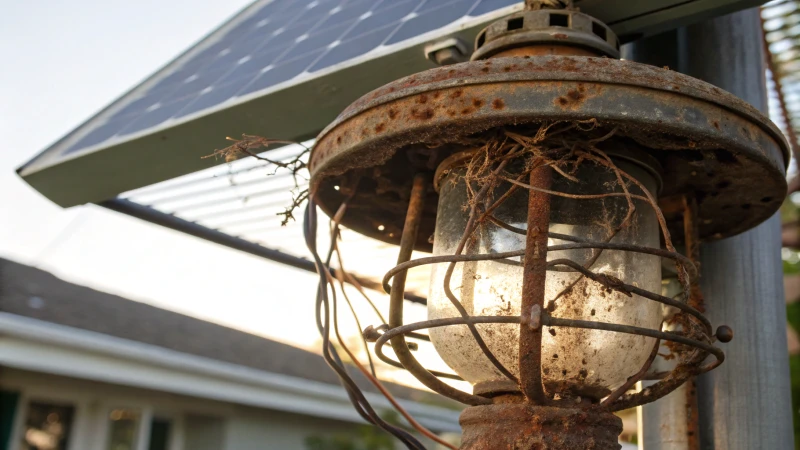
Wiring Challenges in Solar Lights
I remember when I first installed solar lights in my garden. Everything seemed perfect until one evening, half of them refused to light up. It was frustrating, especially after a long day. Turns out, faulty wiring was the issue. Solar light wiring is essential for transferring power from the panels to the batteries and lights. If the wiring is incorrectly installed or wears out over time, it can disrupt this power flow, causing lights to fail. Regularly checking these connections8 can help prevent such unexpected disruptions.
Signs of Wiring Problems
- Flickering Lights: It's like when your TV remote starts acting up because the batteries are loose—it’s the same with solar lights; inconsistent power flow causes flickering.
- Complete Failure: When a wire breaks, it's like your favorite gadget suddenly dying without warning.
- Intermittent Functionality: Loose wires are like a friendship on the rocks—unpredictable and unreliable.
| Issue | Cause | Solution |
|---|---|---|
| Flickering Lights | Loose Connection | Tighten and secure all wiring |
| Complete Failure | Broken Wire | Replace faulty wiring immediately |
| Intermittent Power | Corroded Connectors | Clean or replace connectors |
Corrosion: A Hidden Threat
One time, after a heavy rainstorm, I noticed a significant drop in my solar lights' performance. On inspection, I discovered that corrosion had crept in due to moisture. Corrosion is particularly sneaky—it happens when moisture interacts with metal parts, weakening them over time. This is especially common for outdoor solar lights facing the elements. Keeping an eye out for early signs of corrosion is crucial.
Prevention and Maintenance Tips
- Use Anti-Corrosive Materials: Just like you’d coat your favorite old car to prevent rust, opt for wires with protective coatings.
- Regular Cleaning: Treat those terminals like your prized kitchen knives—keep them clean and dry to prevent dull performance.
- Seal Exposed Areas: Use weatherproofing methods to safeguard vulnerable parts against the elements.
Corrosion doesn’t just mess with wiring; it can also damage battery and solar panel connections, leading to major performance issues. By adopting preventative measures9, you can extend the lifespan of your solar lights and ensure they keep shining bright.
| Maintenance Task | Frequency |
|---|---|
| Clean Connectors | Monthly |
| Inspect for Corrosion | Every 3 months |
| Check for Wiring Damage | Semi-annually |
Flickering lights indicate loose solar light wiring.True
Loose connections cause inconsistent power flow, leading to flickering.
Corrosion only affects solar light batteries.False
Corrosion affects all metal parts, including wiring and connectors.
How Does a Malfunctioning Charge Controller Affect Solar Lighting?
Ever wonder what keeps solar lighting systems running smoothly? It's the charge controller! But what happens when it starts acting up? Let me share my experience with you.
A malfunctioning charge controller can lead to overcharging or undercharging of batteries, causing them to degrade faster. This reduces the efficiency and reliability of solar lighting systems, potentially leading to complete failure.

Understanding Charge Controllers
I've spent quite some time tinkering with solar setups, and one thing I've learned is that charge controllers are like the unsung heroes of these systems. They manage the flow of electricity from solar panels to batteries, ensuring everything runs smoothly. But when they malfunction10, it’s like a traffic jam in your power flow—nothing works as it should.
Effects on Battery Health
I remember a time when my solar lights started flickering unpredictably. After a bit of investigation, I found out my charge controller wasn’t stopping excess current from flooding into the battery. This led to overcharging and, eventually, some pretty hot and bothered battery cells.
- Overcharging: Just like my old experience, a faulty controller might not halt excess power, causing batteries to overheat and lose their longevity.
- Undercharging: On another occasion, I noticed my lights weren’t as bright. Turned out, the controller wasn’t giving the batteries enough juice, leaving them partially charged and underperforming.
| Potential Issues | Effects on Battery |
|---|---|
| Overcharging | Reduced lifespan |
| Undercharging | Inadequate power storage |
Impact on System Efficiency
A defective charge controller doesn’t just mess with battery health—it throws the whole system out of whack. Imagine relying on solar lights for evening events, only for them to dim or fail altogether. It's not just frustrating; it's costly too. Replacing batteries more often due to improper maintenance is an expense no one wants.
- Inconsistent Lighting: I've been there—when your lights dim unexpectedly or don’t turn on at all because the stored energy isn’t enough.
- Increased Maintenance Costs: Trust me, having to replace batteries more frequently due to these issues can really rack up your expenses.
Identifying Malfunctions
Now, catching these issues early is crucial. Regular check-ups can save you a lot of hassle down the road. If you notice any strange charging patterns or see physical damage on the controller, it’s time to get out those diagnostic tools11 and see what’s going on.
Prevention and Maintenance
From my experience, a little prevention goes a long way. Routine checks and getting a professional to look things over can help avoid these headaches. Always aim for high-quality controllers12 that are known for their durability—this will keep your solar lighting system shining bright for years.
Malfunctioning controllers always overcharge batteries.False
Controllers can also undercharge, impacting battery efficiency.
Regular inspections prevent charge controller failures.True
Inspections identify malfunctions early, avoiding severe issues.
Conclusion
Solar street lights may fail due to battery issues, dirty panels, faulty wiring, or malfunctioning charge controllers. Regular maintenance and proper installation are essential for reliable performance.
Discover the most suitable battery types that perform well in cold climates to ensure your solar lights function optimally year-round. ↩
Explore how different temperatures impact battery efficiency and lifespan to optimize your solar lighting setup. ↩
Learn how to select the right battery for your solar street light projects to enhance reliability and performance. ↩
Learn how dirt and debris impact solar panel output, affecting energy production efficiency. ↩
Understand essential safety measures to prevent electrical faults during solar panel maintenance. ↩
Explore how improper disposal of solar panels affects the environment and how recycling can help. ↩
Identify early indicators of damage to ensure timely maintenance and avoid efficiency loss. ↩
Learn detailed steps to inspect and secure wiring connections, ensuring your solar lights work efficiently. ↩
Find effective strategies to maintain solar lights and prevent malfunctions from wiring and corrosion. ↩
Explores the consequences of charge controller malfunctions in solar systems, offering valuable troubleshooting insights. ↩
Provides information on diagnostic tools to detect charge controller problems early, ensuring system longevity. ↩
Recommends top-rated charge controllers known for reliability and efficiency, helping maintain a stable solar system. ↩