Have you ever stood in a room, staring up at your track lighting, wishing it fit just a little better? Well, I've been there.
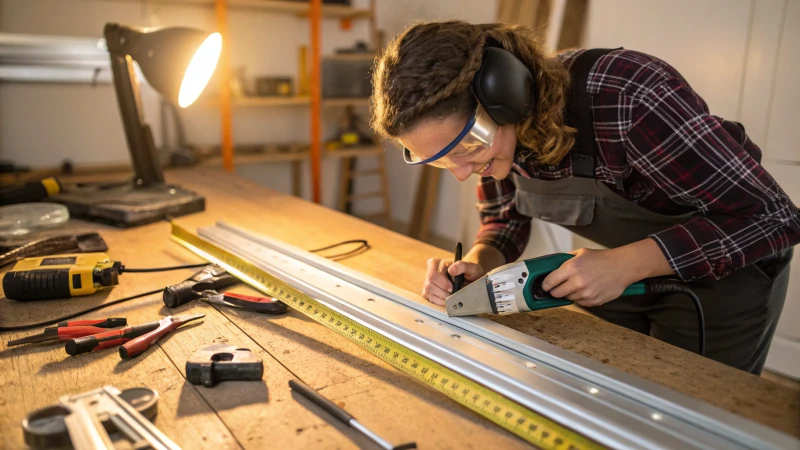
To safely cut track for track lighting, I recommend using tools like a hacksaw or mitre saw. Measure precisely and cut along pre-marked lines. After cutting, secure the track ends with caps to ensure electrical safety.
I remember the first time I decided to adjust my track lighting. It seemed like such a straightforward task, but as I picked up my hacksaw, a flood of questions hit me: Was this really the right tool? What if I messed up the wiring? Through trial and error—and a bit of guidance from some seasoned DIY enthusiasts—I learned how crucial precise measurements are. I also discovered that those tiny end caps aren't just for looks; they keep everything safe and sound. So, whether you're trying to fit lighting into an awkward corner or just love a good DIY challenge, it's all about having the right tools and a dash of patience. And if you're ever in doubt, remember: there's no shame in calling in a pro. It's better to be safe than sorry!
A hacksaw is suitable for cutting track lighting.True
A hacksaw is a recommended tool for cutting track lighting safely.
Track ends should not be capped after cutting.False
Capping track ends after cutting is crucial for electrical safety.
What Tools Do You Need to Cut Track Lighting?
Thinking about updating your lighting but not sure where to start? Cutting track lighting can seem daunting, but with the right tools, it becomes a breeze. Let’s dive into what you need to make it happen.
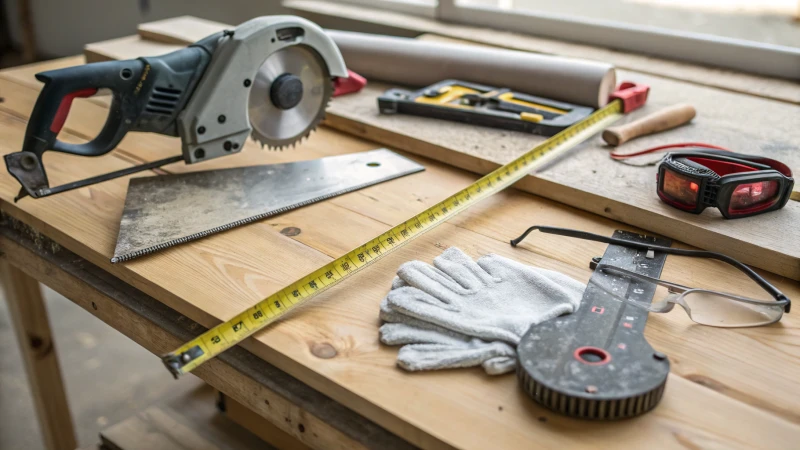
To cut track lighting, you'll need tools like a hacksaw or mitre saw for precise cuts, along with measuring tape for accuracy. Don't forget safety gear like goggles and gloves to protect yourself during the process.
Essential Tools for Cutting Track Lighting
Cutting track lighting requires precision and the right tools. A hacksaw1 is commonly used due to its ability to deliver clean cuts through metal. It's ideal for aluminum tracks, often found in track lighting systems.
| Tool | Purpose |
|---|---|
| Hacksaw | Precise cuts through metal/aluminum |
| Mitre saw | Quick, angled cuts for specific designs |
| Measuring tape | Ensures accurate length adjustments |
| Safety goggles | Protects eyes from metal shavings |
Specialized Tools for Easier Handling
For those looking to streamline the process, a track cutter2 can be a worthwhile investment. These devices are specifically designed to handle track lighting systems, offering easy and safe cutting without the need for excessive force.
Safety First: Essential Gear
Safety cannot be overlooked when cutting track lighting. Wearing protective gear such as safety goggles is crucial to prevent injuries from metal shavings. Additionally, a dust mask can help avoid inhaling small particles generated during the cutting process.
Tips for a Smooth Cutting Process
- Measure twice, cut once: This old saying saved me from so many mishaps.
- Sharp tools make sharp work: Keep your hacksaw or mitre saw well-maintained.
- Consider using a mitre saw: It’s great for those tricky angles you might encounter.
- Clear workspace: A tidy work area helps maintain focus and safety.
By equipping yourself with the right tools and following safety protocols, cutting track lighting becomes a manageable task even for DIY enthusiasts. Exploring different tools like a specialized track cutter or consulting a professional can further enhance your project's success.
Key Considerations When Cutting Track Lighting
When dealing with modular tracks, it's important to consider the type of material you're working with—aluminum or metal—and choose your tools accordingly. In cases where precision is paramount, opting for pre-cut tracks from manufacturers might be beneficial to avoid the risks associated with manual cutting. For those who prefer a DIY approach, understanding track customization3 options and proper tool usage is crucial. Be mindful of maintaining electrical connections and proper capping post-cutting to ensure safety and functionality.
A hacksaw is used for cutting track lighting.True
Hacksaws provide precise cuts through metal, ideal for aluminum tracks.
Safety goggles are optional when cutting track lighting.False
Safety goggles are essential to protect eyes from metal shavings.
How Do Different Track Materials Affect the Cutting Process?
Have you ever wondered why some cutting jobs feel like slicing through butter, while others seem like a battle with steel?
Choosing the right track material for your cutting process is crucial. Aluminum, being softer, is easier to cut with basic tools, whereas harder metals like steel require specialized equipment for precision and durability.
Understanding Material Properties
I remember the first time I tackled a DIY project using aluminum tracks. It was for a home renovation, and I was excited yet a bit apprehensive. Armed with my trusty hacksaw, I was amazed at how effortlessly the blade sliced through the aluminum—like cutting through a cake. This experience taught me that aluminum's softness makes it perfect for those simpler tasks. It's lightweight and forgiving if you're a bit off with your measurements or cuts. But I also learned to handle it gently to avoid any dents or warping.
| Material | Ease of Cutting | Common Tools |
|---|---|---|
| Aluminum | Easy | Hacksaw, Mitre Saw |
| Steel | Moderate | Metal Cutter, Angle Grinder |
Challenges with Harder Metals
Now, let’s talk about steel. If you've ever tried cutting steel, you'll know it's a whole different ball game. I once attempted it with just a basic saw—it was a disaster. The blade barely made a dent, and I ended up with a ruined tool and a half-cut piece of metal. Since then, I've learned to respect the toughness of steel by using an angle grinder or a dedicated metal cutter. Yes, it's more demanding, but that hardness also means resilience and longevity.
Learning from professional guides4 has been invaluable. They’ve shown me the ropes on how to manage heat and prevent my tools from blunting during those tougher jobs.
Safety Considerations
Safety is something I can't stress enough when working with these materials. I always make sure to cap those track ends properly to avoid any nasty shocks. And honestly, when I'm in over my head, I don't hesitate to call in a certified electrician5. Their expertise is worth every penny when you want peace of mind.
I've learned that investing in the right tools and safety gear pays off—literally saving me time and ensuring that my projects turn out as envisioned. When things get complicated, I’ve found that expert advice can be a game-changer, offering clearer perspectives6 tailored to the unique demands of each material and project.
Aluminum tracks can be cut with a hacksaw.True
Aluminum is soft and lightweight, making it suitable for cutting with basic tools like a hacksaw.
Steel tracks are easier to cut than aluminum tracks.False
Steel is harder than aluminum, requiring more advanced tools like metal cutters.
What Are the Safety Precautions When Cutting Track Lighting?
Remember the last time you installed something and wished you'd taken more safety precautions? Cutting track lighting is one of those tasks where a little extra care can make all the difference.
To safely cut track lighting, first turn off the main circuit breaker. Use insulated tools and wear safety goggles. Make sure to keep the track's wiring intact, and always cap ends to prevent electrical hazards.

Understanding Your Track System
Before diving into the task, it's crucial to know what kind of track lighting you're dealing with. I remember my first attempt at cutting an aluminum track7 without knowing its specifics. Let's just say I learned the hard way that different materials require different approaches. Aluminum tracks, for example, need different cutting tools compared to plastic or metal ones. By understanding your track's material, you ensure that you have the right tools on hand.
Essential Safety Gear
I can't stress enough how important it is to gear up properly. On one occasion, I skipped the safety goggles and regretted it immediately when a tiny piece of debris got into my eye. So trust me, wearing safety goggles and gloves is non-negotiable. Also, having non-slip footwear helps maintain your balance, especially if you're working on a ladder.
Disconnecting the Power Supply
Step 1: Always start by turning off the power at the main circuit breaker. It's tempting to skip this step when you're in a rush, but an electric shock is never worth it.
Step 2: Use a multimeter to double-check that there's no electricity flowing through the wires. This step gives peace of mind before getting your hands dirty.
Selecting the Right Tools
Using the right tools is half the battle won. A hacksaw8 or mitre saw works wonders for cutting metal tracks, but they must be insulated and sharp for clean cuts without damaging the wiring.
| Tool | Purpose |
|---|---|
| Hacksaw | Cuts through metal tracks |
| Mitre Saw | Provides precise angled cuts |
| Wire Cutter | Trims excess wiring |
Preserving Wiring Integrity
Avoid cutting too close to the wiring; keeping a safe distance ensures that your electrical connections remain intact. Look for any pre-marked lines on the track as guides; they are there to make your life easier.
Capping and Sealing
Once you've made your cut, don't skip capping the ends of the track. I learned from a fellow DIY enthusiast that neglecting this step can lead to unfortunate accidents. End caps prevent contact with exposed wires, reducing electrical hazards.
Tip: Some tracks come with connector kits that help give a polished finish after cutting.
Consulting a Professional
If you ever feel unsure, remember that calling in a professional electrician9 is always an option. They can ensure that your lighting system is both safe and looks great, especially for complex installations or commercial projects.
Disconnect power before cutting track lighting.True
Disconnecting power prevents electric shock while handling electrical components.
Aluminum tracks require the same tools as plastic ones.False
Different materials need specific tools; aluminum and plastic tracks vary in cutting methods.
Should You Consider Professional Installation for Complex Systems?
Have you ever stared at a tangled mess of wires and felt a surge of panic?
Opting for professional installation of complex systems ensures safety, reliability, and optimal performance. With their expertise, tools, and experience, professionals handle intricate setups that might otherwise overwhelm a DIY enthusiast.
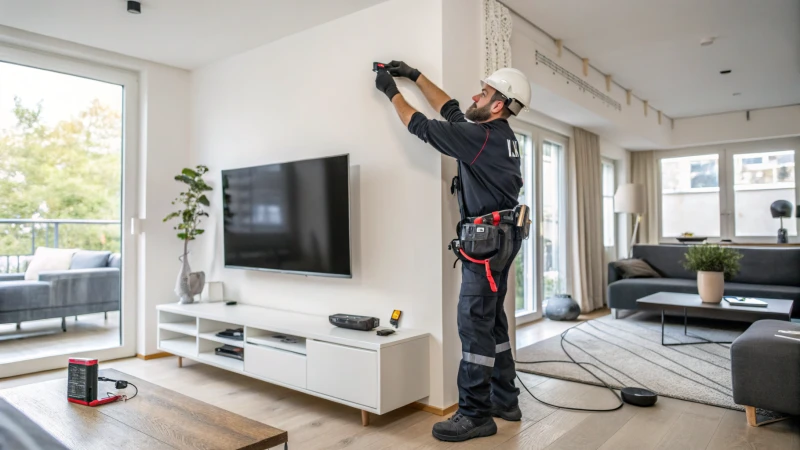
Understanding Complex Systems
I remember the first time I tried to set up a smart home network. What seemed like an exciting weekend project quickly turned into a perplexing puzzle. Complex systems like smart home networks10 or integrated lighting solutions11 demand not just a keen understanding but also a knack for problem-solving. Without the right expertise, you could find yourself amidst operational inefficiencies or, worse, safety hazards.
Benefits of Professional Installation
- Expertise: Imagine having someone who knows every wire, every switch like the back of their hand. Professionals are trained for this.
- Tools and Equipment: Once, I tried fixing a lighting issue with a basic toolkit. Let's just say, it didn't end well. Pros come with specialized tools that ensure everything fits perfectly.
- Time-Saving: That weekend project? It stretched into a week. Save yourself the time by letting experts handle it.
- Warranty Protection: Ever voided a warranty because you missed some fine print? Many systems require professional installation to keep warranties intact.
| DIY | Professional |
|---|---|
| Cost-effective | Higher upfront cost |
| Requires learning | Fast and efficient |
| Risk of errors | Error-free |
When DIY Might Suffice
For simpler systems, diving into a DIY project can be both rewarding and feasible, provided you have the skills and tools. However, when things get complicated, professional help ensures that all components work harmoniously.
Evaluating Costs vs. Benefits
While professional installation may seem pricey at first glance, think about the long-term benefits: system longevity, safety, and the sheer peace of mind knowing everything's done right. I often turn to reading reviews12 and consulting industry experts to weigh options effectively.
Factors to Consider
- System Complexity: The more intricate the system, the more likely you'll need professional help.
- Your Skill Level: Reflect on your comfort and expertise with technical setups.
- Budget Constraints: Weigh immediate costs against potential future expenses due to errors or inefficiencies.
- Availability of Professional Services: Ensure local professionals are accessible and reputable.
By evaluating these factors, you'll be in a better position to decide whether to undertake a DIY project or hire professionals for system installations13. Trust me, getting it right the first time is worth every penny.
Professional installation guarantees error-free setup.True
Professionals are trained and equipped to handle complex installations without errors.
DIY installation is always more cost-effective than professional help.False
While DIY may have lower upfront costs, potential errors can lead to higher long-term expenses.
Conclusion
Learn how to safely cut track lighting with the right tools, precise measurements, and essential safety precautions to ensure a perfect fit and electrical safety.
Learn how to effectively use a hacksaw for precise metal cuts in your track lighting projects. ↩
Discover top-rated track cutters that simplify cutting tasks for home lighting installations. ↩
Find out how to tailor track lighting systems to fit unique space requirements efficiently. ↩
Find detailed guides to learn safe and efficient methods for cutting different metal track materials. ↩
Discover the benefits of consulting a professional to ensure safe electrical connections after cutting tracks. ↩
Explore expert recommendations for effective techniques and tools when working with various track materials. ↩
Discover essential tips for safely cutting aluminum track lighting, ensuring you maintain wiring integrity and avoid common pitfalls. ↩
Find top hacksaw recommendations for efficiently cutting track lighting without damaging its structure. ↩
Learn why hiring an electrician can enhance safety and efficiency during complex track lighting installations. ↩
Discover the essential elements of smart home networks to understand their complexity. ↩
Learn how integrated lighting systems improve functionality and energy efficiency. ↩
Explore customer reviews to gauge the quality of professional installation services. ↩
Understand key practices to ensure successful and safe system installations. ↩