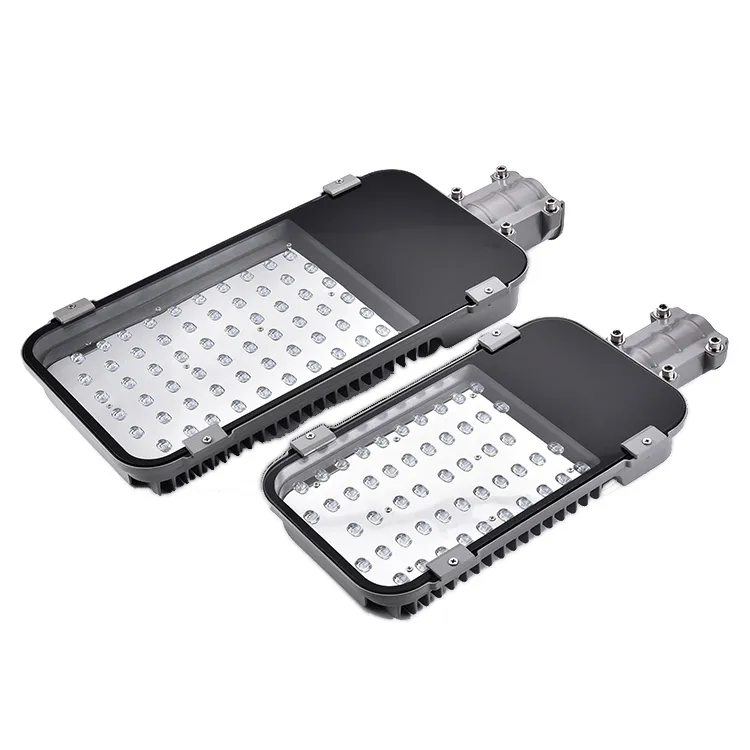
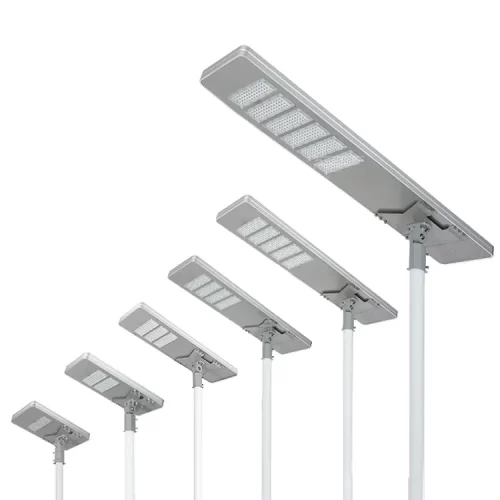
I remember when LED street lights first caught my attention with their promises of efficiency and durability.
The main issues with LED street lights include high initial cost, glare/light pollution, temperature sensitivity, retrofitting compatibility, and maintenance concerns. Choose quality, temperature-resilient designs, and reliable warranties to address these challenges.
It was during a city renovation project that I truly began to appreciate the complexity behind those seemingly simple street lights. While LED street lights are a key feature of modern urban landscapes, knowing the potential pitfalls can make all the difference. Let's explore each issue and how they can be effectively managed, so communities can enjoy the complete benefits of LED technology.
LED street lights are more expensive to install than traditional lights.True
LEDs have higher upfront costs due to advanced technology and materials.
LED street lights are unaffected by temperature changes.False
LEDs can be sensitive to extreme temperatures, affecting performance.
How Do High Initial Costs Impact Adoption Rates?
Imagine wanting to adopt and realizing the costs are higher than expected. High initial expenses can make adoption feel out of reach, but understanding these barriers can pave the way for more families to welcome a child into their home.
High initial costs can deter potential adopters by adding financial strain, ultimately reducing adoption rates. To counter this, offering financial aid and flexible payment options can make adoption more accessible and inviting.

The Financial Barrier
High initial costs associated with adoption can create a substantial barrier for many potential adopters. These costs often include agency fees, legal expenses, travel, and other miscellaneous charges. For instance, adopting a child internationally may incur costs ranging from $20,000 to $50,000.
Such high expenses can discourage individuals or families from pursuing adoption, despite a strong desire to provide a loving home. Addressing these financial hurdles is crucial to improving adoption rates.
Impact on Different Adoption Types
Adoption costs vary depending on the type, such as domestic, international, or foster care adoption. Domestic adoptions typically involve agency and legal fees, while international adoptions may include additional expenses like travel and documentation1.
| Adoption Type | Typical Cost Range |
|---|---|
| Domestic | $5,000 - $40,000 |
| International | $20,000 - $50,000+ |
| Foster Care | Minimal to none |
These variations can influence the decision-making process for prospective adopters.
Solutions to Mitigate High Costs
Organizations and governments can implement strategies to alleviate the financial burden of adoption. Some potential solutions include:
- Financial Assistance Programs: Providing grants or subsidies to cover a portion of the adoption fees.
- Tax Credits: Offering tax incentives to offset some of the adoption-related expenses.
- Flexible Payment Options: Allowing payment plans to make costs more manageable.
Implementing these measures could encourage more adoptions2 by reducing the initial financial impact.
Socioeconomic Factors
The impact of high initial costs on adoption rates is further influenced by socioeconomic status. Families with lower income levels may find these expenses prohibitive. Studies suggest that households with higher income levels are more likely to pursue adoption due to their ability to absorb the costs.
Understanding these dynamics is essential for designing inclusive policies that support a broader range of prospective adopters. By doing so, we can create an environment where adoption becomes a viable option for more families regardless of financial standing.
In conclusion, tackling high initial costs through strategic interventions and supportive policies can potentially increase adoption rates and enable more children to find permanent, loving homes. However, further exploration into effective solutions is necessary for sustained impact.
High initial costs deter many from adopting internationally.True
International adoption costs range from $20,000 to $50,000, creating barriers.
Foster care adoptions typically have high initial costs.False
Foster care adoptions usually have minimal to no initial costs involved.
How Can We Minimize Glare and Light Pollution Through Design?
Ever felt blinded by the harsh glare of streetlights on a night stroll? You're not alone. Let's explore if smarter design can ease this nightly nuisance while protecting our planet.
Absolutely, glare and light pollution can be significantly reduced with innovative design. By utilizing shielded fixtures, appropriate light levels, and selecting optimal color temperatures, we can enhance visibility and minimize unnecessary light exposure, creating a more harmonious environment for everyone.

Understanding Glare and Light Pollution
You know, before I got into this whole lighting business, I thought glare was just an annoying side effect of trying to find my way around at night. But it turns out that glare and light pollution3 are more than just personal annoyances. Glare is that blinding brightness that messes with our comfort and vision, while light pollution is when artificial lights turn our night skies into something reminiscent of a cloudy day, throwing nature's rhythm into chaos.
Design Strategies to Minimize Glare
- Shielded Fixtures: Remember those times when streetlights seemed more like spotlights aimed right at your eyes? Using full-cutoff fixtures solves that by directing light downwards where it belongs, keeping the sky dark and our paths clear.
- Appropriate Light Levels: There's this project I worked on where we installed dimmers and motion sensors. The result? Lights that only brighten when needed, cutting down on both energy use and glare. It's about getting just the right amount of light without the overkill.
| Design Element | Benefit |
|---|---|
| Shielded Fixtures | Reduces upward light spill |
| Dimmers & Sensors | Adjusts lighting to current needs |
Addressing Light Pollution
- Color Temperature: Warm lighting (below 3000K) is not just cozy; it’s eco-friendly too. I've read research4 showing how these hues are gentler on wildlife and reduce skyglow. Switching to warmer tones made a noticeable difference in several projects.
- Zoning Regulations: I've seen firsthand how enforcing zoning regulations can keep lighting consistent across areas. It ensures that installations align with broader community standards and environmental goals.
The Role of Smart Technology
These days, smart lighting systems are a game changer. They can be programmed to tweak lighting based on the time of day or whether a space is occupied. When I worked with urban planners on integrating these systems, it felt like we were setting a new standard for city living—blending sustainability with modern aesthetics.
By embracing thoughtful design and cutting-edge technology, we’re not just addressing glare and light pollution; we're paving the way for healthier, more livable communities. Imagine walking through a city that's beautifully lit yet still allows you to marvel at the stars above—a reality within reach if we choose to light up our world responsibly. For more insights on sustainable design practices, check out our comprehensive guide5.
Shielded fixtures reduce glare and light pollution.True
Shielded fixtures direct light downward, reducing upward spill and glare.
Cool lighting under 3000K reduces skyglow.False
Warm lighting under 3000K, not cool, reduces blue light and skyglow.
How does temperature affect LED longevity?
Ever wondered why your LED lights don't last as long as they should? Temperature might be the sneaky culprit.
Temperature sensitivity plays a crucial role in LED longevity by impacting thermal management. High temperatures can speed up wear and tear, shortening their lifespan. To ensure your LEDs perform optimally and last longer, effective heat dissipation systems are essential.

Understanding Thermal Management in LEDs
You know, I've always been fascinated by how something as simple as temperature can have such a big impact on technology. Take LEDs, for instance. They're incredibly efficient, but the catch is they're quite sensitive to heat. If you've ever noticed an LED starting to dim or flicker over time, it might be due to something called thermal runaway. This happens when the LED heats up beyond its comfort zone and starts degrading faster. That's why having a solid thermal management system6 is like having a good air conditioner on a hot day – it keeps everything running smoothly.
Effects of Extreme Climates
Living in a place with harsh weather taught me that extremes aren't just tough on us but on our tech too. LEDs, for example, face a unique set of challenges. In colder climates, they need more juice to get going, which can wear them out prematurely. On the flip side, in scorching environments, they can overheat and start failing. That's why choosing the right LEDs for your specific weather conditions or investing in proper housing can make a world of difference. It's like dressing appropriately for the weather – it just makes sense.
Innovations in Heat Dissipation
The tech world never ceases to amaze me with its creativity. When it comes to combating temperature issues in LEDs, there are some pretty cool innovations:
| Innovation | Description |
|---|---|
| Ceramic Substrates | Enhance heat conduction away from LEDs |
| Smart Controls | Adjust output based on ambient temperature |
| Heat Sinks | Passive devices to dissipate heat efficiently |
For instance, using ceramic substrates7 can help draw heat away from the LED much more efficiently. And then there are smart control systems that adjust the LED's brightness based on the temperature around it – pretty nifty, right?
Importance of Quality Components
I remember my first big project where I learned the hard way that not all components are created equal. Investing in high-quality parts can significantly affect how your LEDs handle temperature changes. Using top-notch materials and working with manufacturers who emphasize quality control8 can ensure your LEDs won't quit on you when things get tough. Always look for those solid warranties – they’re like peace of mind in a box.
For those interested in exploring further, these links provide more information on specific strategies and technologies employed to enhance LED longevity through effective temperature management.
High temperatures accelerate LED degradation.True
Heat increases resistance in LEDs, causing faster wear and reduced lifespan.
Ceramic substrates decrease LED heat conduction.False
Ceramic substrates enhance heat conduction, improving LED temperature management.
How Can I Solve Compatibility Issues with My Existing Systems?
Ever tried fitting a new gadget into your old setup, only to hit a wall of tech drama?
Dealing with compatibility issues? Consider leveraging middleware for seamless communication, updating your software to meet the latest standards, and converting data formats to ensure everything works smoothly together.
%[A professional working in a modern office with multiple screens and bright lighting.]
Understanding Compatibility Challenges
Picture this: you're excited about this shiny new tech piece that promises to revolutionize your workflow. But as soon as you try integrating it with your trusty old systems, chaos ensues. That's compatibility drama for you—often caused by mismatched hardware or conflicting software protocols. Before diving into solutions, it's essential to pinpoint the root of these hiccups.
Middleware Solutions
Imagine middleware as a friendly translator that helps your systems chat with each other without misunderstandings. It smooths out the language barrier between different data formats and keeps processes running efficiently. Think of it like having an app that helps two of your favorite gadgets sync effortlessly—no more manual fiddling.
| Middleware Benefits | Description |
|---|---|
| Data Translation | Converts data formats between systems for compatibility. |
| Process Automation | Automates tasks to enhance efficiency and reduce errors. |
| Improved Scalability | Facilitates adding new systems without major disruptions. |
System Updates
Updating your software is like giving your systems a much-needed spa day—refreshing and rejuvenating. Keeping everything current ensures that you're equipped with the latest security measures and that all components can play nicely together.
Data Conversion Methods
Have you ever tried fitting a square peg into a round hole? That's what incompatible data formats feel like. But with data conversion tools, you can transform legacy data into formats that your new systems understand. It's all about making sure the old meets the new in harmony.
- Format Standardization: Aligning data formats across platforms.
- Data Mapping: Ensuring data elements align correctly in new systems.
Leveraging Expertise and Resources
Sometimes, reaching out for expert advice is the smartest move. Engaging with professionals or diving into case studies can offer insights and practical strategies for tackling specific challenges. It’s like having a mentor guide you through the integration maze with personalized tips just for you.
Expert consultations9 can provide tailored solutions based on unique system requirements.
Exploring Open Standards
Open standards are like the universal language of tech—they ensure that different systems can work together smoothly without getting tangled up in proprietary messes. By adopting these standards, you're future-proofing your setup against the ever-evolving tech landscape.
By embracing these strategies, you can transform compatibility headaches into opportunities for growth and efficiency, ensuring your systems operate in perfect harmony to boost productivity.
Middleware can automate tasks to reduce errors.True
Middleware automates tasks, enhancing efficiency and minimizing errors.
System updates are unnecessary for compatibility.False
Regular updates ensure systems support the latest standards and security.
Conclusion
LED street lights face challenges like high costs, glare, temperature sensitivity, and compatibility issues. Addressing these is essential for maximizing their benefits in urban environments.
-
This link provides insights into the cost breakdown for international adoptions, helping readers understand specific expenses involved. ↩
-
Learn how financial aid programs can reduce barriers and promote higher adoption rates by alleviating initial costs. ↩
-
This link provides a comprehensive understanding of light pollution's impact on the environment. ↩
-
Learn about the impact of blue light emissions on nocturnal wildlife. ↩
-
Discover detailed strategies for implementing sustainable lighting in urban planning. ↩
-
Explore how thermal management systems prevent overheating in LEDs and extend their lifespan. ↩
-
Learn about the role of ceramic substrates in improving heat dissipation for LEDs. ↩
-
Understand why quality control is crucial for ensuring LED durability and reliability. ↩
-
Consulting experts provide tailored solutions for specific compatibility challenges, offering insights and best practices. ↩