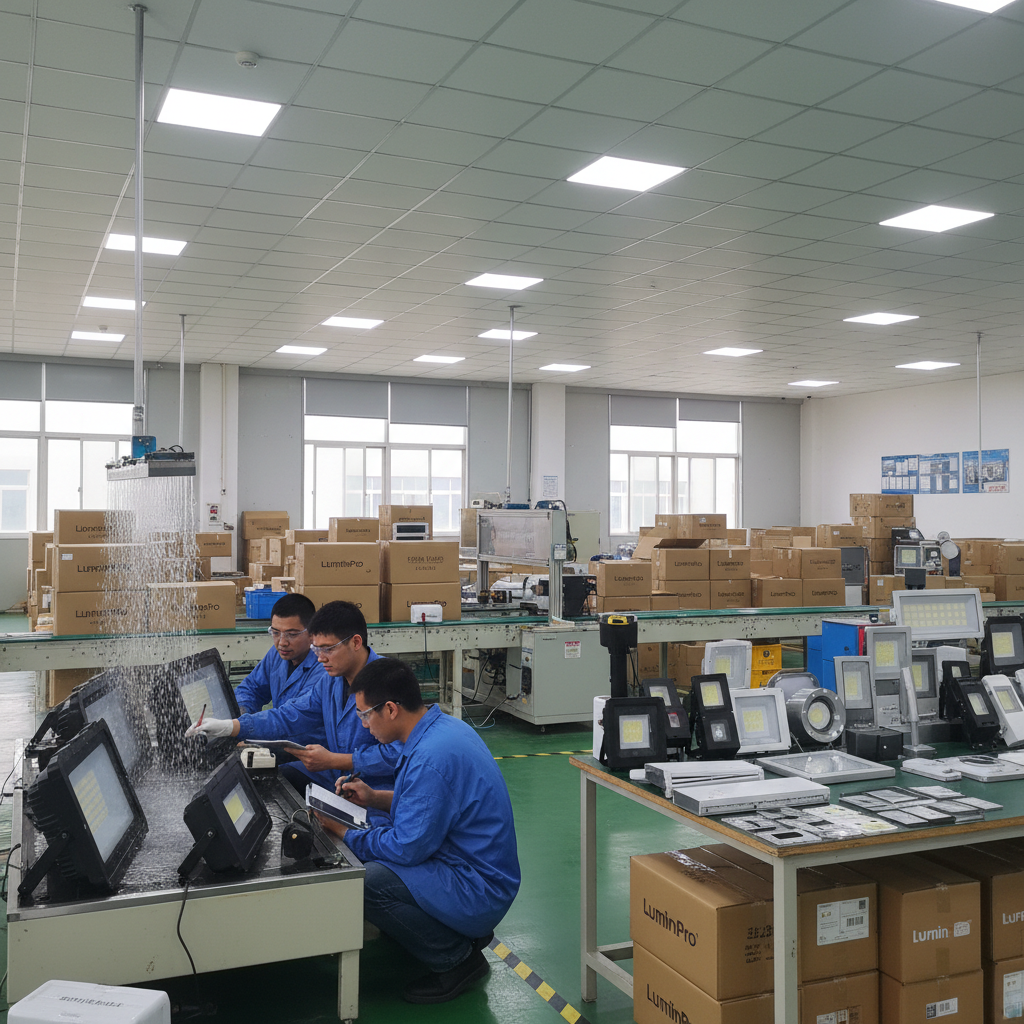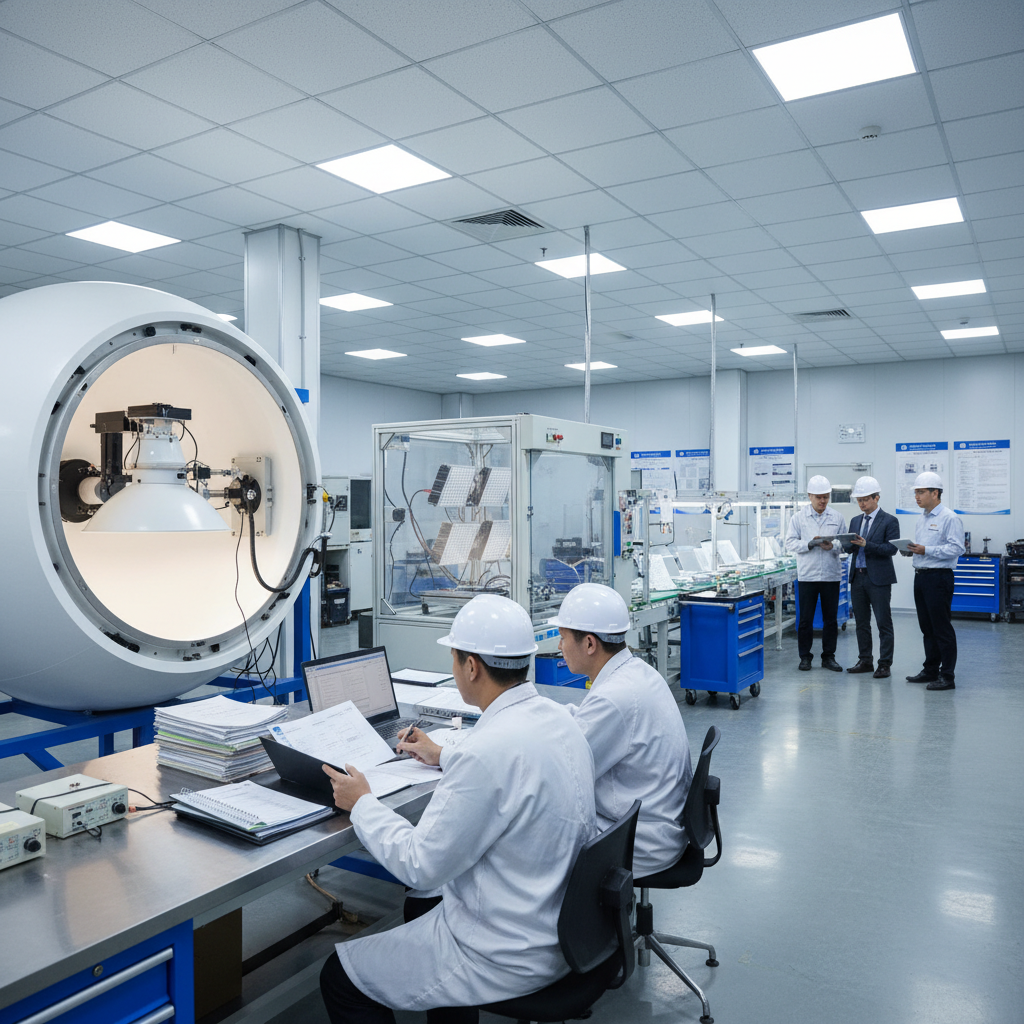

Picture a world where your outdoor spaces are always bright, welcoming, and energy-efficient.
Outdoor LED canopy lights work by using energy-efficient LED technology to provide bright and uniform lighting for overhead spaces like gas stations, parking garages, and commercial entrances. With components such as high-lumen LED chips, heat sinks, and waterproof enclosures, they are designed for durability and energy savings, offering long lifespans and low power consumption compared to traditional lights.
Think back to those late-night gas station stops or navigating a dim parking garage. I’ve often wondered how these spaces could be lit more efficiently without draining resources. That’s where LED canopy lights come in. By using advanced LED technology, they not only save energy but also shine brightly right when you need it, with the capability to adjust brightness according to the time of day or presence of people. This adaptability, combined with their long-lasting nature, means fewer replacements and less hassle. It's like upgrading from a flip phone to a smartphone—once you experience the benefits, there’s no going back.
LED canopy lights offer up to 80% energy savings.True
LED technology is efficient, converting electricity to light with minimal waste.
LED canopy lights have shorter lifespans than traditional lights.False
LED lights are known for their long lifespans, reducing replacement costs.
Why Are LEDs More Efficient Than Traditional Lighting?
Have you ever marveled at how LED lights seem to brighten up your life with such ease and efficiency?
LEDs are more efficient than traditional lighting because they use less power, last longer, and convert energy directly into light with minimal heat waste.

Understanding LED Efficiency
Imagine this: you're sitting in your living room, basking in the glow of your new LED lamp. The light is crisp and clear, and it dawns on you just how much less energy it's using compared to the old incandescent bulb. That’s because LEDs (Light Emitting Diodes) leverage solid-state technology to convert energy more effectively, ensuring that very little is wasted. This high efficiency significantly cuts down on energy consumption.
| Feature | LED Technology | Traditional Lighting |
|---|---|---|
| Energy Consumption | 70-80% less | Higher |
| Lifespan | 50,000+ hours | Shorter |
| Heat Production | Minimal | High |
Components Contributing to Efficiency
I remember the first time I switched to LED lighting in my home office. It was a revelation! Unlike traditional bulbs, LEDs have these smart semiconductor materials that light up instantly with minimal heat. This means they’re not only cooler to touch but also way more energy-efficient. The drivers1 in these LEDs work tirelessly behind the scenes to maintain consistent brightness and longevity.
Applications and Benefits
LEDs are practically everywhere these days, and for good reason. Take outdoor LED canopy lights, for instance; they’re perfect for places like gas stations or parking garages where uniform lighting is crucial. I love how their brightness control2 lets me adjust the light to exactly what I need, saving even more energy in the process.
By incorporating smart systems, LEDs offer unparalleled functionality and help reduce costs. Just think of how integrating smart lighting controls3 can be a game-changer in commercial settings, making everything more sustainable and cost-effective.
Practical Insights
If you’re like me and on the brink of making a switch to LED technology, knowing these benefits can make all the difference. Not only do LEDs slash energy bills, but they also promote a greener planet by cutting down carbon emissions and conserving resources.
LEDs consume 70-80% less energy than traditional lights.True
LEDs are designed to use significantly less energy, enhancing efficiency.
Traditional lights have a longer lifespan than LEDs.False
LEDs typically last over 50,000 hours, much longer than traditional lights.
How Do LED Canopy Lights Enhance Safety in Outdoor Spaces?
Ever felt uneasy walking through a dimly lit parking lot at night? LED canopy lights might just be the game-changer for outdoor safety.
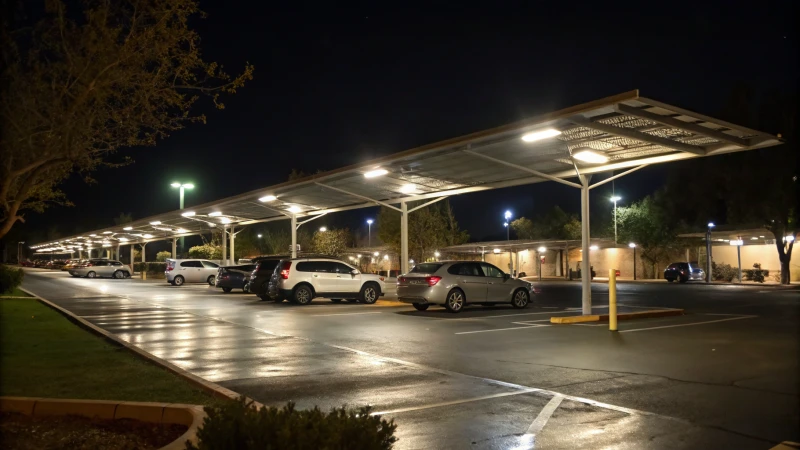
LED canopy lights enhance outdoor safety by delivering bright, consistent illumination that improves visibility and deters crime. Their energy efficiency and low maintenance needs make them perfect for places like parking lots and walkways.
Enhanced Visibility and Crime Deterrence
Picture this: you're leaving the office late at night, and as you step into the parking garage, it feels like you're walking into daylight. That's the power of LED canopy lights! They offer bright, uniform lighting that makes every corner visible, giving you peace of mind as you navigate through. These lights don't just make it easier to see; they actively discourage any shady business by eliminating those dark nooks where trouble might brew. If you've ever worried about safety in dimly lit places like parking garages or gas stations, these are the lights that can put those worries to rest.
| Feature | Benefit |
|---|---|
| Bright, uniform light | Improves visibility |
| Energy-efficient | Lowers operational costs |
| Durable design | Requires less frequent maintenance |
Energy Efficiency and Sustainability
Switching to LED canopy lights isn't just a win for safety—it's a smart move for your wallet and the planet. These lights sip power instead of guzzling it, trimming your electricity bills and lowering your carbon footprint. Imagine the satisfaction of seeing those savings add up while knowing you're doing your part for Mother Earth. Plus, with their long lifespan, you're not constantly climbing ladders to replace bulbs. And thanks to smart systems, these lights can adjust their brightness based on need—perfect for areas that aren't always bustling with activity, like parking lots after hours.
Moreover, the integration of smart systems allows for automatic dimming when full brightness is not necessary, optimizing energy use. This feature is particularly beneficial in places with fluctuating occupancy rates.
Smart Technology Integration
I remember being fascinated by how my friend’s building automatically adjusted lighting as people moved through it. It's almost like the lights knew when you needed them! Modern LED canopy lights can do the same with smart technology that adapts lighting based on movement or time. This not only keeps areas well-lit when necessary but also saves energy. Imagine pulling into a parking garage and having the lights brighten around you, then dim when you leave—it's like having an invisible helper making sure you’re safe and sound.
Learn more about smart control systems4 that optimize energy use efficiency.
| Component | Functionality |
|---|---|
| LED Chips | Provide efficient light output |
| Heat Sinks | Dissipate heat to extend LED lifespan |
| Smart Controls | Adjust brightness automatically based on usage |
LED canopy lights enhance visibility in outdoor spaces.True
LED lights provide bright, uniform illumination, improving visibility.
LED canopy lights increase energy costs significantly.False
LEDs are energy-efficient, reducing electricity costs compared to traditional lighting.
What Are the Key Components of an Outdoor LED Canopy Light?
Ever walked through a dimly lit parking garage and wished for better lighting? Outdoor LED canopy lights are the unsung heroes behind safe and well-lit spaces.
Key components of outdoor LED canopy lights include LED chips for illumination, drivers for power regulation, heat sinks for temperature management, and robust enclosures for protection against environmental elements.

Understanding the Heart: LED Chips
When I think about the core of LED canopy lights, it's the LED chips that come to mind. Imagine them as the heartbeat of the fixture, tirelessly working to deliver bright, energy-efficient illumination. Their ability to emit high-lumen light while conserving energy is a testament to their engineering brilliance. It's like having a tiny sun in each chip, glowing reliably day after day.
Typically, these LED chips5 are engineered to be durable and long-lasting, ensuring minimal replacements over time.
Power Management with Drivers
In my experience, nothing keeps these lights shining bright quite like a good LED driver. Think of drivers as the conductor of an orchestra, ensuring every note (or in this case, every LED chip) plays perfectly. They regulate power, preventing those pesky fluctuations that can shorten the life of the LEDs. This consistency not only keeps the lights from flickering but also ensures they last longer.
| Component | Function | Benefits |
|---|---|---|
| LED Chips | Light Source | High brightness, energy saving |
| Drivers | Power Regulation | Consistent performance |
Heat Sinks: Temperature Regulation
I've learned firsthand the importance of keeping cool under pressure—much like how heat sinks work in these lights. By drawing heat away from the LED chips, heat sinks prevent overheating, ensuring your lights don't dim prematurely. They’re like the unsung coolers at a summer picnic, making sure everything stays fresh and functional.
This temperature management6 not only extends the lifespan of the LEDs but also ensures consistent light quality.
Enclosures and Housing: Protection is Key
Imagine stepping out into a rainstorm without an umbrella—that's what it would be like for LED components without their enclosures. These protective housings are crucial for shielding against weather's whims. With IP65 or IP66 ratings, they're robust enough to withstand rain, dust, and temperature changes.
Enhancing Efficiency with Smart Features
I’ve always been fascinated by smart technology's role in efficiency. Many of these lights come with dimming capabilities and sensors that adjust brightness based on ambient conditions or occupancy. It's like having a personal assistant that anticipates your needs, optimizing energy use and saving costs in the long run.
By integrating smart controls7, these lights can significantly cut down on unnecessary energy consumption.
Applications in Real-world Scenarios
The versatility of outdoor LED canopy lights is something I’ve seen in action in many places:
- Gas Stations: They provide uniform lighting that enhances safety.
- Parking Garages: They ensure consistent lighting while cutting energy use when spaces are empty.
- Commercial Entryways: They offer bright illumination that boosts security and aesthetics.
Understanding these components isn't just about picking the right light—it's about enhancing safety and efficiency in our everyday environments. If you're diving deeper into this world, consult comprehensive guides or manufacturer data sheets for more technical insights.
LED chips in canopy lights are not energy efficient.False
LED chips are designed to conserve energy while providing high-lumen output.
Heat sinks prevent LED chips from overheating.True
Heat sinks draw heat away from LED chips, maintaining safe operating temperatures.
How Can You Maximize the Benefits of LED Canopy Lighting in Your Projects?
Imagine walking through a well-lit space that feels both safe and efficient. That's the magic of LED canopy lighting when done right.
To truly unlock the benefits of LED canopy lighting, focus on high-efficiency fixtures, smart control integration, and strategic placement. These elements drive energy savings, enhance safety, and boost the overall value of your project.

Choosing the Right LED Canopy Lights
I remember the first time I was tasked with selecting LED lights for a project. It felt like being in a candy store but with much higher stakes. The key was to find lights with high lumen output yet low wattage—it's like getting the brightness of a summer day while paying for a cloudy one. Look for those IP65 or IP66 ratings8; they're not just numbers—they're assurances that your lights can weather the storm, quite literally.
| Feature | Importance |
|---|---|
| Lumen Output | Determines brightness level needed for your area |
| Wattage | Lower wattage means more energy efficiency |
| IP Rating | Ensures durability in various weather conditions |
Integrating Smart Lighting Controls
Adding smart controls felt like bringing my lighting project into the future. It's not just about turning lights on and off; it's about creating an experience. Sensors and timers become your unseen helpers—adjusting lighting based on who's around or what time it is, just like having an assistant who dims the lights when you forget.
- Occupancy Sensors: Automatically dim lights when areas are unoccupied.
- Timers: Schedule lighting to match business hours or security needs.
- Remote Controls: Manage lighting settings remotely for convenience.
Strategic Placement and Design
Strategic placement of lights always reminded me of setting up a stage for a performance. You want every corner to have its spotlight without overshadowing the main event. It's about achieving that perfect balance where light enhances every feature—like using reflective surfaces9 to add a touch of drama without adding more lights.
- Uniform Distribution: Ensures even lighting across spaces like parking lots.
- Reduced Glare: Improves visual comfort for users and enhances safety.
Cost-Benefit Analysis
When it comes to budget talks, nothing beats a good old cost-benefit analysis. It's like having a financial map showing where every penny goes and what it returns. Calculate potential savings from reduced energy usage against initial setup costs, keeping in mind the long lifespan of LEDs which saves on maintenance too.
| Expense Type | Estimated Savings |
|---|---|
| Energy Costs | Up to 70-80% savings compared to conventional lights |
| Maintenance Costs | Reduced due to extended lifespan of LEDs |
Exploring Innovative Technologies
Staying updated with the latest in LED technologies felt like being a kid with a new gadget every season. Features like color tuning and smart integration with building management systems can transform a simple lighting project into something extraordinary. Explore products offering advanced features10 that align perfectly with your project's unique needs, making every investment worthwhile.
LED canopy lights with high lumen output save energy.True
High lumen output ensures brightness, while low wattage enhances efficiency.
Smart lighting controls increase energy consumption.False
Smart controls reduce energy use by adjusting lighting based on need.
Conclusion
Outdoor LED canopy lights enhance efficiency by providing bright illumination with up to 80% energy savings, long lifespans, and smart controls, making them ideal for safety and cost reduction.
Discover how LED drivers maintain consistent brightness and extend the lifespan of LED lights. ↩
Explore how brightness control in LED systems aids in energy optimization. ↩
Understand how smart lighting systems enhance efficiency and reduce operational costs. ↩
Find out how smart controls can optimize energy use in LED lighting systems. ↩
Learn how high-lumen LED chips enhance brightness while conserving energy in outdoor lighting applications. ↩
Discover the importance of heat sinks in extending the lifespan and efficiency of LED lights. ↩
Understand how smart control systems improve energy efficiency and functionality in LED lighting. ↩
Learn about the significance of IP ratings for ensuring durability in outdoor environments. ↩
Discover how reflective surfaces can enhance lighting effectiveness and reduce energy needs. ↩
Explore cutting-edge features that enhance the performance of LED canopy lights. ↩