
Do you want a home that feels warm and welcoming? Let's see how the right lights really change a room!
Mood lighting offers numerous benefits, including enhanced ambiance, improved productivity, and well-being, energy efficiency, and cost savings. In commercial spaces, mood lighting can boost customer experience and brand perception, leading to higher sales and engagement. Additionally, customizable smart lighting systems allow businesses to create versatile environments suited for various tasks or events, making mood lighting an effective tool for both comfort and functionality.
I remember when I chose to change my living room with mood lighting. The change amazed me! I adjusted the light's brightness and color. This alone transformed my space into a peaceful paradise. It was perfect for relaxing after a long day. Warm, soft lights created cozy evenings. Brighter colors helped with focused work sessions. The right lighting really changes the mood. Light truly affects our feelings and productivity in surprising ways.
Mood lighting improves emotional well-being in spaces.True
Studies show that appropriate lighting can positively influence mood and emotional states, enhancing overall well-being.
All lighting types can create a mood in any space.False
Not all lighting types are effective for mood enhancement; specific colors and intensities are needed for desired atmospheres.
How Does Mood Lighting Impact Our Emotions?
Have you ever entered a room and quickly felt a specific emotion, like peace or energy? Lighting often holds the secret! Let's explore how mood lighting affects our feelings and actions in daily life.
Mood lighting greatly affects how we feel by changing our emotions with color and intensity. People probably feel different when lighting changes. This knowledge helps create spaces that support happiness and calmness. Homes and commercial places need such lighting. It contributes to general well-being. It might also improve productivity. Mood lighting is powerful in shaping emotions.
The Impact of Light on Mood
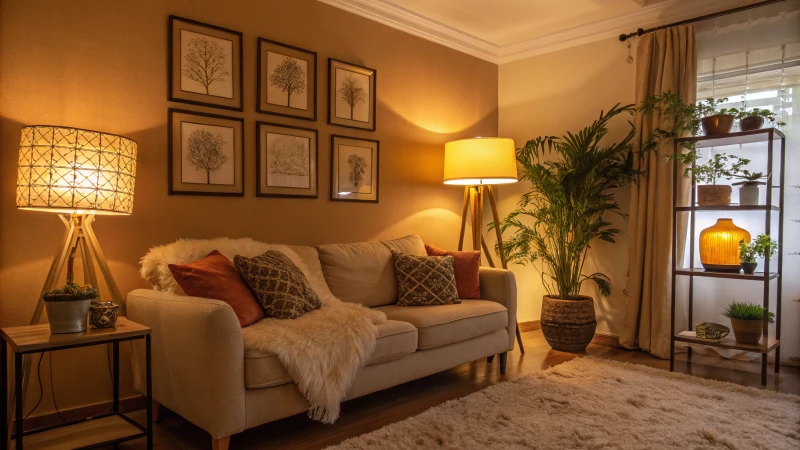
When I first began to observe how light changes my mood, it was like a light bulb switched on! I noticed something interesting. Warm, cozy lights in the evening helped my stress disappear. They really allowed me to relax after a long day. Bright white lights in the morning lifted my motivation. They inspired me to approach tasks with enthusiasm. It's fascinating how something as simple as light becomes part of our emotions. Light is truly powerful in influencing our feelings!
The Role of Color in Mood Lighting
Colors in lighting play a significant role in influencing mood and emotions. For example, warm colors like red and orange can evoke feelings of warmth and comfort, while cool colors like blue and green can promote calmness and relaxation.
Research shows that specific colors can trigger different emotional responses. For instance, red light1 has been linked to increased heart rates and feelings of excitement, whereas blue light2 is known for its calming effects.
| Color | Emotional Effect |
|---|---|
| Red | Excitement, energy |
| Blue | Calmness, tranquility |
| Green | Balance, harmony |
| Yellow | Happiness, optimism |
The Psychological Impact of Lighting Intensity
The intensity of light can also significantly impact psychological states. Bright lighting can energize a space and encourage activity, while dim lighting can create a sense of intimacy or relaxation. This can be particularly beneficial in environments like restaurants or theaters, where ambiance is essential.
Studies indicate that exposure to brighter light can enhance alertness and mood, while softer lighting can reduce stress and anxiety levels. For example, studies on lighting intensity3 show that offices with adjustable lighting systems report higher employee satisfaction and productivity levels.
Circadian Rhythms and Mood Lighting
Mood lighting can also influence circadian rhythms—the natural internal process that regulates the sleep-wake cycle. Human-centric lighting systems are designed to mimic the natural progression of daylight, which can positively affect mental well-being by promoting better sleep patterns and increased productivity during waking hours.
Adopting a circadian lighting strategy4 can enhance focus during work hours while facilitating relaxation in the evening, demonstrating how strategic use of lighting can align with our biological needs.
Environmental Context Matters
The psychological effects of mood lighting are not just about color and intensity; the context in which lighting is used is equally important. For example, how light interacts with furniture, wall colors, and decor can alter its perceived effects on mood. In commercial spaces like hotels and restaurants, tailored lighting can enhance the customer experience significantly.
A well-designed lighting scheme can influence consumer behavior by creating a welcoming atmosphere or showcasing products effectively. Consider exploring how lighting design affects retail5 environments to understand its broader implications.
Conclusion: A Multi-Faceted Approach to Mood Enhancement
Ultimately, understanding the psychological effects of mood lighting requires a multi-faceted approach. Factors such as color, intensity, context, and even the biological aspects of human perception play critical roles in how we experience our environments. By leveraging these elements thoughtfully, one can create spaces that foster positive emotional responses and enhance overall well-being.
Warm colors in lighting evoke feelings of warmth and comfort.True
Research shows that warm colors like red and orange create a cozy atmosphere, enhancing comfort levels.
Dim lighting reduces stress and anxiety levels effectively.True
Studies indicate that softer lighting can significantly lower stress, promoting relaxation and calmness in various settings.
How Can You Choose the Right Color Temperature for Each Room?
Selecting the best color temperature for each room really transforms your home. It creates a particular mood in each area. It also improves how rooms function. Let's embark on this bright journey together!
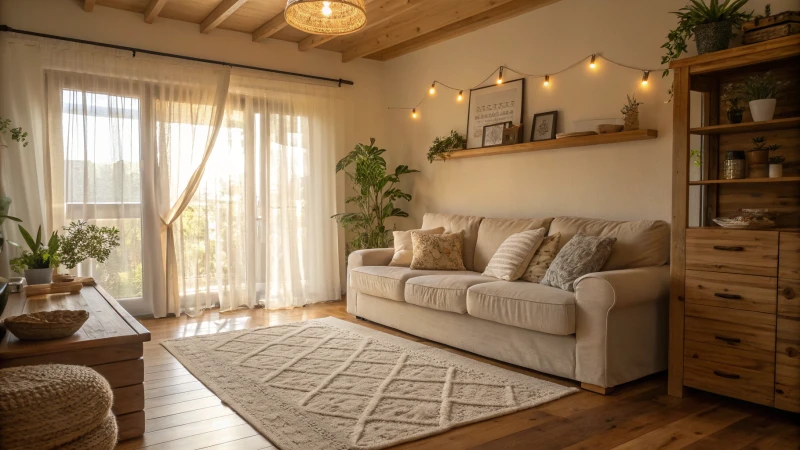
Selecting the right color temperature depends on the room's purpose. Warm light (2700K-3000K) suits living rooms and bedrooms. Cooler light (3500K-4100K) is very effective in kitchens and bathrooms. Cooler light, in fact, works great in these spaces.
Understanding Color Temperature
Color temperature, measured in Kelvin (K), determines the warmth or coolness of light emitted by a bulb. It ranges from warm yellow hues (below 3000K) to cool bluish tones (above 5000K).
Choosing the right color temperature can significantly affect the mood and functionality of each room. For instance, a cozy living room might benefit from a warm color temperature, while a kitchen may require a cooler, more energizing light.
Recommended Color Temperatures for Different Rooms
| Room Type | Recommended Color Temperature | Effect on Mood |
|---|---|---|
| Living Room | 2700K - 3000K | Creates a warm, inviting atmosphere. Perfect for relaxation and socializing. |
| Kitchen | 3500K - 4100K | Bright and energizing, enhances visibility while cooking. |
| Bedroom | 2200K - 2700K | Soft and warm light promotes relaxation and better sleep. |
| Bathroom | 3000K - 4000K | Bright, clean light for grooming tasks. |
| Dining Room | 2700K - 3500K | Warm tones enhance the dining experience, making meals feel more inviting. |
Practical Tips for Selecting Lighting
- Consider Activities: Think about what you do in each room. A cozy corner for reading needs brighter lights while bedrooms need soft lights for relaxation.
- Layer Your Lighting: Use a combination of ambient, task, and accent lighting to achieve versatility in each space. Learn more about lighting layers6.
- Test Different Bulbs: Before making a purchase, test various bulbs to see how they look in your space. Store lighting differs from home lighting; I once chose bulbs that seemed fine in the store but felt harsh at home.
Impact of Color Temperature on Energy Levels
Cooler light temperatures (above 5000K) can enhance alertness and energy, making them ideal for workspaces. In contrast, warmer temperatures are associated with calmness and relaxation. For instance:
- In Workspaces: Cooler temperatures can boost productivity and focus.
- In Living Spaces: Warmer temperatures foster comfort and relaxation.
By understanding these effects, you can tailor your lighting choices to suit your lifestyle needs and preferences.
Final Thoughts on Choosing Color Temperature
Selecting the right color temperature for each room enhances both functionality and ambiance. Make informed choices based on activities and desired moods to create a harmonious living environment. For more detailed guidelines on lighting design, check out this helpful resource.
Warm light is best for living rooms and bedrooms.True
Warm light (2700K-3000K) enhances relaxation and comfort, making it ideal for living rooms and bedrooms.
Cooler light improves productivity in workspaces.True
Cooler light temperatures (above 5000K) boost alertness and energy, enhancing focus and productivity in work environments.
How Can You Effectively Implement Mood Lighting in Your Space?
Turning your home or workspace into a warm and welcoming place is simpler than you believe. I want to offer practical tips and personal insights. These will help you learn the art of mood lighting.
To implement mood lighting well, understand light temperature and its effect on emotions. Pick LED bulbs because they use less energy. Use different types of lighting꞉ ambient for general light, task for specific activities and accent for highlighting areas. Smart systems add ease to lighting use. Experiment with colors to influence feelings. Consider dimming options for flexibility. Personalize your space to match your style and taste.

Creating the Right Feeling with Mood Lighting
Creating the right feeling with mood lighting involves more than just turning on a light. Different lights really influence our feelings and experiences. The first time I experimented with lighting, I wanted warmth and welcome in my living room. This was especially true for cozy evenings with friends. I quickly realized that the right lighting can truly transform everything!
Understand the Basics of Mood Lighting
Understanding the basics is important. At first, I was amazed by how light could change an entire mood. Different light temperatures can evoke different emotions:
- Warm light (below 3000K) wraps you in coziness.
- Cool light (above 5000K) energizes you.
Utilizing these principles allows you to tailor the ambiance according to your needs, whether it’s relaxation, focus, or entertainment.
Choose the Right Fixtures and Bulbs
| Selecting suitable fixtures and bulbs changed everything for me. I chose LED bulbs for their flexibility and energy efficiency. They last longer and provide various color temperatures. Below is a comparison of common bulb types: | Bulb Type | Lifespan | Energy Use | Color Options |
|---|---|---|---|---|
| Incandescent | 1,000 hours | High | Limited | |
| CFL | 10,000 hours | Medium | Limited | |
| LED | 25,000 hours | Low | Wide |
Using LED lights really reduced my electricity bill while allowing me to experiment with colors and brightness levels - what a discovery!
Layer Your Lighting
Layering different types of lighting became a favorite trick of mine. Creating depth in your lighting design involves layering different types of lighting:
- Ambient Lighting: Provides overall illumination (e.g., ceiling lights).
- Task Lighting: Focuses on specific areas (e.g., desk lamps).
- Accent Lighting: Highlights features (e.g., wall sconces).
This layered approach creates a versatile atmosphere, allowing you to adjust the mood easily based on your activities or time of day.
This allows a seamless shift from bright during the day to soft and romantic at night.
Utilize Smart Lighting Systems
Smart lighting truly changed my daily routine! Smart systems offer different moods for various activities. These systems allow you to program lighting scenarios that adapt to your routines. Consider these benefits:
- Remote Control: Lights adjust from anywhere.
- Automated Scenes: Moods set for different activities.
- Energy Savings: Schedules optimize usage.
Explore options like smart lighting solutions7 that integrate seamlessly with your lifestyle!
It's almost like walking into a room that knows what you need!
Experiment with Colors
Color experimentation has been extremely fun! Each color brings its own energy. Here are some color ideas:
- Blue: Soothes and calms.
- Green: Brings peace and nature.
- Red: Adds warmth and intimacy.
Utilizing color psychology has helped me create spaces that match my feelings, making it feel more tailored to my needs.
Consider Dimming Options
| Dimming lights mightfully affect room mood. During my first movie night with dimmed lights, the feeling was incredibly immersive! Many LED lights dim or pair with dimmer switches. Here’s how dimming affects different spaces: | Space | Ideal Brightness Level | Dimming Benefits |
|---|---|---|---|
| Living Room | 40%-60% | Creates a cozy environment | |
| Bedroom | 20%-40% | Aids in relaxation | |
| Kitchen | 70%-100% | Enhances visibility for tasks |
Adjusting brightness for activities makes my home comfortable in a wonderful way!
Personalize Your Space
Mood lighting is mainly about you! It should show your style. I included unique fixtures that match my aesthetic - each tells a story and adds personality. Transforming your space into a personalized haven will not only improve its ambiance but also enhance your overall well-being! Think of adjustable settings or DIY options that suit your taste; my quirky lamp from a flea market trip made my space feel like home.
Creating an ambiance is art and it's personal. For more tips on creating the perfect atmosphere, check out lighting design resources8 with expert advice tailored to your needs.
Warm light creates a cozy atmosphere in any space.True
Warm light, below 3000K, is known to evoke feelings of comfort and relaxation, making spaces feel inviting.
Smart lighting systems can enhance mood lighting experiences.True
Smart lighting allows for programmable settings and remote control, improving ambiance and convenience in mood lighting.
How Does Mood Lighting Impact Productivity and Well-Being?
Have you ever noticed how different lighting affects you? I certainly have. Let's explore the fascinating world of mood lighting. It has remarkable effects on our productivity and well-being.
Mood lighting greatly affects productivity and well-being. It creates special atmospheres. These atmospheres help focus. They also lower tiredness and benefit mental health. Natural light simulation plays a key role in this.
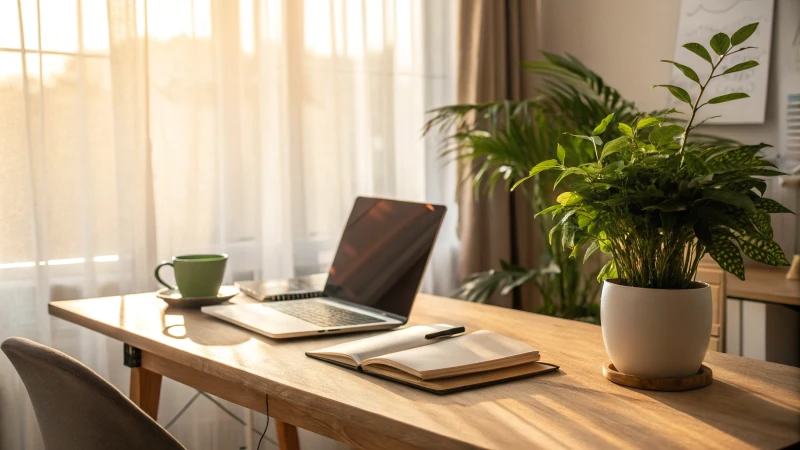
Enhanced Ambiance and Atmosphere
Mood lighting does more than just brighten a space. It creates a feeling that lifts our spirits or helps focus our minds. I remember entering a cozy café with warm, soft lights. Those lights felt like a comforting hug around me. The place felt welcoming, inviting me to settle in with my book.
On the other side, consider the bright, cool lights in a busy office. Perfect for keeping us awake and productive. Adjusting the light's intensity and color sets the scene for specific emotions. Warm tones create friendly atmospheres in places like restaurants, while cooler tones help people focus in workplaces.
To understand this better, consider a study on lighting effects9 which highlights how color temperature affects mood.
Improved Productivity and Well-Being
Proper lighting really changes productivity levels. Human-centric lighting mimics natural sunlight and syncs with our body’s rhythms. I remember switching my home office lighting to such a system that allowed daylight simulation. The change surprised me! Focus improved and I felt less tired at day’s end.
| Lighting Type | Benefits | Ideal Usage |
|---|---|---|
| Warm Light | Calming and cozy | Relaxation areas |
| Cool Light | Increases alertness | Workspaces, study areas |
| Dynamic Lighting | Adaptable to tasks | Multi-purpose environments |
Organizations that want to lift employee morale and output might consider implementing these systems. If curious about lighting's impact on work performance, check out how lighting affects work performance10.
Energy Efficiency and Cost Savings
One great thing about mood lighting is its energy efficiency. LED systems not only look good but also cut energy use significantly compared to traditional methods, saving money over time.
| Light Source | Energy Consumption | Lifespan |
|---|---|---|
| Incandescent Bulb | High | 1,000 hours |
| Fluorescent Bulb | Moderate | 7,000 hours |
| LED | Low | 25,000 hours |
Using energy-efficient solutions from leading LED suppliers11 supports sustainable practices while saving money. It’s a win-win situation!
Increased Customer Experience and Brand Perception
Mood lighting influences customer behavior significantly. I saw this in a restaurant where the lighting felt appetizing and inviting. Proper lighting improves product displays and builds a positive brand image.
A well-lit menu board caught my eye; it made me curious about new dishes to try. A study on consumer behavior12 shows that good lighting creates an atmosphere that connects with customers, turning casual visitors into loyal patrons.
Versatility and Customization
Modern mood lighting systems excite me with their versatility. Smart or tunable LED lights let us adjust settings based on activities or mood—whether reading a novel or hosting friends—these lights quickly change the room's ambiance.
I’ve seen this flexibility in conference rooms where the lighting shifts from bright for presentations to soft for brainstorming sessions. To learn more about these advanced technologies, take a look at the latest in smart lighting solutions13.
Mood lighting can enhance workplace productivity.True
Studies indicate that mood lighting improves focus and reduces fatigue, leading to higher productivity levels in work environments.
LED lighting consumes more energy than incandescent bulbs.False
Contrary to this claim, LED lights consume significantly less energy than traditional incandescent bulbs, making them more efficient.
Conclusion
Explore how mood lighting transforms environments, enhancing emotional well-being and productivity through tailored color and intensity adjustments.
This link will provide you with insights into how different colors affect mood, enhancing your understanding of psychological responses to lighting. ↩
Discover how different light intensities influence psychological states and productivity in various settings by following this link. ↩
Learn more about circadian rhythms and their relation to mood lighting by clicking this link for valuable research findings. ↩
This resource discusses how lighting design influences consumer behavior in retail settings, which may inform your understanding of environmental psychology. ↩
Explore how ambiance created by lighting affects customer experiences in hospitality settings by following this link. ↩
Discover specific tips for selecting color temperatures in your home to enhance ambiance and functionality. ↩
Explore expert resources on mood lighting techniques that can transform your space into an inviting haven. ↩
Discover innovative smart lighting solutions that enhance ambiance and save energy in your living spaces. ↩
Discover how mood lighting can enhance productivity and well-being in various settings. ↩
Learn more about the benefits of human-centric lighting on workplace performance. ↩
Find out how energy-efficient lighting can save costs while improving ambiance. ↩
Explore how strategic lighting can enhance customer experiences and brand perception. ↩
Understand how customizable lighting systems can improve user experience in different environments. ↩