
Choosing the right track lighting can feel like picking between two great movies.
Magnetic track lights are perfect for spaces that need frequent changes, offering more flexibility and easier installation than regular track lights. Regular track lights, while sturdy, often require more effort to install and adjust, making them less suited for dynamic environments.
I remember walking through a retail store and being amazed at how effortlessly the lights seemed to dance around, highlighting different displays each time I visited. This was my first real-world encounter with magnetic track lighting. It hit me then how these lights could be a game-changer for spaces where flexibility is key.
Traditional track lights, on the other hand, remind me of my own DIY project fiasco—lots of planning, drilling, and a little too much sweat. They're reliable once set up but not something you want to rearrange every other week.
Diving deeper into this choice means considering more than just initial costs or ease of setup. It's about envisioning the future of your space—will it need frequent updates or remain constant? Understanding these nuances helps in making a well-rounded decision.
Magnetic track lights are easier to install than regular ones.True
Magnetic track lights require less labor and tools, making installation simpler.
Regular track lights offer more flexibility than magnetic ones.False
Magnetic track lights are more adaptable, allowing easy repositioning and adjustments.
What Makes Magnetic Track Lights Different from Regular Track Lights?
Ever wondered how magnetic track lights stack up against the regular ones? Dive into a world where installation is a breeze, flexibility reigns, and benefits are long-lasting.
Magnetic track lights offer a unique advantage by using magnets for easy repositioning without any tools, contrasting with regular track lights which require fixed installations and limit flexibility, making magnetic options superior for dynamic environments.
Installation and Setup
Imagine setting up a new retail space where the lighting needs to change as often as the window displays. Magnetic track lights have become a game-changer for me, thanks to their magnetic connection1 system. These lights allow me to adjust fixtures effortlessly, without needing any tools. Just last month, I was working on an art gallery project where this feature saved us countless hours and reduced labor costs significantly.
In contrast, regular track lights remind me of an old project where we had to hire specialists just for fixture alignment. The process was tedious and time-consuming, adding to our labor costs and extending the timeline.
| Feature | Magnetic Track Lights | Regular Track Lights |
|---|---|---|
| Installation Ease | Quick & tool-free | Requires tools |
| Flexibility | Highly adjustable | Fixed positions |
Flexibility and Versatility
The ease with which I can reposition magnetic track lights without worrying about rewiring is nothing short of revolutionary. In dynamic spaces like retail stores, where product displays change frequently, these lights have proven invaluable. I recall a particular store launch where last-minute changes were needed; with magnetic lights, it was a stress-free experience.
On the other hand, regular track lights seem to chain me down with their rigidity. I remember a situation where moving a single light required an entire day's work and additional labor expenses—something I’m keen to avoid in future projects.
Cost Implications
Though magnetic track lights might initially seem expensive due to their advanced technology, they offer substantial savings in the long run. Their ease of installation and maintenance results in lower ongoing costs. Plus, their reconfigurability ensures a better ROI as my clients' needs evolve.
With regular track lights, I learned the hard way that what appears cheaper upfront can end up costing more due to installation hassles and potential upgrades. It’s a classic case of "you get what you pay for," and in this instance, paying more initially for magnetic options has consistently paid off.
Safety and Durability
Safety is paramount in any project I undertake. Magnetic track systems not only hold fixtures securely but also allow for safe adjustments. This reduces the chance of accidents during reconfiguration—a critical consideration in busy environments.
While traditional track lighting is stable once installed, I’ve found that frequent adjustments can lead to wear and tear. Over time, this impacts both safety and durability, especially in spaces that require regular updates.
For those interested in more details about safety features2 that make magnetic systems a reliable choice, there's plenty of information available that highlights why these systems are favored in modern applications.
Magnetic track lights reduce installation labor costs.True
Their tool-free setup allows quick installation, saving labor costs.
Regular track lights offer more flexibility than magnetic ones.False
Magnetic lights are more flexible, allowing easy repositioning without tools.
What Are the Installation Differences Between Magnetic and Regular Track Lights?
Ever tried installing lights and wondered why it feels like piecing together a jigsaw puzzle? Well, let's dive into how magnetic and regular track lights differ and why one might just be the perfect fit for you.
Magnetic track lights offer a hassle-free installation with snap-on fixtures that reduce labor and allow easy repositioning. In contrast, regular track lights need careful fixture placement and wiring, which can increase labor and complexity.
Installation Flexibility
Magnetic Track Lights
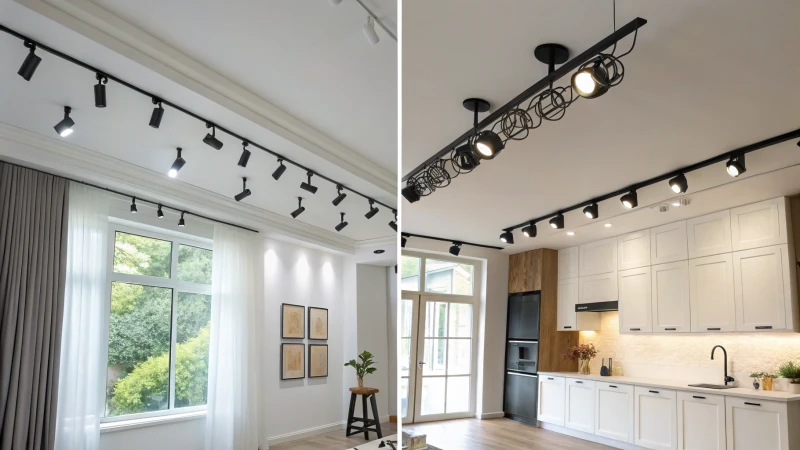
Have you ever found yourself adjusting lights over and over again until they finally look just right? That's where magnetic track lights come in handy. Their versatile installation3 process means you can simply snap fixtures onto the track without any tools. It's like playing with Lego blocks but for grown-ups! This flexibility is perfect for places like art galleries or retail spaces where the ambiance needs to change with the seasons—or even with your mood.
Regular Track Lights
On the flip side, regular track lights are a bit more of a commitment. Once they're in place, moving them around isn't so simple. These lights require precise wiring directly into the tracks, making installation a task best left to professionals. If you've ever spent time on a DIY project that ended up being more complex than anticipated, you'll appreciate having an expert handle these.
Labor and Maintenance Costs
| Feature | Magnetic Track Lights | Regular Track Lights |
|---|---|---|
| Installation Time | Quick snap-on fixtures reduce time | Longer due to wiring and precise placement |
| Maintenance | Minimal, due to easy access and reconfiguration | Potentially high, especially if repositioning |
| Required Expertise | Low, fewer tools needed | High, requires skilled labor |
With magnetic track lights, you save not only on installation time but also on costs. They practically beg you to do it yourself, needing minimal tools or expertise. But for those of us who prefer to let others handle the nitty-gritty details, regular track lights, while more complex, offer a certain peace of mind knowing everything is securely wired in place.
Cost Implications
Upfront Costs
When I first considered lighting options, I was a bit put off by the initial price tag of magnetic track lights. But then I remembered the numerous times I've had to reconfigure my space—it's like they were made for people who can't stop rearranging furniture. The long-term savings on installation and maintenance start to make sense when you think about all the changes they accommodate with ease.
Long-Term Investment
Regular track lights might seem appealing due to their lower upfront cost. However, their lack of flexibility can lead to hefty expenses down the road, especially if you ever need to rewire or upgrade your setup.
Design Flexibility
Magnetic Track Lights
For me, design is all about adaptability. Magnetic systems offer this in spades, with configurations that can transform a room’s aesthetics effortlessly. They're ideal if you’re chasing modern designs or just want the freedom to switch things up whenever inspiration strikes.
Regular Track Lights
Traditional track lights might not offer the same level of flexibility, but they are reliable. If your lighting needs are stable and predictable, they’re a solid choice. However, in today’s dynamic world where change is constant, having that extra bit of adaptability can be invaluable.
Understanding these installation differences4 helps you make informed decisions for your specific needs, ensuring your lighting installations not only meet current requirements but are ready for future changes as well.
Magnetic track lights need skilled electricians for installation.False
Magnetic track lights require minimal expertise for installation.
Regular track lights offer more design flexibility than magnetic ones.False
Magnetic track lights provide greater design flexibility.
Which Type of Track Lighting Offers Better Long-Term Value?
Ever wondered which track lighting really gives you the best bang for your buck? Dive in as we unravel the contenders to help you light up your space wisely!
Magnetic track lighting shines as the champion of long-term value, thanks to its flexibility, lower upkeep, and adaptability to evolving design trends, offering more significant returns despite a heftier initial outlay.

I remember the time I first faced the daunting task of choosing track lighting for a renovation project. I was torn between traditional systems, which seemed like a safe bet with their lower upfront costs, and magnetic track lighting, which promised flexibility and future-proofing.
Analyzing Magnetic Track Lighting
What ultimately swayed me was the versatility of magnetic track lighting. It was like having a Swiss Army knife for my ceiling. Moving fixtures around became a breeze, something I valued immensely when we had to tweak designs on the fly. The sheer ease of installation—just snap and go—cut down on labor time significantly. I found myself smiling, thinking about how much hassle and money I was saving compared to the old days of painstakingly repositioning traditional tracks.
| Feature | Magnetic Track Lights | Traditional Track Lights |
|---|---|---|
| Flexibility | High | Low |
| Installation Time | Short | Long |
| Maintenance Cost | Low | High |
In dynamic settings like retail spaces, where changing displays is part of the game, magnetic tracks have been a godsend. I've seen firsthand how they allow for rapid adjustments without having to call in specialized labor every time we wanted to shift the spotlight.
Exploring Traditional Track Lighting
Conversely, traditional track lighting felt like trying to fit a square peg into a round hole whenever we had to adapt. While it seemed less costly at first glance, the headaches and additional expenses from repositioning5 or rewiring quickly piled up. These systems just couldn’t keep pace with new tech or style shifts, leading to missed opportunities for cost savings down the line.
Moreover, traditional systems tend to lag in adopting new technologies compared to their magnetic counterparts, which can easily integrate with smart controls. This lack of adaptability can lead to increased operational costs over time.
Considerations for Long-Term Value
When I think about long-term value now, I always weigh in aspects like maintenance ease, adaptability to updates, and keeping up with modern design trends6. Magnetic systems just tick more boxes—they’re modular and align well with eco-conscious goals, offering an eco-friendly solution7 that doesn’t compromise on style or functionality.
In the end, even though magnetic track lighting requires a bit more cash upfront, it’s paid off in spades through operational savings and design flexibility. It's like investing in a reliable partner that grows with your needs. Understanding these nuances helps craft a lighting strategy that's both savvy and sustainable.
Magnetic track lighting is more flexible than traditional.True
Magnetic systems allow easy repositioning, unlike traditional ones.
Traditional track lighting has lower initial costs than magnetic.True
Traditional systems are cheaper upfront but costlier long-term.
How Are Market Trends Shaping the Future of Track Lighting?
Ever wondered how the lights above your head are changing with the times?
Market trends are shaping the future of track lighting by emphasizing smart technology, flexibility, and energy efficiency. This evolution is driven by the increasing demand for adaptable lighting solutions in modern design projects.
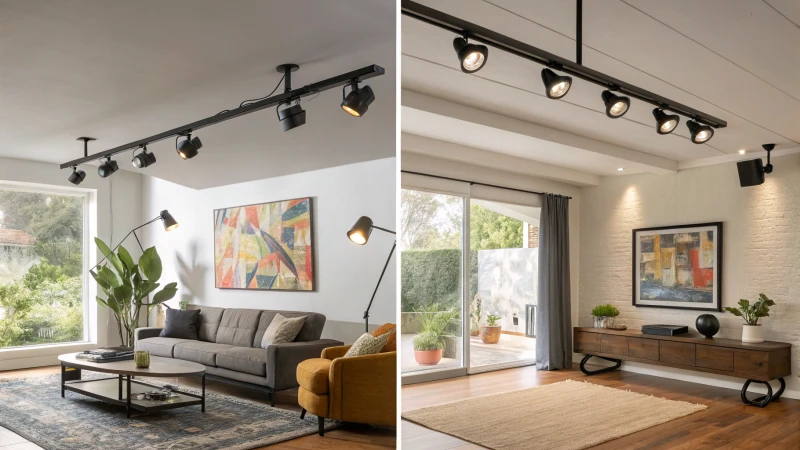
%[A contemporary living room with track lighting and minimalist furniture]
Let me take you on a little journey into the world of track lighting—a field that's surprisingly buzzing with innovation! As I’ve dived into this market, it’s become clear that track lighting is not just about illuminating spaces; it’s about integrating technology, flexibility, and sustainability.
Smart Technology Integration
Imagine walking into a room and your lights automatically adjust to your presence, mood, or even the time of day. That’s the magic of smart homes and offices, which have completely revolutionized track lighting design. I’ve seen advanced smart lighting systems8 that sync seamlessly with home automation setups. Picture this: controlling your lighting through a smartphone app or just by saying "dim the lights"—it's like living in a sci-fi movie! This evolution not only caters to tech enthusiasts but also makes everyday life more convenient while keeping energy bills in check.
Flexibility and Design Adaptability
If you’ve ever had to rearrange furniture or revamp a retail space, you’ll appreciate the brilliance of modern track lighting. It’s all about flexibility now. These systems allow you to reposition lights without the hassle of rewiring, which was always such a headache in traditional setups. Take magnetic track lights, for instance—they’re a game-changer. I remember setting up a gallery exhibit and needing to tweak the lighting for different artworks. With magnetic tracks, it was as easy as moving magnets on a fridge.
| Type | Initial Cost | Maintenance | Flexibility |
|---|---|---|---|
| Magnetic Track Lights | High | Low | High |
| Traditional Track Lights | Low | High | Low |
Energy Efficiency and Sustainability
With climate change on everyone’s mind, energy efficiency isn’t just a trend—it’s a necessity. LED technology is leading the charge here, given its minimal energy use and impressive lifespan. As regulations tighten around emissions, I’ve noticed more manufacturers focusing on sustainability9, offering eco-friendly solutions that make you feel good about your choices while saving money in the long run.
Market Demand Shifts
I’ve observed an interesting shift towards lighting solutions that are not only energy-efficient but also versatile. Whether it’s a cozy home setting or a bustling office, people want systems that adapt seamlessly to their environments. Businesses, particularly those focused on sustainability and cost-effectiveness, are opting for track lighting that integrates with energy management systems.
The Role of Aesthetics
Who says functional can’t be beautiful? There’s a growing trend of incorporating aesthetics into track lighting designs. Sleek and minimalist styles are all the rage now, perfectly complementing modern architecture. I recall working with an interior designer who stressed how the right lighting could transform a space's ambiance.
These trends suggest that track lighting isn’t just keeping up with consumer demands for smarter, more flexible options—it’s leading the way. By understanding these shifts, I can better guide decisions in product development and project execution, ensuring that we meet our customers’ needs while staying ahead in this dynamic market.
Smart lighting systems integrate with smartphones.True
Smart lighting systems allow control via smartphones, enhancing convenience.
Magnetic track lights have low initial costs.False
Magnetic track lights have a high initial cost but offer flexibility.
Conclusion
Magnetic track lights offer superior flexibility and easier installation compared to regular track lights, making them ideal for dynamic spaces that require frequent adjustments and cost-effective long-term solutions.
This link offers a detailed explanation of the magnetic mechanism used in track lights, enhancing your understanding of their innovative technology. ↩
Learn about the safety aspects of magnetic track systems, ensuring secure and reliable lighting solutions. ↩
Explore the detailed magnetic track light installation guide to understand the ease and flexibility it offers. ↩
Discover comprehensive insights into how these lighting systems differ in functionality and application. ↩
Discover how traditional track lighting systems can complicate repositioning, increasing project expenses. ↩
Understand how modern design trends influence the choice of track lighting systems. ↩
Learn about the environmental benefits associated with using magnetic track lighting systems. ↩
Explore how smart technology integration enhances modern lighting systems' functionality and convenience. ↩
Learn about the significance of sustainability in contemporary lighting solutions amid environmental challenges. ↩