
Ever wondered how long your LED strip lights can brighten up your space?
LED strip lights typically last 50,000 to 100,000 hours depending on factors like component quality, heat management, and environmental conditions. Premium quality components, proper heat dissipation, and stable operational environments can extend lifespan. Always consider manufacturer ratings and certifications for long-term performance.
Knowing the typical lifespan is just scratching the surface. Have you ever noticed how the quality of components, like those little resistors and drivers, can make all the difference? In my experience, opting for certified products ensures better longevity. And let’s not forget about heat management! Properly mounted lights with good heat sinks are crucial. It’s a bit like keeping a cool head in a heated situation—always a good idea. So, understanding these factors can help you get the most out of your LED strip lights.
LED strip lights last longer than incandescent bulbs.True
LEDs last 50,000-100,000 hours, longer than incandescent bulbs.
Proper heat management shortens LED strip light lifespan.False
Proper heat management extends the lifespan of LED strip lights.
How Do Component Quality and Certifications Affect LED Longevity?
Ever wondered why some LED lights seem to last forever while others fizzle out too soon? Let me take you on a journey to uncover the secrets behind LED longevity.
The quality of components and certifications like UL and CE are crucial for LED longevity. High-quality parts ensure durability, while certifications guarantee adherence to safety and performance standards, ultimately prolonging the lifespan of LED products.
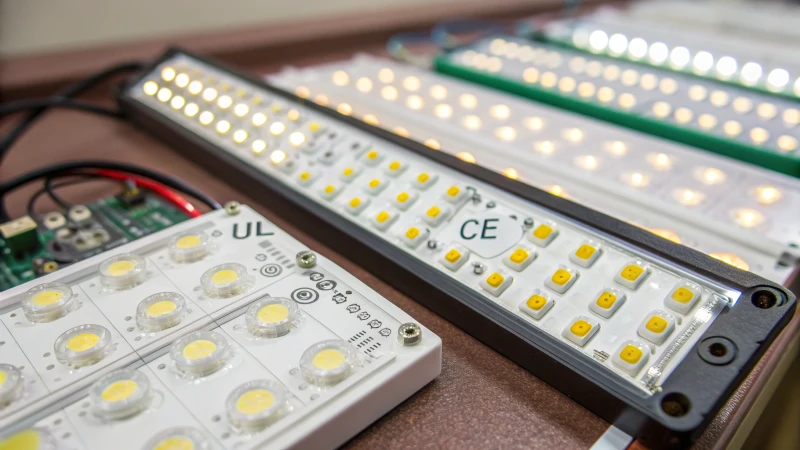
Importance of Component Quality in LED Longevity
Imagine this: I once invested in a batch of LED lights that promised to illuminate my commercial space for years. But just months later, they began to dim. After some investigation, I realized it was all about the components. High-grade LEDs, resistors, and drivers play a pivotal role in ensuring not just longevity but consistent brightness. Those premium materials? They’re like the unsung heroes managing heat, which if left unchecked, can cause your LEDs to flicker out prematurely.
Table: Key Components and Their Impact on Longevity
| Component | Impact on Longevity |
|---|---|
| LED Chip | Determines brightness retention |
| Resistors | Manage current flow to prevent burnout |
| Drivers | Ensure stable power supply |
From my experience, it's clear that checking the specs before buying can save a lot of hassle down the line. Sure, high-quality components might make you wince at the checkout, but think of it as an investment. You'll thank yourself when you're not constantly replacing bulbs.
Role of Certifications in Ensuring Quality
Let’s talk about trust. For me, certifications like UL (Underwriters Laboratories) and CE (Conformité Européenne) are more than just stamps—they’re assurances that what I’m buying has been put through its paces. They confirm the product meets certain safety and performance benchmarks, sparing me from the risk of substandard purchases that might falter or even pose hazards.
Diving into certification standards1 is like having a cheat sheet for selecting quality products. These certifications help me sleep better at night knowing my investments won’t leave me in the dark—literally.
Factors Beyond Components and Certifications
Of course, there’s more to this story. Heat management is something I learned about the hard way. Using heat sinks or proper mounting solutions has saved my LEDs from overheating, which is a sneaky cause of early burnout.
Then there’s the weather—temperature and humidity can be sneaky culprits in reducing LED lifespan. Keeping things within a cozy 24°C to 28°C range keeps everything running smoothly.
Evaluating Manufacturer Specifications
Manufacturer specs often paint a rosy picture of LED lifespans under ideal conditions. But I’ve found it wise to dig a little deeper. Cross-referencing these claims with user reviews and independent tests has helped me avoid getting burned by overly optimistic promises. Comparing specifications2 across brands is like panning for gold—sometimes you find nuggets of truth that guide you to the most reliable products.
By understanding these factors, I’ve become better equipped to select LED solutions that not only meet my project needs but also strike a balance between cost and performance. It’s about ensuring longevity without breaking the bank.
High-grade components extend LED lifespan.True
Premium materials enhance thermal management, reducing overheating and failure.
Certifications are unnecessary for LED quality assurance.False
Certifications like UL and CE verify safety and performance standards.
How does heat management extend the life of LEDs?
Have you ever wondered why some LED lights seem to last forever while others flicker out sooner than expected? The secret often lies in how well they manage heat.
Heat management is crucial for prolonging LED lifespan by efficiently dispersing excess thermal energy, preventing overheating. Using components like heat sinks and ensuring proper mounting are key strategies in maintaining LED performance and extending life.
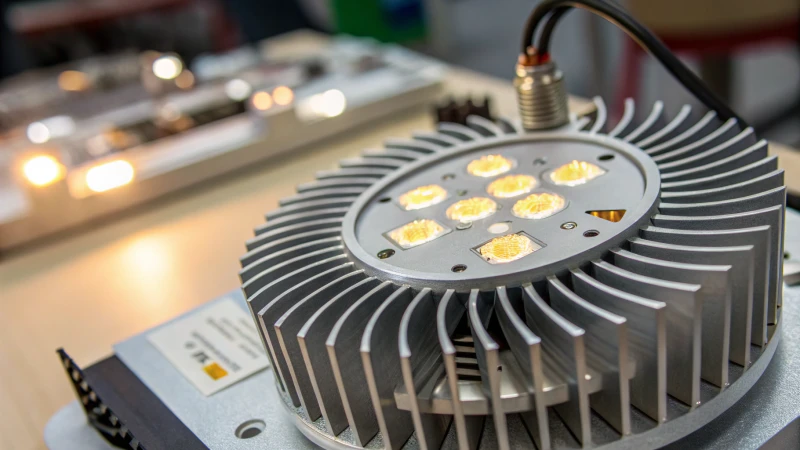
The Science of Heat Management in LEDs
I remember the first time I replaced the lighting in my home office with LEDs. It was a game-changer—bright, energy-efficient, and supposedly long-lasting. But after a while, I noticed some of them dimming or changing color. That’s when I learned about the importance of heat management.
Why Heat is a Problem
You see, LEDs are like efficient little powerhouses, converting much of their electrical energy into light. But there's always some energy left that turns into heat, and that's where things can get tricky. When this heat isn't properly managed, it raises the junction temperature—the spot where the diode meets the semiconductor. If that temperature goes up too high, it can dim the light or change its color over time. This is called lumen depreciation.
| Impact of Heat on LEDs | Description |
|---|---|
| Lumen Depreciation | Gradual reduction in brightness |
| Color Shift | Change in emitted color |
| Reduced Lifespan | Shortened operational life |
Effective Heat Management Strategies
So, what can you do to keep your LEDs shining bright? Here are a few strategies I've picked up:
1. Heat Sinks: Think of these as the LED's personal cooling system. They’re usually made of metal and help spread out the heat to keep temperatures in check.
2. Proper Mounting: It’s not just about sticking them wherever they fit; proper mounting is crucial to ensure heat escapes easily, preventing those annoying overheats.
3. Environmental Conditions: Keeping your LEDs in a steady environment within that sweet spot of 24°C - 28°C can do wonders for their lifespan.
Want to dive deeper? Check out more about ideal operating conditions3 to give your LEDs the longest life possible.
Advanced Heat Management Solutions
In commercial setups, I've seen people use smart lighting systems that adjust based on temperature feedback. These are lifesavers because they help prevent overheating in real-time, adding years to LED lifespan.
Pairing these smart systems with energy-saving features not only extends the life of your LEDs but also cuts down on energy bills—a win-win! For those interested in exploring further, here's how smart lighting controls4 can boost performance and save energy at the same time.
Heat sinks reduce LED junction temperature.True
Heat sinks absorb and disperse heat, lowering the junction temperature.
LEDs operate best at 40°C to 45°C.False
LEDs operate optimally at 24°C to 28°C, not 40°C to 45°C.
How Do Environmental Conditions Impact LED Performance?
Ever wondered why your LED lights might not shine as brightly in certain conditions?
Environmental conditions such as temperature and humidity directly affect LED performance. High temperatures can cause overheating, reducing lifespan, while high humidity can lead to moisture ingress, compromising efficiency.
%[LED light bulbs in sunny and rainy settings]
Temperature Effects
I remember the first time I learned about the impact of temperature on LEDs. It was during a particularly hot summer, and I noticed that some of the LED lights in my workshop started to dim slightly. Intrigued, I did a little digging and discovered that LEDs perform best within a specific temperature range, usually between 24°C and 28°C. When temperatures soar beyond this range, LEDs can overheat. This leads to accelerated lumen depreciation—basically, their brightness fades faster than it should—and it can significantly shorten their lifespan.
To tackle this, many manufacturers, including those I work with, integrate heat sinks or use materials with high thermal conductivity in their LED designs. Proper heat management is key; without it, even the most high-quality LEDs can falter under pressure.
| Temperature Range (°C) | Effect on LED Performance |
|---|---|
| Below 24 | Possible reduced performance |
| 24-28 | Optimal performance |
| Above 28 | Increased risk of overheating |
Humidity Concerns
Humidity is another sneaky culprit that can disrupt LED functionality. I once had a client who installed LED lights in a coastal region, only to find them corroding faster than expected. High humidity levels can lead to moisture seeping into the LED components, causing corrosion and potential electrical failures. To prevent this, some LEDs come with protective coatings or sealed housings.
Checking the humidity resistance5 of an LED product is crucial if you’re setting up in areas with high moisture levels. Look for IP-rated products that indicate their level of protection against moisture.
Altitude and Atmospheric Pressure
Altitude might not be the first thing you think of when considering LED performance, but it does play a role. Higher altitudes mean lower air pressure and less oxygen, which affects cooling efficiency. LEDs that rely on air convection for cooling might face increased thermal stress in such environments. A few years ago, I had a project in the mountains, and we had to carefully select products based on the manufacturers' altitude-related guidelines to ensure longevity and optimal performance.
For more information on choosing the right LED solutions based on environmental conditions, I recommend looking into resources about LED compatibility6 with different climates and geographical locations. Understanding these factors will help you ensure your LEDs perform optimally wherever they are installed.
LEDs perform best between 24°C and 28°C.True
LEDs operate optimally within a specific temperature range of 24-28°C.
High humidity improves LED performance.False
High humidity can cause moisture ingress, leading to corrosion and failures.
What Is Lumen Depreciation in LED Strip Lights?
Imagine the lights in your home slowly dimming over time—this is lumen depreciation in action with LED strip lights.
Lumen depreciation in LED strip lights refers to the gradual dimming of brightness over time, typically noted as L70, indicating the point where LEDs emit only 70% of their original light output after a certain number of hours.
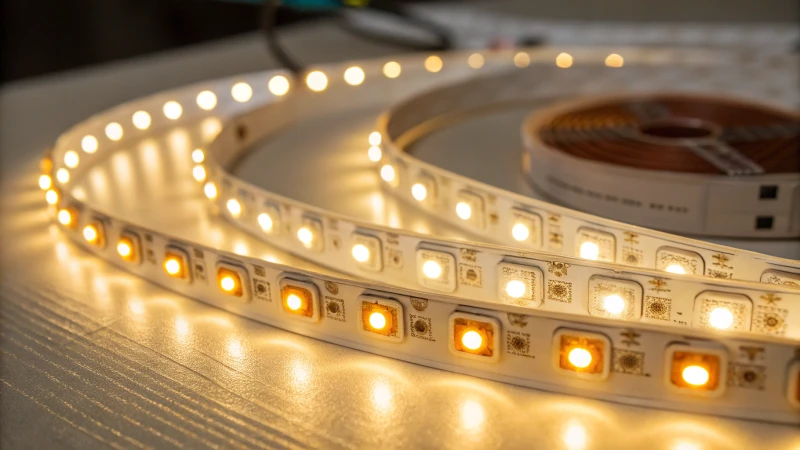
Understanding Lumen Depreciation
When I first learned about lumen depreciation, I thought of it like watching my favorite T-shirt fade with every wash. LEDs, despite their reputation for longevity, don't keep their sparkle forever. Lumen depreciation is basically the fading of their glow. If you see an LED rated at L70 50,000 hours, it means after 50,000 hours, the brightness dims to 70% of what it once was. It's kind of like when my friend told me how her LED kitchen lights weren't as bright as when she first installed them years ago.
Factors Affecting Lumen Depreciation
Quality of Components:
- It's like baking a cake; using high-quality ingredients (or in this case, LEDs and components) ensures a more reliable outcome. High-grade components slow down that dimming process, making sure your space stays bright longer.
- This ensures consistent performance7 over time.
Heat Management:
- Imagine trying to cool off with a broken fan—heat is no friend to LEDs. Proper heat dissipation methods like heat sinks can prevent rapid lumen loss and keep those lights from losing their shine too fast.
Operating Conditions:
- Think of how your phone battery drains faster in extreme temperatures. Similarly, LEDs don't fare well in extreme or fluctuating conditions, which can speed up lumen depreciation.
- Keeping LEDs in stable conditions is crucial.
Measuring and Mitigating Lumen Depreciation
| Method | Description |
|---|---|
| L70/L90 Ratings | Indicates lifespan till the light output decreases to 70%/90%. |
| Thermal Management | Ensures LEDs operate within optimal temperature ranges. |
By understanding these elements, I can help project managers and buyers better predict how LED strip lights will perform over time. It's crucial to consider certifications8 like UL or CE for ensuring quality and maximizing longevity. This way, they can make smarter choices for projects that need consistent lighting performance.
LEDs maintain full brightness indefinitely.False
LEDs experience lumen depreciation, losing brightness over time.
Heat management reduces LED lumen depreciation.True
Proper heat dissipation prevents rapid lumen loss in LEDs.
Conclusion
LED strip lights last 50,000 to 100,000 hours, influenced by component quality, heat management, and environmental conditions. Proper care ensures longevity and consistent brightness over time.
Explore why certifications are crucial for ensuring LED safety and performance. ↩
Discover how to evaluate LED lifespan claims across different manufacturers. ↩
Discover the best practices for maintaining optimal conditions to extend LED lifespan. ↩
Understand how smart systems help regulate temperature, enhancing LED efficiency. ↩
Exploring IP ratings provides insights into how well LEDs withstand moisture, crucial for high-humidity installations. ↩
Researching climate compatibility helps ensure LEDs perform optimally in different environmental settings. ↩
Learn why choosing high-quality components for LED strip lights reduces lumen depreciation and ensures lasting brightness. ↩
Discover why certifications like UL or CE matter for ensuring the quality and longevity of LED lighting products. ↩