
Thinking about making the switch to LED canopy lights?
A 150W LED canopy light typically lasts between 50,000 to 100,000 hours, depending on the quality of components and environmental factors. In commercial use, it can provide 11 years of service at 12 hours of use per day, significantly reducing maintenance and replacement costs compared to traditional lighting.
I remember when I first switched to LEDs for a commercial project—what a game-changer! But you might wonder what factors can impact their lifespan and how to get the most out of them. Let’s dive into aspects like the quality of components, heat management strategies, and even environmental conditions. These elements play a critical role in ensuring you maximize the efficiency and longevity of your lighting setup.
150W LED canopy lights last up to 100,000 hours.True
LED canopy lights have a lifespan of 50,000 to 100,000 hours.
Metal halide lamps last longer than LED canopy lights.False
Metal halide lamps last 15,000 to 30,000 hours, shorter than LEDs.
What Factors Influence the Lifespan of LED Canopy Lights?
Ever wondered why some LED canopy lights last longer than others? Let's dive into the key factors that make all the difference in their lifespan and performance.
The lifespan of LED canopy lights is shaped by factors such as component quality, heat management, environmental conditions, and usage patterns. Using high-quality materials and efficient cooling systems can significantly enhance their durability.

Quality of Components
The lifespan of an LED canopy light1 begins with its components. High-quality LED chips and drivers are essential for prolonged life. The choice of these components directly impacts not only the efficiency but also the stability of the lighting system.
| Component | Impact on Lifespan |
|---|---|
| LED Chips | Determines efficiency |
| Drivers | Affects stability and power |
| Heat Sinks | Manages thermal output |
I remember the first time I decided to upgrade the lighting at my facility. I spent hours researching, comparing LED chips and drivers. High-quality components, like reliable LED chips and drivers, aren't just technical details—they're the backbone of how long your lights will last. When I opted for top-grade materials, I noticed not just improved efficiency but also a surprising stability in performance over time.
Ensuring that components come from reputable suppliers can really mitigate unexpected issues down the line.
Heat Management
Proper heat dissipation is a critical factor in enhancing the lifespan of LED canopy lights. Effective heat sinks, often made from materials like die-cast aluminum, help prevent overheating.
Excessive heat can lead to reduced brightness and early failure. Implementing efficient cooling systems ensures consistent performance and durability.
Heat management was another area I learned not to overlook. I once had a setup where improper heat dissipation led to frequent bulb failures—an expensive mistake! Using effective heat sinks, especially those made from die-cast aluminum, keeps the lights from overheating. This not only prevents reduced brightness but also avoids early failures.
Environmental Conditions
The operational environment plays a significant role in determining the longevity of LED canopy lights. Lights with an IP65 rating2 are designed to withstand harsh weather conditions, making them ideal for outdoor use.
| Environment | Consideration |
|---|---|
| Indoor | Less susceptible to weather |
| Outdoor | Requires weather resistance |
Whether you're setting them up indoors or braving the outdoors, conditions matter. I once tried using indoor-rated lights outside—big mistake when the first storm hit. Now, I swear by lights with an IP65 rating for outdoor projects as they handle harsh weather like a champ.
Extreme temperatures, humidity, and exposure to elements like dust or moisture can affect light performance. Choosing the right enclosure can shield against these elements, safeguarding the lights.
Usage Patterns
How LED canopy lights are used can also influence their lifespan. Operating lights at reduced load through dimming can extend their life by reducing strain on components. Smart dimming systems, which adjust based on occupancy or time of day, optimize energy use and minimize wear.
Finally, how you use these lights impacts their lifespan more than you might think. By implementing smart dimming systems—especially ones that adjust based on occupancy or time of day—I could reduce strain on the components. Not only did this save energy, but it also extended the life of my lights significantly.
Understanding these usage patterns is crucial for maximizing efficiency and longevity. Implementing smart controls can not only save energy but also reduce maintenance needs over time.
Explore dimming options3 to leverage technology for longer-lasting lighting solutions.
High-quality LED chips extend the lifespan of canopy lights.True
Premium chips enhance efficiency and stability, prolonging life.
LED canopy lights with IP65 rating are unsuitable for outdoor use.False
IP65-rated lights are designed to resist harsh weather conditions.
How Does Heat Management Impact Longevity?
Ever wondered how keeping things cool can actually make them last longer? Let me share why managing heat is a game-changer for both gadgets and our well-being.
Effective heat management is key to longevity because it prevents overheating, which can lead to premature failure in electronics and lighting. By ensuring proper cooling, we maintain optimal performance and extend the lifespan of various systems.
%[A thermal image showing various electronic devices with visible cooling systems]
The Role of Heat Management in Electronic Devices
I remember the time my laptop suddenly shut down during an important meeting—it was overheating! That incident made me appreciate how crucial it is to manage heat effectively. In electronics, like my trusty laptop, heat is just part of the job. But without proper care, it can spell disaster. Techniques like using heat sinks4 and thermal paste are lifesavers, helping devices like computers and smartphones keep their cool and stay in the game longer.
LED Lighting Systems and Heat Management
When I switched my home lights to LEDs, I didn't just notice a dip in my energy bill—I discovered they lasted longer too. However, even these energy-efficient lights generate heat. Proper heat management, like using die-cast aluminum housings, ensures they don't burn out before their time. This not only extends their life but also makes them cost-effective5 for long-term use.
Thermal Management in Biological Systems
It's fascinating how our bodies manage heat so naturally. Whether it's a sauna session or a hot yoga class, applying heat can do wonders for our health. I've found that these practices not only help me unwind but also boost my circulation and detoxify my body. Research even hints that they might be a secret to living longer.
| System | Heat Management Technique | Impact on Longevity |
|---|---|---|
| Electronics | Heat sinks, thermal paste | Prevents overheating and extends life |
| LED Lighting | Die-cast aluminum housings | Improves lifespan by efficient cooling |
| Human Body | Sauna, heat therapy | Potentially enhances health and lifespan |
Real-World Applications and Considerations
In my experience working with commercial projects, efficient heat management in lighting systems is not just about cutting costs—it's about ensuring longevity and reliability. Personally, embracing heat practices like infrared saunas has contributed to my wellness journey, adding a refreshing layer to my daily routine.
Understanding heat management is more than just a technical necessity; it's a pivotal part of optimizing the lifespan and efficiency of everything from our electronic gadgets to our own bodies. Explore further6 to see how managing heat can make a lasting impact on your world.
Heat sinks prevent overheating in electronics.True
Heat sinks dissipate excess heat, preventing component failure.
Poor heat dissipation shortens LED lifespan.True
Ineffective cooling leads to overheating, reducing LED efficiency.
Can Dimming Extend the Lifespan of LED Lights?
Ever wondered if dimming those LED lights could make them last longer?
Yes, dimming can extend the lifespan of LED lights by lowering their operational load and reducing heat generation, which are primary factors affecting longevity.
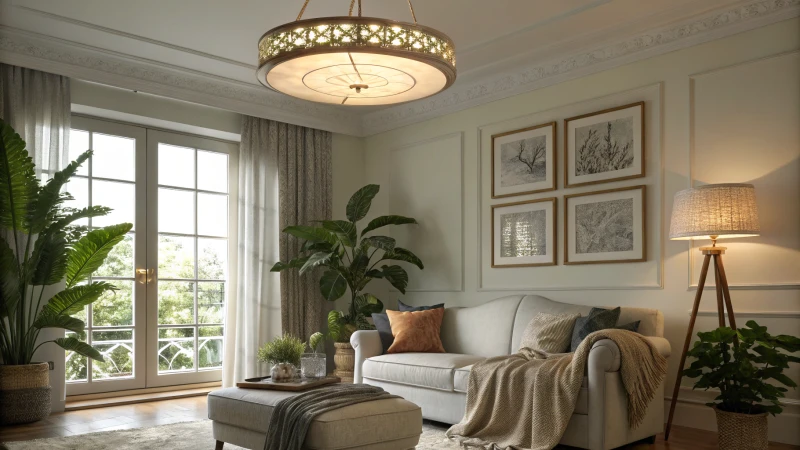
How Dimming Works to Preserve LED Lifespan
I remember when I first learned about how dimming can give my LED lights a longer life. It was like finding out that a simple tweak could save me from frequent replacements. Dimming reduces the current flowing through the diodes, which lowers heat generation7. Heat is a sneaky foe for LEDs, silently degrading components and cutting their lifespan short.
By dialing down their brightness, LEDs face less thermal stress, which is especially helpful in places where they're on for long stretches. It's like giving them a break without actually turning them off.
Smart Dimming Technologies
When I first heard about smart dimming systems, I was intrigued by the idea of lights that adjust themselves. These systems can tweak lighting based on the time or whether anyone's around, saving energy and making sure lights aren't working overtime. Imagine the savings when lights dim during the day or when nobody's in the room!
Table: Benefits of Smart Dimming
| Benefit | Description |
|---|---|
| Energy Efficiency | Reduces power consumption |
| Enhanced Longevity | Minimizes operational stress on LEDs |
| Cost-Effectiveness | Lower energy bills and fewer replacements |
| Environmental Impact | Reduces carbon footprint |
Real-World Applications
In my experience with commercial projects, installing smart dimming has been a game-changer. Think about offices or factories where lights are always on. Smart dimming not only boosts productivity but also slashes costs8. In operations running 24/7, dimmed LEDs last longer and mean fewer replacements—a win-win for maintenance budgets.
Factors to Consider When Dimming LEDs
Before you jump on the dimming bandwagon, ensure your LED fixtures play nice with dimming controls. Using incompatible setups might lead to annoying flickering9 or even shorten your LED's life.
Also, don't overlook the importance of the dimmer switch itself. Traditional incandescent dimmers just won't cut it; you'll need ones specifically made for LEDs to avoid any issues.
Dimming LEDs reduces heat generation.True
Dimming decreases current flow, reducing heat and stress on LEDs.
Incompatible dimmers shorten LED lifespan.True
Using non-LED-compatible dimmers can cause flickering and damage.
How Do Environmental Conditions Affect LED Durability?
You know, I've always found LED lights fascinating—not just because they're energy-efficient, but because their durability can change drastically depending on where you use them. Let's dive into how different environments play a role.
Environmental factors such as temperature, humidity, and exposure to elements significantly impact LED durability. Choosing the right LED for your specific environment and ensuring proper installation can greatly enhance its lifespan and performance.

Temperature Extremes
I remember installing LEDs in a friend's greenhouse once. It was a warm summer day, and we both learned firsthand that LEDs love cool weather but not so much the heat. Excessive heat can cause the LED chip to degrade faster than you’d think, just like leaving chocolate in a hot car. It melts away! Implementing effective heat management10 solutions, like good heat sinks or ventilation, is like giving your LEDs a personal air conditioner. And when winter comes knocking, remember that while LEDs generally perform better in the cold compared to traditional lights, it's still wise to ensure they're rated for your local temperature range.
Humidity and Moisture
Once, I worked on a project in a coastal area, and wow, did I learn about humidity! High humidity can be a sneaky LED assassin, leading to corrosion and water ingress if the fixtures aren’t sealed well. Investing in IP-rated fixtures11 is like giving your LEDs a raincoat. This is crucial for outdoor settings or even indoor areas like greenhouses or kitchens where steam is a regular guest.
Dust and Pollution
Ah, dust—it's everywhere, isn't it? I used to live near a busy road, and dust was my everyday nemesis. It turns out that dust can be just as annoying for LEDs as it is for my allergies. It can obstruct light output and cause overheating. Regular cleaning is essential, like giving your LEDs a spa day. In high-pollution areas, consider anti-corrosive coatings12 to help them brave the elements.
Installation Environment
One time, I was involved in setting up lights in an industrial plant. The vibrations and chemicals present were real concerns. It made me realize that where you install your LEDs plays a big role in their durability. For industrial settings or places with special challenges, make sure your LEDs have robust design features13 to withstand those conditions.
Table: Environmental Considerations for LEDs
| Condition | Impact on LEDs | Recommended Solutions |
|---|---|---|
| High Temperature | Chip degradation | Efficient heat sinks, proper ventilation |
| Low Temperature | Improved efficiency | Temperature-rated LEDs |
| High Humidity | Corrosion | IP-rated fixtures |
| Dust Pollution | Overheating | Regular cleaning |
Understanding these factors helps ensure that your LED lighting systems are resilient and deliver optimal performance over time. With this knowledge, you're not just lighting up spaces; you're making informed decisions that keep those lights shining bright for years to come. Proper installation and maintenance are your trusty sidekicks in this mission.
High temperatures reduce LED lifespan.True
Excessive heat degrades LED components, shortening their lifespan.
LEDs perform poorly in cold environments.False
LEDs generally perform better in cooler climates than traditional lighting.
Conclusion
A 150W LED canopy light lasts 50,000 to 100,000 hours, significantly outlasting traditional lights. Lifespan is influenced by component quality, heat management, environmental conditions, and usage patterns.
Discover the specific LED chip brands renowned for longevity and efficiency in canopy lights. ↩
Understand why IP65-rated lights are preferred for harsh weather conditions. ↩
Learn how smart dimming technologies can enhance energy efficiency and reduce component stress. ↩
Learn how heat sinks prevent overheating in electronic devices, extending their lifespan and ensuring optimal performance. ↩
Explore why die-cast aluminum is preferred for LED systems, aiding in effective heat dissipation and cost-effectiveness. ↩
Discover the broad benefits of effective heat management across electronics, lighting, and biological systems. ↩
Understand the connection between reduced heat generation through dimming and prolonged LED lifespan. ↩
Explore how implementing smart dimming controls can lead to substantial cost savings in commercial settings. ↩
Discover potential problems like flickering when using incompatible dimmers with LEDs. ↩
This link will guide you on effective methods to manage heat in LED installations, crucial for maintaining their longevity. ↩
Learn about IP ratings that protect LEDs from moisture and dust, essential for outdoor and humid environments. ↩
Discover coatings that protect LEDs from corrosion in polluted areas, enhancing their durability. ↩
Explore design features that make LEDs suitable for industrial environments with challenges like vibration or chemicals. ↩