
DoIt is generally safe to leave an LED strip on constantly due to its energy efficiency and low heat emission. However, the strip's lifespan may decrease over time with continuous use, especially if the strip or power supply lacks proper thermal management. Ensure high-quality components and a properly matched power supply to ensure safe, long-term operation without overheating or failure!**
I want to tell you about LED strips and how to use them safely. These lights save energy and produce little heat. But keeping them on all the time might cause some concern. I think it's important to find a good balance between ease of use and how long they last. Let's talk more about this so you know all about your lighting options!
LED strip lights can be left on continuously without risk.True
LED strips are designed to be energy-efficient and emit low heat, making them safe for continuous use.
Leaving LED strips on will significantly shorten their lifespan.False
While LED strips are durable, continuous use may lead to a slight reduction in lifespan due to wear over time.
What Are the Benefits of Using LED Strip Lights Continuously?
Do you think about how LED strip lights change your space and your energy bill? LED strip lights bring wonderful benefits. Let's explore these advantages in your home or business.
**Using LED strip lights all the time offers great benefits. They use little energy, create low heat, last long with good parts, cost less to power and are very safe with the right power source. If you think about upgrading your lights, LEDs are probably your best choice. Let’s find out why they are so brilliant in regular use!
Energy Efficiency and Low Heat Emission
LED strip lights offer superb energy efficiency. They change about 90% of energy into light. I replaced my old bulbs with LED strips. It felt like I turned off the heat but still enjoyed bright light. Old bulbs wasted a lot of energy as heat. LEDs save on energy bills. This also makes it very safe to leave them on for hours without getting hot, which is a big comfort for me.
Impact on Lifespan
LEDs last a very long time, up to 50,000 hours. But I learned that using them non-stop can affect their lifespan. Once, I left some strips on all night during a party. It was fun, but I realized later that heat buildup can reduce their life. Research shows for every 10°C rise in temperature, about 10-20% of their life could be lost. I now always put my LEDs in well-ventilated places to keep them working longer.
Quality of Components Matters
Choosing good quality LED strips has huge benefits. Buying high-quality strips with thermal management made a huge difference. I tried a cheap model once. It overheated in a few hours. I learned my lesson! High-quality strips often have aluminum backing or heat sinks to keep them safe for longer use. It’s very important to do some research to find the best parts to avoid big issues later.
Power Consumption and Cost
LED strips use energy efficiently, but running them nonstop can still affect my electricity bills over time. A typical LED strip uses 4-10 watts per meter, much better than old options. When I calculated my own use for a 5-meter strip running all the time, it was around 36-90 kWh each month. Here’s a quick cost overview꞉
It’s a good idea to calculate your cost based on local rates. You might want to use a cost calculator to check.
Safety Considerations (Power Supply)
Getting the right power supply for nonstop use is very important. I found out the hard way! A power supply not rated for continuous use can overheat and cause hazards. Industrial-grade drivers are usually safer because they have protections against overcurrent and thermal issues. Picking the right power supply is crucial. There are guides available that really help with power supply selection.
In conclusion, using LED strip lights continuously can really light up your space while being efficient and safe. Exactly how they did for me! They added warmth and style to my home while helping me save on energy costs. I hope this information gives you the confidence to consider switching to LEDs!**

Benefits of LED Strip Lights
LED strip lights provide many benefits when used continuously! I noticed how they transform the feeling of a room. They add style and save money. These lights are more than just decoration. They give real advantages like energy savings, low heat, and safety. Proper management increases their effectiveness. They combine beauty and practicality.
Energy Efficiency and Low Heat Emission
LED strip lights are renowned for their energy efficiency, making them ideal for continuous use.
They convert about 90% of energy into light, drastically reducing heat production compared to traditional incandescent bulbs, which waste nearly 90% of energy as heat.
This low heat emission makes it safer to leave them on for extended periods, significantly minimizing fire risks. For more insights on energy efficiency, check out energy-saving technologies1.
Impact on Lifespan
While LEDs boast impressive lifespans of up to 50,000 hours, continuous operation can affect their longevity.
Factors such as heat buildup and power surges can lead to a shortened lifespan. Research shows that for every 10°C increase in operating temperature, lifespan decreases by approximately 10-20%.
Thus, using LEDs in well-ventilated areas can optimize their lifespan. More information on lifespan can be found here: LED lifespan management2.
Quality of Components Matters
The quality of the LED strip and its components greatly influences safety and durability.
High-quality strips often incorporate thermal management systems, such as aluminum backing or heat sinks, allowing for safe continuous operation.
In contrast, cheaper models may overheat, leading to performance issues. To learn about choosing the right components, visit component quality assurance3.
Power Consumption and Cost
Although LED strips are significantly more power-efficient than traditional lighting options, running them continuously could still increase electricity costs over time.
For example, a typical LED strip consumes between 4-10 watts per meter. A 5-meter strip operating 24/7 may consume approximately 36-90 kWh per month.
| Here's a quick cost comparison: | Strip Length (meters) | Power Consumption (W) | Monthly Usage (kWh) | Estimated Cost ($) |
|---|---|---|---|---|
| 5 | 4 | 36 | $4.32 | |
| 5 | 10 | 90 | $10.80 |
To calculate your own costs based on local rates, check out cost calculator4.
Safety Considerations (Power Supply)
A crucial aspect of continuous LED operation is the power supply.
It must be appropriately rated for constant use to prevent overheating and potential hazards. Mismatched supplies can lead to failures.
Using industrial-grade drivers often includes built-in protections against overcurrent and thermal issues. For a guide on selecting power supplies, see power supply selection5.
LED strip lights convert 90% of energy into light.True
This high efficiency significantly reduces energy waste, making LED strips ideal for continuous use. They outperform traditional bulbs in energy conversion.
Continuous use of LED strips always extends their lifespan.False
While LEDs have long lifespans, continuous operation can actually shorten them due to heat buildup and power surges, affecting longevity negatively.
How Does Continuous Use Affect the Lifespan of LED Strips?
Have you ever thought about how long your LED strips last if they stay on all the time? LED strips have a specific lifespan. They might last longer than you expect. Let's explore this lifespan. Discover ways to keep them shining bright!
Using LED strips all the time might reduce their lifespan. Heat buildup and power surges can wear them out. Focus on managing heat well. Use very good components. Check that the power supply suits your setup.

Understanding LED Lifespan and Continuous Use
LED strips provide bright light and save energy, often lasting up to 50,000 hours. However, their lifespan can be significantly influenced by continuous operation.
When LEDs are used continuously, heat buildup becomes a crucial factor. Unlike traditional bulbs that waste energy as heat, LEDs convert around 90% of their power into light. Yet, they still generate some heat that can affect their performance over time.
For instance, an increase in operating temperature can reduce lifespan by approximately 10-20% for every 10°C rise. This was very surprising! It made me think carefully about their placement. Proper cooling is really important. To explore more about heat management in LED systems6, check out this resource.
Factors Influencing Lifespan
There are several key factors that contribute to the lifespan of LED strips when used continuously:
| Factor | Impact on Lifespan |
|---|---|
| Heat Management | Excessive heat can shorten lifespan significantly. |
| Quality of Components | High-quality components enhance durability. |
| Power Supply | An inadequate power supply can lead to failures. |
| Power Surges | Frequent surges can damage LEDs over time. |
Heat Management: I discovered LEDs with integrated thermal management systems, such as aluminum backing or heat sinks, last longer. Cheaper models may overheat and fail prematurely.
Cost and Energy Efficiency
While LEDs are energy-efficient, running them continuously can still increase electricity costs. A typical LED strip consumes between 4-10 watts per meter. For example:
- A 5-meter strip running 24/7 could consume between 36-90 kWh per month, depending on wattage.
- This could lead to significant costs over time, especially in larger installations.
- Detailed calculations help manage this better.
To learn more about calculating energy consumption for lighting7, see the detailed guide available.
Safety Considerations
Safety is crucial with electric items; proper power supplies matter. Mismatched or underpowered supplies can overheat and pose safety hazards. For reliable operation:
- Choose power supplies meant for constant use.
- Opt for industrial-grade drivers that include built-in overcurrent and thermal protection for maximum safety during prolonged use.
In conclusion, using LEDs smartly helps them last long and stay safe while ensuring efficient operation. Knowing these details is very beneficial! For those seeking further insight into LED technology and best practices, consider exploring advanced LED solutions8.
Continuous use of LED strips can reduce their lifespan significantly.True
Excessive heat from continuous operation can shorten LED lifespan by 10-20% per 10°C increase.
High-quality components do not affect LED strip durability.False
Using high-quality components is crucial as they enhance the durability and longevity of LED strips.
What Factors Influence the Safety of Leaving LED Strips On?
Have you ever thought about the safety of keeping your LED strips on for long hours? I often question this, particularly because I frequently leave them shining in my home or office. Let's explore this together!
Various factors influence the safety of leaving LED strips on. Energy efficiency plays a big role. Lifespan also matters a lot. The quality of components is important. Power consumption is another key factor. The right power supply is crucial. Very crucial.

Energy Efficiency and Heat Emission
LED strips are very energy-efficient, converting about 90% of the energy they consume into light rather than heat. One evening, I left my LED strips on while watching my favorite series, and they stayed cool. Unlike my old bulbs, which got hot and made my room feel like a sauna, LEDs maintain a low thermal profile. This significantly reduces the chances of fire hazards, even in tight spaces. Curious about saving energy with lights? Look at energy-saving technologies9.
Lifespan Considerations
LED strips can shine for up to 50,000 hours; however, constant use shortens their life due to factors such as heat buildup and power surges. A friend's lights began flickering after months of continuous use. Research shows that just a 10°C rise in temperature can cut an LED's lifespan by approximately 10-20%. Now she ensures her strips have good ventilation! For deeper insights, explore LED lifespan factors.
Component Quality
I didn't think much about LED strip components until I bought cheaper ones. The difference surprised me! High-quality strips equipped with thermal management systems (like aluminum backing) can operate continuously without issues.
| Component Quality | Safety Level | Lifespan Impact |
|---|---|---|
| High-Quality | High | Minimal |
| Poor-Quality | Low | Significant |
Data: Good LED strips have special features for safe long use. Compare products at LED strip quality evaluations.
Power Consumption and Cost
Even though LEDs use less power than traditional lights, leaving them on for long durations can still increase electricity bills. A typical 5-meter strip may consume between 36-90 kWh monthly if run nonstop. That's shocking! Understanding power consumption is crucial for budget management in large installations. Learn more with LED power consumption analysis.
Safety of Power Supply
Using the right power supply is very important for safety. At first, I used a weak supply that got dangerously hot! Now I choose industrial-grade drivers designed for continuous operation; they come with protections against overheating and overcurrent. This gives me peace of mind.
Data: Match the power supply to the total wattage of the LED strip. Safe power practices can be found in power supply safety guidelines.
LED strips convert 90% of energy into light.True
This high efficiency minimizes heat emission, reducing fire risks when left on.
Poor-quality LED strips can significantly reduce lifespan.True
Low-quality components lead to overheating and reduced operational longevity.
What Are the Real Costs of Running LED Strips 24/7?
Did you ever think about the real cost of keeping colorful LED strips lit up all the time? I want to share my thoughts on this subject. It is really important for anyone who wants to light up their room and still watch their money.
Using LED strips all day can increase your electricity bill. However, these lights use energy efficiently and keep costs lower than regular lighting. Lifespan really affects long-term expenses. The quality of components also influences costs. Reliable power supply ratings matter too.
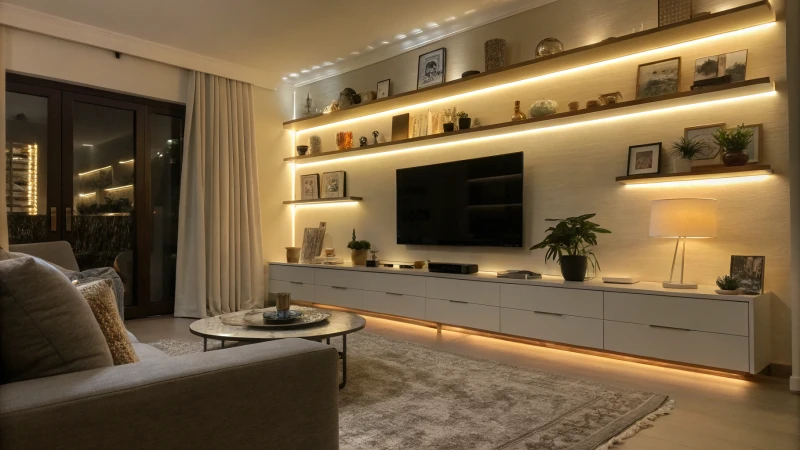
Energy Efficiency and Its Cost Implications
I really love adding a warm, welcoming glow to my home with LED strips. These nifty lights convert about 90% of energy into light, minimizing waste and heat. A typical LED strip uses between 4-10 watts per meter, which is incredibly low compared to traditional lighting options.
To illustrate the potential costs:
| Strip Length | Power Consumption (Watts) | Monthly Usage (kWh) | Estimated Monthly Cost (at $0.12/kWh) |
|---|---|---|---|
| 1 Meter | 4-10 | 2.88-7.20 | $0.35-$0.86 |
| 5 Meters | 20-50 | 14.4-36 | $1.73-$4.32 |
I remember leaving my LED strips on during a cozy movie night, and I was pleasantly surprised at how little it added to my electricity bill. But if you’re thinking about leaving them on all the time, it’s very important to think about the overall costs against their benefits - financially and environmentally.
Lifespan Considerations and Costs
LED strips can last up to 50,000 hours; however, running them 24/7 may shorten their lifespan due to factors like heat buildup and power surges. The U.S. Department of Energy warns that lifespan drops by about 10-20% for every 10°C increase in operating temperature.
High-quality LED strips with thermal management systems can sustain longer usage without significant dimming or failure.
| Quality Level | Expected Lifespan (Hours) | Impact of Continuous Use |
|---|---|---|
| High-Quality | ~50,000 | Minimal |
| Average Quality | ~30,000 | Moderate |
| Poor Quality | ~15,000 | High |
Investing in high-quality options saves a lot of money over time; I personally swear by brands that focus on thermal management.
Power Supply Considerations
When I first started using LED strips, I really underestimated the importance of the power supply. It’s crucial to use a power supply rated for continuous operation; otherwise, you risk overheating or worse.
Consider investing in industrial-grade drivers that come with built-in overcurrent and thermal protection features.
| Type of Power Supply | Rating | Safety Features |
|---|---|---|
| Standard Supply | Not Rated | Basic protection |
| Industrial Grade | Rated for Continuous Use | Overcurrent & Thermal Protection |
Make sure your power supply matches the total wattage of your LED strip to optimize performance while managing costs effectively.
Overall Cost Implications
While investing in LED technology might seem more expensive at first than traditional lighting options, I've come to appreciate the long-term savings from reduced energy consumption and fewer replacements. Knowing I’m making a more sustainable choice while reducing costs feels like a real breath of fresh air.
LED strips consume less power than traditional lighting.True
LED strips convert about 90% of energy into light, making them highly efficient compared to traditional bulbs.
Running LED strips 24/7 reduces their lifespan significantly.True
Continuous operation can shorten LED lifespan by 10-20% for every 10°C increase in temperature due to heat buildup.
Conclusion
LED strip lights can be safely left on continuously, but doing so may shorten their lifespan. Quality components and appropriate power supplies are crucial for longevity.
Learn how using LED strip lights continuously can enhance your energy savings and safety, providing practical insights for your lighting needs. ↩
Explore the factors affecting the lifespan of LED strip lights and how to maximize their performance over time. ↩
Find out how to choose high-quality LED components for safe and efficient continuous operation. ↩
Calculate the cost implications of running LED strip lights continuously to make informed decisions. ↩
Understand the importance of selecting the right power supply for continuous LED operations to ensure safety. ↩
Understanding the effects of continuous usage will help you optimize your lighting setup and extend the life of your LED strips. ↩
Explore the factors affecting LED strip longevity to ensure optimal performance and safety in your lighting installations. ↩
Learn about the safety measures necessary for using LED strips continuously to prevent hazards and ensure reliability. ↩
Explore comprehensive resources on LED safety to make informed decisions about your lighting installations. ↩