

Remember when street lights used to cast that eerie orange glow? Now they're a crisp white. Ever wonder why?
LED street lights are white because they offer improved visibility, higher energy efficiency, modern aesthetics, and better light distribution, which are essential for urban safety and infrastructure.
Reflecting on my childhood, I remember how the old orange-tinted streetlights would bathe everything in a surreal glow, making evening walks feel like stepping into a sepia-toned photograph. Fast forward to now, and the white light of LED street lights has completely changed the nighttime landscape. This evolution isn't just about aesthetics; it's about the science of light. The blue LEDs coated with phosphor not only create a white light but also enhance visibility and save energy. It's fascinating how such a simple change can transform our urban environment, making streets safer and more vibrant.
LED street lights use phosphor-coated blue LEDs.True
Blue LEDs coated with phosphor convert blue light to white light.
Traditional street lamps use LED technology.False
Traditional lamps typically use sodium vapor, not LED technology.
How Does Phosphor Technology Create White Light?
When I first discovered how white light is created from blue LEDs, it felt like unlocking a little bit of magic in everyday life.
White light from LEDs is produced through phosphor technology, which transforms blue light into a broad spectrum of colors. This transformation occurs as phosphor coatings on LED chips change the wavelength of blue light, resulting in a mixture of colors that we perceive as white.

The Basics of Phosphor Technology
Let me break down phosphor technology for you. Imagine a world where blue light is the starting point, and phosphors are like artists painting with light. Here's the process:
- Blue LED Emission: Just like an artist starts with a blank canvas, LEDs start by emitting blue light.
- Phosphor Coating: Picture this coating as the brush, expertly applying colors to transform that blue.
- Wavelength Conversion: The phosphor changes the wavelength, creating a masterpiece of blended colors that form white light.
Types of Phosphor Materials
Depending on the type of phosphor material used, you get different shades of white light:
| Phosphor Type | Resulting Light Color |
|---|---|
| Yttrium Aluminum Garnet (YAG) | Cool white |
| Nitride-based | Warm white |
These variations mean that whether you need lighting for a cozy living room or a bustling street, there's an LED solution tailored for you.
Benefits of Phosphor-Converted LEDs
From personal experience, I can tell you that phosphor-converted LEDs (PC-LEDs) are game-changers in lighting. They are:
- Energy Efficient: They shine brightly while consuming less energy, helping you save on bills and being kinder to our planet.
- Visually Superior: They enhance visibility with great color rendering, making everything look just right.
- Durable: They last longer, so you won’t be constantly changing bulbs.
Applications in Modern Lighting Systems
These LEDs are everywhere, from homes to massive industrial spaces. Their flexibility allows them to fit into smart lighting systems1 that adjust automatically to your needs, maximizing energy efficiency.
Companies like Besenled2 focus on these advanced solutions, using sustainable materials to meet the rising demand for eco-friendly lighting across many sectors.
Challenges and Future Directions
Even with all their benefits, there are hurdles to overcome in phosphor technology:
- Color Consistency: Achieving uniformity across production batches can be tricky.
- Efficiency Enhancements: There's ongoing research to push conversion efficiencies even further.
The journey of phosphor-based technology is an exciting one, with endless possibilities for innovation in lighting design. As we move forward, I’m thrilled to see what advancements will illuminate our future.
Phosphor technology uses red light to create white light.False
Phosphor technology converts blue, not red, light into white light.
Yttrium Aluminum Garnet phosphor produces cool white light.True
YAG phosphor is known for producing a cool white light.
Why Choose White LED Street Lighting?
Ever wondered why cities are switching to white LED street lights? Let me take you on a journey through the illuminating advantages of these modern marvels.
White LED street lighting improves visibility, lowers energy usage, and offers superior light distribution, making urban areas safer and more visually appealing.

Enhanced Visibility
I remember the first time I walked under the new white LED streetlights in my neighborhood—it was like night had turned to day. These lights, with their 4000K to 5000K color temperature, dramatically enhance visibility. Unlike the old sodium lamps3 that cast a gloomy yellow hue, these LEDs make it easy to spot colors and details, almost as if it were daylight.
Energy Efficiency
Switching to white LEDs was a game-changer for our local council's budget. They offer more lumens per watt, which is just a fancy way of saying they give off more light while using less electricity. This has not only brightened our streets but also reduced our energy bills and carbon footprint significantly. Imagine saving enough to fund other community projects!
| Lighting Type | Lumens per Watt | Energy Consumption |
|---|---|---|
| White LED | 80-100 | Low |
| Traditional Sodium | 40-50 | High |
Modern Aesthetic
There's something undeniably sleek about the clean glow of white LED lights. They give our urban spaces a fresh, modern look that feels like stepping into the future. Cities aiming for an updated, sophisticated vibe often choose these lights for their ability to blend with contemporary architecture seamlessly.
Better Light Distribution
One night, while jogging, I noticed how evenly lit the path was—no more lurking shadows or dark spots. That's thanks to the excellent light distribution4 of white LEDs. They ensure every corner is well-lit, enhancing safety for everyone.
Environmental Impact
Not only are these LEDs long-lasting and durable, but they’re also kind to our planet. Free from toxic elements like mercury, they are an environmentally friendly choice for any eco-conscious community leader like myself looking to make sustainable decisions.
By understanding these advantages, I can confidently advocate for integrating white LED street lights into our urban planning. It's not just about cutting down on energy costs; it's about fostering safer, more beautiful, and sustainable communities.
White LEDs improve color recognition at night.True
White LEDs enhance visibility by providing light that resembles daylight.
Traditional sodium lamps are more energy-efficient than LEDs.False
White LEDs offer higher lumens per watt, making them more energy-efficient.
How Does Color Temperature Affect Urban Environments?
Ever thought how the hue of city lights influences your nightly stroll or commute home? It’s more impactful than you might think!
Color temperature in urban environments affects everything from visibility and safety to aesthetics and energy efficiency. Cooler temperatures improve clarity and energy savings, while warmer hues create a cozy atmosphere.
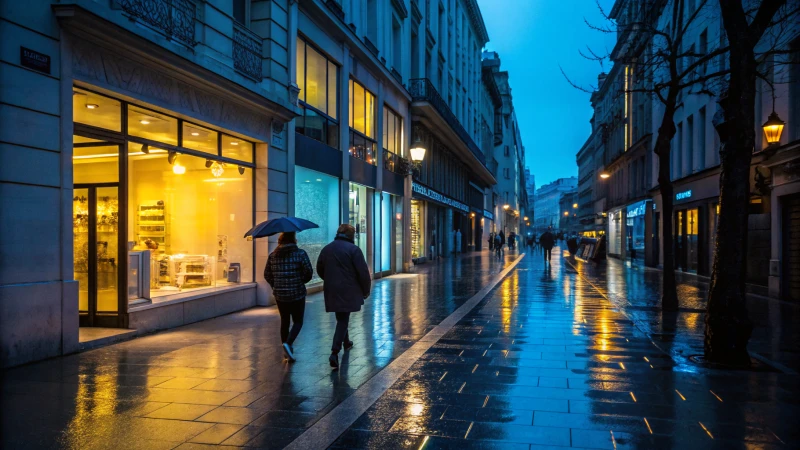
I remember walking through a bustling city one evening, mesmerized by how the streetlights painted the night. The cooler, bluish lights gave a crisp clarity, making the path ahead feel safe and inviting. It struck me how this simple choice of lighting color could transform an urban environment.
The Science Behind Color Temperature
Color temperature is measured in Kelvin (K) and varies from warm, soothing yellowish tones to cool, refreshing bluish hues. This range can influence everything from mood to safety in city planning. For instance, warm light (2000K-3000K) can evoke a sense of comfort, while cooler light (4000K-6000K) enhances visibility, almost mimicking daylight. Understanding this spectrum is crucial in urban lighting design5.
Visibility and Safety
Imagine strolling down a dimly lit street. The soft glow of warmer lights may feel cozy, but cooler lights are often preferred for safety. They mimic daylight, which enhances visibility and can even help deter crime by improving color recognition.
| Color Temperature | Effect on Visibility |
|---|---|
| 2000K - 3000K | Soft, relaxed ambiance |
| 4000K - 6000K | Enhanced visibility & clarity |
Streetlights with cooler temperatures enhance clarity, aiding in better color recognition6 and reducing crime rates.
Energy Efficiency and Urban Planning
With urban expansion comes the challenge of balancing aesthetics with practicality. Cool white LEDs are a favorite for city planners due to their energy efficiency—higher lumens per watt mean brighter lights for less power. This not only slashes energy costs but also aligns with eco-friendly initiatives I’m passionate about.
Energy-efficient lighting7 systems are becoming standard in urban planning as they provide higher lumens per watt compared to warmer lights that may require more energy to achieve similar brightness levels.
Aesthetics and Urban Design
In designing urban spaces, the choice of color temperature can shape the city’s character. Cooler lights give a sleek, modern look, perfect for highlighting architectural marvels, while warmer lights bring a welcoming glow to parks and promenades. As someone who appreciates both functionality and beauty in design, I find this balance fascinating.
Urban planners often choose color temperatures that align with city aesthetics based on urban design principles8, considering both functional and aesthetic elements.
Environmental Considerations
Moreover, the color temperature selected can influence the urban heat island effect. Cooler lights help in reducing nighttime temperatures, potentially lowering energy use for cooling. In my work, factoring in such environmental impacts is crucial for sustainable urban development.
The choice of color temperature also impacts the urban heat island effect; cooler lights contribute to cooling urban areas at night which might reduce energy use for air conditioning as highlighted by environmental impact assessments9.
Understanding these effects helps us make informed decisions about urban lighting systems aiming to enhance safety, aesthetics, and sustainability in our cities. Whether it’s through making streets safer or creating inviting public spaces, color temperature plays a pivotal role in shaping our urban experience.
Cooler streetlights reduce crime rates in urban areas.True
Cool light improves visibility, aiding color recognition, enhancing safety.
Warm lights are more energy-efficient than cool lights in cities.False
Cool white LEDs offer higher lumens per watt, reducing energy costs.
What are the comparisons between LED and traditional street lights?
Deciding between LED and traditional street lights isn't just a technical choice; it's about shaping the future of our neighborhoods.
LED street lights excel in energy efficiency, lifespan, and visibility compared to traditional lights, which are cheaper upfront but costlier over time due to maintenance.
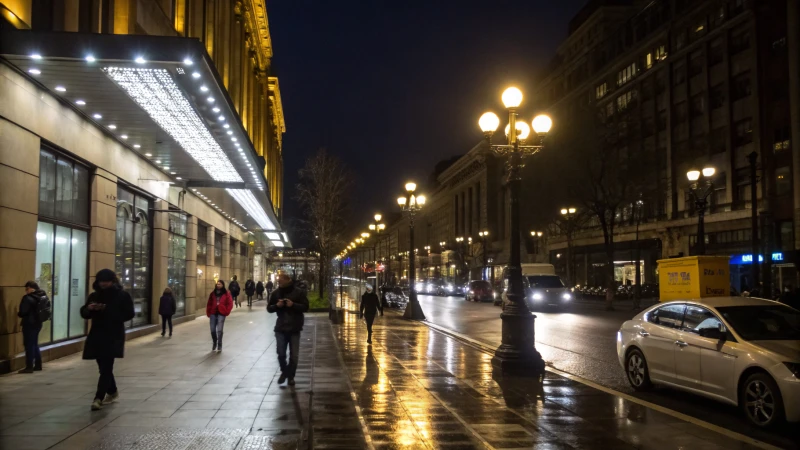
Energy Efficiency
I remember the moment I realized how much energy efficiency mattered in lighting projects. We were working on a large-scale urban redevelopment, and the potential savings from using LEDs were staggering. LED street lights convert about 95% of their energy into light, leaving very little wasted as heat. Compare this to traditional lights, which only achieve about 30-40% efficiency, and you see why the electricity bills can be significantly lower with LEDs. It's like getting more bang for your buck every time you flip the switch.
| Feature | LED Lights | Traditional Lights |
|---|---|---|
| Efficiency | High (95%) | Moderate (30-40%) |
| Cost | Lower over time | Higher over time |
Lifespan and Maintenance
Have you ever had to change a light bulb in an inconvenient spot? It's frustrating, right? Now imagine that on a citywide scale. LEDs typically last up to 50,000 hours, meaning less frequent replacements and lower maintenance costs. In contrast, traditional street lights clock in at about 15,000 hours. For urban planners like myself, who are keen on long-term investments, LEDs are not just a light source—they're a game-changer.
This longevity makes LEDs a wise investment10 for urban planners focused on long-term gains.
Environmental Impact
Every time I see the city skyline lit up at night, I think about the environmental footprint of all those lights. LEDs are a more sustainable choice because they consume less energy and produce fewer greenhouse gases. Transitioning to LEDs aligns perfectly with our sustainability goals and helps us minimize our environmental impact.
LEDs support sustainability goals11 by minimizing environmental impact.
Visibility and Aesthetic Appeal
I once took a walk down a street where they had just installed new LED lights, and it was like seeing the city in high definition. LEDs emit a bright white light (4000K-5000K) that improves visibility and safety. They also give urban spaces a modern look. Traditional lights, with their yellowish glow, can sometimes make it difficult to distinguish colors clearly.
This enhances urban design12.
Initial Cost Versus Long-term Savings
The initial sticker shock of LEDs can make anyone hesitate. I felt it too the first time I saw the quotes. But when you consider the long-term savings on energy and maintenance, it's clear that LEDs pay for themselves over time. Traditional lights may seem more affordable at first glance, but they often end up costing more due to frequent maintenance needs.
Calculating the total cost of ownership is essential for anyone serious about budgeting effectively for municipal projects.
This approach helps in budget planning13 for municipalities and developers.
LED street lights are more energy-efficient than traditional lights.True
LEDs convert 95% of energy into light, surpassing traditional lights' 30-40%.
Traditional street lights last longer than LED street lights.False
LEDs last up to 50,000 hours, while traditional lights last about 15,000 hours.
Conclusion
LED street lights appear white due to blue LEDs coated with phosphor, enhancing visibility and energy efficiency compared to traditional lighting methods, transforming urban environments significantly.
Explore how smart lighting systems optimize energy use and improve functionality. ↩
Learn about Besenled's innovative LED solutions and how they enhance energy efficiency and sustainability. ↩
Learn about the differences in color temperature and energy efficiency between sodium lamps and LEDs. ↩
Explore the significance of even light distribution for safety and efficiency in public areas. ↩
Understand the basics of color temperature to appreciate its impact on lighting design. ↩
Explore how different temperatures enhance or hinder visibility in city environments. ↩
Learn about the advantages of using energy-efficient lighting in urban areas. ↩
Discover how lighting integrates with urban design principles for functionality and aesthetics. ↩
Investigate how color temperature choices influence environmental conditions like heat islands. ↩
Discover why LEDs provide better value with fewer replacements and lower maintenance needs. ↩
Learn how switching to LEDs supports environmental sustainability and reduces emissions. ↩
Understand how different lighting affects urban aesthetics and city planning. ↩
Gain insights into long-term cost implications when choosing between LED and traditional lighting. ↩