
Imagine walking down a well-lit street where every corner feels safe and inviting.
LED street lights offer significant energy savings, a long lifespan, and easy integration with smart controls. They enhance visibility with white light, are durable, and environmentally friendly. While the initial investment is higher, they provide long-term cost efficiency.
You know, I remember my first stroll under LED street lights—it was as if the entire neighborhood had transformed overnight. These lights not only brighten our paths but also redefine how we experience our environment. They come with smart features like motion sensors and remote management, adding layers of efficiency and control. The cool white light they emit enhances visibility and safety, which is crucial, especially in areas where pedestrian traffic is high. Plus, their durability means they withstand weather extremes without faltering. So, while initial costs might be higher, the long-term savings and benefits make LED street lights a savvy investment.
LED street lights last over 50,000 hours.True
LED street lights have a long lifespan, exceeding 50,000 hours.
LED street lights increase maintenance costs.False
LEDs reduce maintenance costs due to their durability and longevity.
How Do LED Street Lights Enhance Energy Efficiency?
Ever wondered how LED street lights could light up your city and cut down on energy bills? Let me share some insights on how these modern marvels are transforming urban landscapes with efficiency and sustainability.
LED street lights enhance energy efficiency by using up to 70% less energy, incorporating smart controls for optimization, and offering durability that reduces maintenance costs. These features lead to significant savings and eco-friendly benefits.
%[A bustling urban street scene at night with bright LED lights]
Energy Consumption and Cost Savings
Imagine walking down a street at night, lit beautifully by LED street lights that use half the electricity of those old, buzzing sodium lamps. This isn't just about aesthetics—it's about serious cost savings1. Many cities are switching to LEDs, which means they save money that can be used for other community projects or services.
Smart Control Integration
Have you ever passed by a streetlight that seems to know you're there, brightening up as you approach? That's the magic of smart control technology integrated into modern LEDs. Features like dimming and motion sensing mean lights only use full power when needed, saving even more energy. Imagine driving through a quiet neighborhood late at night where the lights softly brighten just as you pass—it's not just efficient, it's kinda cool!
| Feature | Benefit |
|---|---|
| Dimming | Reduces unnecessary energy use |
| Motion Sensing | Activates light when needed |
| Remote Management | Efficient monitoring/control |
Long Lifespan and Durability
Here's a fun fact: LED street lights can last over 50,000 hours. That's like lighting up your driveway for over five years straight without changing a bulb! Fewer replacements mean less hassle and lower maintenance costs—a win-win for cities and taxpayers alike. Plus, their resilience to weather extremes makes them perfect for tough conditions.
Improved Visibility and Safety
The crisp white light from LEDs isn't just about looking good; it improves safety too. Better color rendering means drivers and pedestrians can see better at night, reducing accidents and making streets safer for everyone. Remember that time you were grateful for a well-lit path home? That's thanks to the clarity of LED lighting.
Environmental Benefits
Finally, let's talk green. Unlike traditional lights, LEDs don’t have hazardous materials like mercury, making them safe for recycling. Switching to LEDs helps reduce our carbon footprint and supports global sustainability goals. It's like giving Mother Earth a little hug every time we flip the switch.
Switching to LED street lights isn't just a tech upgrade; it's a commitment to smarter, safer, and greener cities. By understanding these benefits, city planners and developers can make informed choices that benefit both their communities and the environment. Curious about how smart control systems work their magic? Explore more about smart control systems2 and their role in enhancing lighting efficiency.
LED street lights use 50-70% less energy than traditional bulbs.True
LEDs are designed to be more efficient, using significantly less power.
LED lights have a lifespan of under 10,000 hours.False
LED lights last over 50,000 hours, far exceeding traditional bulbs.
What Makes LED Street Lights Durable and Weather Resistant?
Picture yourself strolling down a well-lit street on a stormy night, feeling secure under the glow of LED street lights. Ever wondered why these lights stand strong through it all?
LED street lights are built to last and withstand harsh weather thanks to their sturdy materials, efficient heat management, and innovative designs. These features ensure they perform reliably even in challenging conditions.

Materials and Construction
One of the primary factors contributing to the durability of LED street lights3 is their construction. Let me share a moment when I first realized just how tough these LED street lights are. During a trip to a coastal city, I was amazed by the pristine condition of the streetlights, despite the salty air that usually corrodes metals. This resilience is mainly due to their construction using high-quality aluminum or stainless steel, which are both corrosion-resistant. Additionally, LED fixtures are usually enclosed with tempered glass or polycarbonate lenses that are both impact-resistant and UV-protected.
Heat Management Systems
Heat is a major factor that can affect the lifespan of any lighting system. I once had an old lamp at home that gave out after just a few months because of poor heat management. In contrast, LED street lights incorporate efficient heat dissipation mechanisms such as heat sinks4 and ventilation designs. This ensures that the LEDs operate within optimal temperature ranges, reducing wear and tear.
| Feature | Benefit |
|---|---|
| Heat Sink Design | Enhanced thermal management |
| Ventilation | Improved airflow and cooling |
Advanced Design Features
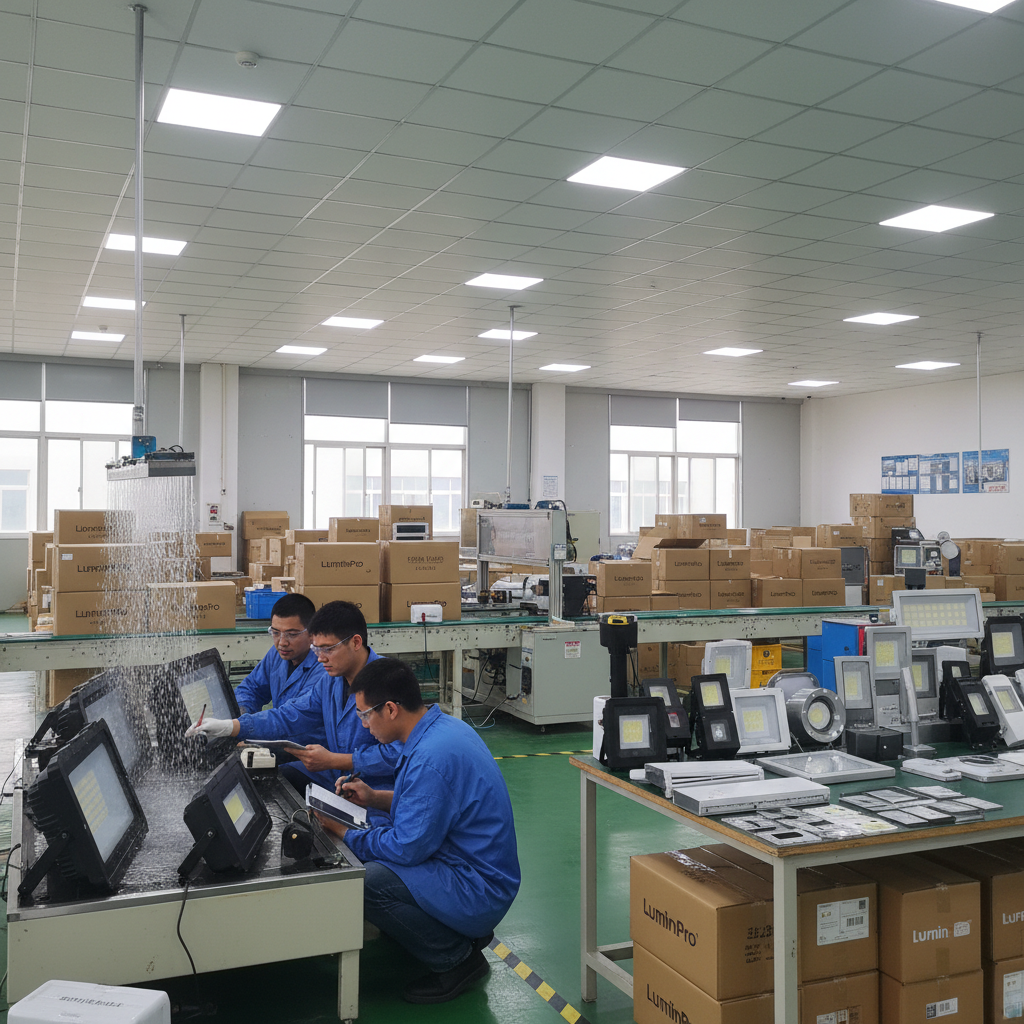
The engineering behind these lights is fascinating. Modern LED street lights come with IP (Ingress Protection) ratings that define their ability to withstand dust and water. For instance, an IP65 rating ensures that the fixture is dust-tight and can handle low-pressure water jets from any direction. The integration of smart technology also enhances durability by allowing real-time monitoring and predictive maintenance5, which prevents potential failures before they occur.
Environmental Adaptability
LED street lights are designed to withstand a wide range of environmental conditions, from extreme heat to severe cold. I remember standing in awe during a winter evening stroll, noticing how brilliantly the LED lights performed despite the freezing cold. They're designed to function in extreme temperatures ranging from -40°C to 50°C. Some models come with anti-corrosion coatings6 perfect for coastal areas and are tested for shock and vibration resistance.
- Temperature Range: Typically from -40°C to 50°C
- Corrosion Resistance: Anti-corrosive treatments for coastal areas
By incorporating such robust features, LED street lights provide municipalities an opportunity to enhance urban infrastructure, cut maintenance costs, and enjoy lasting, reliable lighting solutions.
LED street lights use aluminum for housing.True
Aluminum is commonly used for its corrosion resistance.
LED street lights lack IP ratings for protection.False
They often have IP ratings like IP65 for dust and water resistance.
How Do Smart Controls Benefit LED Street Lighting Systems?
Imagine a world where streetlights are more than just beacons in the night; they’re intelligent guardians of our urban landscapes.
Smart controls in LED street lighting systems enhance energy efficiency by enabling features like dimming, motion detection, and remote management, leading to cost savings and improved operational flexibility.
%[Urban street with LED lights at dusk]
Enhancing Energy Efficiency
I remember the first time I witnessed smart LED streetlights at work. It was a quiet evening on a city street, and as I strolled along, the lights gently dimmed behind me while brightening ahead, almost as if they were guiding my path. This magic isn't just for show—it's all about energy efficiency. With smart controls, these lights can dim during low-traffic hours, saving energy without compromising safety.
| Feature | Benefit |
|---|---|
| Dimming | Reduced energy consumption |
| Motion Detection | Lights activate only when needed |
Learn more about LED street lighting7.
Operational Flexibility
The beauty of smart controls extends beyond mere lighting adjustments. Imagine being able to manage an entire city's streetlight system from a single dashboard. I've seen operators effortlessly tweak lighting levels and respond to outages from their offices, which is particularly handy during unexpected weather changes or special events.
Improving Public Safety
Safety is something I never take lightly, especially when it comes to public spaces. Smart lighting systems ensure that streets are well-lit when it matters most—like during peak traffic times or emergencies. This adaptability is crucial in reducing accidents and deterring crime, giving everyone peace of mind.
Learn more about adaptive lighting8.
Environmental Impact
I’ve always been an advocate for sustainable living, so it’s exciting to see how smart LED streetlights contribute to a greener planet. By cutting down on energy use, these systems lower greenhouse gas emissions. Plus, LEDs are made from eco-friendly materials and are fully recyclable—a win for both urban environments and Mother Earth.
Explore the eco-friendly benefits of smart LED solutions9.
Case Studies and Examples
Cities around the world are reaping the rewards of smart LED streetlights. Los Angeles, for instance, has slashed its energy usage and cut down on maintenance costs significantly since adopting these smart systems. These success stories are not just numbers—they're examples of how technology can transform urban life.
Read about successful smart city initiatives10.
Smart controls reduce energy use in LED street lights.True
Smart controls enable dimming and motion detection, lowering energy consumption.
LED street lights with smart controls increase maintenance costs.False
Remote management reduces the need for on-site maintenance, cutting costs.
Are LED Street Lights Environmentally Friendly?
Ever gazed up at those sleek LED street lights lining the streets and wondered if they're truly as green as they claim? Let’s dive into their eco-friendliness.
LED street lights are environmentally friendly because they use less energy, have a long lifespan, and contain no hazardous materials. This reduces carbon emissions and makes them fully recyclable, making them a sustainable choice for cities.
%[A serene nighttime urban street illuminated by LED lights]
Energy Efficiency and Environmental Impact
I remember when our city first switched to LED street lights; it was like watching a transformation happen overnight. LEDs consume significantly less energy compared to the old incandescent or halogen bulbs we used to have. This change not only helped in reducing our city's carbon footprint but also contributed positively to the environmental goals11 we were striving for.
| Lighting Type | Energy Consumption (kWh) | Average Lifespan (Hours) |
|---|---|---|
| Incandescent | 60 | 1,000 |
| Halogen | 42 | 2,000 |
| LED | 10 | 50,000 |
Longevity and Maintenance Benefits
I once spoke with a city maintenance worker who mentioned how he loved that LEDs lasted over 50,000 hours. "It's like they're set and forget," he said, with a smile that spoke of less frequent climbs up those ladders. Their longevity means fewer replacements, leading to less waste and lower maintenance costs12. It's a win-win for both our wallets and the planet.
Integration with Smart Technologies
The introduction of smart technologies with LEDs is something I find particularly fascinating. Imagine driving through a city where street lights dim during low traffic hours or brighten when they detect movement. These smart controls optimize energy use, and in turn, extend the operational life13 of the infrastructure. It's like living in a sci-fi movie but way cooler because it's real life!
Environmental Considerations: Beyond Energy Savings
What's reassuring is that LEDs contain no hazardous materials like mercury. After their long service life, they're fully recyclable, aligning perfectly with sustainable urban development principles. For more information on their material safety, you can check out material safety14.
While LED street lights present numerous environmental benefits, it's crucial to consider their entire lifecycle—production to disposal—to fully grasp their impact. Exploring local implementations can provide deeper insights into their sustainability potential. I’m always curious about how different regions innovate with this technology.
LEDs consume less energy than incandescent bulbs.True
LEDs use 10 kWh compared to incandescent bulbs' 60 kWh, reducing energy use.
LED street lights contain mercury.False
LEDs do not contain hazardous materials like mercury, unlike some other lighting options.
Conclusion
LED street lights offer energy efficiency, long lifespan, smart controls, and improved visibility. They reduce maintenance costs and environmental impact, making them a sustainable choice for urban lighting.
Discover how LED street lights save on energy costs through efficient design and smart technology. ↩
Learn about the integration of smart systems that optimize LED lighting efficiency. ↩
Discover the specific materials used in LED street lights that enhance their durability. ↩
Learn how heat sinks help manage heat and extend the lifespan of LED lights. ↩
Explore how predictive maintenance can prevent failures in LED lighting. ↩
Find out how anti-corrosion coatings protect LED street lights in harsh environments. ↩
Explore comprehensive insights into the benefits of LED street lighting over traditional methods. ↩
Discover how adaptive lighting technology can dynamically enhance street safety. ↩
Understand the eco-friendly advantages of integrating smart controls with LED systems. ↩
Find real-world examples of cities that have successfully implemented smart LED streetlights. ↩
Discover how urban areas are setting environmental goals and how LED street lights contribute to these aims. ↩
Learn about the cost benefits associated with maintaining LED street lights compared to traditional lighting. ↩
Explore how smart technologies enhance the operational life of LED street lighting systems. ↩
Find out more about the material safety aspects and recycling process for LED lights. ↩