
Have you ever been wowed by the dazzling lights at a stadium? It’s likely thanks to LED technology.
LED stadium lights offer up to 60% energy savings and 50,000+ hour lifespan. For large-scale buyers, smart controls, global certifications, and IP65+ weatherproofing are essential for durability and compliance. Strategic logistics partnerships and thermal management can prevent costly downtime, ensuring a smooth project flow.
I remember the first time I attended a night game under newly installed LED lights. The clarity was breathtaking, and I couldn’t help but think about the technology behind it. These lights not only transform how we see sports but also redefine efficiency and sustainability in large venues. Let's explore how LED stadium lights integrate with smart systems, ensure compliance, and stand strong against harsh weather conditions.
LED stadium lights cut operational costs by 60%.True
LED lights are more energy-efficient than traditional lighting, reducing costs.
LED stadium lights last less than 10,000 hours.False
LED stadium lights have a lifespan exceeding 50,000 hours, ensuring durability.
How Do LED Stadium Lights Improve Energy Efficiency?
Ever wondered how those bright stadium lights can be so eco-friendly?
LED stadium lights enhance energy efficiency by using cutting-edge technology to lower electricity usage. They provide more lumens per watt and feature smart controls for optimal use, greatly reducing energy costs.
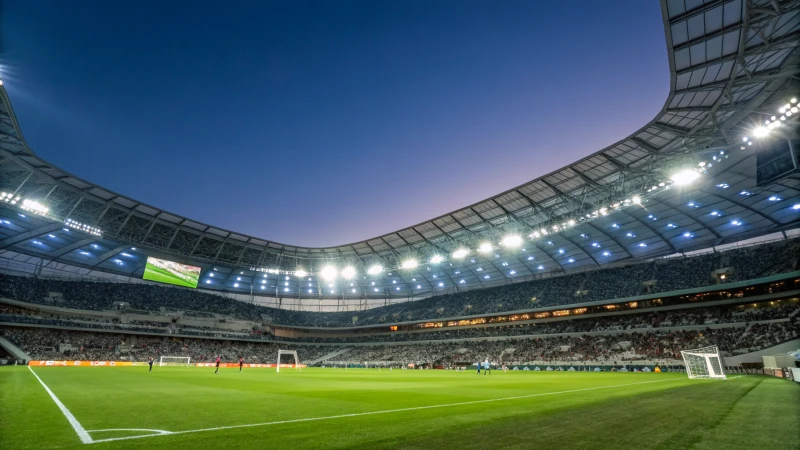
Advanced Technologies in LED Lighting
I remember the first time I switched my stadium's lighting to LEDs; it felt like stepping into the future. These lights leverage advanced tech to ensure that most of the electricity is transformed into light, not heat, which means less waste and more efficiency.
| Feature | LED Lighting | Traditional Lighting |
|---|---|---|
| Lumens per Watt (lm/W) | Up to 150 lm/W | Approximately 50-70 lm/W |
| Lifespan | 50,000+ hours | 1,000-2,000 hours |
| Heat Emission | Low | High |
Smart Control Integration
Integrating smart controls into these systems was a game-changer for me. I could manage everything remotely, tweaking the brightness based on how packed the stadium was or even how sunny it got. This automated control saved so much energy by adjusting light levels as needed.
For large-scale projects, like when I was coordinating lighting for multiple stadiums, ensuring these systems could easily scale and integrate with existing Building Management Systems (BMS1) was crucial.
Cost Efficiency and ROI
Initially, I balked at the cost, but once I saw the numbers—60% energy savings and a return on investment within a couple of years—I was sold. It's like comparing apples to oranges when you look at the long-term benefits.
Here's a quick breakdown of the costs over a decade:
| Cost Component | LED Lighting | Traditional Lighting |
|---|---|---|
| Initial Installation | Higher | Lower |
| Energy Cost | Significantly Lower | Higher |
| Maintenance & Replacing | Lower | Higher |
By prioritizing lumens per watt and embracing smart technologies, I not only slashed electricity bills but also took a significant step toward reducing our carbon footprint—aligning perfectly with modern sustainability goals.
Certifications and Compliance
In my experience, ensuring that every LED light met international standards like CE, UL, or ETL certifications was non-negotiable. The last thing anyone needs is a delay because of regulatory issues, especially in strict regions like the EU and North America. Always go for suppliers with verified certifications to avoid hiccups in your project timeline (certification2).
Durability and Weatherproofing
In places where the weather can be extreme, having LEDs with IP65+ ratings was essential. These lights are tough, with great heat dissipation and shock-resistant casings, which was particularly useful during harsh weather conditions. Plus, using thermal management technology gave me peace of mind by extending their lifespan even further (thermal management3).
LEDs convert more electricity into visible light than heat.True
LEDs are designed to maximize light output, reducing energy lost as heat.
Smart controls in LED systems reduce manual intervention by 70%.False
Smart controls typically reduce manual intervention by around 40%, not 70%.
Why Are Smart Controls Essential for Stadium Lighting?
Have you ever felt the thrill of a stadium lit just right, capturing every moment with perfect clarity?
Smart controls in stadium lighting are essential because they significantly enhance energy efficiency, reduce operational costs, and improve the overall event experience. By integrating with systems for real-time adjustments, these controls ensure optimal lighting tailored to specific needs, making them a crucial component of modern stadium management.
%[A vibrant stadium at night with colorful lights and fans]
Enhancing Energy Efficiency
I remember the first time I saw smart controls in action at a stadium event—it was like witnessing a symphony conducted by technology. These controls dynamically adjust lighting levels based on usage, drastically cutting down energy waste. Imagine being able to minimize lighting during non-event hours, saving on electricity bills and extending the life of those LED lights.
With Building Management Systems (BMS4), operators like me can manage lighting remotely. Scheduling lights based on the stadium's calendar ensures they are only on when needed. This simple act not only saves energy but also increases the longevity of the lighting infrastructure.
Cost Savings and ROI
Initially, investing in smart controls may seem pricey, but let me tell you, the return on investment (ROI) is swift and substantial. With high-end LED lights equipped with smart controls, I've seen operational costs slashed by up to 60%. That's a huge saving!
| Cost Factor | Traditional Lighting | Smart LED Lighting |
|---|---|---|
| Energy Usage | High | Low |
| Maintenance | Frequent | Infrequent |
| ROI Timeline | Slow | Fast |
Seamless Integration for Scalability
Smart controls aren't just a techy upgrade—they're future-proofing our stadiums. They integrate seamlessly with existing infrastructure and can adapt to future technologies, ensuring scalability for various events.
Integrating with Building Management Systems5 allows centralized control, reducing manual intervention by about 40%. This makes operations smoother and more efficient, a win-win for everyone involved.
Enhanced Spectator Experience
As a spectator, nothing beats the atmosphere created by perfectly timed lighting. Smart lighting elevates this experience by adapting to real-time needs—dimming during replays or spotlighting key moments. It’s like having a personalized light show with every event.
These intelligent systems respond to environmental cues and pre-set scenarios, ensuring that every spectator feels immersed in an engaging environment. This capability adds immense value to the overall experience.
In summary, integrating smart controls into stadium lighting isn’t just a technological advancement—it's an essential strategy for boosting efficiency, cutting costs, and enhancing event experiences. As we move forward, these systems will remain indispensable in modern venue management.
Smart controls cut stadium energy use by 60%.True
Smart controls reduce energy usage significantly, lowering operational costs.
Traditional lighting offers faster ROI than smart controls.False
Smart controls provide a faster ROI due to reduced energy and maintenance costs.
What Certifications Should You Look for in LED Stadium Lights?
Have you ever found yourself squinting under stadium lights, wondering if they could shine any brighter or last any longer?
When choosing LED stadium lights, look for UL, CE, ETL, and DLC certifications. These ensure the lights meet essential safety, energy efficiency, and quality standards, vital for sports venues.
%[Photorealistic image of LED stadium lights illuminating a sports field.]
Understanding Key Certifications
I remember the first time I had to choose LED stadium lights for a project—it was daunting! The number of options and technical details felt overwhelming. But as I dug deeper, I realized that focusing on a few key certifications made all the difference. These certifications are like the Good Housekeeping Seal of Approval for lights, ensuring they meet rigorous standards.
- UL (Underwriters Laboratories): This one's all about safety in the U.S., and knowing a product has UL certification gave me peace of mind. It's like having a safety net that prevents electrical hazards.
- CE (Conformité Européenne): If you're in Europe, this is non-negotiable. It covers health, safety, and environmental protection—basically, it says the product is ready to meet European standards.
- ETL (Electrical Testing Laboratories): This is similar to UL but offers an alternative path to demonstrate compliance with North American safety standards.
- DLC (DesignLights Consortium): This focuses on energy efficiency, which was crucial for me because saving on operational costs is always a win.
| Certification | Region | Focus |
|---|---|---|
| UL | USA | Safety |
| CE | EU | Safety & Compliance |
| ETL | USA | Safety |
| DLC | USA | Energy Efficiency |
Why These Certifications Matter
I can't stress enough how important these certifications are—they're not just bureaucratic red tape. They're about ensuring the products you invest in are reliable and perform as promised. Imagine dealing with a stadium full of fans only to have your lights fail because they weren't certified! It’s a nightmare scenario I’ve always wanted to avoid.
Products without these6 certifications can lead to delays in project timelines due to regulatory issues, especially in large-scale sports venues. In addition, certified products often come with assurances of better performance and longevity.
Real-World Implications
Energy Efficiency:
I once worked on a project where switching to DLC-certified lights7 slashed energy bills by nearly 60%. That kind of savings adds up fast, making the initial investment well worth it.
Project Delays:
Picture this: your shipment of stadium lights gets stuck at customs because they lack CE or UL certification. It happened to a colleague of mine, and it threw their entire timeline off by months. Lesson learned—always check those certifications.
Additional Considerations
Beyond certifications, don't forget about features like weatherproof ratings (e.g., IP65) and smart control capabilities that integrate with Building Management Systems8. They can really enhance the longevity and functionality of your lighting systems. I once integrated smart controls that allowed for remote monitoring—trust me, it was a game-changer in reducing manual intervention.
Choosing Reliable Suppliers
I've found that working with transparent suppliers makes all the difference. It's like choosing a trustworthy friend who always has your back. Platforms like Alibaba and LinkedIn have been my go-to's for connecting with reputable suppliers who openly share their product certifications and ensure quality that stands up to real-world conditions. Engaging with reputable manufacturers ensures that you not only meet compliance standards but also receive high-quality products9 that stand the test of time in various operating conditions.
UL certification is mandatory for LED lights in the USA.False
UL certification is not mandatory but indicates compliance with safety standards.
DLC certification focuses on energy efficiency for lighting.True
DLC certification ensures lighting products meet energy efficiency and performance standards.
How Does Weatherproofing Affect LED Stadium Light Performance?
Ever wondered how weatherproofing can make or break the performance of LED stadium lights?
Weatherproofing dramatically boosts the performance of LED stadium lights by shielding them from water, dust, and extreme temperatures. This not only ensures consistent operation but also cuts down on maintenance and extends the lifespan of the lights in outdoor environments.
%[LED stadium light illuminating a sports field in the rain]
Understanding Weatherproof Ratings
I remember the first time I had to deal with IP ratings—it felt like deciphering a secret code. But once I cracked it, it made all the difference in choosing the right LED stadium lights10. These IP ratings tell us how well-protected our lights are from dust and water, crucial for any outdoor setting. When I'm evaluating options, an IP65 or higher is my go-to for ensuring durability.
| IP Rating | Protection Level |
|---|---|
| IP65 | Dust-tight and protected against water jets |
| IP66 | Dust-tight and protected against heavy seas |
| IP67 | Dust-tight and protected against water immersion |
Importance of Robust Casing
The robustness of a light’s casing is something I learned to never underestimate. I recall a project where we opted for aluminum casings because they’re both lightweight and tough, perfect for standing up to harsh weather. Plus, with built-in thermal management technology11, these casings help manage heat, keeping everything cool and functioning smoothly.
Impact on Energy Efficiency and Maintenance
I can’t stress enough how effective weatherproofing has streamlined energy efficiency for me. By maintaining operational integrity, these lights minimize energy loss, which is a big win on the efficiency front. And let's not forget about maintenance costs—weatherproofing has significantly reduced those pesky expenses by ensuring that the system stays in tip-top shape longer. It's like having a smart assistant with smart control systems12 that adjust lighting to real-time conditions, optimizing every watt of energy used.
Protection Against Extreme Temperatures
Dealing with temperature-sensitive LEDs can be tricky, especially in regions where the weather likes to throw surprises. Weatherproofing acts like a cozy blanket for these lights, providing thermal insulation that’s vital for consistent performance, whether it’s scorching hot or freezing cold. It’s this kind of protection that reassures me when deploying lights in extreme climates.
By integrating these features into broader systems, we can really see the magic happen with smart controls managing lighting across multiple venues or projects. It’s all about enhancing both performance and the overall user experience.
IP65 rating protects against water jets.True
IP65 rating ensures dust-tight and protection against water jets.
Aluminum casings increase LED energy loss.False
Aluminum casings are lightweight, durable, and help manage heat.
Conclusion
LED stadium lights enhance energy efficiency, reduce operational costs by up to 60%, and last over 50,000 hours. Smart controls optimize usage and ensure compliance with safety standards.
Discover how BMS integrates with smart lighting for enhanced control and energy savings. ↩
Learn the significance of certifications in ensuring quality and compliance in lighting projects. ↩
Understand how thermal management technology prolongs the lifespan of LED lights. ↩
This link provides insights into how BMS can optimize energy use in large venues. ↩
Discover how smart controls integrate with BMS for efficient stadium operations. ↩
Understand why UL and CE certifications are critical for ensuring safety and regulatory compliance in LED lighting projects. ↩
Learn how DLC certification impacts the energy efficiency of LED lights, offering significant cost savings. ↩
Explore how integrating smart controls with LED lighting systems enhances functionality and efficiency. ↩
Discover tips on identifying trustworthy suppliers offering certified LED products for stadiums. ↩
Understanding IP ratings helps ensure your stadium lights are protected against environmental factors, crucial for long-term performance. ↩
This technology is vital for preventing overheating in LEDs, ensuring longevity and efficient performance in various weather conditions. ↩
Smart controls enhance energy efficiency by adjusting lighting based on real-time data, crucial for cost savings and sustainable operation. ↩