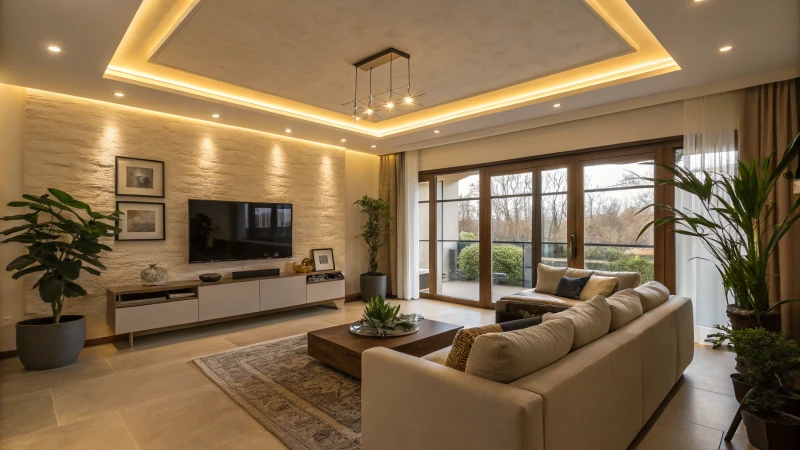
Considering a switch to LED lighting? I want to share my experience with you!
LED lights really provide big savings over time compared to old-style bulbs. They use 75% less energy. They last up to 50,000 hours. They need less maintenance. Costs stay lower in the long run.
When I switched to LED lighting, I initially felt unsure. However, I soon noticed these small bulbs were brighter and changed my expenses. They really reduced my energy bills. I replaced them much less frequently, which was a nice surprise. Imagine saving money while also helping the environment!
LED lights use less energy than incandescent bulbs.True
LEDs consume significantly less energy, leading to lower electricity bills over time.
LED lighting requires more maintenance than traditional bulbs.False
In fact, LED lights require less maintenance due to their longer lifespan.
What Are the Initial Costs of Switching to LED Lights?
Are you thinking about changing to LED lights but feeling worried about the prices? I’ve experienced that too. Understanding the first expense often surprises with long-term advantages!
Switching to LED lights requires spending more money at first. Buying bulbs and installing them cost more than with regular lights. However, energy savings grow over time. These savings help reduce the initial expenses. Maintenance needs also decrease with LED lights.

Understanding Initial Costs
Switching to LED lights involves many decisions. I want to share what I learned during this process. Initial expenses may seem high at first. But when I looked closely at the details, I understood this change isn't only about immediate costs. It's about building a brighter and more economical future for my home or business.
Cost Breakdown
| Here’s a simple table to illustrate the typical costs associated with switching to LED lighting: | Item | Incandescent | Fluorescent | LED |
|---|---|---|---|---|
| Cost per Bulb | $1 - $3 | $3 - $10 | $5 - $20 | |
| Lifespan (hours) | 1,000 | 10,000 | 25,000 - 50,000 | |
| Energy Use (W) | 60W | 15W | 8W | |
| Annual Energy Cost | $10 - $30 | $5 - $15 | $2 - $6 |
This table highlights not only the initial cost but also the long-term savings associated with LEDs. For example, an LED bulb may cost more upfront but will provide significant energy savings over its lifespan.
Installation Costs
Installation costs differ based on your situation:
- DIY Installation: Handy people may save money by doing it themselves.
- Professional Installation: Larger projects or retrofits might need an electrician. This costs maybe $50 to $100 per hour.
Potential Upgrades
While upgrading to LED, I discovered possible needs for some upgrades:
- Dimmers: Some LEDs work with old dimmer switches. Others need new ones designed for LEDs.
- Fixtures: Some fixtures might not fit new LED bulbs well and could need replacing.
Evaluating Long-term Savings
Understanding the true value of switching to LEDs requires looking at savings:
- Direct savings come from lower energy bills.
- Indirect savings involve less maintenance because of the longer life of LEDs and reduced cooling costs since they emit less heat than traditional bulbs.
For example, calculate your potential savings1 by assessing my current lighting expenses compared to projected LED costs.
Conclusion
Learning about initial costs meant considering bulb prices, installation fees and possible upgrades. By looking at all these elements, I made an informed decision that led to significant long-term savings. If you're curious about LED lighting's economic benefits, explore this resource2 for more insights!
LED bulbs have a higher upfront cost than incandescent bulbs.True
LED bulbs typically range from $5 to $20, while incandescent bulbs cost $1 to $3, indicating higher initial costs for LEDs.
Switching to LED lights reduces long-term energy expenses.True
LEDs consume less energy and last longer, leading to significant savings on energy bills over time compared to traditional lighting.
How Do LED Lights Compare to Incandescent and CFL Bulbs in Energy Consumption?
Ever stood in a dimly lit room, squinting at a dull light bulb? Maybe you wondered if a better choice existed. I have felt the same way. Let's look at how LED lights compare to incandescent and CFL bulbs. Especially important is how they save energy and money.
LED lights consume much less energy compared to traditional bulbs. They use up to 75% less energy than incandescent bulbs. CFLs use over 50% more energy than LEDs. This really helps save a lot over time. Switching to LEDs benefits both your wallet and the planet. It’s a smart choice.

Energy Efficiency Breakdown
LED lights are renowned for their superior energy efficiency compared to incandescent and CFL bulbs. Let's break down the energy consumption across these three types of lighting:
| Bulb Type | Wattage Used | Lifespan (Hours) | Energy Consumption (kWh/year) |
|---|---|---|---|
| Incandescent | 60W | 1,000 | 438 |
| CFL | 13W | 10,000 | 113 |
| LED | 8W | 50,000 | 35 |
As seen in the table above, LED lights use 75% less energy than incandescent bulbs and over 50% less than CFLs. This significant reduction leads to considerable savings on electricity bills over time. For example, replacing a single incandescent bulb with an LED can save up to $100 per year in energy costs when used for an average of 12 hours a day.
Longevity and Maintenance Cost
The lifespan of LED bulbs far exceeds that of their counterparts. Here’s a deeper look into how longevity affects energy consumption and costs:
- Incandescent Bulbs: Last approximately 1,000 hours. Frequent replacements lead to higher maintenance costs.
- CFL Bulbs: Generally last around 10,000 hours, requiring fewer replacements but still significantly lower than LEDs.
- LED Bulbs: Can last up to 50,000 hours or more, drastically reducing both replacement frequency and maintenance costs.
The long lifespan of LEDs not only saves money on replacements but also on labor costs associated with changing bulbs in commercial settings. Learn more about lifespan impact3.
Heat Emission and Cooling Costs
Another aspect to consider is heat emission. LEDs emit significantly less heat compared to incandescent and CFL bulbs:
- Incandescent Bulbs: Emit up to 90% of their energy as heat.
- CFL Bulbs: Emit a moderate amount of heat but still more than LEDs.
- LED Bulbs: Emit very little heat, which can translate into lower cooling costs in warm environments.
In commercial spaces, the reduced heat output of LEDs can lead to significant savings on air conditioning, making them a more efficient choice overall. Explore cooling cost savings4.
Environmental Considerations
The environmental impact of switching to LEDs cannot be overlooked:
- LEDs contribute to lower energy consumption, thereby reducing overall carbon emissions. A report by the U.S. Department of Energy indicates that replacing one incandescent bulb with an LED can decrease carbon dioxide emissions by over 200 pounds annually.
- Additionally, LEDs do not contain hazardous materials like mercury found in CFLs, making them a safer choice for the environment.
This ecological advantage aligns with sustainability goals for many businesses and individuals. Check out sustainability benefits5.
Return on Investment (ROI)
While the initial cost of LEDs may be higher, the ROI is favorable due to their energy efficiency and longevity:
- The typical payback period for switching to LEDs in commercial settings is between 1 to 2 years, after which users can expect considerable savings over the lifespan of the bulbs.
- Businesses often find that the long-term benefits of reduced energy bills and maintenance costs far outweigh the upfront investment.
Making an informed decision about lighting options can lead to significant financial and environmental benefits. Find out more about ROI6.
LED lights use 75% less energy than incandescent bulbs.True
This claim highlights the significant energy savings of LED lights compared to traditional incandescent bulbs, making them a more efficient option.
CFL bulbs have a longer lifespan than LED bulbs.False
This statement is false; LED bulbs last up to 50,000 hours, far exceeding the lifespan of CFLs at around 10,000 hours.
What Factors Influence the Return on Investment for LED Lighting?
Ever thought about why LED lighting is a great pick for saving money? Let's explore the reasons that impact its value for your savings. I have witnessed these factors in action in real life.
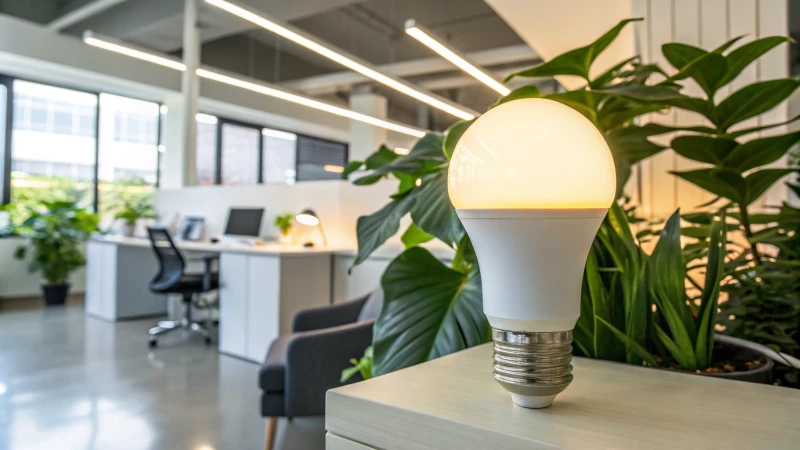
The return on investment (ROI) for LED lighting depends on energy efficiency, lifespan and maintenance costs. Heat emission also plays a role. Environmental impact and adaptability in usage influence ROI too. Understanding these factors helps in making good financial decisions about using LEDs. Recognizing these aspects is very important.
Energy Efficiency and Cost Savings
The most prominent factor influencing the return on investment (ROI) for LED lighting is energy efficiency. LEDs are designed to use significantly less energy than traditional incandescent and fluorescent bulbs.
For instance, switching from a 60W incandescent bulb to an 8W LED could save about $100 annually in energy costs. This saving becomes even more substantial in commercial applications where multiple fixtures are used.
| Bulb Type | Wattage | Annual Energy Cost Savings |
|---|---|---|
| Incandescent | 60W | - |
| LED | 8W | $100 |
By understanding how these savings accumulate over time, businesses can see why investing in LEDs is a sound financial decision. You can explore more on energy-efficient lighting options7.
Longer Lifespan and Reduced Maintenance
Another vital factor is the lifespan of LED lights. LEDs can last up to 50,000 hours, which dramatically reduces the frequency of replacements compared to traditional bulbs that last between 1,000 and 10,000 hours.
In commercial settings, this translates into fewer labor hours for replacements and lower overall maintenance costs. For example:
- Incandescent Bulbs: Replace every 1 year (costly labor)
- Fluorescent Bulbs: Replace every 2-3 years (moderate labor)
- LED Bulbs: Replace every 10 years or more (minimal labor)
This long lifespan allows businesses to allocate resources more effectively, thus improving the ROI further. For a deeper dive, check out maintenance cost comparison8.
Lower Heat Emission
LEDs also emit significantly less heat compared to traditional bulbs. With up to 90% less heat emission, they not only save on energy costs but also reduce air conditioning expenses in commercial spaces.
This is particularly beneficial in warmer climates where cooling costs can be a substantial part of operational expenses. As a case study:
- A typical office with incandescent lighting may spend an additional $200/month on cooling due to heat generated by bulbs.
- Switching to LEDs can eliminate this extra cost and contribute to significant savings over time.
To learn more about how to optimize cooling costs with lighting, read more about heat management strategies9.
Environmental Impact
The environmental benefits of LED lighting are another factor that can influence ROI. LEDs consume less energy and have a longer lifespan, which directly translates to lower carbon emissions.
For instance, replacing one incandescent bulb with an LED can reduce carbon dioxide emissions by over 200 pounds annually. In larger facilities, the environmental impact can be extensive, aligning with corporate sustainability goals and enhancing brand image.
- This aspect may not have immediate financial returns but can affect long-term profitability and customer loyalty.
Discover more about the environmental benefits of switching to LED by visiting sustainable lighting practices10.
Instant Brightness and Dimmability
Finally, LEDs offer instant brightness and compatibility with dimming systems. Unlike CFLs, which require time to warm up, LEDs provide full illumination immediately.
This feature not only improves the user experience but can also lead to further energy savings as dimming capabilities allow for tailored lighting environments that match specific needs.
In commercial applications, where lighting may need to adapt throughout the day, this flexibility can also contribute to enhanced productivity and energy savings. For insights into optimizing lighting systems, check out smart lighting technology11.
LEDs reduce energy costs significantly compared to incandescent bulbs.True
Switching to LEDs can save about $100 annually in energy costs, proving their efficiency.
LED bulbs last longer than traditional incandescent bulbs.True
LEDs can last up to 50,000 hours, far exceeding the lifespan of incandescent bulbs.
I have always been a big fan of LED lights because they use less energy. They really save power. But I soon learned they also have their own problems. Let's explore these issues.
Yes, LED lights have some downsides. Color rendering issues affect how colors look. Blue light from LEDs may disrupt sleep. Older fixtures and dimmers sometimes don't work well with LEDs. Initial costs are higher, even though they save money over time. Prolonged exposure could pose health risks.
Color Rendering Issues
One of the big surprises was learning about how LEDs show colors. Some cheaper LEDs do not show colors correctly. I installed an LED light in my art studio. My paintings did not look the same as they did with old-style bulbs. The colors seemed dull because the light had a CRI below 80. Colors appeared unnatural. If you work in creative places like studios, pick LEDs with a CRI of 90 or higher. This helps keep colors bright and true. You can check out more about CRI and its impact12 on lighting selection.
Blue Light Emission
LEDs also emit more blue light than traditional bulbs. I often work late at night and I noticed that my sleep got worse. Blue light can disturb our sleep by affecting melatonin production. I switched to warm-white LEDs and used blue light filters on my screens at night. If you also stay up late working, maybe try these changes to protect your sleep. More information on blue light and its effects13 is available online.
Compatibility Problems
I had problems with my old light switches and dimmers. When I used LED bulbs, the lights flickered and buzzed, which did not feel cozy at all. Not all dimmers work well with LEDs, leading to compatibility issues.
Here’s a simple table to summarize the compatibility issues:
| Fixture Type | Compatibility | Recommended Action |
|---|---|---|
| Traditional Dimmers | Often incompatible | Replace with LED-compatible dimmers |
| Standard Fixtures | Usually compatible | Check wattage limits |
| Smart Lighting Systems | Usually compatible | Update firmware for optimal performance |
Initial Cost Considerations
LEDs cost more upfront than traditional bulbs, which can feel like a lot at first. But when I calculated the savings over time, it made sense. A 60W incandescent bulb replaced with an 8W LED saves around $100 per year. For businesses, it can be smart to look at the cost over time to see the benefits while exploring more about ROI on LED investments14 for commercial settings.
Health Concerns
Some studies mention health worries with long exposure to LED lights; bright white LEDs might cause eye strain especially if you are in a dim room or look at screens for a long time. Try using diffusers or choose warm-colored lights to reduce eye discomfort while learning more about eye health and lighting15 for better insights.
LED lights offer great advantages, but it’s important to know about possible downsides. Understanding these factors helps you choose lights that really make your space comfortable and functional.
LED lights can distort colors in certain settings.True
Low-quality LED lights may have a low Color Rendering Index (CRI), causing color distortion, particularly in art galleries or photography studios.
All LED bulbs are compatible with traditional dimmers.False
Many older dimmer switches are incompatible with LED bulbs, leading to flickering or buzzing sounds if not upgraded.
Conclusion
LED lights provide substantial long-term savings by using less energy and lasting longer than traditional bulbs, making them an economical choice despite higher upfront costs.
Discover detailed insights on the cost implications of switching to LED lighting and how it impacts long-term savings. ↩
Learn about the environmental benefits of using LED lights and how they compare in cost-effectiveness. ↩
This link provides a detailed analysis of the energy efficiency of different bulb types, helping you make an informed choice for your lighting needs. ↩
Explore insights on how heat emission affects energy consumption in commercial settings, emphasizing LED advantages. ↩
Learn about the environmental impacts of using LED lights compared to traditional bulbs, aligning with sustainability practices. ↩
This link discusses the ROI on LED lighting investments, showcasing long-term financial benefits for businesses. ↩
Clicking this link will provide you with detailed insights on energy-efficient lighting options and potential savings. ↩
Explore maintenance cost comparisons between LED and traditional lighting solutions for better ROI evaluation. ↩
Learn about effective heat management strategies that can enhance ROI through reduced cooling costs. ↩
Discover sustainable practices in lighting that contribute to both environmental and economic benefits. ↩
Find insights into smart lighting technology that can maximize energy savings and improve productivity. ↩
Explore the specific drawbacks of LED lights and understand if they align with your needs. ↩
Learn about blue light emission and its impact on health to make informed decisions about your lighting choices. ↩
Find out how to ensure compatibility of LED lights with existing fixtures and avoid common issues. ↩
Understand the return on investment when switching to LED lights for commercial settings. ↩