
Imagine transforming your kitchen into a vibrant, energy-efficient space with just a flick of a switch.
LED downlights shine as the best choice for kitchen lighting due to their unmatched energy efficiency, superb light quality, and sleek design, perfect for elevating any modern kitchen aesthetic.
I remember the first time I considered switching to LED downlights for my kitchen. It was like stepping into a brighter, more efficient world. But what sets them apart? Let me take you through the advantages of LED technology and share some tips on picking the perfect downlights for your culinary haven. From choosing the right brightness and color temperature to understanding installation options, there's a lot to consider. But don't worry; once you see how they can enhance both functionality and style, you'll wonder why you didn't make the switch sooner.
LED downlights are more energy-efficient than halogen lights.True
LEDs use less power and last longer, reducing energy consumption.
LED downlights cannot be dimmed to adjust brightness.False
Most LED downlights are compatible with dimmer switches for flexibility.
What Makes LED Downlights So Energy Efficient?
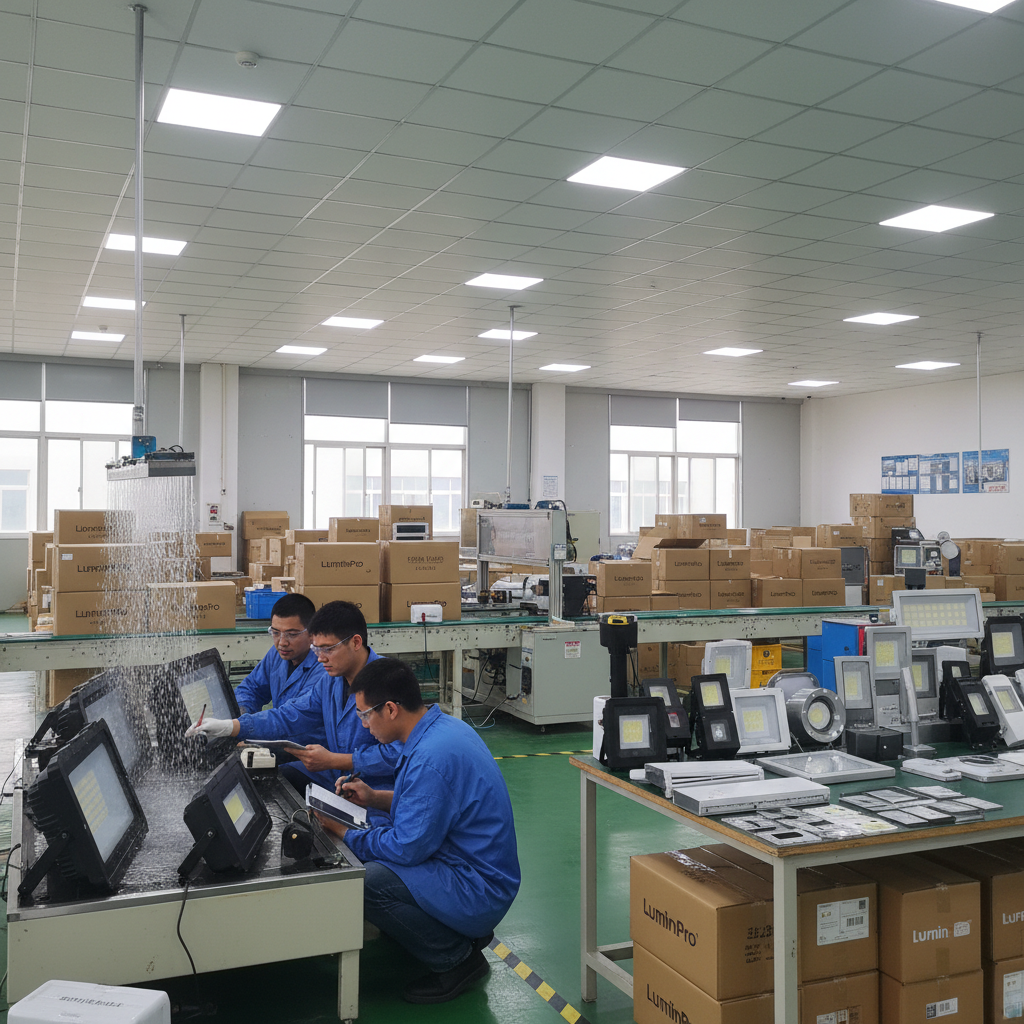
You know, I never really gave much thought to my lighting until I discovered LED downlights. These tiny marvels have completely transformed the way I see energy efficiency. Curious how they work? Let’s dig into the magic of LED technology.
LED downlights are more energy efficient because they convert most of their energy into light rather than heat. By using semiconductors, they require less electricity, making them a cost-effective and eco-friendly choice for both homes and businesses.
The Science Behind LED Efficiency
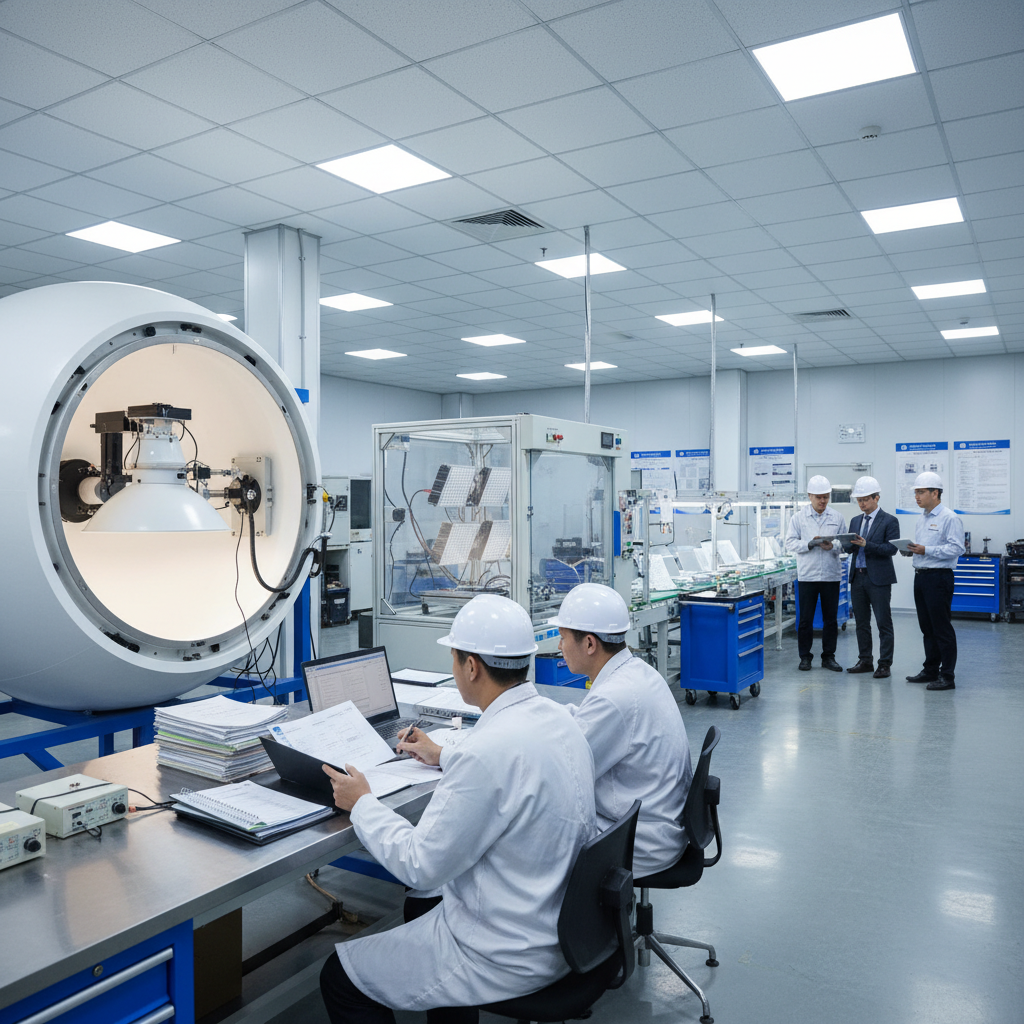
When I first heard about LED, or Light Emitting Diode, technology, it sounded like something out of a sci-fi novel. Unlike the old incandescent bulbs that heated up like a mini oven, LEDs use semiconductors to turn electricity into light with almost no energy loss. It’s like the difference between sipping tea and gulping down a boiling cup—you get the warmth without the burn.
This means that LED downlights need far less power to shine as brightly as their incandescent cousins. Imagine slashing your energy bills without dimming your lights—a win-win for any homeowner or business. Whether you’re managing costs in commercial settings1 or just trying to keep the lights on at home, these little lights pack a powerful punch.
Longevity and Durability
I’ll never forget the first time I had to change a light bulb in my new apartment. Balancing on a wobbly chair, cursing under my breath, I vowed to find something better. Enter LEDs—lasting up to 50,000 hours! That’s years of bright, reliable light without the hassle of frequent replacements. It’s like having a friend who never overstays their welcome.
Here's a quick lifespan comparison:
| Light Type | Average Lifespan |
|---|---|
| Incandescent | 1,000 hours |
| Fluorescent | 8,000 hours |
| LED | 50,000+ hours |
Environmental Impact
Switching to LED downlights isn’t just about saving money—it’s about doing your bit for our planet. With less energy use comes less greenhouse gas emission, which means fewer power plants puffing smoke into our sky. Plus, LEDs don’t have the toxic mercury found in some other bulbs, making them safer to dispose of when they finally do give out.
By choosing LEDs, you’re not just lighting up your space—you’re lighting the way toward a greener future. It feels good to know that every switch I flip contributes to sustainable practices like those followed by green projects2.
Cost-Effectiveness Over Time
I remember hesitating at the store, staring at the price tag on my first LED purchase. They were pricier than what I was used to, but the promise of long-term savings convinced me to take the plunge. Sure enough, as months passed and my electricity bills shrank, the investment paid off beautifully.
Check out this cost analysis:
| Factor | Incandescent | LED |
|---|---|---|
| Purchase Price | Low | Moderate |
| Annual Energy Cost | High | Low |
| Replacement Frequency | High | Low |
| Total 5-Year Cost | High | Low |
Future-Proof Lighting
In today’s tech-savvy world, I’m all about future-proofing my home. LEDs are perfect for this with their evolving smart technology features like remote control and dimming options. They integrate seamlessly with home automation systems, meaning you can upgrade your setup without tearing everything out. It’s like getting a phone that keeps getting software updates—always ready for what’s next.
Explore how smart lighting solutions can be integrated with existing systems for optimized energy management3.
LEDs convert more energy into light than heat.True
LED technology uses semiconductors, directing most energy towards light output.
LED downlights contain mercury, posing disposal hazards.False
LEDs contain no toxic elements like mercury, making them safer to dispose of.
How Do LED Downlights Enhance Kitchen Aesthetics?
Imagine transforming your kitchen into a cozy, modern sanctuary with just a flick of a switch!
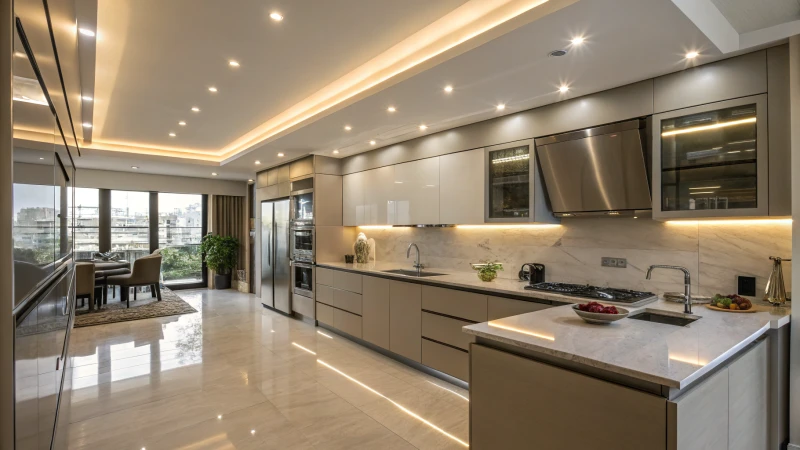
LED downlights enhance kitchen aesthetics by providing focused, ambient lighting that highlights architectural features, improves color rendition, and creates a sleek, modern appearance. Their versatility allows for tailored designs that match any kitchen style.

Creating Ambiance with LED Downlights
Let me take you back to when I first decided to revamp my kitchen. I remember standing there, imagining how a few well-placed lights could shift the entire atmosphere. That's where LED downlights4 came into play. These little marvels can set the mood just right. By positioning them thoughtfully, I could spotlight the kitchen island and the backsplash, making them more than just functional areas—they became the stars of the show.
Improved Color Rendition
Have you ever noticed how some lights just don't do justice to the colors in your home? Well, LED downlights have got that covered. They reveal the true colors of your kitchen, making everything from the cabinetry to the countertops pop. I recall when I installed them above my mosaic backsplash—suddenly, those blues and greens weren't just there; they were alive.
| Feature | Benefit |
|---|---|
| Focused Lighting | Highlights architectural features |
| Energy Efficiency | Reduces energy bills and carbon footprint |
| Long Lifespan | Minimizes maintenance and replacement costs |
| Customizable Design | Matches any kitchen style seamlessly |
Versatility in Design
What I love most about LED downlights is their versatility. They're like chameleons, adapting to whatever style I wanted. Whether I was going for a minimalist vibe or something a bit more elaborate, these lights could be adjusted to fit my vision perfectly. Adding dimmer switches was a game-changer too—perfect for creating different moods for dinners or family gatherings.
Architectural Highlighting
There's a certain magic in drawing attention to unique design elements in your home. With LED downlights, highlighting architectural features became effortless. Strategic placements in niches or above open shelving brought out details that might have otherwise gone unnoticed. It's like giving your kitchen its very own spotlight moment.
Explore lighting ideas5 that utilize LED downlights to accentuate structural details and add depth to your kitchen's design.
Energy Efficiency and Sustainability
Besides being visually stunning, these lights are champions of energy efficiency. I found that they not only brightened my space but also helped lower my electricity bills. This means enjoying a beautifully lit kitchen without the guilt of a hefty energy footprint—talk about a win-win!
For anyone interested in sustainable living without compromising on style, LED downlights are a no-brainer. Dive deeper into smart lighting solutions6 and see how they can transform your kitchen into an eco-friendly haven.
LED downlights improve kitchen color rendition.True
LEDs enhance true colors of kitchen elements, making them vibrant.
LED downlights consume more energy than traditional lights.False
LEDs are energy-efficient, consuming less energy than traditional lights.
What Factors Should You Consider When Choosing LED Downlights?
Choosing the perfect LED downlights can feel like picking the right outfit for a big event—so many options and details to consider!
When I choose LED downlights, I think about brightness, color temperature, beam angle, energy efficiency, dimmability, and how they fit with my existing fixtures. These elements are crucial for great lighting quality and saving on energy costs.

Brightness and Lumens
One of the first things I look at is brightness, which is measured in lumens. I learned this the hard way after installing some underwhelming lights in my kitchen. Trust me, you want to match the lumens with the room's purpose. Kitchens typically need more light than cozy living rooms, so it's worth checking the recommended levels.
| Area | Recommended Lumens |
|---|---|
| Kitchen | 3,000-4,000 lumens |
| Living Room | 1,500-3,000 lumens |
| Bathroom | 2,000-3,000 lumens |
Color Temperature
I remember walking into a friend's home and feeling instantly relaxed. It turns out her secret was warm white lighting (2,700K-3,000K) that created a welcoming atmosphere. Meanwhile, cooler whites (4,000K-5,000K) are better for work areas7 where focus is key.
Beam Angle
The beam angle can really change the vibe of a room. A narrow beam (20°-40°) works wonders for highlighting specific areas—like that beautiful art piece you want everyone to notice. On the other hand, a wider beam (60°-120°) fills the space with light, perfect for larger rooms.
Consider the room size8 and function when selecting the beam angle.
Energy Efficiency
I'm always on the hunt for energy-efficient solutions. LEDs are great because they provide high lumens per watt (lm/W), meaning they give you lots of light without eating up electricity. This not only cuts down on my energy costs9 but also helps me do my bit for the environment.
Dimmability
Do you ever want to switch from bright lights to something more intimate? Dimmable LEDs let you adjust the brightness and create different moods, which can also lead to further energy savings10.
Compatibility and Installation
Lastly, I make sure my new lights will work with my existing fixtures or smart home systems. Some LEDs need specific dimmers or controllers11. If you're planning to tackle installation yourself, look for features that make it easier.
Taking these factors into account ensures that the LED downlights I choose enhance both the look and functionality of any space while keeping energy efficiency and cost-effectiveness in mind.
LED downlights in kitchens need 3,000-4,000 lumens.True
Kitchens require brighter lighting for functionality, matching the 3,000-4,000 lumens range.
Warm white LEDs are best for work areas.False
Warm whites create a cozy ambiance, while cool whites suit work areas better.
How can LED downlights be integrated with smart home systems?
When I first dipped my toes into the world of smart homes, I was fascinated by the potential of integrating LED downlights into these intelligent systems. Can it be done? Absolutely, and it's quite a game-changer!
Yes, LED downlights can be integrated with smart home systems using smart hubs or compatible smart bulbs. This integration allows for remote control, scheduling, and customization, making lighting both convenient and energy-efficient.
The Basics of Integration
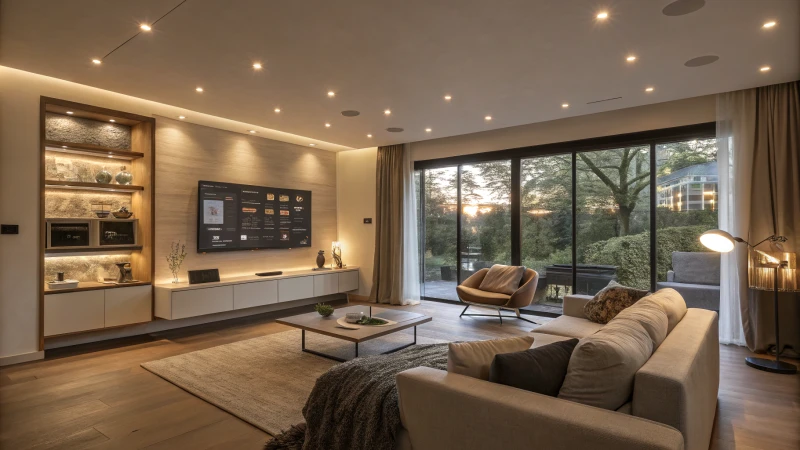
Picture this: I'm standing in my living room, merely saying, "Lights on," and my space brightens up instantly. How does this magic happen? It all starts with a smart hub12. This hub is like the maestro of a grand orchestra, harmonizing all your devices. Most modern LED downlights pair beautifully with hubs like Alexa or Google Home, turning simple voice commands into your new light switch.
| Feature | Description |
|---|---|
| Voice Control | Control lights with simple voice commands via smart speakers |
| App Management | Use smartphone apps for remote access and customization |
| Scheduling | Set specific times for lights to turn on/off automatically |
Key Technologies
My initial foray into smart lighting had me tinkering with different options, and I discovered some LED downlights come equipped with smart technology13 right out of the box. Wi-Fi or Bluetooth-enabled downlights connect directly to your home network, sometimes bypassing the need for a separate hub. All you need is the right app on your phone, and voilà!
Wi-Fi vs. Bluetooth Integration
- Wi-Fi: It's like having a global passport for your lights—broader range, more features, but slightly more power-hungry.
- Bluetooth: Perfect for those who like to keep things local—energy-efficient and works great without an internet connection.
Benefits of Smart Integration
One of my favorite perks is the energy efficiency that comes with smart lighting. Imagine waking up to lights that gently brighten as the sun rises or turning off automatically when you leave a room. This isn't just convenience; it's savings. Thanks to sensors and automated settings14, you're not just saving electricity but also enhancing your home's vibe.
Challenges and Considerations
Of course, every tech journey has its bumps. I've learned firsthand that not all LED downlights are created equal when it comes to compatibility. Checking compatibility lists15 from manufacturers before buying is crucial. And let's not forget the setup—some systems require you to channel your inner tech guru, while others are as easy as plug-and-play.
In summary, adding LED downlights to your smart home arsenal is more than feasible—it's a leap towards an efficient lifestyle. Just remember to do your homework on compatibility, choose the right tech for your needs, and assess how comfortable you are with the setup process.
LED downlights require a smart hub for integration.True
A smart hub connects LED downlights to the smart ecosystem.
All LED downlights are compatible with Alexa and Google Home.False
Compatibility varies; verify with manufacturers before purchase.
Conclusion
LED downlights are ideal for kitchens due to their energy efficiency, long lifespan, superior light quality, and versatility in design, enhancing both functionality and aesthetics.
Discover how LED lighting enhances energy efficiency and reduces costs in commercial environments. ↩
Learn about sustainable projects that benefit from the eco-friendly nature of LED lighting solutions. ↩
Understand how smart lighting can be part of a larger energy management strategy to save costs. ↩
Discover how LED downlights can transform your kitchen with enhanced lighting quality and energy efficiency. ↩
Learn creative ways to use LED downlights for emphasizing your kitchen's unique design elements. ↩
Explore smart lighting options that enhance both functionality and style in modern kitchens. ↩
Explore ideal color temperatures for enhancing productivity in workspaces. ↩
Learn how to select beam angles that suit different room sizes and functions. ↩
Understand how energy-efficient LEDs reduce costs and environmental impact. ↩
Explore how dimmable LEDs can lead to significant energy and cost savings. ↩
Find out how to ensure your LED lights are compatible with smart home technology. ↩
Learn how a smart hub connects and controls multiple devices in your home for seamless integration. ↩
Explore various smart technologies that enhance the functionality of LED downlights. ↩
Discover how automation in lighting can lead to significant energy savings. ↩
Find out how to ensure your LED downlights will work with your existing smart home setup. ↩