Have you ever wondered how to make high-traffic areas both bright and energy-efficient?
LED canopy lights provide energy-efficient, long-lasting illumination for outdoor applications like gas stations, parking garages, and commercial buildings. With lifespans of up to 100,000 hours, they reduce maintenance costs and energy usage. Consider wattage, color temperature, and IP rating when selecting LED canopy lights for optimal performance.
Remember the first time I walked through a dimly lit parking garage late at night, clutching my keys a little tighter? That's when I truly appreciated the importance of proper lighting. LED canopy lights not only brighten these spaces but also offer peace of mind. By understanding their benefits—like instant full brightness and longevity—you can confidently choose the right solution for your needs. These lights aren’t just fixtures; they’re enhancements that transform environments into secure and welcoming spaces. So, if you’re considering a lighting upgrade, diving deeper into the world of LED canopy lights could be your best decision yet.
LED canopy lights provide immediate full brightness.True
LED technology allows for instant illumination without warm-up time.
LED canopy lights are unsuitable for outdoor use.False
They are specifically designed for high-traffic outdoor spaces like gas stations.
How Do LED Canopy Lights Save Energy and Costs?
Switching to LED canopy lights was like discovering a secret weapon in the fight against energy bills.
LED canopy lights save energy and costs by consuming up to 80% less power than traditional lighting options. Their durability and minimal maintenance needs also lead to significant savings over time.
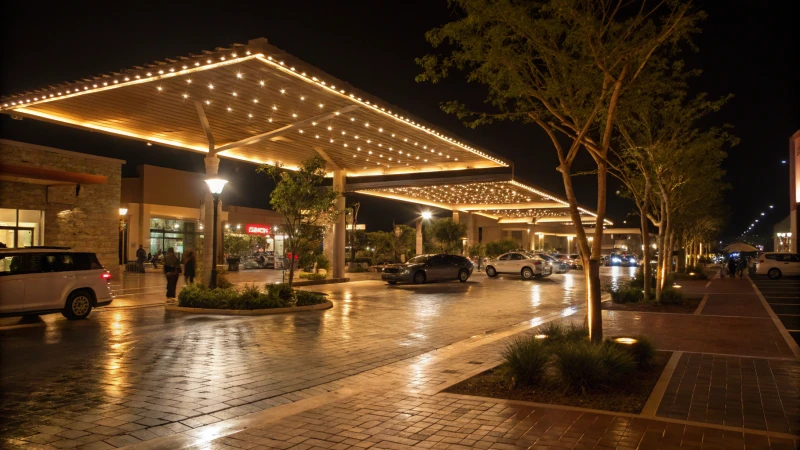
I remember the first time I swapped out the old, humming halogen bulbs at our commercial entrance for sleek LED canopy lights. It was a revelation! Suddenly, my energy bills started to plummet, and I realized these little wonders were about much more than just lighting up spaces.
Understanding LED Technology
LED canopy lights are a game-changer because of their incredible efficiency. Unlike those old-school bulbs that seemed to guzzle power, LEDs convert electricity into light with finesse. They use semiconductor technology to achieve this, cutting energy use by up to 80% compared to their incandescent or halogen predecessors. It felt like finding a goldmine in savings I never knew existed.
Cost Benefits of LED Canopy Lights
Energy Efficiency
The magic of LEDs is in their ability to shine brightly without draining the power grid. Imagine replacing a hefty 250W metal halide lamp with a nimble 100W LED. It's like putting your wallet on a diet without feeling the pinch.
| Traditional Bulb | LED Equivalent | Energy Savings (%) |
|---|---|---|
| Metal Halide (250W) | LED (100W) | 60% |
| Incandescent (75W) | LED (15W) | 80% |
Longevity and Maintenance
One of the delightful surprises was how long these LEDs last. We're talking up to 100,000 hours of reliable light. Before LEDs, it seemed like I was constantly climbing ladders to change burnt-out bulbs. But now, maintenance is hardly a blip on my radar. It's like having a dependable friend who shows up day after day, without needing anything in return.
This longevity minimizes maintenance costs1 and labor expenses.
Instant Brightness and Safety
There's nothing like flicking a switch and having instant, full brightness. No warm-up time, no waiting around. This feature is crucial for places like parking garages and gas stations where immediate illumination2 ensures safety and security.
Environmental Impact and Sustainability
Choosing LEDs also meant I was making a positive impact on the environment. By reducing electricity consumption, I was lowering our carbon footprint. Plus, with no hazardous materials like mercury, LEDs align perfectly with any sustainability goals.
LEDs lower carbon footprints and do not contain hazardous materials like mercury, making them an environmentally friendly choice for businesses aiming to enhance their sustainability efforts3.
Selecting the Right LED Canopy Light
When you're ready to make the switch, consider factors like wattage, color temperature, and IP rating. For instance:
- A 200W or higher rating is great for larger areas,
- A cool white color temperature between 5000K and 6000K offers optimal visibility.
Making sure these fixtures fit with existing systems can streamline installation and maximize both cost savings4 and energy efficiency.
Trust me; once you make the switch, you'll wonder why you didn't do it sooner.
LED canopy lights use 80% less energy than incandescent bulbs.True
LEDs convert electricity to light efficiently, reducing energy use by 80%.
LED canopy lights have a lifespan of up to 50,000 hours.False
LEDs can last up to 100,000 hours, doubling the claimed lifespan.
What Should You Consider When Choosing LED Canopy Lights?
Choosing the right LED canopy lights is like finding the perfect coffee blend: it requires knowing the essential qualities that make it truly outstanding.
When selecting LED canopy lights, focus on energy efficiency, lumen output, color temperature, IP rating, and design flexibility to ensure excellent performance and durability in outdoor environments.
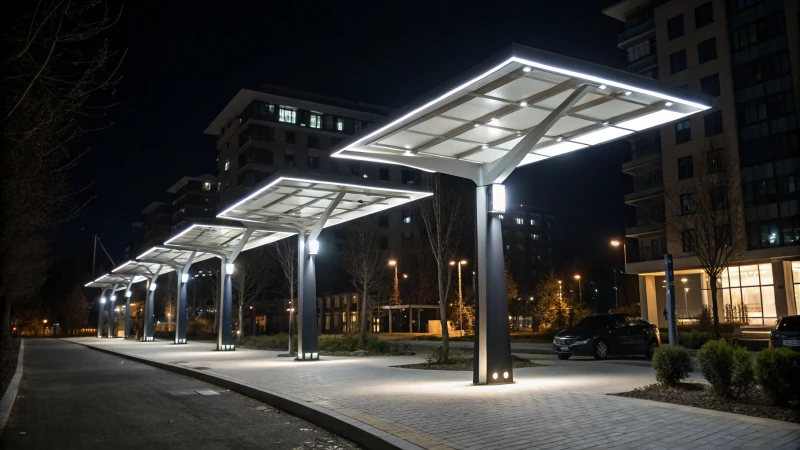
I remember when I first started looking into LED canopy lights for a project. It felt overwhelming trying to juggle all the specs and numbers. But once I broke it down into key features like energy efficiency and lumen output, it became much clearer. Here’s what I learned along the way:
Energy Efficiency and Lumen Output
LEDs are like that friend who never seems to run out of energy—they’re incredibly efficient! They use way less power than traditional lights, which is great for the budget. I found that checking the lumens per watt5 rating was crucial. You want high lumens with low wattage for the best bang for your buck.
Color Temperature and Visibility
One thing I didn’t realize at first was how much color temperature affects visibility. For areas where clear visibility is crucial, like gas stations, choosing between 5000K and 6000K can make a big difference. It’s all about picking that perfect "cool" shade for maximum clarity.
| Color Temperature | Recommended Use |
|---|---|
| 5000K | Parking Garages |
| 6000K | Commercial Entrances |
IP Rating and Durability
When you're dealing with outdoor lighting, durability is non-negotiable. An IP65 rating or higher means the lights can withstand dust and rain—essentially built to endure whatever nature throws at them. Regular checks on fixture conditions6 help keep them in top shape.
Design Flexibility and Installation
The design options for LED canopy lights reminded me of choosing furniture—so many styles! Whether you prefer surface or pendant mounts, consider your space's height and lighting needs. I learned that while surface mounts are easier to install, they might not spread light well in rooms with high ceilings.
Smart Controls and Integration
Nowadays, everything’s getting smarter—including LED canopy lights. With smart controls, these lights can sync with building management systems, offering adaptive lighting solutions7 that adjust based on who’s in the room or how much daylight there is. It's like having a personal lighting assistant!
LED canopy lights are more energy efficient than traditional lights.True
LEDs consume less power, reducing electricity bills compared to traditional lighting.
An IP45 rating is sufficient for outdoor LED canopy lights.False
IP65 or higher is needed for outdoor durability against dust and water ingress.
Where Are LED Canopy Lights Most Effectively Used?
Ever wondered how some spaces manage to stay so brightly lit and welcoming, even at night? It's all about choosing the right kind of lighting. LED canopy lights are a game-changer, bringing not just illumination but also safety and efficiency.
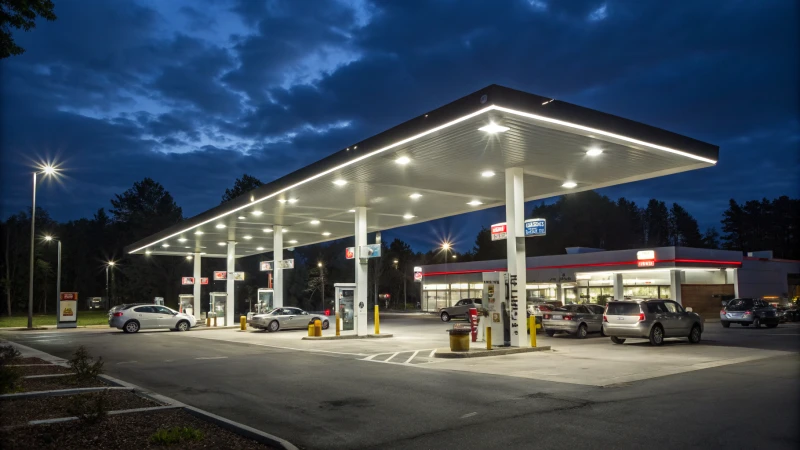
LED canopy lights are most effectively used in high-traffic areas like gas stations, parking garages, and commercial entrances. They provide bright, uniform illumination, enhancing safety and visibility while being cost-effective and energy-efficient.

Gas Stations: Illuminating Safety and Efficiency
Imagine pulling into a gas station late at night. The reassuring glow from overhead LED canopy lights immediately puts you at ease, doesn't it? These lights are essential here, thanks to their high lumen output8 which ensures pumps and walkways are always well-lit. It's not just about seeing where you're going; it's about feeling safe, knowing that the bright lights deter any unwanted activity. Plus, their instant brightness means you're never left in the dark when you need to fuel up.
| Feature | Benefit |
|---|---|
| High Lumen Output | Clear visibility around fuel pumps |
| Energy Efficiency | Reduced operational costs |
| Instant Full Brightness | Immediate lighting for safety |
Parking Garages: Enhancing Security and Visibility
I can't tell you how many times I've felt a wave of relief when driving into a well-lit parking garage. LED canopy lights play a huge role in this. They not only deter potential criminal activity but also help drivers and pedestrians navigate safely. Their durability9 means they last longer, so you won't have to worry about frequent replacements or maintenance hassles.
Commercial Entrances: Improving Appearance and Safety
For businesses, first impressions matter. That's why commercial entrances are another prime spot for these lights. Picture a beautifully illuminated entrance that not only looks professional but also welcomes visitors warmly. It's like rolling out a well-lit red carpet that says, "We're open, and we're ready to impress!" A well-lit entrance makes buildings more inviting and professional10, crucial for businesses looking to create a good first impression.
Considerations for Optimal Use
When selecting LED canopy lights, there are a few things to keep in mind:
- Wattage: Go higher for larger areas.
- Color Temperature: Choose a cool white or daylight color temperature11 like 5000K or 6000K for the best visibility.
- IP Rating: At least IP65 is perfect for outdoor installations because it protects against water and dust.
These considerations ensure that your lighting setup isn't just functional but also reliable and efficient.
LED canopy lights are ideal for gas stations.True
Gas stations need bright, efficient lighting for safety and visibility.
LED canopy lights have low energy efficiency.False
LEDs are known for high energy efficiency, reducing operational costs.
How Do You Install LED Canopy Lights for Maximum Efficiency?
Have you ever wondered how to get your LED canopy lights shining bright while ensuring a long-lasting installation? Let me guide you through it.
To install LED canopy lights, start by choosing the right mounting option and checking electrical compatibility. Consider hiring a professional for installation, and maintain the lights regularly to ensure safety and efficiency. Prioritize compliance with safety standards throughout the process.
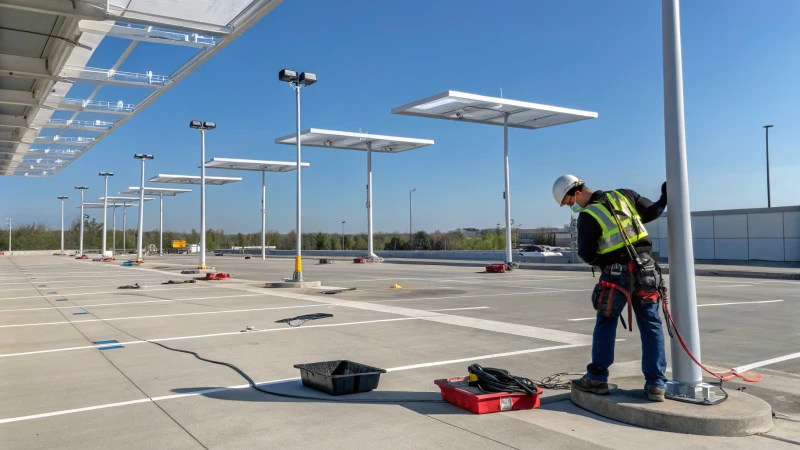
Selecting the Right Mounting Option
When I first started installing LED canopy lights, I was amazed by how different mounting options could transform a space. For straightforward projects, I found that a surface mount12 worked wonders—it's easy to install and perfect for those pesky low ceilings.
But if you're dealing with higher ceilings or want to add a dash of flair, a pendant mount might be your best friend. I remember walking into a parking garage once where pendant-mounted lights created a cozy yet modern atmosphere, turning a mundane space into something special.
Ensuring Electrical Compatibility
Ah, the complexities of voltage! It took me a few tries and a slightly embarrassing flickering mishap before I learned to double-check the electrical specs. Most LED canopy lights work between 120V to 277V, so now, my trusty voltage tester is my constant companion.
Here's a simple cheat sheet I made for myself:
| Voltage (V) | Application |
|---|---|
| 120V | Residential |
| 277V | Commercial |
Prioritizing Professional Installation
I cannot stress enough how hiring a licensed electrician saved me countless headaches. The peace of mind knowing that everything's wired safely and up to code is priceless. Plus, professionals can spot potential issues before they become costly problems.
Regular Maintenance and Longevity
Keeping those fixtures clean is like brushing your teeth—necessary for longevity! Dust and debris can really mess with light output. I set reminders to inspect my installations regularly for wear and tear. Trust me, catching small issues early has saved me from major expenses down the road.
Implementing a preventative maintenance13 schedule has been one of my smartest moves. It keeps my lighting systems in tip-top shape and ensures they shine brightly for years, much like the first day I installed them.
Surface mounts are ideal for low ceilings.True
Surface mounts require minimal tools and are perfect for low ceilings.
LED canopy lights operate only at 120V.False
LED canopy lights typically operate within a voltage range of 120V to 277V.
Conclusion
LED canopy lights provide bright, energy-efficient illumination for high-traffic areas like gas stations and parking garages, enhancing safety and reducing operational costs with long-lasting performance.
Discover how LEDs can lower maintenance expenses due to their long lifespan and durability. ↩
Learn about the advantages of instant brightness provided by LED lights in safety-critical areas. ↩
Understand how switching to LEDs can contribute to sustainability and reduce environmental impact. ↩
Find out how selecting the right LED fixtures can maximize cost savings in your projects. ↩
Learn how lumens per watt impacts the energy efficiency of LED lights. ↩
Find tips on maintaining and inspecting LED fixtures for long-term use. ↩
Explore how smart controls improve energy efficiency in lighting systems. ↩
Learn how high lumen output ensures clear visibility in places like gas stations, vital for safety and efficiency. ↩
Explore how durable LED lights reduce maintenance needs in parking garages, saving costs over time. ↩
Discover how professional LED lighting enhances building aesthetics, crucial for business impressions. ↩
Understand why choosing the right color temperature is key to achieving the best visibility outdoors. ↩
Explore different surface mounting options to simplify installation and ensure optimal light distribution. ↩
Discover how preventative maintenance schedules can enhance the longevity and performance of your lighting system. ↩