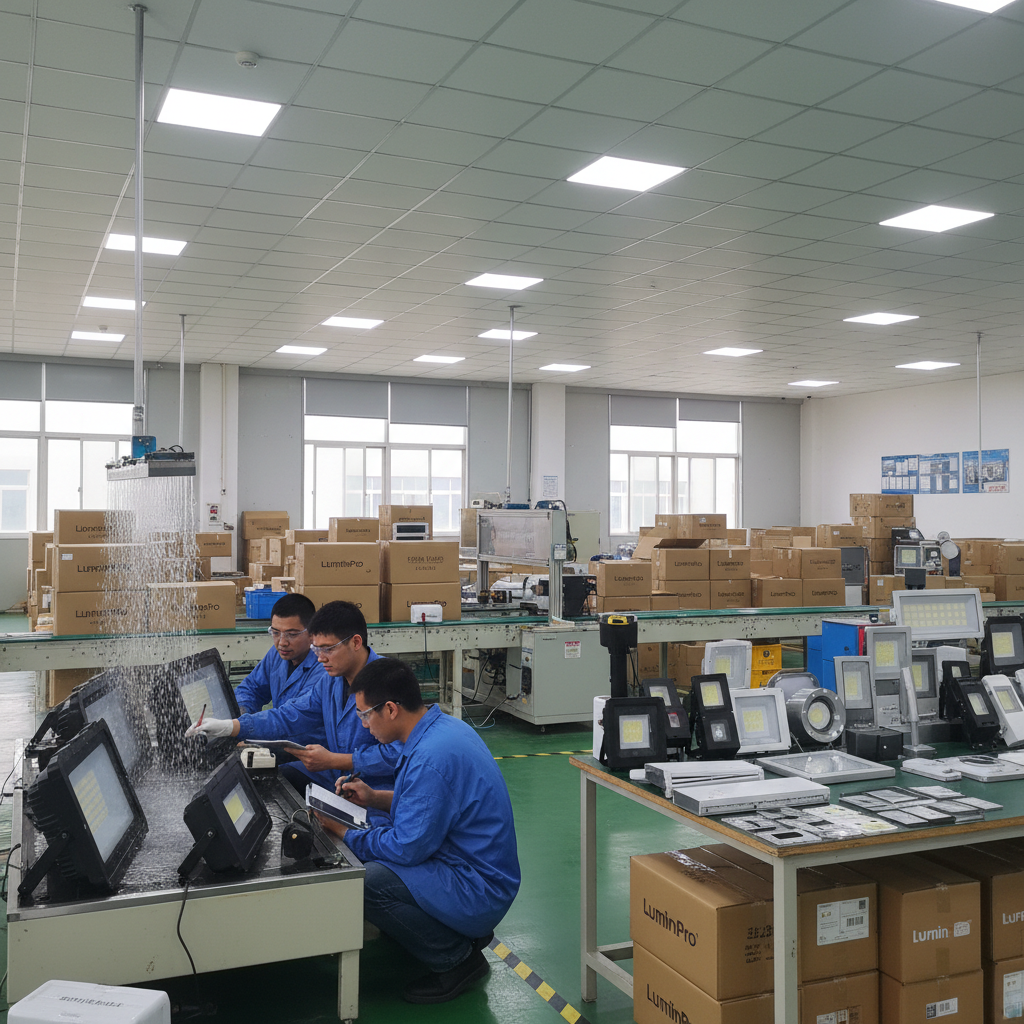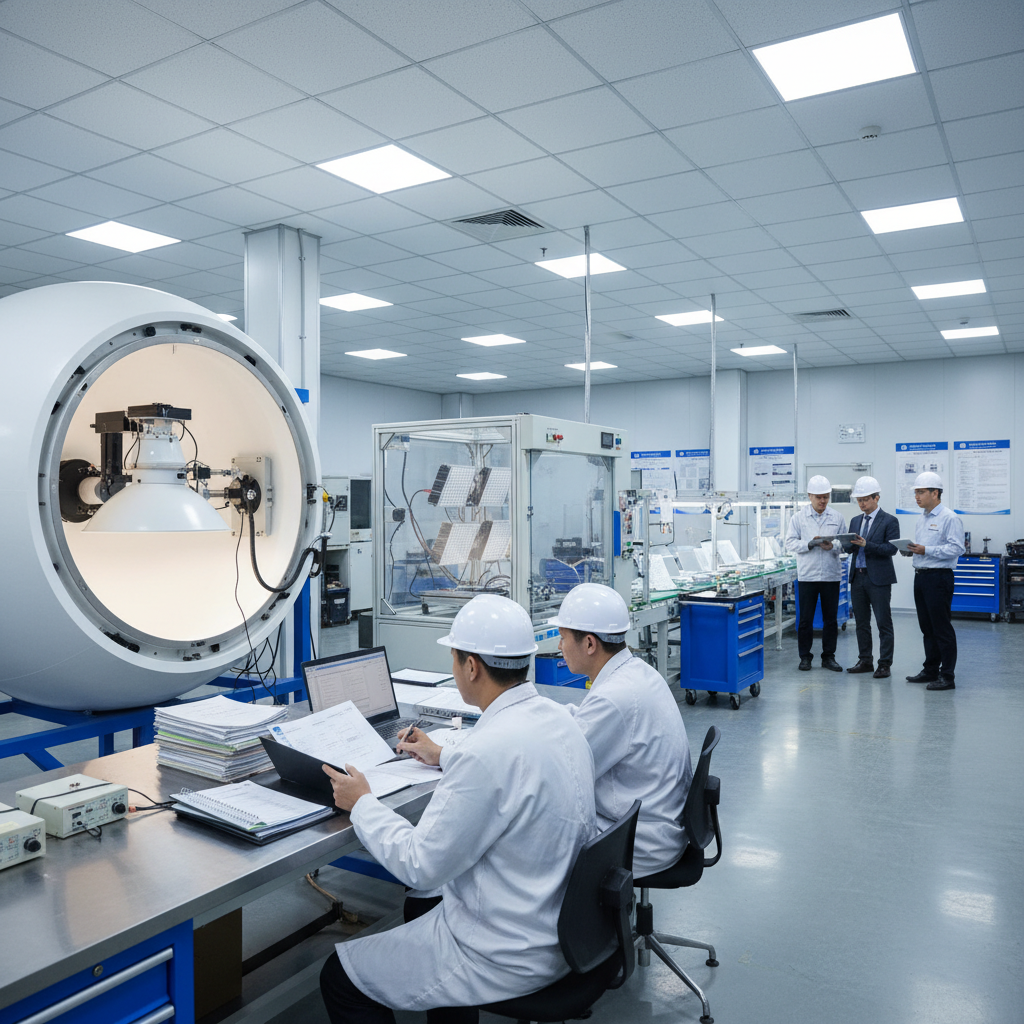

Lighting might seem like a mundane choice, but for gas stations, it’s a game-changer.
LED canopy lights are ideal for gas station lighting due to their energy efficiency, durability, and bright, uniform lighting. These lights offer long lifespan, low maintenance costs, and help ensure compliance with safety standards, making them a cost-effective and safe choice for fuel pump areas and parking lots!
You know, when I first considered switching to LED canopy lights for a project, I was blown away by how much they could actually save us in energy costs. The fact that they consume up to 80% less power than traditional lighting solutions was a huge selling point. For a gas station that runs 24/7, those savings add up fast! And let’s talk about durability—these lights are tough. They’re built to withstand rain, snow, and even the harshest Canadian winters, which is a relief since nobody wants to be out there changing bulbs in freezing temperatures.
But what really sold me was the uniform lighting. It’s not just about illumination; it’s about creating a space where customers feel safe and secure at any time of day or night. When the lighting is consistent and glare-free, it enhances the whole experience—not just for customers but also for employees who need to work efficiently without straining their eyes.
So if you’re like me and you want lighting that combines efficiency, durability, and safety, LED canopy lights are definitely worth considering. They’re not just an upgrade; they’re an investment in peace of mind.
LED canopy lights reduce energy costs by 80%.True
LEDs are highly efficient, cutting energy use significantly compared to traditional lighting.
LED canopy lights require frequent maintenance.False
LEDs have a long lifespan and durability, minimizing maintenance needs.
How Do LED Canopy Lights Enhance Safety at Gas Stations?
Picture this: it's late at night, and you're fueling up under a canopy of bright, welcoming lights. These aren't just any lights; they're LED canopy lights, transforming gas stations into beacons of safety.
LED canopy lights boost safety at gas stations by delivering even lighting, minimizing shadows, and enhancing visibility. This reduces accidents and discourages crime, ensuring a safer environment for everyone.

Bright, Uniform Illumination
I remember one evening when I was refueling my car at a dimly lit gas station. The shadows cast eerie shapes, and I felt a little uneasy. That’s why I appreciate LED canopy lights—they offer bright, uniform illumination that chases away those shadows. This consistent lighting is a game-changer, making it easier to see everything around you and significantly reducing the risk of accidents.
LED canopy lights are renowned for their ability to deliver consistent and bright lighting across fueling areas1. This uniform illumination helps eliminate shadows and blind spots, significantly reducing the risk of accidents. Improved visibility ensures that customers and employees can easily navigate the premises, which is crucial during low-light conditions.
Energy Efficiency and Cost Savings
When I first learned about the energy efficiency of LED lights, I was amazed. They use up to 80% less energy than traditional bulbs! For gas stations running round-the-clock, this means substantial savings on electricity bills. It’s like having an extra cushion in the budget to invest in other safety features or improvements.
One of the key benefits of LED technology is its energy efficiency. LED lights consume up to 80% less energy than traditional lighting solutions. This is particularly advantageous for gas stations operating 24/7. It translates into substantial savings in energy costs, enabling gas stations to allocate their budget more effectively towards other safety measures.
| Lighting Type | Energy Consumption | Maintenance Cost |
|---|---|---|
| LED | Low | Low |
| Traditional | High | High |
Enhanced Durability and Weather Resistance
Living in a place where the weather can be quite unpredictable, I can’t stress enough the importance of durability. LED canopy lights, with their high IP ratings2, are built to withstand the elements—be it rain, snow, or intense heat. This means they keep shining bright no matter what Mother Nature throws their way.
Gas stations are exposed to various weather conditions. LED canopy lights are designed with high IP ratings3, making them resistant to water, dust, and corrosion. This durability ensures they function optimally regardless of weather conditions, contributing to uninterrupted safety lighting.
Compliance with Safety Standards
Safety standards are no joke, especially in potentially hazardous environments like gas stations. LED canopy lights often carry essential safety certifications4 such as UL, CE, and CSA. These certifications reassure me that the lights are safe in flammable areas, helping to mitigate risks and ensure compliance with industry regulations.
LED canopy lights often meet essential safety certifications5 such as UL, CE, and CSA. These certifications indicate that the lights are safe for use in flammable environments—a critical factor in gas station settings. Adhering to these standards helps in risk mitigation and compliance with industry regulations.
Investing in LED canopy lighting is not just about illumination—it's about creating a safer, more efficient environment that benefits everyone from customers to employees. Plus, it aligns with a sustainable approach that many of us are striving to adopt.
LED lights consume 80% less energy than traditional lights.True
LED technology is known for its energy efficiency, using significantly less power.
Traditional lighting has lower maintenance costs than LED lights.False
LED lights have lower maintenance costs due to their durability and longevity.
What Are the Cost Benefits of Switching to LED Lighting?
I remember the first time I switched to LED lighting—my electricity bill felt lighter, and my maintenance worries seemed to vanish.
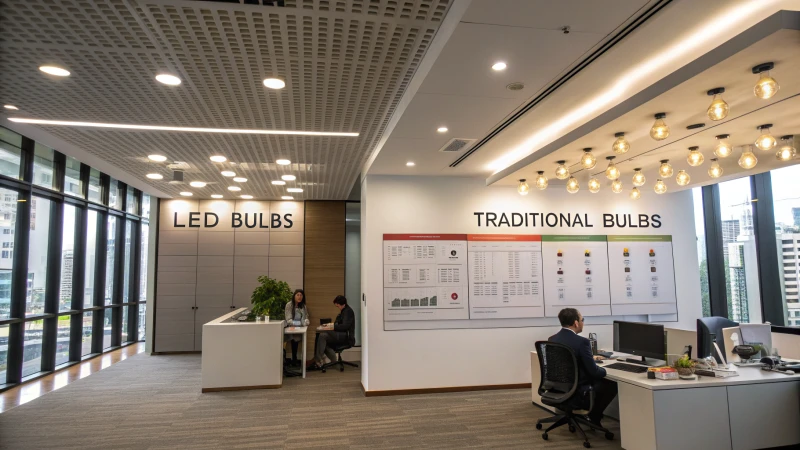
Switching to LED lighting slashes energy costs and maintenance expenses, offering significant long-term savings. LEDs consume less power, require fewer replacements, and last longer than traditional bulbs, making them a smart choice for cost-conscious consumers.
Energy Efficiency Savings
I was amazed when I discovered that LED lights use up to 80% less energy than those old incandescent bulbs. I mean, who wouldn't want to save money on electricity bills? Especially if you're running a business that operates around the clock, like a gas station. I remember looking into different lighting technologies and realizing how much more efficient LEDs are compared to the alternatives. Exploring the energy consumption6 of these options can really open your eyes.
Reduced Maintenance Costs
With a lifespan of over 50,000 hours, LED lights practically eliminate the hassle of frequent replacements. I used to dread those days of climbing ladders just to change a burnt-out bulb. Now, fewer disruptions and lower labor costs mean I can focus on what truly matters—running a smooth operation. If you're like me and value long-lasting solutions, you'll appreciate learning more about long-lasting lighting solutions7.
| Feature | Traditional Lighting | LED Lighting |
|---|---|---|
| Energy Consumption | High | Low |
| Lifespan (Hours) | 1,000 - 2,000 | 50,000+ |
| Maintenance Frequency | Frequent | Infrequent |
Enhanced Durability
One thing I've learned is that LED lights are tough cookies. Designed to endure all sorts of harsh weather conditions, they're perfect for outdoor settings. I once had an outdoor installation project, and the high IP ratings on LEDs meant they resisted water, dust, and corrosion—saving me from constant replacements due to environmental wear and tear. Durable lighting options8 are definitely worth considering if reliability is your priority.
Compliance & Safety Standards
LEDs usually meet stringent safety standards such as UL, CE, and CSA certifications. This is crucial for hazardous areas like gas stations. Ensuring compliance not only mitigates risks but also keeps you clear of any potential fines or legal troubles. I've always found peace of mind in knowing my projects meet safety standards in lighting9. It's one less thing to worry about when managing complex installations.
LED lights use 80% less energy than incandescent bulbs.True
LEDs are highly energy-efficient, using significantly less power.
LEDs need replacing every 1,000 hours.False
LEDs last over 50,000 hours, far exceeding traditional bulbs.
How Does LED Technology Improve Environmental Sustainability?
Ever wondered how a simple light bulb could make a big difference for our planet?
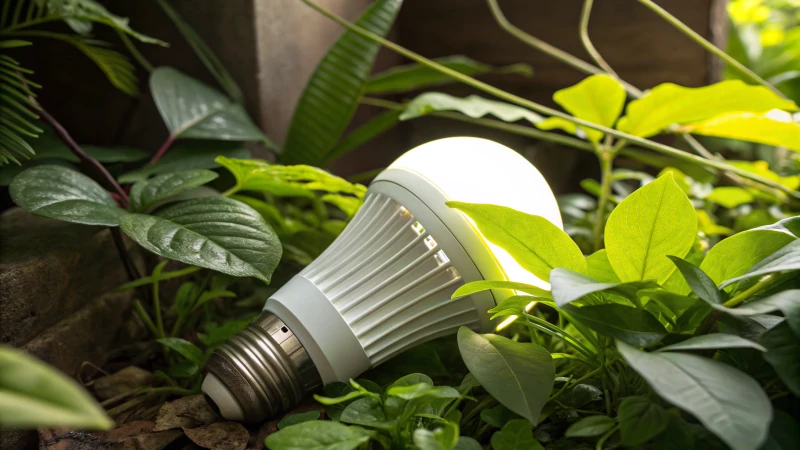
LED technology boosts environmental sustainability by cutting down energy use, slashing waste with longer lifespans, and lowering carbon emissions compared to old-school lighting. This powerful combo significantly reduces environmental impact and backs global eco-friendly efforts.
Energy Efficiency and Reduced Carbon Footprint
When I first switched to LED lights at home, I was amazed at how much my electricity bill dropped. LED lights use up to 80% less electricity than traditional incandescent bulbs. Imagine that! This energy savings directly lowers carbon emissions because less power is needed to illuminate your space. The less demand we place on power plants, the fewer fossil fuels are burned, which means a smaller carbon footprint.
Every time I recommend LEDs to friends or businesses, I think about how we're all doing our part to combat climate change. Especially in areas where electricity is heavily reliant on coal or natural gas, switching to LEDs can make a massive difference. Learn more about energy-efficient lighting10.
Longevity and Waste Reduction
I remember the endless trips to the store for replacement bulbs before switching to LEDs. Not anymore! With a lifespan of up to 50,000 hours, LEDs outshine traditional lighting options like halogen or incandescent bulbs by far. Fewer replacements mean less waste going into landfills and fewer resources consumed in manufacturing new bulbs. This approach aligns perfectly with global goals for sustainable consumption and production. Discover how LED longevity contributes to sustainability11.
Safety and Compliance
LEDs often meet rigorous safety standards, making them perfect for various environments, including hazardous ones. Their design typically includes features like low heat emission and robust materials resistant to weather and chemicals. I’ve seen them used in industrial settings and public spaces where safety is crucial, and they consistently comply with environmental safety regulations. Explore more on LED safety standards12.
Impact on Natural Resources
The production process for LEDs involves fewer harmful chemicals than traditional bulbs, such as fluorescent lights that contain mercury. This absence of toxic substances makes disposal safer and reduces environmental contamination risks during production and after disposal. Plus, the materials used in LEDs are often recyclable, which enhances their environmental benefits13. This shift supports conserving natural resources by minimizing hazardous waste and promoting recycling efforts.
| Benefits | Traditional Bulbs | LED Bulbs |
|---|---|---|
| Lifespan | 1,000 - 2,000 hours | 50,000+ hours |
| Energy Use | High | Low |
| Heat Emission | High | Low |
| Toxic Elements | Present (e.g., mercury) | Absent |
| Recyclability | Limited | High |
Choosing LED technology is like taking a leap forward in supporting sustainable practices while cutting down our overall environmental impact. With ongoing innovations, LEDs keep getting better in efficiency and ecological benefits. Find innovative LED solutions14.
LEDs use 80% less electricity than incandescent bulbs.True
LEDs are known for their energy efficiency, consuming significantly less power.
LEDs contain toxic mercury like fluorescent lights.False
Unlike fluorescent lights, LEDs do not contain mercury, making disposal safer.
What Should You Consider When Installing LED Canopy Lights?
Thinking about installing LED canopy lights? Before diving in, let’s explore the key factors to ensure your installation is a glowing success.
When installing LED canopy lights, consider energy efficiency, mounting options, weather resistance, and safety compliance. These elements ensure optimal lighting performance and longevity.
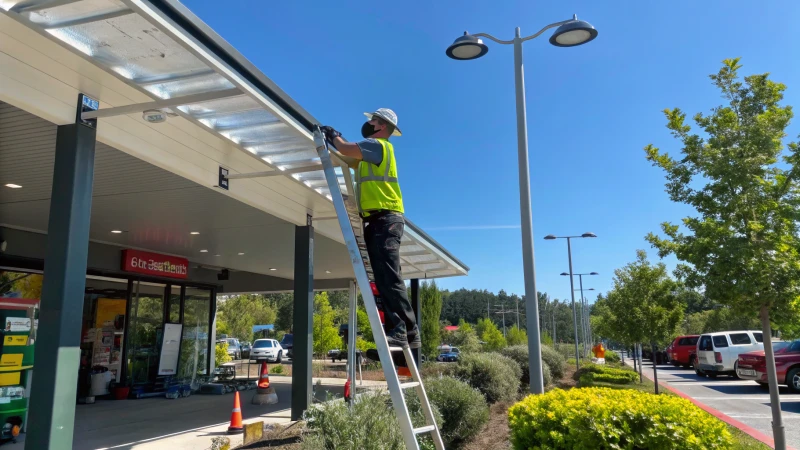
I remember when I first decided to install LED canopy lights at my place. I was overwhelmed by the choices and specifications. But, after diving into research and learning about their benefits, I realized the importance of getting it right from the start.
Energy Efficiency
The first thing that caught my attention was energy efficiency. I mean, who doesn’t love saving on electricity bills? With LEDs, I found that they use up to 80% less power than traditional bulbs. The trick is to pick lights with a high lumens per watt (LPW) rating because that’s what gives you the best bang for your buck.
Weather Resistance
Living in an area where the weather can be unpredictable, I couldn’t ignore the need for durable lighting. LED canopy lights, particularly those with an IP6515 or higher rating, are like the superheroes of outdoor lighting—ready to tackle dust, rain, or even snow without a hitch.
| IP Rating | Protection Level |
|---|---|
| IP65 | Dust-tight, protected from water jets |
| IP66 | Dust-tight, protected from powerful water jets |
Mounting Options
There was also the matter of how to mount these lights. It’s like choosing a hairstyle; each option has its charm depending on your style. Recessed mounting gives a sleek finish but takes more effort, while surface mounting is quick and perfect for flat surfaces. Suspended mounting came in handy when I needed adjustable height for different settings.
- Recessed Mounting: Offers a sleek look but requires more installation effort.
- Surface Mounting: Easier to install, suitable for flat surfaces.
- Suspended Mounting: Ideal for areas needing adjustable lighting height.
Compliance and Safety Standards
Safety wasn’t something I could compromise on. Ensuring that my lights met standards like UL16, CE, or CSA was crucial, especially since I wanted peace of mind knowing they were safe for all environments.
Cost Considerations
Initially, the cost made me hesitate, but then I weighed it against the long-term savings. The key is finding that sweet spot between initial cost and ongoing savings from energy efficiency and reduced maintenance needs. A cost-benefit analysis17 helped me see the bigger picture.
| Factor | Consideration |
|---|---|
| Initial Cost | Price of LED lights and installation |
| Long-term Savings | Energy efficiency leading to lower bills |
| Maintenance Costs | Frequency and cost of maintenance required |
By considering these aspects, I found that installing LED canopy lights wasn’t just about lighting up a space; it was about making informed choices that would benefit me in the long run. Plus, having that bright, uniform lighting makes everything look more vibrant and inviting.
LED canopy lights are more energy-efficient than traditional lights.True
LEDs consume less power, offering high lumens per watt efficiency.
All LED canopy lights are suitable for outdoor use.False
Not all have high IP ratings; check for IP65 or above for weather resistance.
Conclusion
LED canopy lights are ideal for gas stations due to their energy efficiency, durability, uniform lighting, and compliance with safety standards, enhancing visibility and reducing operational costs.
Understanding how uniform lighting reduces accidents can help improve safety measures at your station. ↩
Learning about IP ratings can guide you in selecting durable lights suited for all weather conditions. ↩
Learning about IP ratings can guide you in selecting durable lights suited for all weather conditions. ↩
Knowing about these certifications ensures compliance with safety standards and enhances risk management. ↩
Knowing about these certifications ensures compliance with safety standards and enhances risk management. ↩
Understanding different lighting technologies' energy consumption helps estimate potential savings from switching to LEDs. ↩
Exploring the longevity of LED lights reveals their advantages in maintenance cost reduction. ↩
Durable LED options ensure longevity and cost efficiency in outdoor settings. ↩
Complying with safety standards protects against risks and legal issues in hazardous environments. ↩
This link provides detailed insights into how energy-efficient lighting options like LEDs reduce electricity use and lower carbon emissions. ↩
Explore how the extended lifespan of LED bulbs contributes to waste reduction and enhances sustainability. ↩
Understand the safety standards LEDs meet, ensuring their safe use in various environments. ↩
Learn about the recyclability of materials used in LEDs and their impact on natural resource conservation. ↩
Discover the latest innovations in LED technology that enhance their sustainability benefits. ↩
Learn about the protection levels offered by different IP ratings to choose the right LED canopy lights for outdoor use. ↩
Understanding UL certification helps ensure your LED canopy lights meet safety standards for hazardous environments. ↩
Explore how a cost-benefit analysis can help weigh initial costs against long-term savings with LED installations. ↩