
Navigating China's LED landscape feels like uncovering hidden treasures—each discovery brighter than the last.
The top 10 LED stadium light manufacturers in China include Besen LED, AOK LED Lighting, HGG Lighting, RC Lighting, Leboda Technology, Roston, LightInTheBox, Guangzhou Huanhui, Zhongtai Lighting, and Noxion Lighting. These companies provide high-performance, energy-efficient lighting solutions that offer durability, smart control integration, and long lifespans for large-scale outdoor sports venues.
Besen LED
Website: www.besenledlight.com
Besen LED is a leading manufacturer with over 13 years of experience, specializing in high-efficiency LED lighting for stadiums and sports venues. They offer smart lighting systems, energy-efficient solutions, and customized designs to meet international standards. Besen LED's products are known for long lifespans, high brightness, and easy integration with smart controls.
Key Features: Smart control, energy-saving, 50,000+ hours lifespan.AOK LED Lighting
Website: www.aokled.com
AOK is renowned for providing high-quality LED stadium lights that deliver superior brightness and uniform light distribution. Their products are energy-efficient and designed to withstand extreme outdoor conditions, ensuring optimal performance for large sports events.
Key Features: 70-80% energy saving, custom configurations, advanced heat dissipation.HGG Lighting
Website: www.hggled.com
HGG Lighting specializes in industrial and stadium lighting, offering LED floodlights known for their brightness and durability. Their lights are engineered for harsh environments and provide a reliable, high-quality lighting experience for stadiums and sports fields.
Key Features: Strong heat dissipation, high IP ratings, high CRI for accurate color rendering.RC Lighting
Website: www.rclite.com
RC Lighting is a top manufacturer of LED stadium lights with a focus on energy efficiency and long-lasting performance. Their products are designed to reduce maintenance costs and offer reliable lighting for both athletes and spectators.
Key Features: IP65 waterproof rating, energy savings, minimal maintenance.Leboda Technology
Website: www.led-china.com
Leboda provides energy-efficient LED lighting solutions for stadiums and sports facilities. Their products are designed to deliver uniform illumination and high performance, even in extreme weather conditions.
Key Features: High luminous efficacy, customizable designs, long lifespan.Roston
Website: www.rostonlighting.com
Roston's LED stadium lights are recognized for their energy efficiency and durability. With advanced cooling systems, their lights prevent overheating, making them ideal for large-scale sports venues that require reliable performance during long events.
Key Features: Energy-efficient, shockproof, suitable for large-scale venues.LightInTheBox (China)
Website: www.lightinthebox.com
LightInTheBox offers a variety of LED stadium lights and floodlights designed for outdoor sports events. They provide affordable yet high-quality solutions, with an emphasis on reducing electricity consumption while offering high-performance illumination.
Key Features: Wide beam angle, high lumen output, low maintenance costs.Guangzhou Huanhui Lighting
Website: www.huanhuilighting.com
Guangzhou Huanhui Lighting is known for their LED floodlights, providing excellent performance for sports fields and stadiums. Their lights are engineered for energy efficiency, offering long operational life and superior lighting quality for large events.
Key Features: Energy-efficient, high brightness, weather-resistant.Zhongtai Lighting
Website: www.ztlight.com
Zhongtai specializes in high-power LED floodlights designed for stadiums and large venues. Their lights are rugged and long-lasting, providing bright, uniform lighting while being energy-efficient and low-maintenance.
Key Features: High power, customizable, low energy consumption.Noxion Lighting
Website: www.noxion-lighting.com
Noxion offers innovative LED lighting solutions for stadium lighting applications. Their products focus on easy installation, reliability, and long-term performance, ensuring bright and consistent illumination for large sports venues.
Key Features: Energy-efficient, reliable performance, easy integration with smart systems.
China leads in global LED stadium light production.True
China's advanced technology and market dominance affirm this claim.
LED stadium lights from China are not energy efficient.False
Chinese manufacturers are known for their energy-efficient solutions.
What Makes a Manufacturer a Leader in LED Stadium Lighting?
Ever wondered what makes certain manufacturers stand out in the LED stadium lighting game? Let's delve into the secrets of industry leaders and uncover what truly sets them apart.
A leading manufacturer in LED stadium lighting shines through innovation, energy efficiency, reliability, and customer-centric solutions. By investing in R&D and prioritizing sustainability, they meet the unique demands of sports venues with high-quality standards.

Embracing Technological Innovation
Leading manufacturers are at the forefront of technological advancements1, driving innovations in LED stadium lighting. I remember the first time I witnessed the power of cutting-edge LED technology at a local stadium. The lights danced across the field, perfectly synchronized with the halftime show. This magical experience was brought to life by manufacturers who integrate smart controls for dynamic lighting effects and energy management, which not only captivate audiences but also optimize costs.
Commitment to Energy Efficiency
Energy efficiency isn't just a buzzword; it's a way of life for top manufacturers. By developing products that consume less power while maintaining high lumen output, they contribute to substantial cost savings for stadium operators. During one of my own projects, I saw firsthand how efficient lighting can lead to significant savings. Their use of recyclable materials and adherence to environmental standards make a tangible difference.
Ensuring Product Reliability
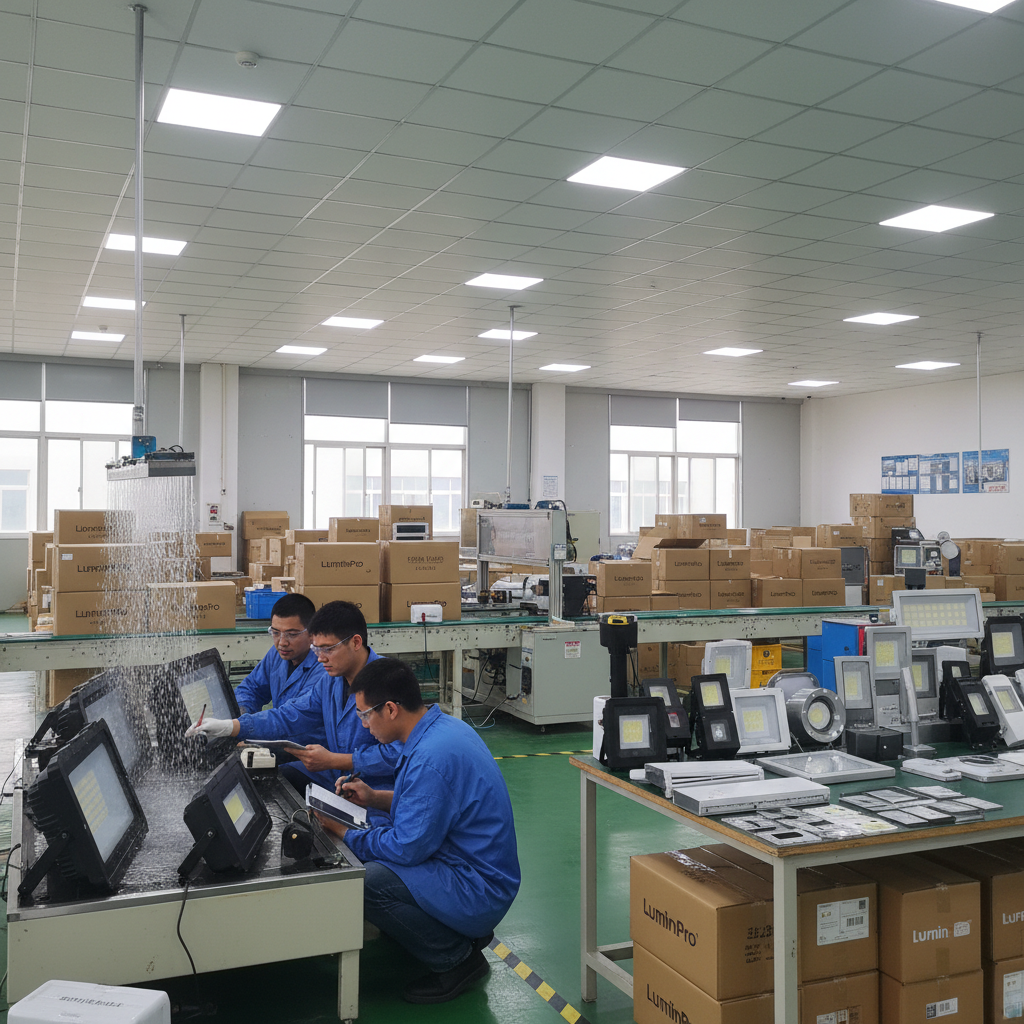
Reliability is paramount in stadium settings where lighting must perform flawlessly during events. When I think about reliability in stadium settings, I'm reminded of an event where every light stayed flawlessly bright despite a sudden downpour. That kind of reliability doesn't happen by chance. Market leaders put their products through rigorous testing and use top-grade components to ensure their systems withstand time and tough weather conditions. They provide comprehensive performance reports to assure clients of their commitment.
Customer-Centric Solutions
What truly sets apart the best manufacturers is their dedication to customer satisfaction. Leaders in LED stadium lighting focus on delivering customized solutions2 tailored to the specific needs of each venue. I once worked on a project where the lighting manufacturer went above and beyond, customizing solutions to fit our exact needs. This close collaboration ensures venues get exactly what they need—from initial design to ongoing maintenance—ensuring a seamless experience.
Table: Key Factors Defining Market Leadership
| Factor | Description |
|---|---|
| Innovation | Incorporating smart technology and advanced features |
| Energy Efficiency | Reducing power consumption and operational costs |
| Reliability | Ensuring consistent performance under diverse conditions |
| Customer Focus | Providing tailored services and support |
The Role of R&D Investment
I've always believed that investing in research and development is the heartbeat of innovation. Manufacturers that allocate significant resources to R&D are able to develop pioneering technologies and enhance existing product lines. This dedication not only attracts forward-thinking clients3 but also sets new industry standards.
Understanding these key attributes helps stakeholders make informed decisions when selecting manufacturers for their LED stadium lighting projects. By aligning with companies that prioritize innovation, efficiency, and customer satisfaction, you ensure long-term success in this ever-evolving industry.
LED stadium lights with smart controls enhance spectator experience.True
Smart controls allow dynamic lighting, improving spectator engagement.
Leading LED manufacturers rarely invest in R&D for new technologies.False
Top manufacturers heavily invest in R&D to maintain competitiveness.
How Do Chinese Manufacturers Ensure Quality and Compliance?
Ever wonder how Chinese manufacturers manage to keep up with the demands for quality and compliance? It’s a fascinating blend of certifications, technology, and partnerships that keep them on track.
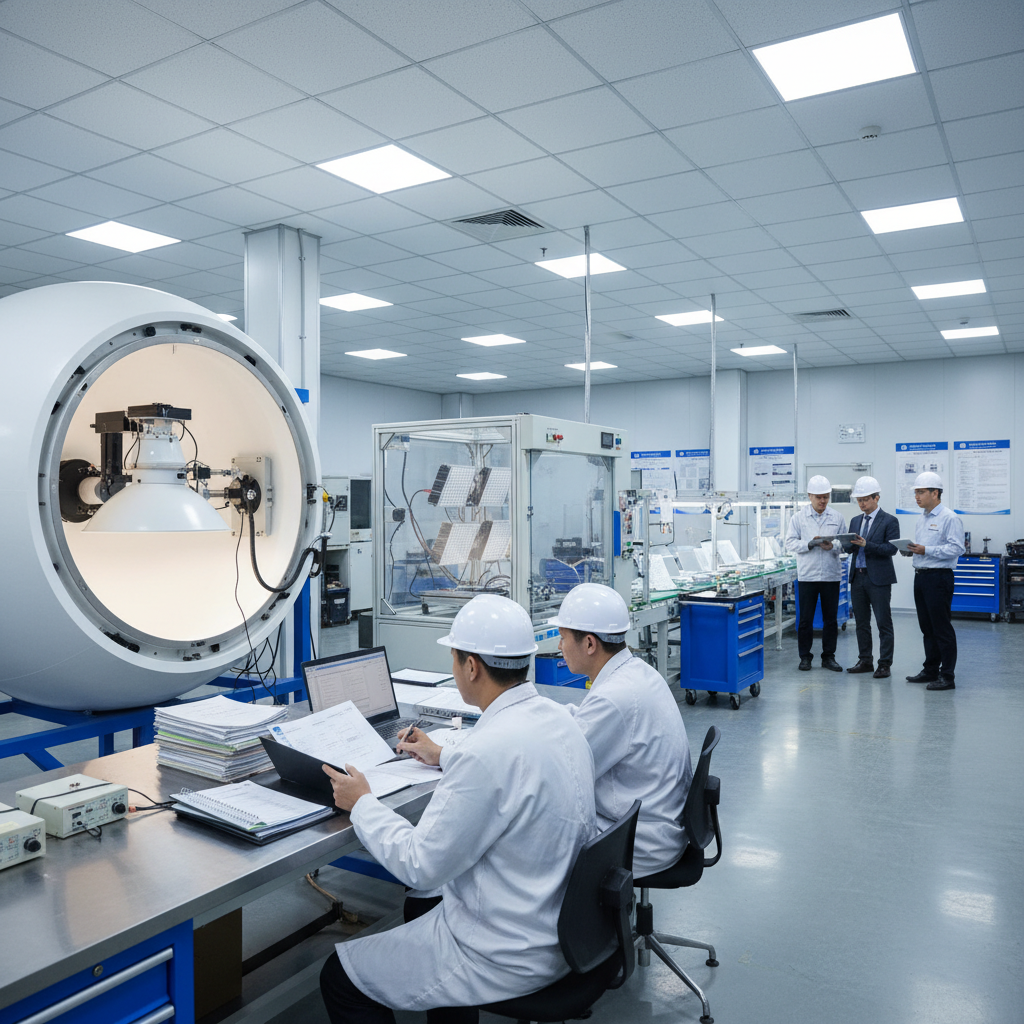
Chinese manufacturers ensure quality and compliance by obtaining international certifications, implementing rigorous quality control processes, and conducting regular audits. They also use advanced technology to maintain consistency and reliability.

International Certifications: Setting the Standard
When I first started exploring Chinese manufacturers for my business, I was amazed by how seriously they take international certifications like ISO 9001, CE, and RoHS. These aren't just fancy labels; they're badges of honor that indicate strict adherence to global standards. Each certification demands a structured quality management system, regularly audited by third-party organizations. It's like having an extra layer of assurance that your products will meet the high standards you expect.
| Certification | Description |
|---|---|
| ISO 9001 | Focuses on quality management systems |
| CE | Indicates conformity with health, safety, and environmental protection standards |
| RoHS | Restricts hazardous substances in electrical products |
Rigorous Quality Control Processes
My first visit to a manufacturing plant in China was an eye-opener. The meticulous in-process inspections and final checks before shipment were impressive. It was like watching a well-choreographed dance aimed at catching defects early and ensuring compliance with every detail. These processes are their safety nets, using statistical process control to maintain consistency and rectify issues quickly—much like how I troubleshoot problems in my projects back home.
- In-process inspections to catch defects early.
- Final inspections before shipment to ensure compliance.
- Use of statistical process control to maintain consistency.
By integrating these processes, manufacturers can detect and rectify issues promptly, minimizing defective outputs.
Leveraging Advanced Technology
The role of technology in these manufacturing processes can't be overstated. I remember being fascinated by how AI-driven quality checks and IoT-enabled tracking systems were used to keep a real-time eye on production lines. It’s as if these technologies act as silent guardians, ensuring precision and reliability at every step. For someone who values smart lighting solutions, seeing this level of technological integration was truly inspiring.
Regular Audits: Ensuring Continuous Improvement
Just as I constantly evaluate my business strategies for improvement, manufacturers in China conduct regular audits. These aren't just check-the-box activities; they cover everything from supplier evaluations to environmental audits, ensuring every aspect aligns with sustainability goals.
- Supplier evaluations to ensure raw material quality.
- Production audits for process efficiency.
- Environmental audits to align with sustainability goals.
Engaging with manufacturers who have a track record of successful audits provides assurance of their commitment to quality.
Strategic Partnerships for Enhanced Compliance
One thing I've learned is the power of collaboration. Chinese manufacturers often partner with international firms, which helps them adopt global best practices. This collaboration isn’t just about sharing knowledge or technology; it’s about enhancing process efficiency and integrating advanced methods that might not be prevalent locally yet. This approach resonates with my strategy of working with local installation partners to deliver seamless project execution.
Understanding these strategies helps me navigate the complex landscape of sourcing from China, ensuring that I partner with manufacturers who prioritize quality and compliance effectively. For those interested in diving deeper into international certifications4, there are plenty of resources available that detail the benefits of adhering to these standards in global trade.
Chinese manufacturers often use ISO 9001 certification.True
ISO 9001 is a widely adopted standard for quality management systems.
AI-driven checks are rarely used in Chinese manufacturing.False
AI-driven quality checks are commonly used for precision and consistency.
What Makes Advanced LED Stadium Lights Stand Out?
Ever wondered how stadiums get that perfect glow? Advanced LED lights are the secret behind it.
Advanced LED stadium lights offer features like high brightness, energy efficiency, adjustable beam angles, smart controls, high color rendering, and weather resistance, making them ideal for sports venues.
High Brightness and Energy Efficiency
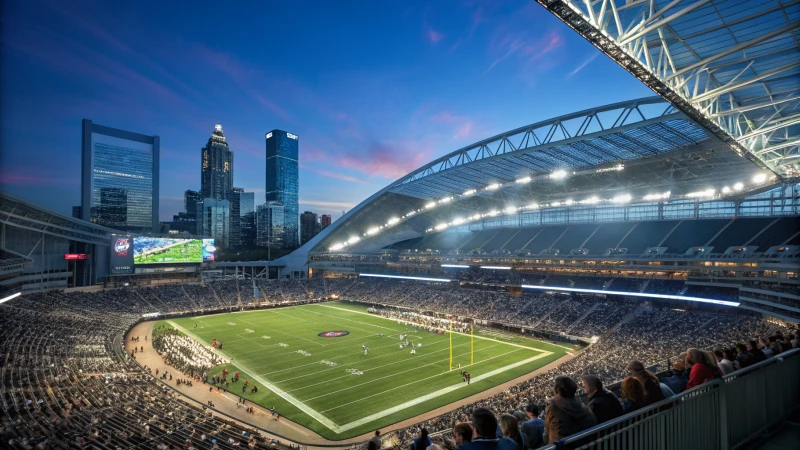
Remember the first time you walked into a stadium at night, and it felt almost magical how everything was lit up so perfectly? That's the power of high brightness and energy efficiency5. Advanced LED lights use less energy to create more light—up to 150 lumens per watt, to be precise. This means the entire field gets illuminated brilliantly without driving up energy costs. For someone who’s always on the lookout for energy-efficient solutions, this is a game-changer.
Adjustable Beam Angles
Imagine setting up a spotlight for your kid’s backyard soccer game; you’d want the light focused right on the action, not spilling over into your neighbor’s garden. The adjustable beam angles in LED stadium lights allow just that kind of precision. You can direct the light exactly where it’s needed, improving visibility for players and spectators alike while avoiding light pollution in nearby areas. This feature helps in optimizing the overall lighting design6 for various events.
Smart Controls and Automation
Picture this: you're managing a big event, and with just a tap on your phone, you can adjust the stadium lights’ brightness or even change their colors to match the team jerseys. With smart controls and automation, that's entirely possible. These features not only enhance the experience but also help achieve sustainability goals7 by minimizing energy waste.
High Color Rendering Index (CRI)
Have you ever watched a game where the colors looked off on TV? A high CRI in LED stadium lights ensures that colors remain vibrant and true to life—an essential factor for televised events. It’s like having that perfect Instagram filter that makes everything pop, ensuring viewers have the best possible experience.
Durability and Weather Resistance
Think about how unpredictable weather can be—rain one day, scorching sun the next. Advanced LED lights are built tough to handle such conditions. They’re designed with materials that resist moisture, dust, and temperature changes, ensuring they perform reliably no matter what Mother Nature throws their way. This kind of durability saves on maintenance costs and keeps focus on what really matters—the event at hand.
Table: Key Features Comparison
| Feature | Traditional Lighting | LED Stadium Lighting |
|---|---|---|
| Brightness | Moderate | High |
| Energy Efficiency | Low | High |
| Beam Angle Adjustability | Limited | Flexible |
| Smart Controls | Rare | Common |
| CRI | Low to Moderate | High |
| Durability | Moderate | High |
These features do more than just light up a venue; they transform the entire experience for everyone involved. From significant energy savings to improved visual appeal, advanced LED lights are a worthy investment for any sports venue manager looking to elevate their facility.
LED stadium lights have a CRI over 80.True
LED lights ensure vibrant color reproduction with a CRI over 80.
Traditional lighting is more energy-efficient than LED.False
LEDs convert more electricity into light, saving energy compared to traditional lighting.
How do you choose the best supplier for your project?
Navigating the supplier maze can feel like walking a tightrope. I've been there, and here's how I figured it out.
To find the best supplier, assess their quality standards, cost-effectiveness, reliability, and service capabilities. Check their track record, industry certifications, and ability to meet your project's specific needs.

Assessing Quality Standards
I remember the first time I tackled this—like setting up a complex puzzle. Quality was my main concern, so I dove into their production processes and quality control measures. Suppliers with industry certifications8 were like finding a gem in the rough.
Key Questions to Ask:
- Do they have documented quality assurance procedures?
- What certifications do they hold?
- Can they provide quality testing reports?
| Quality Aspect | Importance |
|---|---|
| Certifications | Ensures compliance |
| Testing Reports | Verifies product quality |
| Process Documentation | Ensures consistency |
Evaluating Cost-Effectiveness
Balancing cost with value was like walking a financial tightrope. I compared quotes from several suppliers, always wary of hidden costs sneaking up on me.
Consider:
- Total cost of ownership, including shipping and taxes.
- Discounts for bulk purchases or long-term contracts.
- Potential for future price adjustments.
Reliability and Service Capabilities
Reliability was my guiding star—timely delivery, consistent product quality, and responsive customer service were non-negotiable. I combed through client testimonials and case studies to evaluate their service track record.
Important Factors:
- Average delivery lead time.
- Return policy and support services.
- Communication channels and responsiveness.
Consider creating a scoring system to rate potential suppliers on these metrics.
| Supplier Evaluation Criteria | Score (1-5) |
|---|---|
| Quality | |
| Cost | |
| Reliability | |
| Service |
Checking Compliance and Certifications
Ensuring compliance felt like a safety net—verifying adherence to legal standards and industry regulations confirmed a supplier's credibility. I made sure to request documentation for compliance audits and checked their involvement in sustainability initiatives9.
Action Steps:
- Request documentation for compliance audits.
- Verify their participation in sustainability initiatives.
- Ensure ethical labor practices are in place.
By methodically evaluating these factors, I found suppliers who aligned perfectly with both my project requirements and organizational values.
Suppliers with certifications are more reliable.True
Certifications ensure suppliers meet industry standards, indicating reliability.
Price is the only factor in supplier evaluation.False
Supplier evaluation also considers quality, reliability, and service.
Conclusion
China's top LED stadium light manufacturers excel in innovation, energy efficiency, and reliability, providing tailored solutions that enhance sports venues while prioritizing sustainability and customer satisfaction.
Discover cutting-edge technologies transforming LED stadium lighting for enhanced fan experiences. ↩
Explore how customized solutions can meet specific venue needs effectively. ↩
Learn why R&D investment is crucial for innovation and staying ahead in the market. ↩
Learn how international certifications can enhance a manufacturer's credibility and facilitate smoother trade operations globally. ↩
Discover how energy-efficient LED lighting can lead to significant cost savings and environmental benefits. ↩
Learn techniques for optimizing lighting design in stadiums to enhance visibility and reduce light pollution. ↩
Explore how smart lighting systems can improve operational efficiency and sustainability in sports venues. ↩
Learn about essential certifications that signify high-quality standards, ensuring your supplier meets industry requirements. ↩
Explore how sustainability initiatives can enhance supplier selection, supporting ethical sourcing and environmental responsibility. ↩