

Planning a kitchen renovation may feel overwhelming at first. Choosing the right lighting is essential in this process. I understand this challenge because I experienced it myself. It’s a journey full of excitement and discovery!
Select color temperature for kitchen lighting between 2700K to 5000K. Warm tones (2700K-3000K) create a cozy feeling. Cooler tones (4000K-5000K) really improve visibility for cooking. You need to understand these temperatures. This knowledge helps balance looks and function.
When I first started with my kitchen lighting, I felt really confused by the many choices. It seemed like choosing the right paint color in a big art store. Soon, I found out that color temperature is very important for the right mood. Warmer tones between 2700K-3000K bathe your space in a cozy glow. They are great for family dinners or midnight snacks. Cooler tones from 4000K-5000K act like a small sun. They offer bright, clear light for all cooking activities. Knowing these choices not only beautifies your kitchen but also helps it work smoothly for every occasion!
Cooler tones enhance visibility for cooking tasks.True
Cooler color temperatures (4000K-5000K) improve visibility in kitchens, making it easier to see details while cooking.
Warmer tones are ideal for task lighting in kitchens.False
Warmer tones (2700K-3000K) create a cozy atmosphere but are not optimal for task lighting, which requires brighter light.
What are the different color temperatures available for kitchen lighting?
The right color temperature for your kitchen lights changes the room completely. Correctly choosing this aspect really transforms it. Different options are available. These choices improve your time spent in the kitchen!
Color temperatures for kitchen lighting range from warm white (2700K) to cool white (6500K). Warm light produces a cozy feel. It creates a relaxed atmosphere. Cool light improves visibility and focus for cooking tasks. It helps in seeing details clearly.

Understanding Color Temperature
When I first started learning about kitchen lighting, I did not know how much color temperature would affect not just visibility but also the entire feel of my kitchen. Measured in Kelvin (K), color temperature ranges from warm tones to bright ones. Here’s how they differ:
- Warm White (2700K-3000K): This range creates a welcoming atmosphere. I remember hosting family dinners with warm light. It made everyone feel at home, sparking laughter and connection.
- Neutral White (3500K-4100K): This balanced light is fantastic for food prep. It’s like having just the right amount of sunlight coming through your windows.
- Cool White (5000K-6500K): Cool white light is like daylight, which is very motivating for detailed cooking tasks. It works great during weekend brunches where precision matters.
Choosing the right color temperature really affects the mood and functionality of your kitchen. I love winding down with a warm glow during dinner. Cooler light helps me stay focused on cleaning or meal prep.
The Impact of Color Temperature on Ambiance
The way a space feels is so often tied to its lighting. Warm light is perfect for family gatherings, creating intimacy and warmth. Cooler temperatures help focus and boost energy levels, especially when I'm in chef mode!
| Temperature Range | Feel | Best Use |
|---|---|---|
| 2700K - 3000K | Cozy | Dining Areas |
| 3500K - 4100K | Balanced | Task Lighting |
| 5000K - 6500K | Energizing | Cooking Areas |
Choosing the right color temperature can greatly affect the mood and functionality of your kitchen. For instance, a warm light might be preferable during dinner times, while cooler light can aid in cooking and cleaning tasks.
Choosing the Right Lighting Fixtures
Picking the right fixtures is key to creating the effect you want in your kitchen. Here are some options that have transformed my space:
- LED Bulbs: These options come in various color temperatures, are energy-efficient and last a long time.
- Incandescent Bulbs: They offer a warm glow that I adore, but they consume a lot of energy - something important to remember!
- Fluorescent Bulbs: Usually cooler in tone, these are great for task lighting, even though they can cast harsh shadows.
Smart lighting controls cannot be ignored! They have changed my cooking experience. I can switch from a warm glow while chopping vegetables to a cool light when cleaning up.
Practical Tips for Implementation
Here are some practical tips that have worked for me in implementing color temperature in my kitchen lighting:
- Layer Your Lighting: Combine ambient, task and accent lighting to make my kitchen feel more dynamic.
- Experiment with Dimmers: Adjust color temperatures for different times of day or activities. Morning coffee needs bright light, while dinner calls for softer light.
- Consider Natural Light: Understand how natural light enters my kitchen. This helps me choose color temperatures that fit well with the existing light.
By understanding the different color temperatures available, I’ve made choices that truly improve both the functionality and ambiance of my kitchen space. For more tips on optimizing your kitchen lighting, check out lighting design tips1 to explore innovative solutions that fit your style.
Warm white light is ideal for family gatherings in kitchens.True
Warm white light (2700K-3000K) creates a cozy atmosphere, perfect for family dining and gatherings in the kitchen.
Cool white light enhances visibility for cooking tasks.True
Cool white light (5000K-6500K) mimics daylight, improving visibility and focus during cooking and cleaning tasks.
How does color temperature affect mood and functionality in the kitchen?
Have you ever walked into a kitchen and felt at ease or maybe a little tense? The lighting often holds the secret! Light color can really transform not just the kitchen's appearance. It also changes how you feel and operate in that space.
Color temperature influences mood and function in kitchens. Warm tones bring coziness and a comfortable feeling. Cooler tones help with concentration and focus. Choosing the right light can improve both appearance and use.

Understanding Color Temperature
Color temperature might seem technical, but it's easier than it looks! Kelvin (K) measures how warm or cool light from a bulb feels. This usually ranges from 2000K (warm) to 6500K (cool).
- Warm White (2000K-3000K): Imagine a cozy dinner with friends or family - warm tones create this feeling.
- Neutral White (3500K-4100K): This is like the perfect balance of lighting, suitable for many tasks.
- Cool White (5000K-6500K): This mimics daylight, ideal for morning coffee moments when energy is needed.
Choosing the right color temperature can significantly impact the kitchen environment, influencing not just aesthetics but also functionality.
How Color Temperature Influences Mood
Reflecting on my own kitchen, different lighting changes the mood. Warm tones help me relax and enjoy meals with loved ones. Cooler tones bring focus and energy when I prepare for a busy day.
| Color Temperature | Mood Effect | Ideal Use Cases |
|---|---|---|
| 2000K - 3000K | Cozy, Relaxed | Dinner parties, Family meals |
| 3500K - 4100K | Invigorating, Neutral | Meal prep, General cooking |
| 5000K - 6500K | Energizing, Alert | Early morning tasks, Detailed work |
Right light choice tailors your kitchen's vibe for any occasion.
Functionality in the Kitchen
Functionality really matters in the kitchen. Different tasks need various lighting! For example:
- Cooking: Bright, cool lighting helps me see details when trying new recipes.
- Dining: Warm lighting creates a nice setting for good conversations over meals.
- Cleaning: Bright light shows hidden crumbs, which is very helpful!
Mixing different color temperatures in your lighting plan is smart. Have bright overhead lights for cooking and softer lights under cabinets for dining. This creates a practical and welcoming environment.
Selecting the Right Lighting Solutions
Thinking about a kitchen upgrade? Smart lighting options are excellent! They allow temperature adjustments based on your current activity.
- Smart Bulbs: Change the color temperature just by speaking a command!
- Dimmable LEDs: Switch brightness and warmth depending on your needs.
Explore the market for these solutions that improve both style and use in your kitchen. Find more about smart lighting systems in this comprehensive guide2.
Conclusion on Mood and Functionality
Understanding color temperature's effect on mood and use can really improve your kitchen experience. By balancing warm and cool tones for your activities, you create a visually pleasing space that enhances every moment you spend there. Explore more about effective kitchen lighting solutions in our detailed lighting resource3.
Cool white lighting enhances focus in kitchen tasks.True
Cool white lighting, typically between 5000K and 6500K, mimics daylight, promoting alertness and concentration during cooking or detailed tasks.
Warm white lighting is ideal for cleaning tasks.False
Warm white lighting (2000K-3000K) is not ideal for cleaning as it lacks the brightness needed to spot dirt effectively.
How can I effectively layer kitchen lighting for a stunning space?
Let's explore the art of layering kitchen lighting. This is not only about practical use. It is about shaping a warm and inviting space. In this space, culinary magic takes place. Memories probably get created here.
Layering kitchen lighting involves combining ambient, task, and accent lighting to create a well-lit and visually appealing environment. Strategically position fixtures to enhance usability and ambiance.

Understanding the Three Types of Lighting
Layering kitchen lighting effectively requires a solid understanding of three primary types of lighting: ambient, task, and accent. Each type serves a distinct purpose and contributes to a well-rounded lighting scheme.
Ambient Lighting
- This is the general illumination that fills the entire kitchen. It should be bright enough to ensure visibility without being harsh.
- Common fixtures include ceiling-mounted lights, chandeliers, or recessed lighting.
Task Lighting
- Task lighting focuses on specific areas where activities are performed, such as countertops, cooking areas, and islands.
- Under-cabinet lights and pendant lights above islands are excellent examples.
Accent Lighting
- Accent lighting adds depth and visual interest, highlighting certain features like artwork or architectural elements.
- Use wall sconces or track lighting to create focal points in your kitchen.
Creating a Layered Effect
To achieve a balanced look, it's essential to combine these types of lighting strategically. Here’s how you can do this:
| Type of Lighting | Purpose | Recommended Fixtures |
|---|---|---|
| Ambient | General illumination | Ceiling lights, chandeliers |
| Task | Focused areas for activities | Under-cabinet lights, pendants |
| Accent | Highlight features | Wall sconces, track lighting |
Positioning Your Lights
Proper placement is crucial for effective layering. Consider the following tips:
- Height Matters: Hang pendant lights at a height that provides adequate light for tasks without obstructing views. Aim for 30-36 inches above countertops.
- Layering in Zones: Divide your kitchen into zones and apply the three types of lighting accordingly. For instance, your cooking area might need more task lighting while the dining area benefits from softer ambient lighting.
- Dimmer Switches: Installing dimmer switches can enhance versatility by allowing you to adjust the brightness according to the time of day or activity. This adaptability is crucial in creating a cozy atmosphere4 during dinners.
Smart Lighting Solutions
With advancements in technology, integrating smart lighting systems can elevate your kitchen's functionality:
- Energy Efficiency: Smart LED lights consume less power, which is beneficial for both the environment and your utility bills. You can explore options like energy-saving solutions5 that align with sustainable practices.
- Control Systems: Utilize apps or voice commands to control your lighting. Imagine adjusting the brightness while cooking or entertaining guests!
Incorporating these best practices into your kitchen design can significantly improve both aesthetics and functionality. By understanding the interplay between different types of lighting and employing smart solutions, you can create a space that not only meets practical needs but also enhances your culinary experience.
Ambient lighting is the primary source of kitchen illumination.True
Ambient lighting provides overall brightness in the kitchen, ensuring visibility and comfort without harshness.
Accent lighting is unnecessary for a functional kitchen.False
Accent lighting enhances visual interest and highlights features, adding depth and character to the kitchen space.
How can I combine natural light with artificial lighting effectively?
Did you ever walk into a room and feel happy because of the bright light? I will explain how I mix sunlight and lamps to bring comfort and warmth to my home.
Combine natural light with man-made light by placing lights strategically. Choose the right types of light. Use mirrors to reflect light around the room. Layer different light sources to get a balanced and cozy atmosphere.
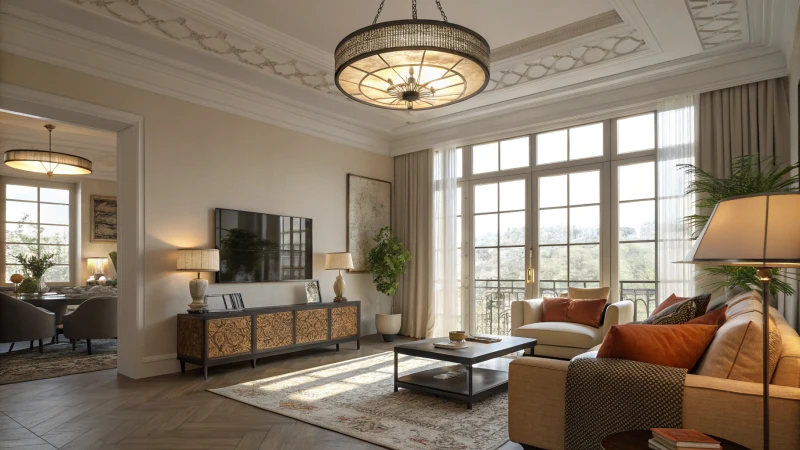
Understanding Natural and Artificial Light
Mixing natural light with indoor lighting is an art I enjoy. Natural light shifts during the day, affecting our mood and energy levels. For instance, south-facing windows usually get more sunlight than north-facing ones. I always think about this when planning my lighting.
Placement of Fixtures
| Strategically placing indoor lights can significantly enhance natural light. Direct lights to areas with little natural light for best results. Here’s how I do it: | Fixture Type | Best Placement | Purpose |
|---|---|---|---|
| Wall Lights | Next to windows | Highlight natural light sources | |
| Ceiling Lights | Center of the room | General illumination |
Types of Artificial Lighting
Choosing the right indoor lights can enhance natural light in your home. Here are some types that worked wonders for me:
- LED Bulbs: These bulbs are bright and save energy, often imitating warm daylight.
- Smart Lighting: These lights change colors and let me switch from bright to cozy easily.
- Task Lighting: Crucial for my work area, providing enough light even when it's dark outside.
Curious about more lighting? There are different lighting styles6.
Maximizing Light Reflection
Using surfaces that reflect light is a favorite trick of mine. Mirrors and light-colored walls spread light around a room. Here’s what I do:
- Mirrors: I place mirrors opposite windows to bounce natural light into darker spots.
- Light Colors: Soft whites and pastels on walls brighten rooms and reflect light well.
Want to know more about colors? Check choosing paint colors7.
Layering Light Sources
Layering different lights creates a balanced atmosphere I adore. This means using ambient, task, and accent lights to mix well with natural and artificial sources. A well-layered room might look like:
- Ambient Lighting: Soft overhead lights or chandeliers set the mood.
- Task Lighting: Desk lamps or reading lights focus on specific areas.
- Accent Lighting: Spotlights show off my favorite art or unique architecture.
Interested in more layering techniques? See layering your lighting8.
Natural light impacts mood and energy levels significantly.True
Research shows that exposure to natural light can enhance mood and increase energy, making it vital for well-being.
Using mirrors can help distribute natural light in a room.True
Placing mirrors opposite windows reflects natural light, brightening darker areas effectively.
Conclusion
Selecting the appropriate color temperature for kitchen lighting enhances both mood and functionality, with warm tones providing coziness and cooler tones improving visibility during cooking.
Clicking this link provides expert insights on optimizing kitchen lighting to match various activities, enhancing both functionality and aesthetics. ↩
This link offers practical advice on selecting the right color temperature for your kitchen lighting, enhancing both mood and functionality. ↩
Learn more about innovative smart lighting solutions that adjust color temperatures to suit various kitchen tasks. ↩
Explore expert advice on layering kitchen lighting effectively to enhance functionality and aesthetics in your space. ↩
Learn how to choose energy-efficient lighting options that align with modern sustainable practices. ↩
Learn practical techniques for harmonizing different light sources in your space for optimal ambiance. ↩
Explore expert tips on using color and reflection to enhance your lighting design. ↩
Understand how to layer different lighting styles for a well-lit environment. ↩