
Navigating the world of stadium lighting can feel like a maze, but I'm here to help you make the best choice for your space.
When selecting a 400W LED flood light for stadiums, prioritize high lumens output (48,000-56,000 lm), durability with IP65+ ratings, and energy efficiency (lumens per watt >120). Ensure the floodlight has smart control and dimming features for energy optimization, with a 5000K-6000K color temperature and 80+ CRI for optimal visibility.
Imagine standing in the middle of a field, under the stars, with the perfect lighting that makes every moment magical. That's what getting the right floodlight can do. Let's break down these features so you can ensure your stadium lights up just right, saving energy and enhancing every game. Here's how these elements come together to boost visibility, cut energy costs, and elevate your overall lighting experience.
A 400W LED flood light should have at least 48,000 lumens.True
The lumens output range for these lights is 48,000-56,000 lumens.
A beam angle of 30° is ideal for stadium lighting.False
The recommended beam angle range is 50°-120° for stadiums.
How Does Lumens Output Affect Stadium Lighting?
Have you ever sat in a stadium and wondered how those massive lights manage to illuminate every corner? It’s all about lumens!
Lumens output in stadium lighting is crucial as it directly affects brightness and visibility. High lumens ensure players and spectators can see clearly, while energy-efficient solutions help reduce costs. The ideal lumens depend on the stadium size and event type.
%[A large sports stadium at night with players in action and bright floodlights illuminating the field.]
Understanding Lumens in Stadium Lighting
Remember that time when I walked into a packed stadium for a night game, and it felt like midday? That’s the magic of lumens in action. Lumens measure how much light we get from a source, and in stadiums, getting the right lumens output is crucial for visibility1 and safety. Imagine watching a professional football match where players need about 750 lux to perform at their best. It’s these lumens that turn night into day.
| Event Type | Minimum Lux Requirement |
|---|---|
| Professional Match | 750 lux |
| Training Session | 200 lux |
Choosing high lumens per watt (lm/W) lights is like choosing a fuel-efficient car—more light, less power. It boosts energy efficiency and slashes operational costs.
Beam Angle and Light Distribution
I remember standing in a stadium, observing how the light spread across the field. The beam angle plays a huge role here. Wide angles (50° to 120°) cover vast areas evenly, but certain spots might need narrow beams for focus and clarity. Sometimes, mixing both wide and narrow beams creates the perfect balance between general illumination and focused lighting.
Importance of Color Temperature & CRI
Think about how natural daylight makes everything look crisp and clear. Stadiums aim to mimic this with color temperatures between 5000K-6000K, making it easier for players and audiences to see. And the Color Rendering Index (CRI) over 80 ensures colors are true to life—a must for broadcasted events where every detail counts.
| Attribute | Ideal Range |
|---|---|
| Color Temperature | 5000K-6000K |
| CRI | ≥ 80 |
For more on optimizing these attributes for different sports, check out stadium lighting standards2.
Considerations for Durability and Weather Resistance
Ever been caught in a surprise downpour at an outdoor event? Stadium lights need to withstand such surprises. High IP ratings, like IP65 or above, ensure they resist dust and rain. Plus, a robust heat sink design means they last longer—even when the weather doesn't cooperate.
Embracing Smart Control and Dimming Capabilities
Picture this: you’re at a concert, and the lights dim perfectly to match the mood. Modern stadiums can do this thanks to smart lighting controls, allowing remote management and event-specific adjustments. Dimming capabilities fine-tune energy use from practice sessions to live broadcasts.
Smart controls often integrate with Building Management Systems (BMS) for smooth operation and energy conservation. Dive into more about smart stadium solutions3.
Professional matches require at least 750 lux lighting.True
Professional matches need higher lux levels for optimal visibility and safety.
Wide beam angles are preferred for focused lighting zones.False
Wide beams cover large areas, while narrow beams enhance focus in specific zones.
Why Does Beam Angle Matter for Stadium Flood Lights?
Ever wondered why the beam angle of your stadium lights matters so much? I did too, until I realized it's the secret behind flawless visibility and energy efficiency!
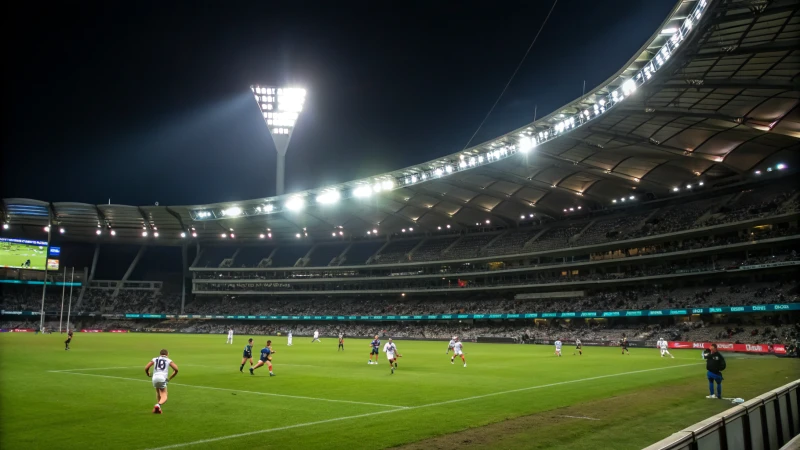
The beam angle in stadium flood lights determines how light spreads, ensuring even coverage and reducing shadows. Choosing the right beam angle enhances player performance and spectator experience while optimizing energy use.
Understanding Beam Angles in Stadium Lighting
I remember the first time I stood on a stadium field at night, under those towering lights. It felt almost magical—until I noticed the patchy shadows and uneven lighting. That's when I learned about beam angles4. A narrow beam focuses on specific areas, perfect for those intense moments in a game, while a wide beam ensures every corner of the field is lit up evenly. It's like having a well-oiled team; each part plays its role to create seamless illumination.
Benefits of Optimal Beam Angles
- Enhanced Visibility: I can't stress enough how crucial it is to have the right beam angle. When playing or even just watching, nobody wants pesky shadows ruining the experience. Wider angles (50°-120°) cover the entire field, making sure everyone can see clearly, whether they're on the field or in the stands.
- Energy Efficiency: I once worked on a project where we managed to cut down energy consumption significantly by smartly using a mix of narrow and wide beams. It was like finding the perfect recipe; fewer fixtures, more savings, and no compromise on quality.
| Beam Type | Ideal Use |
|---|---|
| Narrow (30°) | Specific focus areas |
| Wide (90°) | General field coverage |
Factors to Consider When Selecting Beam Angles
- Stadium Design: Every stadium has its unique charm and layout. It’s like tailoring a suit—the design dictates how you need to blend those beam angles.
- Event Type: Different sports need different lighting vibes. Some sports demand intense lighting, while others need softer tones.
- Light Pollution: I always aim for lighting that respects the neighborhood. It's about being a good light neighbor—focusing on the field and minimizing spillover.
Balancing Beam Angles with Other Lighting Features
Combining beam angles with factors like color temperature and CRI can really elevate your lighting game. I remember setting up lights for a major broadcast; getting that daylight-like 5000K color temperature made everything pop on camera. Plus, ensuring an 80+ CRI means colors are true to life—not a shade off!
Then there's the beauty of smart controls. Imagine adjusting light levels from your phone or automating them for different events! It's like having a backstage pass to your own show. With dimming capabilities, you can shift from practice mode to full-on live broadcast with ease.
Choosing the right stadium floodlight system5 is about more than just ticking boxes; it's about creating an experience that resonates. By balancing beam angles with durability, efficiency, and smart technology, we can craft lighting solutions that truly shine.
Wide beam angles reduce shadows in stadiums.True
Wide beams (50°-120°) provide even illumination, minimizing shadows.
Narrow beams are ideal for general field coverage.False
Narrow beams focus light on specific areas, not suitable for wide coverage.
How Do Color Temperature and CRI Enhance Sports Lighting?
Imagine being at a sports event where the lighting perfectly captures the energy and emotion of the game. It’s more than just bright lights; it’s about creating an experience.
Color temperature and CRI are vital in sports lighting because they replicate natural light conditions, ensuring athletes can perform at their best while providing spectators with vivid, true-to-life visuals.
%[A vibrant sports venue at night with athletes in action and engaged spectators.]
Understanding Color Temperature in Sports Lighting
When I first delved into the world of sports lighting, I was amazed at how color temperature, measured in Kelvin (K), plays a pivotal role. It's not just about illuminating a space—it's about setting the right mood and ensuring visibility. In sports venues, a color temperature between 5000K to 6000K closely resembles natural daylight. This range helps reduce eye strain, making both players and spectators more comfortable. Imagine trying to follow a fast-paced basketball game under dim, yellowish lights—it would be like watching your favorite movie with the brightness turned way down.
Each sport has its own lighting needs. For instance, soccer games in outdoor stadiums benefit from cooler light that complements the warm hues of an evening sky, while indoor arenas might prefer slightly warmer tones to create a cozy atmosphere.
| Sport | Preferred Color Temperature |
|---|---|
| Soccer | 5000K - 5700K |
| Basketball | 5500K - 6000K |
| Tennis | 5000K - 6000K |
The Importance of CRI for Sports Lighting
The Color Rendering Index (CRI) is another crucial factor I learned to appreciate. It measures how accurately a light source displays colors compared to natural light. A high CRI is especially important in sports lighting, ensuring that the vibrant colors of team jerseys and playing surfaces are clear and true to life. This is vital for both live spectators and those watching from home.
For televised events, a high CRI ensures that broadcasts capture the excitement and nuances of the game. A low CRI could mean that the home team’s bold colors appear dull or distorted on camera, which could be disappointing for fans.
Here’s a quick look at CRI requirements:
| CRI Value | Suitability for Sports |
|---|---|
| <80 | Unsuitable for professional events |
| 80-90 | Adequate for most venues |
| >90 | Ideal for high-definition broadcasts |
Combining the right color temperature and CRI6 creates an environment that enhances both athlete performance and spectator enjoyment. As I’ve learned through countless projects, choosing the right lighting solutions means understanding these parameters and how they work together with other factors like lumen output and beam angle. Smart control systems can also dynamically adjust these settings, ensuring optimal conditions at every phase of an event.
Sports lighting requires a CRI of at least 80.True
A CRI of 80 or above is recommended for accurate color rendering in sports.
Basketball venues prefer a color temperature of 4000K.False
Basketball venues typically use a color temperature between 5500K and 6000K.
How Can Smart Controls Optimize Stadium Lighting Efficiency?
Imagine transforming a stadium's ambiance with just a few clicks, optimizing lighting for energy efficiency while enhancing the fan experience.
Smart controls enhance stadium lighting by allowing precise, real-time adjustments, reducing energy consumption, and improving overall performance. These systems integrate seamlessly with existing setups for increased efficiency and cost-effectiveness.
%[A modern stadium at night with bright LED lights and fans]
The Role of Smart Controls in Energy Efficiency
I've always been fascinated by how technology can simplify our lives and boost efficiency. This is particularly true for stadium lighting, where smart controls can work wonders. These systems adjust the brightness based on real-time data, like natural light levels or crowd presence, ensuring lights are only on when needed. I remember walking through a stadium during non-event hours, and it was almost surreal to see how the lights dimmed down or switched off completely, conserving energy effortlessly.
Integration with Building Management Systems (BMS)
Integrating smart controls with building management systems7 is a game-changer. It centralizes the control of all stadium operations. Once, while overseeing a lighting project, I saw firsthand how facility managers could remotely tweak the lighting, making real-time changes as needed. This not only cuts down on energy use but also prolongs the life of lighting fixtures by preventing unnecessary use.
Adaptive Lighting for Enhanced Performance
Different events call for different lighting moods. Whether it's a high-stakes football match or a rocking concert, smart controls provide adaptive solutions that adjust brightness and color temperature accordingly. I recall attending a concert where the lighting shifted dynamically to match the music's rhythm, creating an unforgettable atmosphere.
Cost Savings and Sustainability
By curbing unnecessary usage, smart controls offer significant cost savings. Lower energy bills and reduced maintenance costs are just the start—fewer operational hours also mean longer-lasting fixtures. Embracing these technologies aligns perfectly with sustainability goals, reducing the carbon footprint of venues keen on achieving green certifications or improving their environmental impact.
| Feature | Benefit |
|---|---|
| Real-time adjustments | Reduced energy use |
| Integration with BMS | Centralized control |
| Adaptive lighting | Event-specific settings |
| Cost savings | Lower operational costs |
Incorporating smart controls not only optimizes stadium lighting efficiency but also elevates performance and sustainability. Strategically implementing these systems ensures that stadiums remain brilliantly lit while being kind to both the environment and your budget.
Smart controls reduce stadium lighting energy use by 40%.False
While smart controls significantly reduce energy use, the exact percentage can vary.
Adaptive lighting enhances spectator experience at events.True
Adaptive lighting adjusts to event needs, improving visibility and atmosphere.
Conclusion
Selecting a 400W LED flood light for stadiums involves considering lumens output, beam angle, color temperature, durability, energy efficiency, and smart controls to enhance visibility and reduce costs.
Explore how lumens directly impact the brightness and clarity in stadium settings, ensuring optimal visibility. ↩
Gain insights into the required standards for effective stadium lighting across various sports and events. ↩
Discover how smart control systems enhance efficiency and functionality in modern stadium lighting setups. ↩
Learn how narrow beam angles enhance focused lighting in specific stadium areas. ↩
Explore essential features of high-performance stadium floodlight systems. ↩
Learn about the interaction between color temperature and CRI in enhancing athlete performance and spectator experience. ↩
Discover how integrating with a building management system allows for efficient centralized control of all stadium operations. ↩