
Have you ever found yourself squinting at the TV during a cricket match, wondering why some stadiums seem less bright?
Cricket stadiums generally do not have dim lights during matches as bright, uniform lighting is essential for visibility. However, LED lights with dimming capabilities are used for specific events or energy efficiency during non-peak times.
I remember sitting in the stands, feeling puzzled by the change in lighting as the match progressed. It turns out, cricket stadiums use advanced LED systems that can adjust brightness for various needs—be it saving energy or creating a dramatic effect during breaks. These smart systems are a testament to how technology elevates our sports experiences, making sure nothing is compromised during the crucial moments of a game. Whether it’s about energy efficiency or enhancing the mood for special events, these lighting strategies are as intricate as the sport itself.
LED lights in stadiums are dimmable for flexibility.True
Dimmable LED lights allow for adjustable brightness during different events.
All cricket stadiums use non-dimmable lighting systems.False
Most modern stadiums use dimmable LED systems for versatility.
What Are the Lighting Standards for Cricket Stadiums?
Ever wondered how cricket stadiums manage to create that perfect atmosphere under the lights? Let's explore the world of stadium lighting and see what it takes to make those games shine.
Cricket stadiums need lighting standards that include high-intensity LEDs, ensuring a lux level of 1500 for international matches. This uniform illumination is essential for both players' performance and the quality of TV broadcasts.

Understanding Lux Levels in Cricket Stadiums
When I think about my first experience watching a night cricket match, I remember the thrill of seeing every ball as if it was daytime, thanks to the impressive lighting. This clarity is achieved by maintaining a lux level of about 1500 for international matches1. It's fascinating how these levels ensure players spot the ball clearly, even when it's hurled at dizzying speeds. For domestic games, the lux levels are a tad lower, but they still offer great visibility.
| Match Type | Recommended Lux Level |
|---|---|
| International | 1500 lux |
| Domestic | 1000-1200 lux |
The Role of LED Lighting
I once had a chat with a stadium manager who swore by LED lights for their energy efficiency2 and flexibility. These lights can be tailored to fit different needs—whether it's softening the brightness for pre-game events or amping it up during play. Plus, they're budget-friendly over time, making them a popular choice.
Importance of Uniform Illumination
I remember seeing a catch missed during a crucial game, all because of a shadow on the field. That's why uniform lighting is so crucial—it prevents shadows that could mess up the game or even TV broadcasts. Consistent light distribution is vital to keep things fair and clear.
| Factor | Importance |
|---|---|
| Uniform Illumination | Prevents shadows and ensures clarity |
| Consistent Distribution | Vital for fair play and broadcast quality |
Compliance with International Standards
Meeting international standards, like those from the International Cricket Council (ICC)3, is a must. These guidelines cover everything from lux levels to floodlight placement and angles to cut down on glare and boost coverage.
Getting these standards right means creating a venue that's ready for both local and global matches, offering an amazing experience for everyone involved.
International cricket matches require 1500 lux lighting.True
This ensures players can see the ball clearly, even at high speeds.
LED lights are not suitable for cricket stadiums.False
LEDs are preferred for their energy efficiency and flexibility.
How Do LED Lights Enhance Cricket Stadium Experiences?
Picture yourself at a cricket stadium where the field lights up with dazzling clarity, and every moment is infused with an electrifying atmosphere. This is the power of LED lighting.
LED lights transform cricket stadium experiences by providing outstanding illumination, energy savings, and captivating lighting effects. They enhance visibility for players and fans, create an exciting ambiance, and lower operational expenses.

Enhanced Visibility for Players and Spectators
I remember my first night game experience at a cricket stadium. As the sun dipped below the horizon, the LED lights flickered on, bathing the field in a perfect, shadow-free glow. It was almost as if the field had come alive. LEDs are game-changers when it comes to illumination quality4. They offer uniform brightness that reduces shadows, ensuring that every thrilling dive or spectacular catch is crystal clear for both players and fans. Whether you're in the stands or watching from home, these lights make sure you don't miss a single moment of the action.
Energy Efficiency and Cost Reduction
From my own experience in project management, I can vouch for the impact of energy-efficient solutions like LEDs. They consume far less power than traditional lighting systems, leading to significant savings on electricity bills. This is not just about cutting costs but also about making a positive environmental impact by reducing carbon footprints. With smart control systems5, stadiums can tweak lighting levels to match specific needs—be it dimming for non-play periods or powering up for high-energy events.
| Feature | LED Lighting |
|---|---|
| Energy Consumption | Low |
| Lifespan | Long |
| Maintenance Requirement | Minimal |
| Color Quality | High |
Dynamic Lighting Effects
LEDs go beyond just lighting up the field—they bring it to life with dynamic effects that can turn any game into a spectacle. I recall one match where the lights danced in sync with the crowd's energy during breaks, turning a simple game into an unforgettable experience. These systems use advanced technology6 and are programmable to create various effects, from light shows to highlighting key moments on the field, making every match feel like a grand event.
Impact on Broadcast Quality
As someone who enjoys watching games both live and on TV, I appreciate how LED lighting significantly enhances broadcast quality. Their consistent and flicker-free operation means that cameras capture clear, stable images, enriching the viewing experience. With uniform light distribution, broadcasters can ensure high-quality footage with minimal glare or shadows, keeping audiences glued to their screens.
Utilizing smart lighting solutions7, broadcasters can optimize camera settings to maximize available light, ensuring that whether you're at the stadium or cheering from your living room, you get to enjoy a truly immersive experience.
LED lights reduce shadows on the cricket field.True
LEDs provide uniform lighting, minimizing shadows and enhancing visibility.
LED lighting increases energy consumption in stadiums.False
LEDs are energy-efficient, consuming less power than traditional systems.
How Does Lighting Influence Sports Performance and Experience?
Ever noticed how the right lighting can transform a sports event from just another game to a mesmerizing spectacle? It’s not just about seeing the ball clearly; it’s about enhancing the entire experience for players and fans alike.
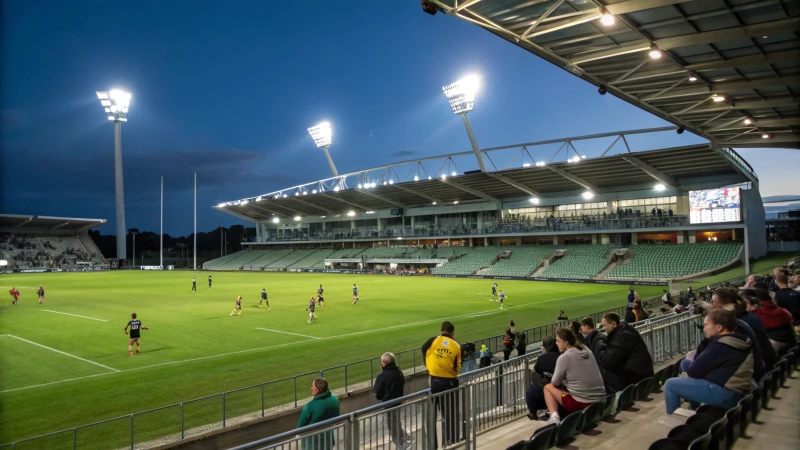
Lighting plays a pivotal role in sports, enhancing player performance by improving visibility and boosting spectator enjoyment with an engaging atmosphere. Proper lighting reduces errors and ensures safety, making it a crucial element in sports environments.
The Science of Lighting and Visibility
Lighting conditions directly impact a player's ability to perceive and react to their surroundings. Adequate lighting ensures athletes can track fast-moving balls or opponents effectively, reducing reaction time and minimizing errors. For instance, in cricket, proper lighting systems8 are crucial for players to judge the trajectory of the ball accurately.
| Lighting Condition | Effect on Players |
|---|---|
| Bright & Uniform | Optimal visibility, reduced errors |
| Inconsistent | Increased errors, potential for accidents |
Emotional Impact on Spectators
Spectator enjoyment is not just about watching the game; it's about the entire experience. Well-designed lighting can create a vibrant atmosphere, enhancing the emotional engagement of fans. During night games, stadiums often use dynamic lighting to evoke excitement or highlight key moments, greatly influencing the overall experience. The ability of LED lighting9 to change colors and intensity can amplify this effect.
Safety and Security
Safety in sports venues is paramount for both players and spectators. Proper lighting reduces the risk of injuries on the field by making obstacles visible. Additionally, good lighting enhances security by deterring misconduct and helping with crowd management. Sports stadiums often rely on energy-efficient solutions10 that provide bright lighting without excessive energy consumption.
Broadcast and Presentation Quality
For those of us who love watching sports on TV, lighting quality is key to enjoying a crisp, clear broadcast. There’s nothing worse than trying to follow a game with dull visuals. Modern stadiums employ advanced lighting setups to ensure every thrilling moment is captured in high-definition clarity, enhancing the viewing experience for fans worldwide.
Adaptive Lighting Technologies
Thanks to adaptive lighting technologies, sports venues can now tailor lighting to fit various needs—whether it’s setting a mood during special events or adjusting to different times of day. These systems provide flexibility without sacrificing performance or safety. It’s fascinating how smart control systems allow such adaptability, making every event unique and memorable. Explore how smart lighting controls11 are revolutionizing sports environments.
Proper lighting reduces player errors in sports.True
Adequate lighting improves visibility, helping players track fast-moving objects better.
Dynamic lighting has no effect on spectator excitement.False
Dynamic lighting enhances the atmosphere, boosting emotional engagement and excitement for fans.
Why is Energy Efficiency Important in Stadium Lighting Design?
Ever wonder how stadiums stay brilliantly lit while saving energy? It’s all about efficiency and innovation.
Energy efficiency in stadium lighting design is vital for reducing both operational costs and environmental impact. By using LED lights with dimming capabilities, stadiums can achieve flexibility and sustainability, catering to various event needs effectively.

Understanding the Importance of Energy Efficiency
When I first dove into the world of stadium lighting design, I quickly learned that energy efficiency isn't just a buzzword; it's a game-changer. Imagine walking into a stadium, knowing that each light isn't just brightening the field but also cutting down on energy consumption. This shift not only slashes costs but also significantly reduces the environmental footprint12 of these massive venues.
The Rise of LED Technology
I remember my first encounter with LED technology in a project—it felt like stepping into the future. LED lights offer more than just illumination; they provide the kind of brightness and uniformity that players and broadcasters crave. The fact that they last longer and require less maintenance than traditional systems made them an obvious choice for any forward-thinking stadium.
Flexible Lighting Solutions
One evening at a non-play event, I watched as the stadium lights dimmed to create a cozy ambiance. This wasn’t just for aesthetics; it was a testament to the flexibility LEDs offer. Adjusting lighting intensity based on event requirements is not just efficient but smart.
LED Lighting Comparison Table:
| Feature | Traditional Lighting | LED Lighting |
|---|---|---|
| Energy Consumption | High | Low |
| Lifespan | Short | Long |
| Dimming Capability | Limited | Excellent |
| Maintenance Cost | High | Low |
Smart Control Systems Integration
Integrating smart control systems into stadium lighting was like adding a brain to the operation. These systems allow precise control over light levels and timing, optimizing energy use13 based on real-time needs. It’s like having a personal energy manager that reduces waste with automatic adjustments.
Cost-Effectiveness and Sustainability
Investing in energy-efficient solutions seemed daunting at first, but the numbers spoke for themselves. Over time, stadiums see substantial savings, thanks to reduced operational costs and fewer replacements. Plus, aligning with global environmental goals by going green felt incredibly rewarding.
Broader Implications for Stakeholders
For those involved in stadium design and management, embracing energy-efficient lighting isn't just about saving money—it's about enhancing venue performance14 and making a positive impact on the environment. This approach not only elevates the experience for spectators and athletes but also showcases a genuine commitment to sustainability.
LED lights reduce stadium energy consumption.True
LEDs consume less energy than traditional lighting, cutting costs.
Traditional lights last longer than LED lights.False
LEDs have a longer lifespan compared to traditional lighting systems.
Conclusion
Cricket stadiums utilize dimmable LED lights for flexibility, ensuring optimal visibility during matches while enhancing ambiance for non-play events, balancing energy efficiency and performance.
Explore detailed specifications for lighting in international cricket matches to ensure compliance and optimal performance. ↩
Discover why LED lighting is favored in modern sports facilities for its efficiency and adaptability. ↩
Learn about the official ICC standards that dictate lighting requirements for cricket stadiums worldwide. ↩
Explore how LED lighting improves visibility and enhances the experience in sports venues. ↩
Discover how smart control systems optimize energy use in stadiums. ↩
Learn how dynamic LED lighting effects create an engaging atmosphere. ↩
Understand how LED lights enhance television broadcast quality. ↩
This link provides insights into how lighting enhances player performance by improving visibility and reducing errors during cricket matches. ↩
Learn about the role of LED lighting in creating dynamic atmospheres that enhance spectator experience at sports events. ↩
Explore how energy-efficient lighting options maintain safety and visibility while reducing costs in sports venues. ↩
Understand the benefits of smart lighting systems in optimizing light levels for various sports scenarios. ↩
Discover how energy-efficient lighting reduces the environmental impact of stadiums by decreasing greenhouse gas emissions. ↩
Explore how smart systems enhance energy efficiency by adjusting lighting based on real-time requirements. ↩
Understand the advantages sustainable lighting offers to stakeholders, including cost savings and environmental responsibility. ↩