
When I first considered switching to LED lighting for playgrounds and stadiums, the benefits seemed too good to ignore.
LED lighting in playgrounds and stadiums offers significant benefits, including 50-70% energy savings, longer lifespan (50,000+ hours), and improved visibility for safety. With smart control integration, instant on/off functionality, and eco-friendly design, LED lighting is a cost-effective and sustainable solution for large-scale outdoor venues.
Remember the first time you flicked on a light switch and marveled at the instant brightness? That's the magic of LEDs! Beyond just saving energy, they're eco-friendly and integrate seamlessly with smart technology. Whether it's a local playground or a massive stadium, LEDs transform these spaces into beacons of efficiency and safety.
LED lighting saves up to 70% energy in stadiums.True
LEDs are more efficient, reducing energy consumption by up to 70%.
Traditional lighting lasts longer than LED lighting.False
LED lighting typically has a longer lifespan than traditional systems.
How Do LEDs Enhance Safety and Visibility in Sports Venues?
Imagine walking into a stadium where every corner shines bright, enhancing both safety and experience. That's the magic of LEDs in sports venues.
LEDs boost sports venue safety by delivering consistent, bright lighting that minimizes shadows and glare. Their instant-on feature and energy efficiency improve visibility, making them perfect for dynamic environments.
%[A modern sports venue at night with a soccer game in progress]
Energy Efficiency and Cost Savings
Let me tell you, switching to LED lighting was like finding hidden treasure! It slashed our energy bills by a whopping 50-70% compared to those old-school halogen lamps. With the energy savings, I could practically see the long-term benefits stacking up for my projects.
| Lighting Type | Average Lifespan (Hours) | Energy Efficiency |
|---|---|---|
| Traditional | 10,000-20,000 | Low |
| LED | 50,000+ | High |
The lifespan of these LEDs is like a marathon runner—never-ending! This means fewer replacements and significantly lower maintenance costs1.
Enhanced Visibility and Safety
Have you ever noticed how some lights make everything look washed out? Not with LEDs! They offer high-quality illumination with a CRI above 80, so colors pop vividly. This is key to ensuring player safety in fast-paced sports where every shadow counts. Check out this resource2 for more on how CRI impacts visibility.
Instant On/Off and Dimming Capabilities
Remember those frustrating minutes waiting for lights to warm up? That's history now! LEDs shine bright immediately, which is crucial when you need quick adjustments during games. Plus, the smart dimming features? They're an energy-saving dream during off-peak times. Discover more about smart dimming features3.
Smart Control Integration
The future of lighting is here with modern LED systems. They integrate smoothly with smart controls and building management systems (BMS), offering remote monitoring and automatic lighting adjustments based on usage patterns. This means less waste and more optimized lighting efficiency. For an in-depth look at smart control systems, check out this article4.
LEDs cut energy costs by 50-70% in sports venues.True
LEDs are more energy-efficient than traditional lighting, reducing costs.
Traditional lights have a higher CRI than LEDs.False
LEDs have a high CRI over 80, providing better color accuracy than traditional lights.
Why Should You Consider Switching to LED Lighting for Environmental Benefits?
Ever felt like your lightbulbs were silently plotting against your electricity bill? Switching to LED lights might just be your knight in shining armor.
LED lighting offers compelling environmental benefits by slashing energy use, shrinking carbon footprints, and reducing hazardous waste. These bulbs outshine traditional ones in efficiency, ensuring long-term sustainability and savings.
%[Modern home illuminated at dusk with greenery]
Energy Efficiency and Reduced Carbon Footprint
I've always been a stickler for turning off lights when leaving a room, but nothing drove the point home more than when I saw my electricity bill after switching to LEDs. They consume up to 80% less power than those old-school bulbs. Imagine if every home swapped just one incandescent bulb for an LED — we could power 2.5 million homes for a year! It's like giving our planet a little breather.
Longer Lifespan and Less Waste
One of my favorite things about LEDs is their longevity. I used to dread the inevitable "pop" of a bulb burning out, but with LEDs lasting over 50,000 hours, those days are long gone. This means fewer trips to the store and less waste in landfills. Plus, the environment smiles a little wider each time we cut down on manufacturing needs.
| Type of Bulb | Average Lifespan (Hours) | Energy Consumption |
|---|---|---|
| Incandescent | 1,000 | High |
| CFL | 8,000 | Moderate |
| LED | 50,000 | Low |
Non-Toxic and Safe Disposal
Remember learning about mercury in science class? Some traditional bulbs still use it, which isn't great for our planet. LEDs, however, steer clear of hazardous materials, making them safer to dispose of. It’s a win-win for us and Mother Earth.
Versatility and Smart Control
LEDs have this cool factor too — they’re versatile and can sync up with smart systems. Whether it's dimming them for a cozy movie night or setting them to shut off automatically, it's all about maximizing efficiency.
Explore smart control systems5 that enhance energy efficiency further.
Enhanced Light Quality and Safety
I noticed that LEDs provide such crisp light, almost like upgrading from standard definition to HD TV. With a higher Color Rendering Index (CRI), they help reduce shadows and glare, making spaces safer and more comfortable.
Explore more on LED lighting benefits6 and see why they're a game-changer for sustainability.
LEDs reduce energy use by up to 80%.True
LEDs are highly energy-efficient, consuming significantly less electricity.
LED bulbs contain hazardous mercury.False
Unlike CFLs, LEDs do not contain mercury, making disposal safer.
Can LED Lighting Offer Cost Savings for Large-Scale Projects?
When I first stumbled upon LED lighting for large-scale projects, I was amazed at its potential to revolutionize energy savings. Dive into how LEDs can be your project's best friend.
Absolutely, LED lighting can lead to major cost savings in large-scale projects due to its lower energy use, reduced maintenance needs, and long lifespan. These benefits ensure a swift return on investment (ROI).
Energy Efficiency and Reduced Consumption
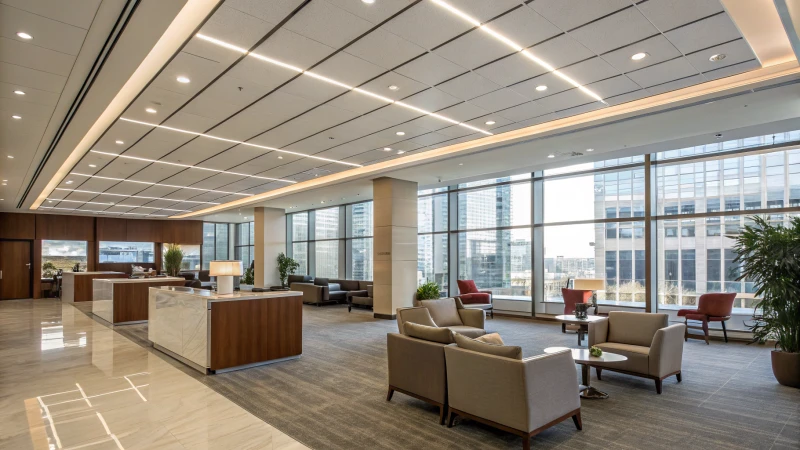
I remember walking through a brightly lit stadium, marveling at the sheer brilliance of LED lights. They consume up to 70% less energy than traditional lighting, drastically cutting down those hefty electricity bills, especially in extensive setups like stadiums and playgrounds7 that demand constant illumination.
| Lighting Type | Energy Consumption | Average Lifespan |
|---|---|---|
| Halogen | High | 2,000 hours |
| Metal Halide | Moderate | 15,000 hours |
| LED | Low | 50,000+ hours |
Maintenance and Longevity
I've often faced the frustration of frequently replacing traditional bulbs. With LEDs boasting over 50,000 hours of life, those days are gone. They're robust enough to endure tough conditions, making them perfect for outdoor applications8.
Smart Control Integration
I love how modern LED systems let you play with lighting just like a DJ tweaks sound. With smart controls, you can tailor lighting to fit exact usage patterns, optimizing energy use in big projects like commercial spaces9.
Environmental Impact
Knowing that LEDs help reduce our carbon footprint gives me peace of mind. They’re eco-friendly and don't contain harmful substances, aligning perfectly with sustainable goals crucial for environmentally-conscious projects10.
Financial Analysis and ROI
Initially, I was wary of the higher upfront costs of LED systems. But when I crunched the numbers for a large stadium project, the savings from energy and maintenance were undeniable, leading to an ROI within just 2-3 years. It’s a clear win for any B2B buyer focused on long-term gains11.
LED lights consume 70% less energy than halogen lights.True
LEDs are more energy-efficient, using up to 70% less energy than halogens.
LED lighting systems have a lifespan of 15,000 hours.False
LEDs last over 50,000 hours, far exceeding the 15,000 hours of metal halides.
How Can Smart Control Integration Boost LED Lighting Efficiency?
Ever wondered how your lighting could be smarter and more efficient?
Smart control integration transforms LED lighting efficiency by using real-time data to automatically adjust settings, optimizing energy usage and extending the lifespan of lights through advanced management features.
Optimizing Energy Use with Smart Controls
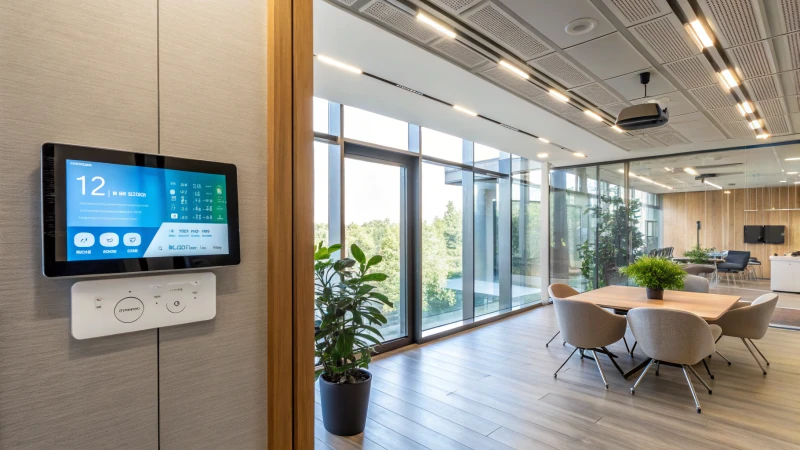
Imagine walking into a room and the lights automatically adjusting to create the perfect ambiance without you lifting a finger. That's the magic of smart controls. These systems can sense when you're around and adjust accordingly, making sure lights are only on when they need to be. I remember installing such a system in a bustling office space, where lights would dim or turn off in empty meeting rooms, saving a noticeable amount on energy bills while extending the life of our LED fixtures.
Incorporating sensors and IoT technology, these smart controls are like having a personal lighting assistant that ensures energy isn’t wasted. Plus, they collect data on usage patterns, which can be a game-changer for making further optimizations.
| Feature | Traditional Systems | Smart Control Systems |
|---|---|---|
| Energy Consumption | Higher | Lower |
| Maintenance Frequency | High | Reduced |
| User Control | Limited | Extensive |
Enhancing Operational Performance
With smart control integration, I’ve seen firsthand how LED lighting systems become not just efficient but also highly adaptable. In large venues like stadiums, being able to remotely control lighting levels during events is crucial. It ensures that every seat has perfect visibility, enhancing the experience for both players and spectators. Once, at an arena event, we used these smart controls to adjust lighting dynamically with ease, saving both energy and providing a better show.
Moreover, features like dimming capabilities12 can be adjusted on the fly, ensuring that lighting is always optimal.
Sustainability Benefits
Going green isn’t just a trend—it's becoming essential for businesses. Smart control systems don't just cut down on energy use; they also play a big part in sustainability initiatives. By reducing consumption and optimizing the lifespan of lighting systems, they help lower carbon footprints and adhere to environmental standards.
I’ve worked on projects where reducing maintenance was key. With smart controls, frequent bulb replacements became a thing of the past, especially in high-demand areas like stadiums. This not only supports sustainability but also reduces operational costs significantly.
Investing in these systems is more than just a financial decision; it's a commitment to sustainability and performance excellence. Leveraging these technologies means not only improving efficiency but also aligning with global environmental goals. It's about making smart choices today that benefit us all tomorrow.
Smart controls reduce LED energy consumption by 50%.False
Smart controls reduce energy use but the exact percentage varies by system.
LED smart controls enhance user control extensively.True
Smart systems offer advanced user interfaces for precise lighting management.
Conclusion
LED lighting in playgrounds and stadiums offers 50-70% energy savings, enhanced safety, longer lifespan, and eco-friendliness, making it a smart choice for outdoor venues.
- Explore how LEDs lower maintenance costs through longer lifespan and fewer replacements. ↩
- Understand the importance of CRI in enhancing visibility and safety in sports environments. ↩
- Learn about the energy-saving benefits of smart dimming in sports venues. ↩
- Discover how smart control systems optimize LED lighting for efficiency and functionality. ↩
- Smart control systems enhance LED efficiency by adjusting lighting based on real-time needs, saving energy. ↩
- Discover comprehensive insights into how LEDs outperform traditional bulbs environmentally. ↩
- Learn how LED lighting dramatically reduces energy use in stadiums, providing long-term savings. ↩
- Explore why LEDs are perfect for outdoor environments, offering durability and longevity. ↩
- Discover how integrating smart controls with LED systems optimizes energy use. ↩
- Understand the environmental advantages of using LED lighting. ↩
- Find out how quickly you can recoup investments in LED lighting. ↩
- Explore how dimming capabilities enhance energy savings and user comfort in various settings with smart LEDs. ↩