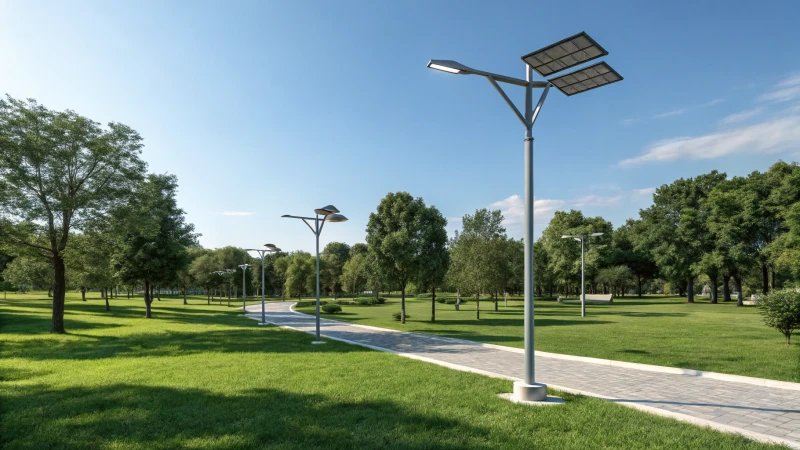
I remember the first time I saw solar street lights in action. They were a beacon of innovation and sustainability, lighting up a once dark and dreary park.
The best places to install solar street lights are areas with high sunlight exposure, such as open spaces, rural regions, and remote highways. They are also suitable for high-traffic urban streets, pathways, parking lots, and emergency zones where off-grid power and consistent illumination are needed. Proper placement ensures efficient performance and energy savings.
Thinking back to my own experiences, it was those bright, uninterrupted nights in remote areas that truly showcased the magic of solar lighting. But beyond just placing them in sunny spots, it's important to consider other factors such as local climate conditions and specific site characteristics. These elements can greatly influence how well the solar lights perform. Let's dive deeper into understanding how to make the most out of these sustainable solutions.
Solar street lights require direct sunlight for maximum efficiency.True
Direct sunlight is essential for solar panels to generate optimal energy.
Installing solar lights in shaded areas maximizes their efficiency.False
Shaded areas reduce sunlight exposure, decreasing the efficiency of solar lights.
Where Should I Install Solar Street Lights for Best Results?
Have you ever wondered where the perfect spots for solar street lights might be?
The best locations for solar street lights are those with plenty of direct sunlight, like open parks or roadsides, as well as remote areas lacking reliable electricity, and bustling urban streets needing bright, consistent lighting. Ensuring clear access to sunlight is key for optimal performance.
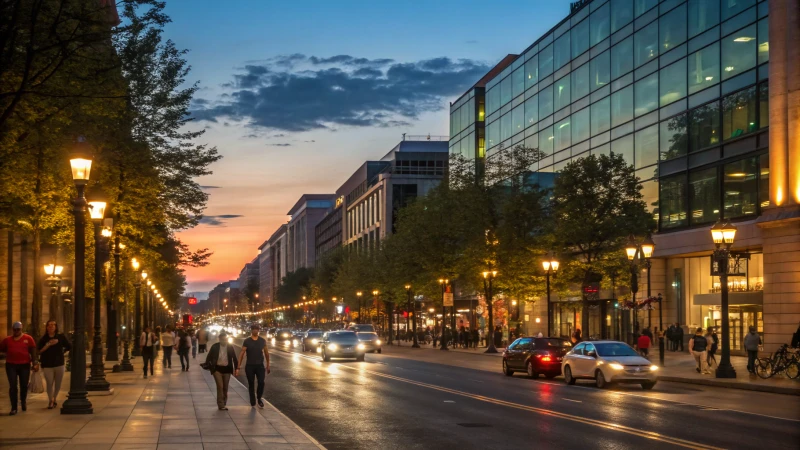
Areas with High Sunlight Exposure
I remember a walk through a sun-drenched park one afternoon when I realized how ideal these open spaces are for solar street lights. Locations that bask in direct sunlight for at least 4-6 hours daily, like parks or urban centers, allow solar lights to soak up energy efficiently. This translates into ample stored energy for nighttime use, lighting up paths and roads seamlessly.
| Location Type | Sunlight Requirement | Key Benefit |
|---|---|---|
| Parks and Open Areas | 4-6 hours | Efficient charging |
| Urban Centers | Unobstructed light | Continuous lighting at night |
Remote or Off-Grid Locations
Imagine driving through an isolated highway or visiting a rural village where electricity is scarce. Here, solar street lights become a beacon of hope. In these off-grid areas, the practicality of solar technology shines. It sidesteps the hefty costs and logistical nightmares associated with traditional electrical setups, providing safe and autonomous lighting solutions.
Urban Streets and High-Traffic Areas
Busy urban streets often remind me of bustling markets back home—full of life and activity. For such high-traffic areas, it’s wise to go for higher wattage and robust battery capacities. Installing 100W to 200W solar lights in these zones ensures they remain brightly illuminated throughout the night, enhancing both safety and visibility while cutting down on energy bills.
Pathways, Parking Lots, and Community Spaces
I’ve seen how effective solar lights can be in community spaces like pathways and parking lots, especially during quiet nights. Mid-range power lights (40W-100W) strike the perfect balance here, offering adequate lighting for safety without overusing energy. It’s a smart way to keep these spaces welcoming and secure.
Explore Benefits of Solar Street Lights1 in community spaces to reduce energy usage without compromising on lighting quality.
Uninterrupted Light in Emergency Zones
In places like hospitals or disaster relief areas, where power outages are not just inconvenient but dangerous, solar street lights can literally be lifesavers. I’ve often thought about how these zones could benefit from solar lights equipped with high-energy storage batteries to ensure they remain lit during emergencies. They offer a reliable source of illumination when it’s needed most.
Learn More About Solar Lighting in Emergencies2 to understand how they can provide reliable illumination during critical times.
Solar street lights require at least 4-6 hours of sunlight daily.True
Solar street lights need sufficient sunlight to charge and function efficiently.
Urban centers are unsuitable for solar street lights.False
Urban centers are ideal due to unobstructed sunlight, ensuring efficiency.
How Does Sunlight Exposure Affect Solar Light Performance?
Ever wondered why some solar lights shine bright while others dim out quickly? It all boils down to sunlight exposure.
Sunlight exposure plays a crucial role in solar light performance by affecting how much energy is stored and the duration of illumination. Direct sunlight boosts efficiency, while indirect or limited exposure diminishes energy capture and light output.
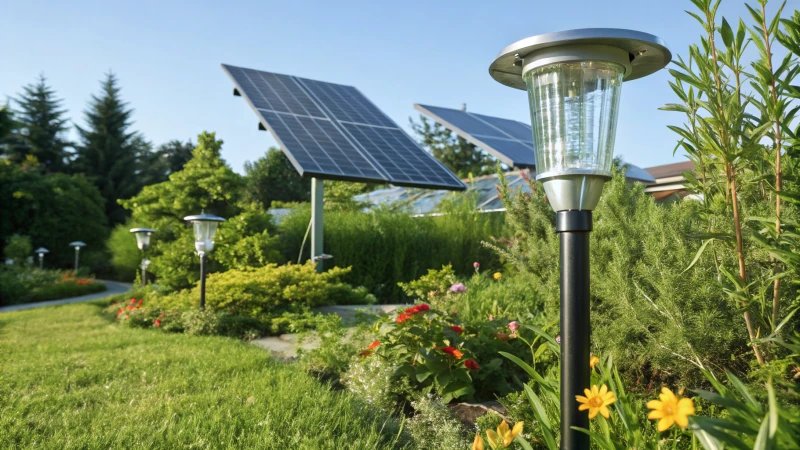
The Role of Direct Sunlight in Solar Efficiency
I remember setting up solar lights in my backyard, eagerly anticipating the eco-friendly glow they would bring. Little did I know, the spot where I placed them was shaded for most of the day, leading to a disappointing flicker by evening. Solar panels thrive on direct sunlight, which powers the photovoltaic cells to convert light into electricity efficiently. For areas basking in consistent sunlight3, like my friend's open garden that enjoys at least six hours of sunshine daily, solar lights perform wonderfully, storing ample energy for nighttime.
Impact of Indirect or Limited Sunlight
On a cloudy day or in shadowy spots, solar panels struggle to soak up enough rays. I learned this firsthand when trying to light up a corner of my patio, often blocked by a large tree. These conditions mean less energy conversion and storage, hindering light performance. High-efficiency panels that manage well in low-light conditions4 can be a lifesaver here, ensuring you don't end up with a dim yard party.
Solar Light Performance in Different Environments
| Environment | Sunlight Exposure | Recommended Solution |
|---|---|---|
| Urban Areas | High, but often obstructed by buildings | Install solar lights on rooftops or open spaces to maximize exposure. |
| Rural Areas | High, with fewer obstructions | Ideal for installation due to clear skies and ample sunlight. |
| Off-Grid Locations | Varies, often limited | Use hybrid systems combining solar with other power sources for reliability. |
In bustling urban environments, I've found it best to place solar lights where tall buildings won't cast long shadows. In contrast, rural settings with open skies make ideal homes for these lights, embracing their sustainable charm.
Seasonal Variations and Solar Performance
Seasons bring their unique challenges, as I discovered when winter rolled around and shorter days meant my lights were less bright. Adjusting the lighting schedule or increasing battery capacity can help maintain consistent illumination5 even when the sun's shy.
Technological Innovations Enhancing Solar Performance
Thanks to tech advancements like bifacial panels and smart energy management systems, solar lights are getting smarter and more efficient. These innovations help capture more light and use energy better. Using smart lighting systems6 can tweak light output based on available sunlight, ensuring that even on the gloomiest days your space stays lit without wasting energy.
Direct sunlight maximizes solar light efficiency.True
Direct sunlight enhances energy conversion in photovoltaic cells.
Cloudy days have no impact on solar light performance.False
Clouds reduce sunlight intensity, lowering energy conversion.
Are Solar Street Lights Suitable for Urban Areas?
Ever wondered if solar street lights can illuminate urban jungles effectively?
Solar street lights are suitable for urban areas with adequate sunlight exposure and strategic planning. They offer sustainable lighting solutions but require careful consideration of placement and power needs for optimal efficiency.
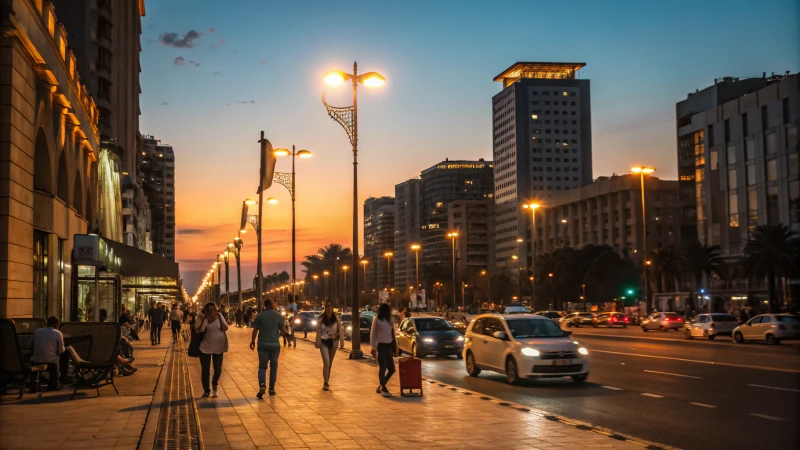
Urban Sunlight Exposure
I remember walking through a city park one sunny afternoon, noticing how the trees and buildings cast their long shadows, creating a patchwork of light and shade. It struck me then how crucial sunlight exposure is for solar street lights. In urban settings, where skyscrapers stand tall, finding the right spot with 4-6 hours of direct sunlight is like solving a complex puzzle. Open spaces such as parks, roadsides, or plazas are ideal, providing the necessary exposure without obstructions.
| Location | Sunlight Hours | Recommendation |
|---|---|---|
| Open Parks | 6+ | High-efficiency models |
| Downtown | 4-5 | Strategic placements |
| Shaded Areas | <4 | Traditional lighting |
High-Traffic Urban Streets
Imagine driving through a bustling commercial zone at night, the streets alive with activity. It's in these high-traffic areas that solar street lights need to shine brightest. When I was researching lighting solutions for a project, I found that models ranging from 100W to 200W were perfect for such vibrant zones, offering the brightness needed to ensure safety and visibility.
Energy Efficiency in Community Spaces
There was this one evening at a community event when I noticed how well-lit the pathways and parking lots were, thanks to solar lighting. It was impressive to see how they enhanced safety without burdening the city's power grid. For such spaces, mid-range power models (40W-100W) strike a balance between cost-effectiveness and sufficient illumination.
Addressing Power Outages in Urban Areas
I’ve been caught in sudden power outages more times than I’d like to admit, and it's always a relief to see solar street lights still glowing along emergency routes. For cities prone to these outages, installing models with high-energy storage batteries near hospitals or critical zones is a must. It ensures crucial areas stay lit, providing reliability when it matters most.
Considerations for Installation
Planning for solar street lighting isn't just about picking the right model—it's about understanding the weather patterns and maintenance needs too. While the initial investment might be steeper than traditional systems, I've seen firsthand how the long-term savings and environmental benefits pay off. Exploring various options7 that include smart control systems can further optimize energy use and seamlessly integrate with existing infrastructure.
| Criteria | Solar Lighting | Traditional Lighting |
|---|---|---|
| Cost Efficiency | High | Medium |
| Maintenance | Low | Medium |
| Environmental Impact | Low | High |
I've come to appreciate how solar street lights can transform urban landscapes—not just by saving energy but by ensuring our cities stay bright and safe around the clock. It's about making informed choices that benefit both our communities and the environment. Explore more about the benefits8 and challenges to make an informed decision about integrating solar street lights into urban environments.
Solar lights require at least 4 hours of direct sunlight.True
Solar street lights need 4-6 hours of sunlight for optimal function.
Traditional lighting is more cost-efficient than solar lighting.False
Solar lighting offers higher cost efficiency due to lower operational costs.
What should I consider when planning an off-grid installation?
Embarking on an off-grid adventure? Let’s dive into the essentials together, making sure your journey is smooth and successful.
When planning off-grid installations, focus on understanding energy needs, selecting appropriate technology, conducting a thorough site analysis, choosing effective battery storage solutions, and evaluating maintenance and costs. These steps ensure a sustainable and efficient off-grid system.
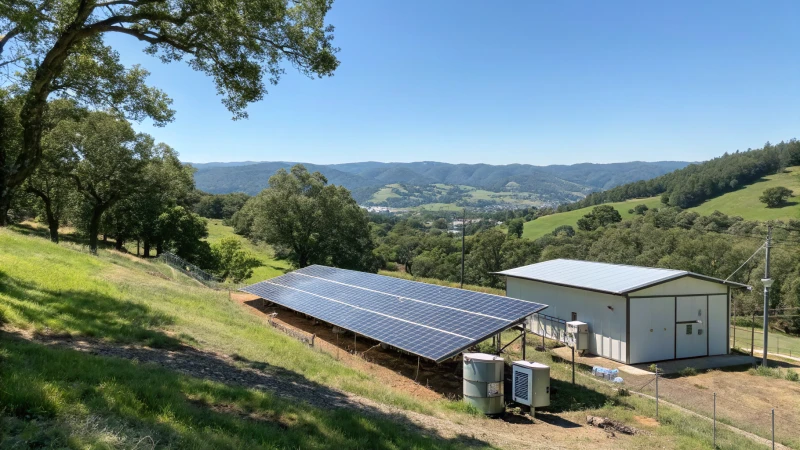
Assessing Energy Needs
I remember the first time I considered going off-grid—it felt like embarking on an exciting yet daunting journey. The starting point was understanding my energy needs. I began by listing every electrical appliance in my home, from the refrigerator to the humble LED bulb, along with their daily usage time. This little exercise wasn’t just a numbers game; it was a revelation. Knowing exactly what I needed helped me decide the size of the solar panels9 and batteries to power my dream.
| Appliance | Power (W) | Usage (hours/day) | Total Consumption (Wh/day) |
|---|---|---|---|
| Refrigerator | 150 | 24 | 3600 |
| LED Bulb | 10 | 5 | 50 |
Selecting Suitable Technology
The next step was all about choosing the right technology10—an adventure in itself! Whether it's solar, wind, or a hybrid system, the choice depends heavily on where you are. I found myself drawn to solar because of my location’s sunny disposition. But each option has its quirks; it’s like picking a travel companion for your journey.
Site Analysis
Performing a detailed site analysis felt like detective work. I walked around, gauging solar exposure and checking for any sneaky trees or buildings that might cast a shadow over my setup. Using tools like a solar pathfinder gave me that extra edge, ensuring nothing stood between me and the sun.
Battery Storage Solutions
Choosing the right battery storage was crucial. I weighed factors like capacity, lifespan, and maintenance—decisions that reminded me of picking the right backpack for a hike. I opted for lithium-ion batteries for their efficiency and durability, as they promised to be reliable companions in this off-grid adventure.
| Battery Type | Lifespan (years) | Efficiency (%) |
|---|---|---|
| Lithium-ion | 10-15 | 95 |
| Lead-acid | 3-5 | 80 |
Maintenance and Costs
Finally, keeping my system in top shape required regular maintenance—think of it as routine check-ups for your car. This included cleaning panels, checking connections, and ensuring batteries were healthy. Balancing upfront costs against long-term savings was a thoughtful exercise in planning for the future.
By exploring these factors thoroughly, I’ve learned that a well-planned off-grid system isn't just about energy; it's about creating a reliable partner in my journey towards sustainability. Understanding these elements empowers us to make informed decisions, paving the way for an efficient and sustainable off-grid lifestyle.
Lithium-ion batteries have a lifespan of 10-15 years.True
Lithium-ion batteries are known for their longer lifespan compared to other types.
Wind technology is always better than solar for off-grid.False
The choice between wind and solar depends on geographic and climatic conditions.
Conclusion
Install solar street lights in areas with direct sunlight, such as parks and urban centers, to maximize efficiency. Consider local climate and site characteristics for optimal performance.
Discover how solar lights enhance community spaces by providing sustainable lighting and reducing energy costs. ↩
Explore how solar lighting ensures reliable illumination during power outages in emergency zones. ↩
Direct sunlight maximizes energy conversion in solar panels, enhancing overall efficiency and performance. ↩
Some solar panels are designed to capture energy efficiently even in low-light conditions. ↩
Seasonal changes impact sunlight availability, influencing solar panel efficiency. ↩
Smart systems adjust lighting based on sunlight availability, optimizing energy use. ↩
Learn about smart control systems that enhance solar street light performance. ↩
Discover the benefits and limitations of solar street lights compared to traditional ones. ↩
Learn how to accurately calculate your energy needs to determine the appropriate size for solar panels. ↩
Explore the advantages of different renewable technologies to find the best fit for your location. ↩