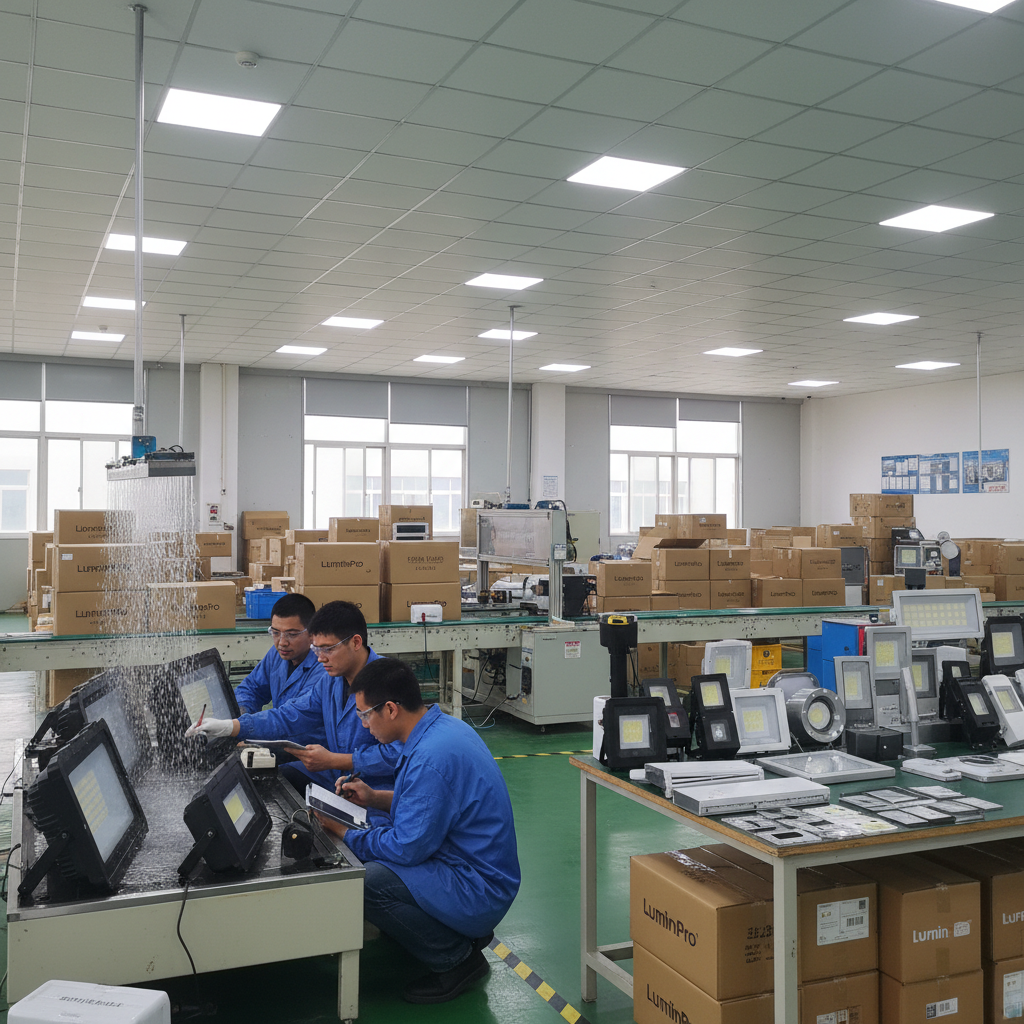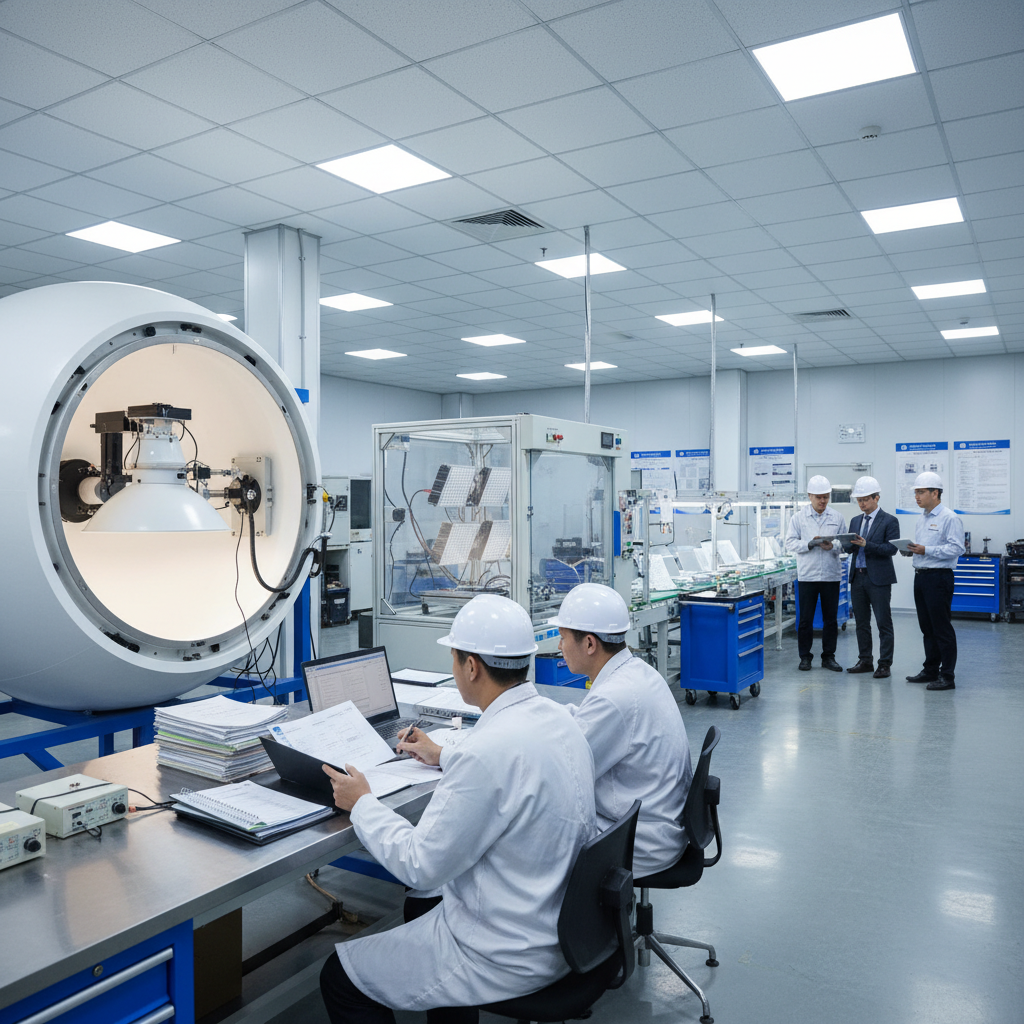

Are you considering importing LED tubes and lights from China? You're not alone! With the growing demand for energy-efficient lighting solutions, many of us are diving into this exciting venture.
To import LED tubes and lights from China, start by identifying reliable suppliers through online platforms and trade shows. Vet suppliers carefully, negotiate favorable terms, ensure compliance with regulations, and manage logistics using a freight forwarder.
While this overview provides a starting point, each step requires careful attention to detail. Continue reading for in-depth strategies and tips on making your import process as smooth and successful as possible.
Using a sourcing agent in China requires a 3-5% commission.True
Sourcing agents typically charge a commission for their services, ranging from 3-5%.
How Do You Find Reliable LED Light Suppliers in China?
Navigating the vast sea of LED light suppliers in China can be daunting. Discover key strategies to identify reliable partners.
To find reliable LED light suppliers in China, leverage online platforms like Alibaba and attend trade shows. Vet suppliers by checking certifications, requesting samples, and conducting audits. Consider using a sourcing agent to streamline the process.

Exploring Online Platforms
Start by exploring online platforms such as Alibaba, Made-in-China, and Global Sources. These platforms offer a comprehensive list of manufacturers and wholesalers. For more direct access to factories, consider using 1688.com, although a translation tool may be necessary for non-Chinese speakers. Engaging with these platforms allows you to compare various suppliers' profiles, product offerings, and customer feedback.
Attending Trade Shows
Trade shows and exhibitions present an excellent opportunity to meet potential suppliers face-to-face. Events like the Canton Fair or Hong Kong Lighting Fair host numerous manufacturers displaying their latest products. This personal interaction helps you gauge the professionalism of suppliers and verify if they are actual manufacturers or trading companies. Always prioritize visiting their factories to ensure authenticity.
Utilizing Sourcing Agents
A sourcing agent can significantly simplify the search process by using their local knowledge and expertise to identify trustworthy suppliers. Although they charge a commission, typically around 3-5%, they can save you time and help you avoid unreliable partners. A good sourcing agent will have a network of vetted manufacturers and can provide insights into the best practices for negotiating1 with Chinese suppliers.
| Method | Pros | Cons |
|---|---|---|
| Online Platforms | Wide selection, customer reviews available | May require translation tools, risk of unverified sellers |
| Trade Shows | Direct interaction, firsthand product inspection | Costly travel, time-consuming |
| Sourcing Agents | Local expertise, access to verified manufacturers | Additional cost due to commission |
Vetting Potential Suppliers
Once you have a shortlist of potential suppliers, it's crucial to conduct a thorough vetting process. Start by requesting samples from each supplier to assess the quality of their products. Additionally, verify their certifications and credentials to ensure compliance with international standards such as CE or RoHS. Conducting factory audits, either personally or through third-party services, provides further assurance of their manufacturing capabilities. This step is vital to ensuring product quality and reliability in long-term partnerships.
Alibaba is the only platform to find LED suppliers.False
Other platforms like Made-in-China and 1688.com are also used.
Trade shows help verify if suppliers are manufacturers.True
Face-to-face meetings at trade shows can confirm supplier authenticity.
What Are the Key Steps in Vetting Your LED Suppliers?
Ensuring you choose the right LED suppliers is crucial for a successful import operation. Here’s how to vet them effectively.
Vetting LED suppliers involves evaluating product quality through samples, verifying certifications and credentials, and conducting factory audits. This thorough assessment helps ensure reliable and high-quality LED products.

Request Product Samples
One of the most direct ways to assess the quality of your potential suppliers' products is to request samples. Testing these samples in your local environment can provide a clear picture of what the supplier offers. Look for consistency in build, performance, and compliance with industry standards.
Verify Supplier Credentials
Credentials such as ISO certifications, safety certifications like CE, RoHS, and FCC, and customer reviews are essential indicators of a supplier's reliability. A supplier's certification2 can significantly affect the legal compliance and market acceptance of your products.
Conduct Factory Audits
Whenever possible, visit the supplier’s factory or appoint a local agent to do so. This provides insights into their manufacturing processes, quality control measures, and overall production capability. Factory audits can reveal any discrepancies between what a supplier claims and what they can actually deliver.
Analyze Customer Reviews and Testimonials
Customer reviews offer unfiltered insights into the supplier's past performance. They can highlight issues such as late deliveries, subpar product quality, or poor customer service. Platforms like Alibaba often feature verified reviews that can be crucial in your decision-making process.
Leverage Technology for Background Checks
Utilize platforms such as Alibaba’s "Supplier Assessment" or "Verified Supplier" badges. These are third-party assessments that provide an additional layer of verification about the supplier’s capabilities and reliability.
Engage a Sourcing Agent
If you're new to importing or feel uncertain about handling this process, consider hiring a sourcing agent. These professionals have extensive networks and experience in identifying trustworthy manufacturers3. They can facilitate factory audits, negotiate better terms, and ensure all documentation is handled properly.
By diligently vetting potential suppliers using these steps, you safeguard your investment and ensure that the LED products you import meet your expectations for quality and reliability.
Requesting samples is unnecessary in vetting LED suppliers.False
Samples are crucial to assess product quality and consistency.
Factory audits reveal discrepancies in supplier claims.True
Audits provide insights into actual manufacturing processes and capabilities.
How Can You Ensure Compliance with Import Regulations?
Navigating import regulations can be daunting, but understanding key compliance steps can safeguard your business.
Ensure compliance by verifying safety certifications, understanding tariff codes, and collaborating with knowledgeable freight forwarders. This reduces risks and legal complications when importing LED lights.

Understanding Safety Certifications
When importing LED lights, it's vital to ensure products meet relevant safety and quality certifications. These may include CE (Conformité Européenne) marking, RoHS (Restriction of Hazardous Substances), and FCC (Federal Communications Commission) standards. Each certification has its own specific requirements and ensures that products are safe and compliant with regional regulations.
- CE Marking: Required for products entering the European Economic Area, indicating compliance with EU health, safety, and environmental protection standards.
- RoHS Compliance: Ensures that electrical products do not contain more than the allowed levels of hazardous substances.
- FCC Certification: Necessary for products entering the US market, ensuring that electronic devices do not interfere with radio and telecommunication systems.
Navigating Tariff Codes and Duties
Understanding and applying the correct Harmonized Tariff Schedule (HTS) codes is essential for determining import duties on LED lights. HTS codes classify products for duty rates, statistical purposes, and for ensuring compliance with trade agreements.
Steps to Determine Tariff Codes:
- Identify Product Type: Clearly define the LED lights or components being imported.
- Consult the HTS Code Database: Use online resources or consult with a customs broker to find accurate HTS codes.
- Assess Duty Rates: Understand applicable duties and any additional tariffs that may apply due to trade policies.
Collaborating with Freight Forwarders
Working with a knowledgeable freight forwarder can streamline the import process significantly. They provide valuable insights into shipping logistics and handle customs documentation, reducing errors and ensuring compliance.
Benefits of Using Freight Forwarders:
- Expertise in customs procedures and documentation requirements.
- Relationships with carriers that can lead to better rates and terms.
- Assistance with choosing the most efficient shipping methods, whether it's air, sea, or rail transport options4.
By ensuring compliance with these steps, businesses can minimize risks associated with importing LED lights from China. It’s advisable to remain updated on regulatory changes and maintain an open line of communication with all partners involved in the supply chain.
CE marking is required for LED lights in the US.False
CE marking is required in the EU, not the US.
Freight forwarders help with customs documentation.True
Freight forwarders assist in handling customs paperwork and logistics.
What Are the Best Shipping and Logistics Options for LED Imports?
Navigating the shipping and logistics landscape for importing LEDs can be complex. Here's how to streamline the process.
The best shipping options for LED imports involve choosing between air freight for speed and sea freight for cost-effectiveness. Consider working with a freight forwarder for efficient logistics management and customs clearance.

Choosing the Right Shipping Method
When importing LED lights, selecting the appropriate shipping method is crucial. Air freight is an excellent option if speed is your priority. It typically takes a few days to reach the destination, making it ideal for urgent shipments or small consignments where time is of the essence. However, this method comes with a higher cost.
On the other hand, sea freight is a more economical choice, suitable for larger orders where delivery time is not a critical factor. Though it takes several weeks, it's perfect for bulk shipments where reducing expenses is paramount. For European importers, rail transportation5 offers a balance between cost and delivery time, taking about one to two months.
| Shipping Method | Pros | Cons |
|---|---|---|
| Air Freight | Fast delivery, reliable | Expensive, limited capacity |
| Sea Freight | Cost-effective, large volume | Slow, longer delivery time |
| Rail Transport | Moderate cost, reasonable speed | Limited destinations |
Collaborating with Freight Forwarders
Working with a freight forwarder6 can simplify logistics significantly. These professionals manage the transportation process, handle customs clearance, and ensure compliance with all regulatory requirements. They act as intermediaries between shippers and carriers, offering expertise in international shipping norms and documentation.
When selecting a freight forwarder, consider their experience with LED imports and knowledge of specific regulations in your target country. Some Chinese manufacturers have established partnerships with freight companies, providing an integrated service that can be both convenient and cost-effective.
Navigating Customs and Documentation
Efficient customs clearance is crucial for avoiding delays. Ensure all necessary documents such as the commercial invoice, packing list, and bill of lading7 are meticulously prepared. It's important to verify that your LED products meet all safety and quality certifications required by your import country.
Consider consulting with a customs broker who can provide expertise on tariffs, duties, and potential import restrictions specific to LEDs. They can assist in determining accurate HTS codes and ensuring that your shipment complies with all import regulations.
Key Considerations for Cost Management
Beyond logistics and shipping fees, it's essential to account for potential tariffs or anti-dumping duties that might apply to LED products. Understanding these costs upfront will help in budgeting effectively and minimizing unforeseen expenses during the import process.
In conclusion, selecting the right shipping method, collaborating with experienced freight forwarders, and preparing thorough documentation are pivotal steps in optimizing the logistics of importing LEDs from China.
Air freight is the fastest shipping method for LEDs.True
Air freight delivers in days, ideal for urgent shipments.
Sea freight is more expensive than air freight for LEDs.False
Sea freight is cost-effective, suitable for large shipments.
Conclusion
By following these steps, you can streamline the import process and ensure compliance, cost-efficiency, and quality. Start your import journey today with confidence!
Discover effective negotiation tactics for dealing with Chinese suppliers.: 1. Do your homework · 2. Build rapport and trust · 3. Negotiate on multiple aspects · 4. Use leverage wisely · 5. Confirm everything in writing. ↩
Learn why certifications matter for safety and market access.: For instance, CE certification is essential for selling LED strip lights in the European Union, while FCC certification is required for the United States. By ... ↩
Explore how sourcing agents streamline supplier vetting.: Sourcing agents help you find manufacturers that you cannot find in directories like Alibaba or Global Sources. This is a huge competitive advantage for you. ↩
Discover reliable freight forwarders to simplify your import logistics.: I've used Kuehne+Nagel, InXpress, never used Scan but might try them next time. Some Chinese importers are good but there are SO MANY scammers. ↩
Rail transport offers a cost-effective alternative to sea freight.: When to Choose: If you're importing LED lights to Europe, rail freight is a middle-ground option offering faster transit than sea and lower costs than air. It's ... ↩
Freight forwarders streamline logistics and manage complex shipping tasks.: What are the Advantages to Using a Freight Forwarder? · Experience and Accountability · Access to Global Partners · Compliance · Technology: Cargo Tracking. ↩
A bill of lading is crucial for legal shipment documentation.: A bill of lading is important because it acts as the legal document of title which allows the person holding it to claim ownership of the cargo. ↩