

Street lighting isn't just about brightening up the night; it connects safety, visibility, and community well-being in our neighborhoods.
The best color temperature for street lights typically ranges from 4000K to 5000K, depending on the application. 4000K provides a neutral white light ideal for urban areas, offering a balance between visibility and comfort, while 5000K is suitable for high-traffic or high-security areas due to its superior contrast and clarity. For energy efficiency and reduced light pollution, these temperature ranges also meet environmental and regulatory standards.
I remember walking through a well-lit street and feeling a sense of security wash over me. It's not just about seeing where you're going but knowing that every corner is visible, reducing those pockets of shadow that can make us uneasy. As we explore this topic further, we'll delve into how choosing the right color temperature can influence not just our safety and comfort but also the environment and even our energy bills. Join me as we look at how smart lighting solutions are paving the way for safer and more sustainable urban living.
Street lights should have a color temperature over 5000K.False
Over 5000K is too harsh and can cause glare, reducing visibility.
4000K street lights are suitable for urban areas.True
4000K provides neutral white light, balancing visibility and efficiency.
How does color temperature affect street safety?
Ever wondered why street lights have that specific glow and how it affects our safety on the roads? Let's dive into the fascinating world of color temperature and its impact.
Color temperature affects street safety by influencing how well we see and react to surroundings. Cooler colors (4000K-5000K) improve visibility and contrast, crucial for high-traffic areas, while warmer hues can reduce glare but may lower overall visibility.

Understanding Color Temperature
I remember walking my dog one evening under the warm glow of our neighborhood streetlights. It was comforting, almost nostalgic, but I couldn't help but wonder about those cooler lights I’d seen in downtown areas. Color temperature, measured in Kelvin (K), significantly influences how we perceive street lighting1. Those cooler, bluish lights you see in the city center are typically around 5000K, mimicking daylight.
Table: Color Temperature and Applications
| Color Temperature | Description | Typical Use |
|---|---|---|
| 2700K - 3000K | Warm White | Residential Areas |
| 4000K | Neutral White | Urban Areas |
| 5000K | Daylight White | Highways, High-Crime |
This cooler light makes it easier for drivers and pedestrians to spot objects and people around them.
Safety Implications
Reflecting on a late-night drive home, I realize how crucial these higher color temperatures are in enhancing contrast and visibility. In zones bustling with traffic or pedestrians, the ability to swiftly identify potential hazards is paramount. While these cooler hues offer sharper contrast, they also bring up issues like glare.
- Benefits: Enhanced contrast and visibility.
- Drawbacks: Potential glare issues.
On the flip side, lower temperatures, those cozy yellowish lights below 3000K, are like a warm hug but can compromise visibility where clarity is vital.
Energy Efficiency Considerations
As someone passionate about energy conservation, I appreciate that LEDs in the 4000K to 5000K range illuminate streets brightly while being energy-efficient. This means reduced costs and less light pollution—a win-win!
For those of us who care about the environment, opting for lower color temperatures might protect nocturnal life but comes with the trade-off of reduced brightness.
Balancing Visibility and Environmental Concerns
I’ve seen how municipalities juggle the needs for both safety and environmental stewardship. Often, regulations guide the choice of color temperatures to get the best outcomes. Projects that integrate smart lighting controls2 can dynamically adjust conditions based on real-time data to achieve this balance.
By carefully selecting color temperatures for street lighting, we can boost safety and address environmental concerns like light pollution. It's all about finding that sweet spot where technology and nature coexist harmoniously.
Higher color temperatures improve street visibility.True
Higher color temperatures enhance contrast, making objects more discernible.
Lower color temperatures reduce street lighting glare.True
Warmer light reduces glare but may decrease overall visibility.
How Do 4000K and 5000K Bulbs Affect Energy Efficiency?
When I first started exploring lighting options, I realized that the choice between 4000K and 5000K LED bulbs could make a surprising difference in energy efficiency and ambiance.
4000K LED bulbs typically provide better energy efficiency for homes and urban areas because they strike a balance between brightness and energy use. On the other hand, 5000K bulbs excel in high-traffic or commercial zones, where enhanced visibility is crucial.

Understanding Color Temperatures
I remember when I first learned about color temperatures, and it was like discovering a secret code to optimal lighting. Measured in Kelvin (K), this rating not only affects how we perceive light but also plays a role in energy efficiency. Among the popular choices, 4000K and 5000K each have their unique perks.
Energy Consumption Comparison
| Color Temperature | Typical Usage | Energy Efficiency |
|---|---|---|
| 4000K | Urban & Residential Lighting | Moderate to High |
| 5000K | Commercial & Highway Lighting | High |
In my experience, 4000K lights are often the go-to for residential spaces. They offer a softer glow that not only saves energy but also creates a welcoming atmosphere. Conversely, when I'm working on projects that demand maximum visibility, like bustling highways, 5000K bulbs are indispensable due to their brilliant illumination.
Impact on Visibility and Safety
There's something reassuring about walking under well-lit streets at night. The daylight-like quality of 5000K bulbs3 sharpens contrast and enhances safety in high-traffic areas. They’re my top pick for ensuring that visibility is never compromised, especially where pedestrian safety is a concern.
However, for those cozy neighborhood walks, the inviting ambiance of 4000K lighting4 feels just right, offering both comfort and adequate visibility.
Long-term Cost Benefits
Choosing between these options is not just about immediate energy savings. It's also about considering long-term costs. I’ve often advised clients to weigh factors like installation expenses, bulb lifespan, and maintenance needs. Sometimes spending a bit more upfront can lead to substantial savings in the long run.
Ultimately, selecting the right color temperature depends on your specific lighting needs. Whether prioritizing energy conservation5 or maximizing visibility, understanding these nuances can guide you to make an informed decision.
Real-World Examples
I find real-world examples incredibly insightful. Cities like Los Angeles have embraced 4000K street lighting6 to balance visibility with reduced light pollution. Meanwhile, airports often rely on 5000K lighting7 to maintain safety and efficiency during night operations. These practical applications highlight the importance of choosing the right color temperature for different settings.
4000K bulbs are more energy-efficient for residential use.True
4000K lights consume less energy and provide softer illumination, ideal for homes.
5000K bulbs reduce visibility in high-traffic areas.False
5000K bulbs improve visibility by offering daylight-like brightness, enhancing safety.
How Do Different Color Temperatures Impact Light Pollution?
Have you ever wondered how the simple choice of lighting color can impact our world beyond mere aesthetics?
Different color temperatures influence light pollution by altering star visibility and affecting wildlife. Lower color temperatures (2700K-3000K) are preferred to minimize blue light, which significantly contributes to light pollution.
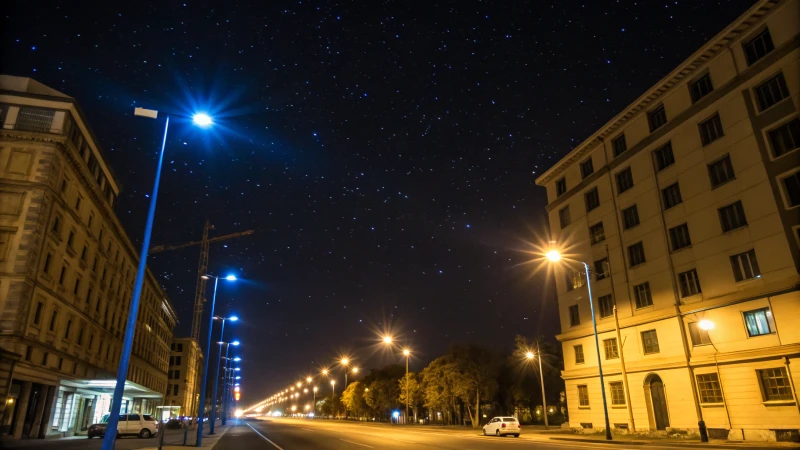
Understanding Color Temperature
When I first dove into the world of lighting, I was fascinated by how color temperature, measured in Kelvin (K), could affect our environment. Imagine this: higher temperatures give off cooler, bluish light, while lower temperatures provide warmer, yellowish hues. This simple choice impacts not just what we see but also how we interact with our night skies and ecosystems.
| Color Temperature | Description |
|---|---|
| 2700K-3000K | Warm, soft lighting |
| 4000K-5000K | Neutral to daylight |
| 5000K+ | Cool, bluish lighting |
Impact on Night Skies
I remember stargazing with my family one summer night, only to be disappointed by the faintness of the stars, drowned out by the city's glow. This is what happens when higher color temperatures, particularly those above 5000K, flood our skies with blue light. This light scatters easily in the atmosphere, reducing star visibility and increasing skyglow8. In contrast, using lights with a lower color temperature like 2700K or 3000K can help preserve our view of the cosmos.
Effects on Wildlife
It's not just about humans; our lighting choices affect wildlife too. Take sea turtles, for instance—these creatures rely on natural light cues for their nightly journeys. Blue light from high-temperature sources can disrupt these rhythms, altering migration and feeding behaviors in birds and insects as well. Choosing lower color temperatures is a small step we can take to help protect these delicate ecosystems.
Human Health Considerations
Ever notice how staring at your phone late at night makes it harder to sleep? That's blue light at work, disrupting our circadian rhythms. I’ve switched to warmer lighting at home to foster better sleep hygiene9, and it’s made a world of difference in my rest and overall health.
Regulations and Best Practices
Many cities are now catching on, regulating street lighting to combat light pollution. It’s not just about saving energy; it’s about being responsible stewards of our environment. A common standard is to keep lighting at 3000K or below, balancing efficiency with care for our night skies. Following guidelines from organizations like the International Dark Sky Association can guide us toward more sustainable lighting choices10.
Higher color temperatures increase skyglow.True
Higher temperatures emit more blue light, scattering in the atmosphere.
Lower color temperatures disrupt wildlife more than higher ones.False
Blue light from higher temperatures disrupts wildlife more than lower ones.
What Are the Regulatory Guidelines for Street Lighting Color Temperatures?
Streetlights aren't just about lighting up the night; they're about safety, energy efficiency, and creating a welcoming community vibe. Let's dive into the guidelines that ensure our streets are bright, safe, and environmentally friendly.
Regulatory guidelines for street lighting color temperatures typically suggest a range between 4000K and 5000K. This balance is crucial for visibility, safety, and energy efficiency while reducing light pollution and minimizing environmental impact.
%[A bustling city street at dusk with modern streetlights]
Understanding Color Temperature Regulations
I remember the first time I really thought about street lighting—I'd just moved into a new neighborhood, and the lights seemed unusually bright. It turns out, different regions have their own rules about how our streets are lit. Generally, these rules aim to balance great visibility with minimal environmental harm. Most places prefer using LEDs in the 4000K to 5000K range because they offer just the right amount of brightness and are energy efficient.
Why 4000K to 5000K?
Benefits of 4000K
- Visibility and Comfort: I once took a late-night walk under these neutral white lights, and it felt as if the world had a soft glow without being too harsh—ideal for urban living.
- Energy Efficiency: Imagine the difference it makes knowing that your neighborhood's comforting glow is also saving energy compared to higher Kelvin lights.
Benefits of 5000K
- Maximum Visibility: When I visited a high-traffic area lit by daylight white lights, everything seemed sharper and clearer—a crucial factor in places with lots of people and cars.
- Safety: The sharper contrasts from these lights make it easier to spot pedestrians and other objects, which is reassuring when walking late at night.
Energy Efficiency and Environmental Considerations
Switching to LEDs in this preferred range often aligns with efforts to cut down on light pollution. In areas sensitive to environmental11 impact, municipalities might opt for lights below 3000K, finding a balance between effective lighting and ecological preservation.
| Color Temperature | Applications | Benefits |
|---|---|---|
| 4000K | Urban & residential areas | Adequate visibility, comfort, energy efficient |
| 5000K | Highways, high-crime areas | Maximizes visibility and safety |
| <3000K | Eco-sensitive areas | Minimizes light pollution |
Regional Guidelines
Different areas prioritize different aspects of street lighting. For example, some places put a strong emphasis on reducing blue light to protect nocturnal wildlife, choosing lower temperatures like 2700K or 3000K12. To really get a handle on what's expected where you are, it's important to dig into local urban planning guidelines or environmental policies. Keeping up with these standards is key to meeting community needs while also pushing for sustainable development.
4000K lights offer better energy efficiency than 5000K.True
4000K LEDs consume less power than higher Kelvin lights, being sustainable.
5000K lighting is preferred in eco-sensitive areas.False
Eco-sensitive areas prefer <3000K to minimize light pollution.
Conclusion
The ideal color temperature for street lights is between 4000K and 5000K, balancing visibility, energy efficiency, and environmental impact while enhancing safety in urban areas.
Learn about the science behind color temperature and its importance in street lighting design. ↩
Explore how smart lighting controls can optimize street lighting for energy efficiency and safety. ↩
Understand why visibility is crucial in high-traffic areas and how lighting affects safety. ↩
Explore sustainable lighting options that save energy while enhancing home aesthetics. ↩
Discover ways to maximize energy savings using LED lighting solutions. ↩
Find strategies to minimize light pollution through effective street lighting design. ↩
Understand why visibility is crucial in high-traffic areas and how lighting affects safety. ↩
Learn about the causes of light pollution and how it diminishes our ability to see stars and celestial events. ↩
Understand the influence of blue light on sleep quality and why reducing exposure can enhance well-being. ↩
Discover best practices for minimizing light pollution through thoughtful lighting choices. ↩
Learn about how street lighting affects ecosystems and how regulations mitigate these impacts. ↩
Find out how certain regions adapt street lighting to protect nocturnal wildlife and reduce ecological disruption. ↩