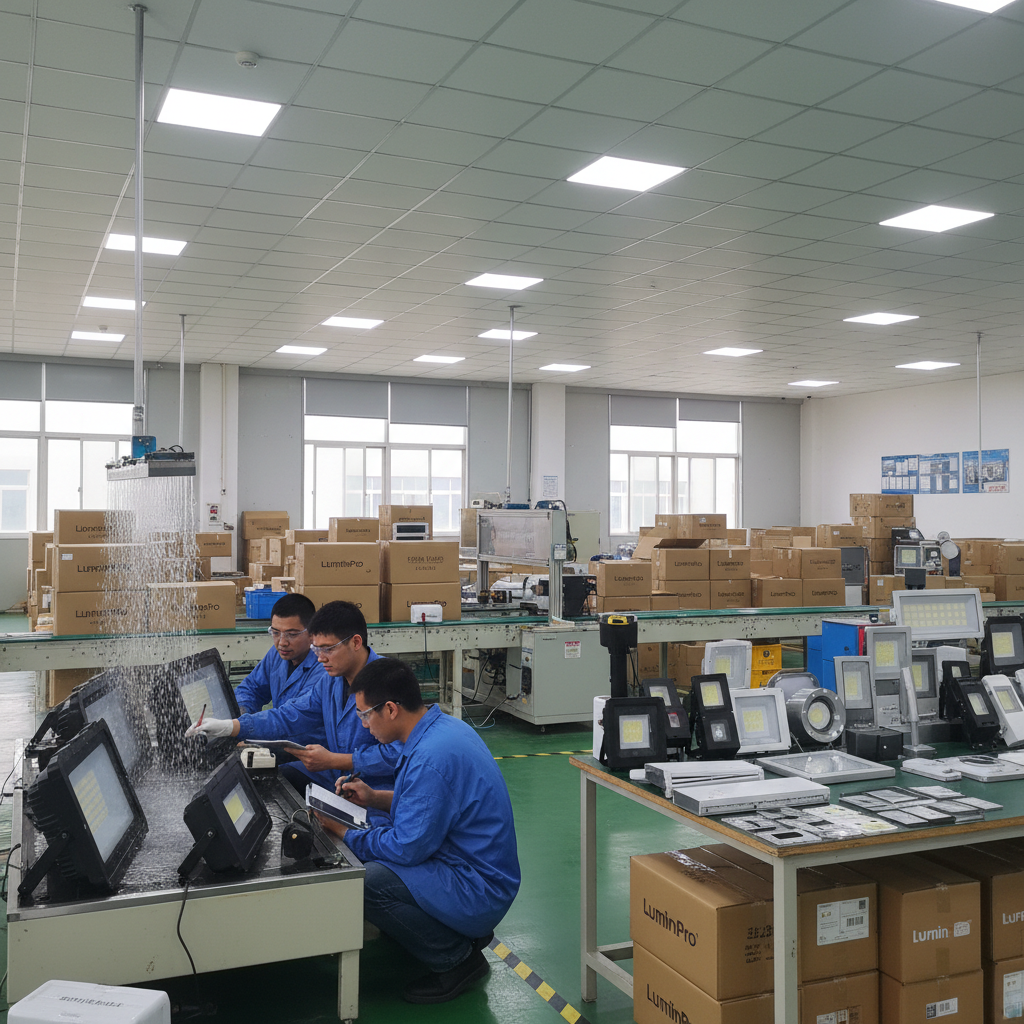

Choosing the right street light color can transform an entire neighborhood, balancing safety and aesthetics.
The color temperature of street lights is selected based on the intended environment: warmer temperatures (2700K–3000K) for residential areas, and cooler (4000K–5000K) for highways and commercial zones. Factors like energy efficiency, safety standards, and urban development trends also influence the choice to balance visibility and comfort.
Understanding how to balance functionality with community comfort is not always straightforward. Over the years, I've delved into these nuanced decisions, discovering the practical insights and expert advice that shape my choices. Whether it's ensuring a cozy residential street or a bustling commercial area, the right color temperature can make all the difference.
Cooler tones are used for better visibility in commercial zones.True
Cooler tones enhance visibility, making them ideal for commercial areas.
Warmer street light tones are not used in residential areas.False
Warmer tones are preferred in residential areas for comfort and aesthetics.
What Role Does Purpose Play in Choosing Color Temperature?
Ever wondered why the warmth of a light can transform a room into a haven or make a workspace bustling with energy? Let me share how I discovered the magic behind choosing the perfect color temperature.
The purpose of the setting dictates the choice of color temperature. Warmer tones (2700K–3000K) create a cozy atmosphere for homes, while cooler tones (4000K–5000K) improve visibility in commercial spaces, balancing energy efficiency and comfort.

The Influence of Setting Purpose on Color Temperature
I remember walking into my friend's new home; the living room had this inviting glow that made me want to curl up with a book and a cup of tea. That's when I realized the power of lighting. The warm tones, around 2700K to 3000K, had a lot to do with it. They create a pleasant ambiance1 that can make any house feel like home.
In my line of work, however, I often find myself in commercial spaces where clarity and focus are crucial. Here, cooler tones ranging from 4000K to 5000K are my go-to. Not only do they ensure visibility, but they also enhance energy efficiency2, which is a significant factor when considering operational costs.
| Purpose | Color Temperature (Kelvin) |
|---|---|
| Residential Ambiance | 2700K - 3000K |
| Commercial Visibility | 4000K - 5000K |
Balancing Energy Efficiency and Comfort
When I'm choosing lighting, I always weigh energy efficiency against comfort. Lighting above 5000K might be more efficient, but it can feel harsh. I aim for a sweet spot, usually between 4000K and 4500K, where there's a balance between energy savings3 and comfort.
| Color Temperature | Benefits |
|---|---|
| Above 5000K | High energy efficiency |
| 4000K - 4500K | Balance of efficiency and comfort |
Adhering to Regulatory Standards
I’ve learned that regulations can vary widely. Some places I've worked in favor warmer tones for street lighting to reduce light pollution and improve pedestrian safety. Knowing these standards is key to ensuring compliance and making sure our projects feature smart lighting solutions4.
Urban trends are also pushing us towards more sustainable solutions. I'm seeing more demand for smart controls that adjust lighting throughout the day, ensuring it’s both human-centric5 and sustainable.
By really understanding the purpose behind each setting, from cozy homes to bustling commercial hubs, I've been able to make informed decisions about color temperature selection that maximize both efficiency and satisfaction.
Warmer tones are best for residential lighting.True
Warm tones (2700K-3000K) enhance relaxation in homes.
Cooler tones reduce energy efficiency in commercial areas.False
Cooler tones (4000K-5000K) enhance energy efficiency and visibility.
How Does Color Temperature Impact Energy Efficiency?
Ever wondered how the color of your lights could affect your energy bill?
Color temperature influences energy efficiency by affecting the light's luminous efficacy. Cooler color temperatures (above 4000K) generally provide more lumens per watt, enhancing energy savings, while warmer tones (2700K-3000K) are favored for their cozy ambiance but slightly lower efficiency.
Understanding Color Temperature
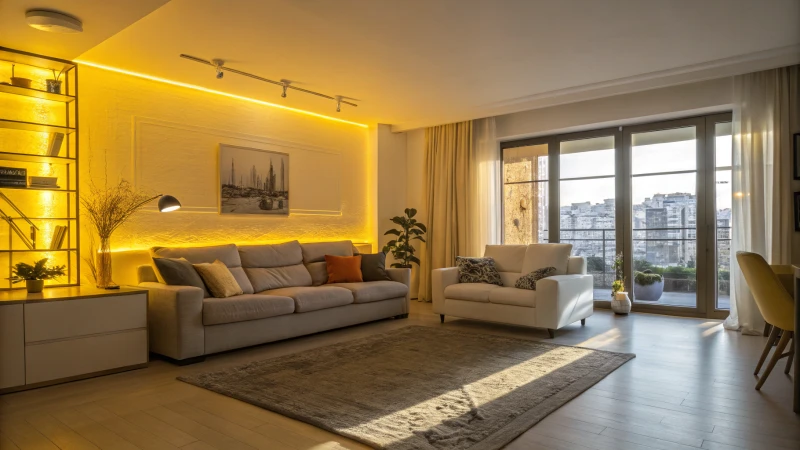
Color temperature is measured in Kelvin (K), which might sound a bit technical, but think of it as the "mood" your light sets. Lower Kelvin numbers, like 2700K to 3000K, give off a warm, yellowish glow that wraps your room in a comforting hug. Higher numbers, around 4000K to 5000K, emit a crisp, bluish light that's perfect for focus-driven environments.
Energy Efficiency and Light Output
Here's where things get interesting: cooler lights typically deliver more lumens per watt. This means you get more brightness for less electricity. For example, LEDs at 5000K can be a powerhouse of efficiency compared to their 3000K counterparts. It's like choosing between a fuel-efficient car for long drives or a cozy cabin for a weekend retreat.
| Color Temperature | Efficiency | Ambiance |
|---|---|---|
| 2700K-3000K | Lower | Warm |
| 4000K-4500K | Moderate | Neutral |
| 5000K+ | Higher | Cool |
Visual Comfort and Practical Application
While cooler lights may save energy, they can sometimes be harsh on the eyes. It's all about finding balance, like choosing a comfy chair that's still good for your back. A temperature around 4000K often hits that sweet spot between energy savings6 and visual comfort.
In my office, cooler lights help me stay focused and alert, making them ideal for workspaces. But at home? Give me those warmer tones any day—they're perfect for unwinding after a busy day. Thanks to smart lighting solutions, you can even adjust the color temperature7 to fit your mood or the task at hand.
Trends in Smart Lighting Solutions
Smart lighting is revolutionizing how we think about energy efficiency and comfort. Imagine lights that automatically adjust throughout the day to mimic natural daylight—it's like bringing the outdoors inside. This technology isn't just about saving energy; it's about creating spaces that feel right for every moment.
We're moving towards a future where lighting adapts to our needs, balancing efficiency with well-being and productivity. It's exciting to think how something as simple as choosing the right light can transform a space.
Cooler lights emit more lumens per watt than warmer lights.True
Cool lights, like 5000K LEDs, are more efficient, emitting more lumens per watt.
Warmer lights are always more energy-efficient than cooler lights.False
Warmer lights emit fewer lumens per watt, making them less efficient than cooler ones.
What Are the Regulatory Standards for Street Lighting?
Ever wondered what keeps our streets glowing safely and efficiently every night? Let’s dive into the world of street lighting standards.
Regulatory standards for street lighting generally encompass guidelines on light intensity, energy efficiency, color temperature, and safety. These standards vary by region but ensure optimal visibility, reduce light pollution, and enhance public safety.

Regional Standards
Street lighting regulations are not one-size-fits-all; they differ across regions. In the United States, the Illuminating Engineering Society (IES) guides us on how to light up streets effectively. Meanwhile, in Europe, EN 13201 standards take center stage, focusing on roadway illumination8.
Key Regulatory Aspects
Light Intensity and Distribution
Imagine driving through a highway that's inconsistently lit. It’s not just uncomfortable; it’s dangerous. Regulations set specific light intensity levels to keep us safe and minimize light pollution. Pedestrian zones, residential areas, and highways all have unique needs.
| Zone Type | Recommended Intensity |
|---|---|
| Residential | 5-10 lux |
| Highways | 15-20 lux |
| Pedestrian | 10-15 lux |
Energy Efficiency
The push for energy efficiency is everywhere, and street lighting is no exception. Many regulations now favor LED lights because they consume less energy and last longer. I've seen firsthand how smart lighting systems can further enhance energy savings.
Color Temperature
Different zones require specific color temperatures to balance visibility and comfort. In my experience, warmer temperatures often create a cozy feel in residential areas, while cooler temperatures are preferred in commercial zones.
Safety and Environmental Considerations
Safety is paramount. We aim to reduce glare, ensure uniformity of light, and protect local wildlife with eco-friendly materials. These considerations are vital in creating sustainable environments.
Urban Planning and Development
Urbanization demands smarter solutions. I’ve been part of projects integrating smart controls that adapt lighting to real-time needs. It’s fascinating to see how this not only boosts efficiency but also enhances the user experience. Many municipalities are gravitating towards sustainable street lighting9 solutions to meet future urban demands.
IES sets street lighting standards in the US.True
The Illuminating Engineering Society (IES) provides guidelines for light levels.
LED lights are not recommended for street lighting.False
LED lights are recommended due to lower energy consumption and long lifespan.
Why Are Urban Development Trends Important in Lighting Decisions?
Imagine walking through a city at night, where every light tells a story. That's how urban development trends shape lighting decisions.
Urban development trends are crucial in lighting decisions because they drive the adoption of sustainable, adaptive, and human-centric solutions. These trends prioritize energy efficiency, regulatory compliance, and the enhancement of public spaces through innovative lighting technologies.
The Role of Sustainability and Energy Efficiency
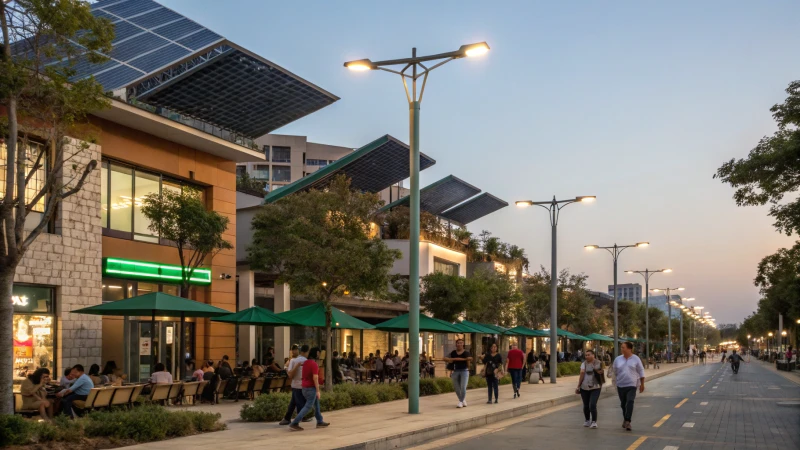
I remember the first time I realized the impact of lighting on urban landscapes. I was walking through a newly developed part of town, and the streetlights seemed to almost breathe with the rhythm of the city. This experience highlighted the importance of sustainability in urban lighting. As cities expand, lighting solutions need to be energy-efficient to reduce carbon footprints while ensuring optimal visual comfort10. It’s no wonder there's a shift towards LED lighting and smart control systems that adjust with natural light levels.
| Lighting Type | Energy Consumption | Typical Usage |
|---|---|---|
| LED | Low | Residential, Commercial |
| Halogen | High | Specialized Settings |
This table clearly shows why LED lights are the preferred choice in modern urban settings—they offer a significant reduction in energy consumption compared to traditional halogen lights.
Regulatory Compliance and Safety Standards
Regulations can feel like an endless maze, but they're crucial for safety and aesthetics. I’ve seen firsthand how these rules dictate the color temperature and intensity of public lighting to ensure safety and reduce light pollution. For instance, warmer tones11 have become popular in urban areas, aiding pedestrian visibility without causing excessive glare. Staying updated with these standards is vital for urban planners who aim to create safe yet visually appealing environments.
Human-Centric Lighting Solutions
Once, during a late-night stroll through a tech-savvy district, I noticed how the lights seemed to sync with my mood—soft and calming. This is what human-centric lighting is all about. It enhances life quality by mimicking natural daylight patterns, adjusting throughout the day to support our circadian rhythms. Such solutions are essential in urban environments where natural light is scarce. Smart streetlights that dim during low-traffic hours not only save energy but also ensure safety and comfort for night-time pedestrians.
Innovations in Lighting Technology
In today’s fast-paced world, technology is everywhere, even in our streetlights. The integration of IoT (Internet of Things) allows for real-time adjustments based on data analytics. Cities are exploring systems that integrate with traffic management to improve efficiency and reduce congestion. Smart lighting systems12 are becoming a staple in urban development, offering adaptive solutions for dynamic city environments while promoting sustainability. It’s fascinating to witness how these innovations not only illuminate our paths but also make our urban spaces more vibrant and efficient.
LED lights consume less energy than halogen lights.True
LED lighting is more energy-efficient, consuming significantly less power than halogen.
Smart streetlights increase energy consumption during low-traffic hours.False
Smart streetlights save energy by dimming during low-traffic hours, reducing consumption.
Conclusion
Experts select street light color temperatures based on purpose, energy efficiency, and safety regulations, using warmer tones for residential areas and cooler tones for commercial zones to enhance visibility.
Explore how warm lighting affects ambiance to create inviting spaces at home. ↩
Understand why cooler color temperatures are more energy-efficient. ↩
Discover the best color temperature range for balancing energy savings. ↩
Learn how smart lighting can transform urban environments. ↩
Find out how human-centric lighting enhances well-being in various settings. ↩
Explore how varying color temperatures influence the efficiency of LED lights, helping you make informed lighting choices. ↩
Understand how smart lighting systems manage color temperatures to maximize comfort and energy savings. ↩
Explore EN 13201 standards for comprehensive insights into Europe's street lighting regulations. ↩
Discover innovative approaches to eco-friendly street lighting that align with modern urban planning trends. ↩
Understanding visual comfort helps in selecting lighting that reduces eye strain and enhances ambiance. ↩
Explains how warmer tones improve safety and reduce light pollution. ↩
Learn how smart systems enhance efficiency and adaptability in urban settings. ↩