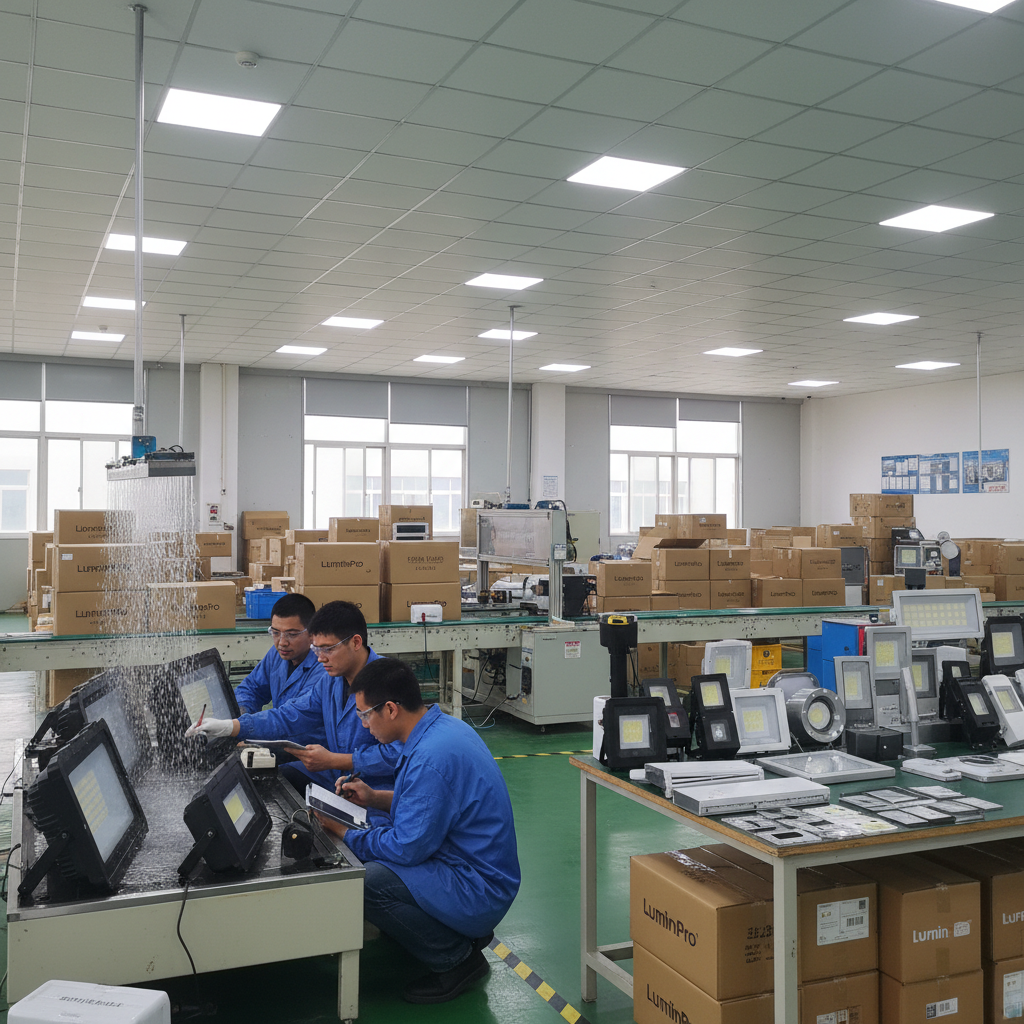

Ever wondered how those street lights we rely on every night come to life? Let's explore their fascinating journey from concept to reality.
Street lights are made through a series of processes: designing and engineering, sourcing durable materials, manufacturing poles and fixtures, assembling components like LEDs and solar panels, followed by quality testing and packaging. The final product is rigorously tested for performance and durability before shipping.
I remember walking under street lights as a kid, fascinated by their glow, never imagining the complex processes behind them. It starts with thoughtful design—envisioning not just how they look, but how they work and withstand the elements. Then comes sourcing the best materials: weather-resistant metals and efficient LED chips. The magic continues in the manufacturing stage, where each component—from the poles to the fixtures—is meticulously crafted and assembled. Rigorous testing ensures they light up our streets safely. Each stage reflects an engineering marvel, blending functionality with sustainability—a testament to human ingenuity lighting up our world.
Street lights are made from recycled materials.True
Modern manufacturing integrates sustainability by using recycled materials.
Quality control is not part of street light manufacturing.False
Quality control is a critical step to ensure safety and efficiency.
What Materials Are Used in Street Light Manufacturing?
Ever wondered what really goes into making those street lights that guide us home after a long day?
Street light manufacturing involves using durable materials like aluminum, steel, and glass to construct the housing. These choices ensure the lights withstand harsh weather conditions while maintaining efficiency and cost-effectiveness.
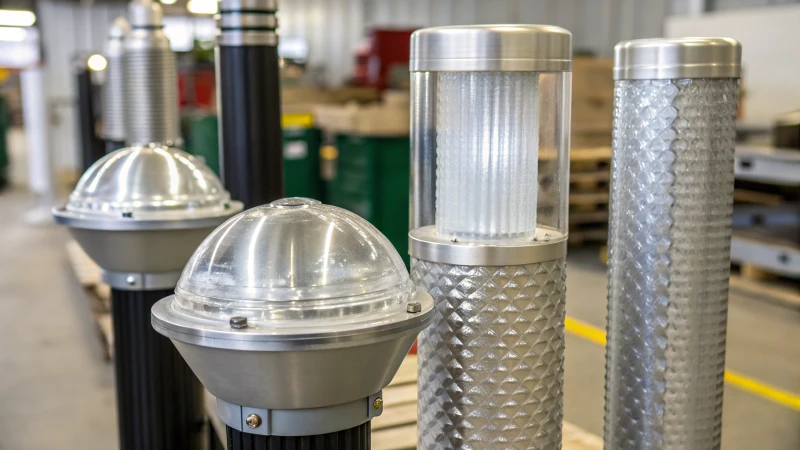
The Role of Aluminum and Steel in Street Light Poles
When I think about the street lights lining our roads, it's amazing how much thought goes into choosing the right materials. Aluminum and steel are like the unsung heroes here. I remember the first time I saw the lightweight aluminum poles being installed in a hilly area near my hometown. It was a revelation. They were so easy to put up, even on challenging terrains1! On the other hand, steel poles are robust, and they're perfect for places where they need to withstand heavy winds or bustling traffic.
| Material | Properties | Usage |
|---|---|---|
| Aluminum | Lightweight, corrosion-resistant | Ideal for easy installation |
| Steel | Strong, durable | Suitable for high-stress areas |
Glass and Plastic in Light Fixtures
The choice between glass and polycarbonate plastics for light fixtures always reminds me of a chat I had with a lighting designer friend. She explained how glass has been the go-to for its clarity and heat resistance. But as someone who’s always been clumsy around glass items at home, I’m thrilled to see more shatterproof and lightweight2 plastic being used in modern designs. They're not just practical—they're a lifesaver!
Integration of LED Technology
LED technology feels like the future, doesn't it? I recently replaced all the old bulbs at my place with LEDs, and the difference was night and day. For street lights, these LEDs are housed in heat-resistant materials with aluminum heat sinks to keep them cool and efficient. It's like giving them a long-lasting energy boost!
Solar Panels and Smart Components
I’ve always been fascinated by solar street lights. The idea of harnessing sunlight during the day to light up streets at night is just brilliant. These lights often have photovoltaic panels made from silicon cells on top, ensuring they get maximum sun exposure. Plus, with smart sensors and controllers, they adjust based on environmental conditions—talk about efficient lighting solutions3!
The materials chosen for street lights aren't just about keeping them standing tall; they're about sustainability, efficiency, and making sure our cities shine bright with minimal energy waste. Understanding these materials helps us make informed choices that align with our urban development goals while being kind to our planet.
Aluminum poles are heavier than steel poles.False
Aluminum poles are lightweight, while steel poles are heavier and stronger.
Polycarbonate plastics in fixtures are shatterproof.True
Polycarbonate plastics are used for their shatterproof and lightweight properties.
How Does the Design Process Influence Street Light Production?
Ever wonder how the design of street lights impacts their production? Let me walk you through how every decision from the drawing board influences the final product.
The design process directly shapes street light production by influencing choices around materials, technology, and energy efficiency. Decisions like choosing LED or solar technology and robust materials are pivotal in driving manufacturing practices and ensuring high-quality outcomes.

The Role of Initial Design Choices
I remember sitting at my desk, sketching the initial designs for a new street light project. The choice between LED technology4 and solar integration was more than just a technical decision—it felt like setting the stage for the entire production process. Opting for LEDs meant prioritizing energy efficiency and longevity, while choosing solar required incorporating photovoltaic cells, which added an exciting layer of complexity.
Material Selection and Its Impact
One vivid memory is when I was tasked with deciding between aluminum and steel for a project. I could almost feel the weight of the decision as I weighed the benefits of aluminum's lightweight, corrosion-resistant nature against steel's durability and cost-effectiveness. This choice didn't just affect the look and feel of the street lights—it dictated procurement strategies and altered manufacturing timelines.
| Material | Benefits | Considerations |
|---|---|---|
| Aluminum | Lightweight, corrosion-resistant | Higher cost compared to steel |
| Steel | Durable, cost-effective | Heavier, potential for rust |
Incorporating Smart Technologies
Integrating smart sensors felt like adding a touch of magic to our street lights. But it wasn't just about adding new features; it required rethinking wiring and component assembly methods. This innovation meant that quality control5 testing had to be even more rigorous to ensure everything functioned seamlessly.
Manufacturing Process Adjustments
The design decisions we made early on led to some fascinating adjustments in the manufacturing process. For projects with a sustainability focus, we chose eco-friendly processes like powder coating. It was amazing to see how these choices not only reduced environmental impact but also enhanced the street lights' resilience.
Testing and Quality Assurance Considerations
Ensuring our street lights could withstand the elements was crucial. The design process included detailed testing phases that I was deeply involved in. Rigorous durability tests6 were not just a box-ticking exercise; they were essential in guaranteeing that our lights would reliably illuminate streets for years to come. Each successful test felt like a win, validating the hard work and careful planning that went into every design decision.
LED technology enhances energy efficiency.True
LEDs consume less power and have a longer lifespan than traditional bulbs.
Steel is more corrosion-resistant than aluminum.False
Aluminum is more corrosion-resistant, making it suitable for harsh environments.
How Does Quality Control Impact Street Light Manufacturing?
Remember that moment when the streetlights flickered on, casting a warm glow over your neighborhood? Ever wondered what keeps them reliable and efficient?
Quality control in street light manufacturing is crucial. It ensures each light meets safety standards, performs reliably, and lasts long. From testing brightness to durability and energy efficiency, every detail counts.

Quality Control in the Design Phase
Imagine this: I'm sitting in a bustling office, coffee in hand, poring over the design specifications7 for a new streetlight. The thrill of seeing a project come together is unmatched. Here, quality control ensures that every design meets rigorous industry standards. Engineers, like my close friend John, often spend hours verifying that the plans accommodate all sorts of environmental factors, from harsh weather to urban settings.
Material Selection and Testing
I remember once visiting a factory where aluminum and steel were being tested for durability. It was a fascinating process! These materials undergo rigorous testing8 to ensure they can withstand the elements. It's like a fitness test for metals—corrosion resistance for aluminum and tensile strength for steel are crucial to prevent failures.
| Material | Test Conducted | Purpose |
|---|---|---|
| Aluminum | Corrosion Resistance | Ensure longevity |
| Steel | Tensile Strength | Prevent breakage |
Manufacturing Process Checks
During the manufacturing process, I’ve seen teams meticulously inspect components like LED modules and drivers. These inspections are vital. Quality control teams oversee production lines9 akin to guardians of excellence, maintaining high standards. Any deviation from quality benchmarks leads to immediate adjustments.
Assembly Line Quality Assurance
Assembly is where the magic happens—integrating poles, light heads, and wiring into a cohesive unit. Picture this: wires being carefully laid out, connections double-checked to avoid any electrical mishaps. This step is crucial for ensuring street lights are robust before they even think about hitting the market.
Final Product Testing
Before they’re packaged up, each street light undergoes comprehensive testing for brightness, energy efficiency, and durability. It’s like sending them through a mini obstacle course to make sure they can handle real-world conditions with grace.
Packaging and Shipping
Even after manufacturing, quality control steps in during packaging10 processes to ensure products are safely transported. I once helped with this process and learned the importance of proper labeling—it’s key for accurate installation at their final destination. Quality control isn’t just a step; it’s a journey that ensures the reliability of every street light we see illuminating our streets.
Quality control starts in the design phase.True
Quality control begins by ensuring design specifications meet industry standards.
Final testing excludes energy efficiency checks.False
Final product testing includes checks for brightness, energy efficiency, and durability.
How Are Smart Technologies Integrated into Street Lights?
Ever wondered how street lights are becoming smarter? Let's dive into the amazing world of smart technologies transforming our urban nights.
Smart street lights integrate technologies like sensors and IoT connectivity to adjust brightness, monitor energy use, and collect data. These innovations enhance energy efficiency and safety while reducing costs.
%[A modern urban street scene at dusk with smart street lights.]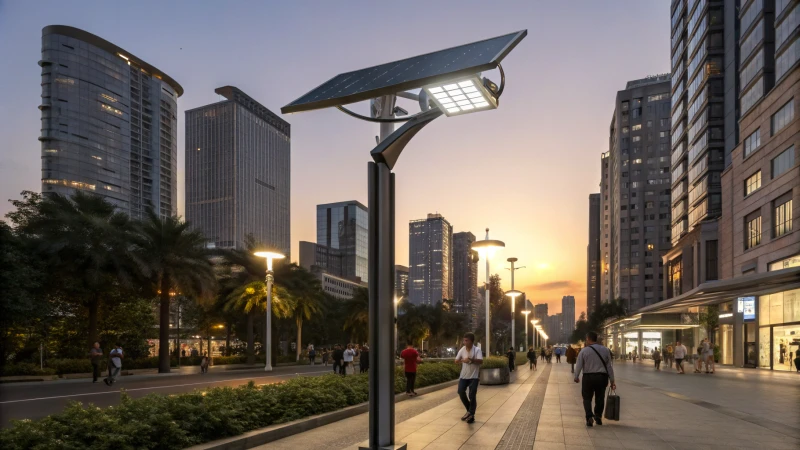
The Role of Sensors in Smart Street Lighting
Imagine walking home after a long day, and as you pass under each streetlight, it gently brightens, lighting your path. These smart street lights have sensors that can detect environmental changes like light levels or even the presence of people. This means they can adjust their brightness automatically, saving energy and making sure streets are only lit when necessary. It's like having a streetlight that knows when you're there and when it's time to shine!
Connectivity through the Internet of Things (IoT)
The magic of IoT connectivity allows these lights to communicate not just with each other but also with a central control system. Picture this: a system that can tweak light settings in real-time based on how busy the streets are or what the weather's doing. It's like giving the city a brain that makes sure every corner is as safe and efficient as possible.
| Feature | Function | Benefit |
|---|---|---|
| Sensors | Detect environmental changes | Optimize energy use |
| IoT Connectivity | Enable remote control | Enhance management |
| Data Collection | Monitor usage and efficiency | Inform maintenance |
Data Collection and Analysis
These streetlights don't just stop at lighting up our roads—they're also busy collecting valuable data. By analyzing this data, cities can predict when maintenance is needed before anything goes wrong. It's like having a crystal ball that helps keep everything running smoothly and efficiently.
Integration of Renewable Energy Sources
With solar panels on top, many smart street lights gather energy by day to light up our nights. It's not just about reducing grid power reliance; it's about cutting carbon emissions too. This aligns beautifully with sustainable urban development goals—something I truly believe in as we strive to protect our planet.
Enhancing Urban Safety
And then there's safety. Smart street lights improve visibility during those late-night hours or when the weather turns nasty. Some even pair up with security cameras to boost surveillance capabilities, providing an extra layer of protection for everyone out there. It's reassuring to know that these lights are looking out for us, keeping our cities safer.
Smart street lights use IoT for remote control.True
IoT connectivity allows street lights to be controlled remotely, enhancing management.
Smart street lights cannot collect environmental data.False
Smart street lights are equipped with sensors that collect environmental data.
Conclusion
Street lights are manufactured through a detailed process involving design, material selection, assembly, and rigorous testing to ensure safety, efficiency, and sustainability in urban environments.
Discover why aluminum poles are preferred for their lightweight nature and corrosion resistance. ↩
Learn about the benefits of using polycarbonate materials over traditional glass in light fixtures. ↩
Explore how smart technologies enhance street lighting efficiency and adaptability. ↩
Explores how choosing between LED and solar technology influences design and production processes. ↩
Learn about quality assurance measures specific to smart lighting systems. ↩
Understand the importance of durability testing in extending product lifespan. ↩
Discover how adhering to design specifications ensures street lights meet industry standards and environmental challenges. ↩
Learn about essential tests that guarantee the durability and weather resistance of materials used in street lights. ↩
Explore how quality control teams maintain high standards during the manufacturing of street light components. ↩
Understand how quality control ensures safe packaging and accurate labeling for street lights. ↩