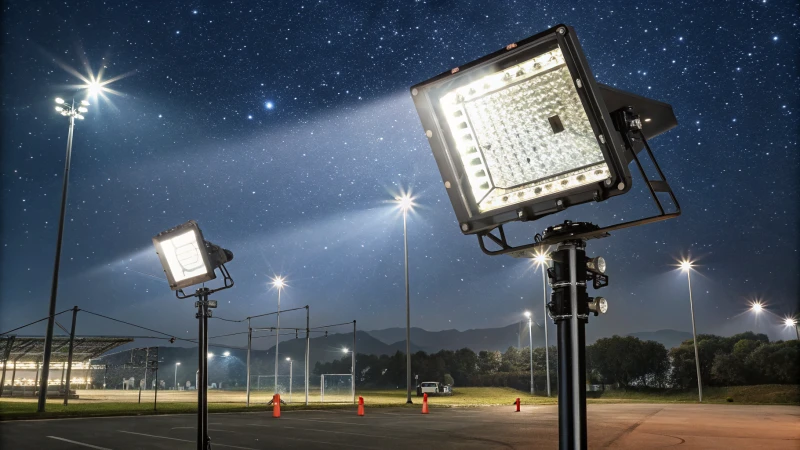
Have you ever wondered how those bright LED flood lights manage to illuminate vast spaces with such precision and efficiency?
LED flood lights work by passing electrical current through a semiconductor material, which produces light through a process called electroluminescence. This technology is highly efficient, converting electrical energy directly into light with minimal heat output, making LEDs more energy-efficient than traditional flood lights.
I remember the first time I switched from traditional halogen lights to LED flood lights. It was like unveiling a whole new world of clarity and brilliance in my backyard. These lights are not just about illumination; they represent a leap in technology that combines efficiency and smart features. Beyond the basic functioning, LED flood lights come equipped with innovations like thermal management and smart controls, ensuring they stay cool and perform optimally over time. It's amazing how a simple upgrade can make such a significant difference in both energy savings and overall ambiance. Let's explore the benefits and intricacies of these lighting marvels.
LED flood lights produce light with minimal heat loss.True
LEDs convert electricity to light efficiently, reducing heat output.
Traditional lights have higher lumens per watt than LEDs.False
LEDs are more efficient, offering more lumens per watt than traditional lights.
How does electroluminescence work in LED flood lights?
Have you ever wondered what makes those LED flood lights shine so brightly? It's all thanks to a little magic called electroluminescence.
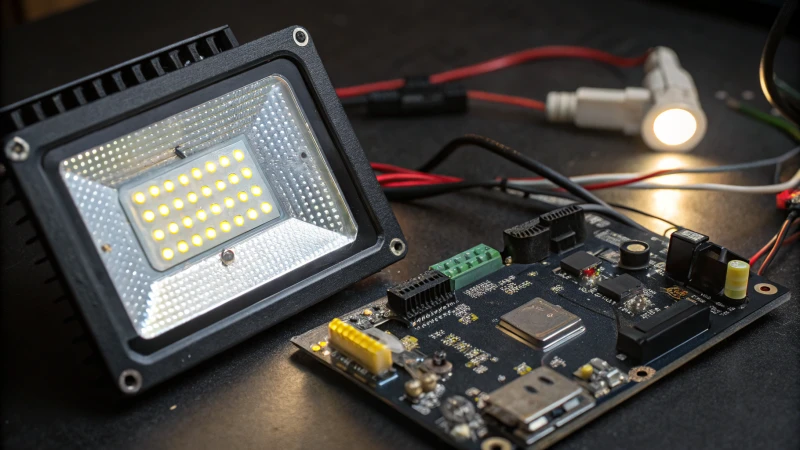
Electroluminescence in LED flood lights occurs when electrical current excites electrons in the semiconductor, releasing energy as photons or light. This process ensures efficient light production, precise color control, and minimal heat loss.
The Science Behind Electroluminescence
I remember the first time I saw LED flood lights in action at a nighttime construction site. The clarity and brightness were astounding, unlike anything I'd seen with traditional lighting. This brilliance comes from the process of electroluminescence1. When an electric current flows through the LED's semiconductor material, it excites the electrons. These excited electrons release energy in the form of photons, creating that crisp light we see.
Unlike older bulbs that waste a lot of energy generating heat to produce light, LEDs convert electricity directly into light, making them super efficient. I often think of this like a well-tuned machine where every part works perfectly without excess noise or waste.
Precision in Color Temperature
One of my favorite features of LED flood lights is their ability to adjust color temperature. Thanks to the semiconductor's energy bandgap, these lights can range from warm, cozy hues to bright daylight tones. This means they can adapt to any setting, whether you're lighting up a cozy patio or a bustling construction site.
This precision in color temperature control2 ensures that the mood is just right for any occasion or task.
Efficient Light Conversion and Heat Management
LEDs offer a high lumens-per-watt ratio, providing more light for less energy. However, even these efficient lights produce some heat. I recall being impressed by how high-quality LED flood lights manage this with aluminum heat sinks, keeping them cool and prolonging their life. It's like having a smart cooling system in your car that keeps everything running smoothly without overheating.
| Feature | Traditional Bulbs | LED Flood Lights |
|---|---|---|
| Energy Conversion | Indirect (heat) | Direct (electroluminescence) |
| Heat Production | High | Low |
| Color Temperature | Limited Control | Precise Control |
| Lifespan | Short (2,000 hours) | Long (50,000+ hours) |
The Role of Optics and Drivers
Optics like lenses and reflectors are another area where LED flood lights shine. They ensure the light is distributed evenly, reducing waste and focusing illumination where needed most. I once had a project where we used LEDs for outdoor lighting, and the precision was stunning; the light was exactly where we needed it without lighting up the entire neighborhood.
Moreover, reliable LED drivers are crucial as they regulate the electrical current to prevent damage from voltage fluctuations, ensuring optimal light output. Understanding these aspects truly showcases how electroluminescence in LED flood lights isn't just about providing light—it's about delivering it efficiently and effectively for any need. For more on how these components work together, check out LED drivers3.
LED flood lights use electroluminescence for light production.True
Electroluminescence involves converting electrical energy directly into light.
LED flood lights produce more heat than traditional bulbs.False
LEDs generate less heat due to efficient energy conversion.
How Do LEDs Achieve High Energy Efficiency?
Ever wondered why your LED lights seem to last forever while barely sipping on electricity? Let's uncover the secrets behind their exceptional efficiency.
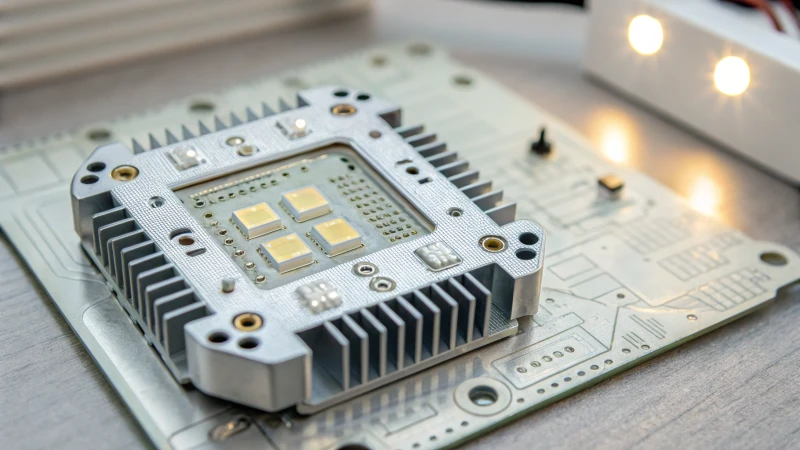
LEDs achieve high energy efficiency by converting electrical energy directly into light with minimal waste, thanks to their semiconductor design, superior heat management, and precise optics. This ensures longer lifespans and lower power consumption compared to traditional lighting.
The Science of Direct Conversion
I remember the first time I switched my home to LED lighting; it was like a light bulb moment—literally. Unlike traditional bulbs that transform energy into heat (and who needs more heat in summer, right?), LEDs use something called electroluminescence4. This magical-sounding process lets them convert electrical energy straight into light with hardly any waste. It's like getting more bang for your buck, with each watt delivering more lumens.
Advanced Thermal Management
Now, even though LEDs are incredibly efficient, they do generate a bit of heat—kind of like how my laptop starts warming up after a Netflix binge. High-quality LEDs have nifty aluminum heat sinks that manage this heat effectively. This thermal management5 keeps the LEDs running smoothly and prolongs their lifespan. So while you might pay a bit more upfront, these little wonders pay for themselves over time.
Precision in Optics and Light Distribution
The precision of LED lighting is like having your own spotlight wherever you need it. With integrated optics, LEDs can focus light exactly where it's needed, cutting down on wasteful light spill. Think of it as having a flashlight that only lights up the path ahead without blinding you—perfect for floodlights that need to cover just the right area without wasting energy.
| Lighting Feature | Traditional Bulbs | LEDs |
|---|---|---|
| Heat Generation | High | Low |
| Lifespan (Hours) | ~2,000 | ~50,000 |
| Lumens per Watt | Low | High |
Role of LED Drivers
Ever had an appliance fry itself because of a power surge? LED drivers are the unsung heroes preventing such mishaps by regulating the electrical current. They ensure that your LEDs have a consistent power supply, thanks to advanced driver technology6. This not only boosts performance but also keeps energy loss in check.
Incorporating Smart Features
Finally, in the age of smart everything—phones, homes, cars—why should lighting lag behind? Modern LEDs come with smart features like dimming and motion sensors. Imagine walking into a room and having the lights adjust themselves to your mood or needs. This smart lighting7 not only saves energy but also offers an interactive experience that feels almost futuristic.
LEDs convert electrical energy directly into light.True
LEDs use a semiconductor for direct conversion, minimizing energy loss.
Traditional bulbs have a longer lifespan than LEDs.False
LEDs last up to 50,000 hours, far exceeding traditional bulbs' lifespan.
Why is Thermal Management Important for LED Flood Lights?
Have you ever wondered why some LED flood lights last longer than others? It all comes down to how they handle heat.
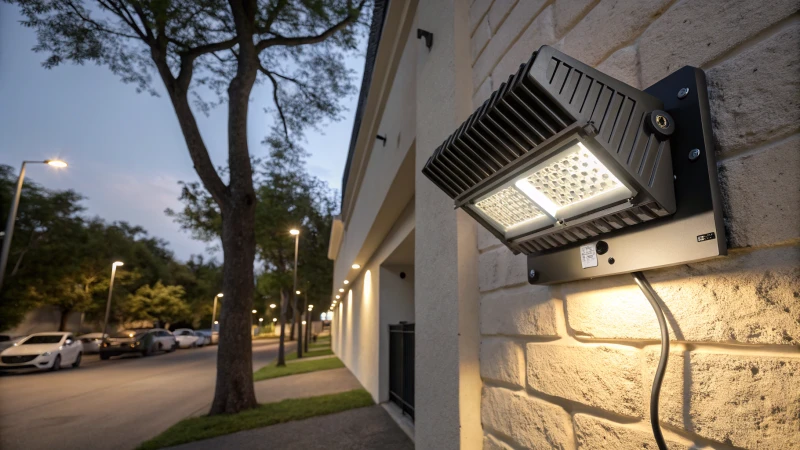
Thermal management is crucial for LED flood lights because it ensures efficient heat dissipation, preserving performance and extending lifespan. By preventing overheating, thermal management helps avoid issues like reduced light output and efficiency degradation.
How Heat Affects LED Performance
Imagine this: you’re at a family barbecue, and someone points out how bright your new LED flood lights are, illuminating the backyard perfectly. But if those LEDs start to overheat, you might notice them dimming over time, or worse, failing prematurely. That's because LEDs, though efficient, still generate some heat that can affect their performance if not managed properly. Too much heat can lead to color shifts8, a drop in brightness, and ultimately a shorter lifespan.
Methods of Thermal Management
Heat Sinks: Picture this as the unsung heroes working behind the scenes. Heat sinks, often made from aluminum or copper, help pull away the heat from the LED. Think of them as the friends who offer you a refreshing drink on a hot day.
| Material | Heat Conductivity | Use Case |
|---|---|---|
| Aluminum | High | Commonly used in heat sinks |
| Copper | Higher | Used when additional conductivity is needed |
Thermal Interface Materials (TIMs): These are like the connectors in a puzzle, ensuring heat moves efficiently from the LED to the heat sink, optimizing the entire cooling process.
Benefits of Effective Thermal Management
- Longevity: Think about replacing your traditional lights every few years versus having LEDs that last over 50,000 hours. Effective thermal management makes this possible.
- Consistent Light Output: Remember how you wanted to keep that backyard barbecue well-lit? Good thermal management ensures your LEDs stay bright and true to their color over time.
- Energy Efficiency: By keeping LEDs cool, they maintain their high lumens per watt ratio, which means you're getting more light for less energy—a win-win!
Advances in Thermal Management Technology
In recent years, I’ve seen incredible innovations in how we manage heat in LEDs. From active cooling systems to advanced materials with exceptional thermal conductivity9, these advancements promise even greater efficiency and durability for LED flood lights. As technology continues to evolve, I’m excited about how these improvements will enhance both residential and commercial lighting solutions.
Heat sinks in LEDs are made of plastic.False
Heat sinks are typically made from aluminum or copper, not plastic.
Proper thermal management extends LED lifespan to 50,000 hours.True
Effective heat dissipation can significantly extend the lifespan of LEDs.
What Smart Features are Available in Modern LED Flood Lights?
Imagine stepping into your backyard and watching your lights come alive at the sound of your voice or a simple tap on your phone. Modern LED flood lights offer this magic and more, revolutionizing how we light up our lives.
Smart LED flood lights feature remote control through smartphone apps, motion detection, and integration with systems like Alexa and Google Assistant, enhancing convenience, security, and energy efficiency.

Motion Detection and Automation
Picture this: you come home late one night, tired and carrying groceries, when suddenly the pathway lights up just as you approach your doorstep. This isn't some sci-fi scene; it's what motion detection in LED flood lights can do for you. These smart lights spring into action the moment they sense movement, adding an extra layer of security10 to your home. Plus, they’re energy-efficient—only switching on when needed. You can even tweak their sensitivity settings to avoid lighting up every time a leaf flutters by.
Wireless Control and Scheduling
Now, let’s talk about convenience. Imagine lounging on your couch and deciding you want a more ambient setting without having to get up. With wireless control via smartphone apps, adjusting your lights is as easy as swiping right. You can play around with brightness, colors, and even set schedules so your lights know exactly when to shine. This is a game-changer for commercial properties11 that require consistent lighting or those mindful of energy consumption.
Example Schedule Table:
| Time | Action |
|---|---|
| Sunset | Lights On (50% Brightness) |
| Midnight | Dimming to 30% |
| Sunrise | Lights Off |
Smart Home Integration
If you're anything like me, you've probably had moments where you wish you could control everything with your voice. Well, modern LED flood lights make this possible by integrating with smart home systems like Amazon Alexa or Google Assistant. With a simple command, you can transform your outdoor spaces12 without lifting a finger. And with platforms like IFTTT (If This Then That), the automation possibilities are endless—imagine syncing your lights to other devices for a seamless experience.
Adaptive Lighting Features
Have you ever noticed how the light changes just before a storm hits? Some advanced LED flood lights can mimic this natural adaptability by adjusting brightness based on ambient light or weather conditions. This isn't just a cool trick; it maximizes energy efficiency while ensuring you have the perfect lighting for security and visibility at all times.
Energy Efficiency and Cost Savings
Let’s not forget why LED flood lights are a smart choice in the first place—they’re incredibly energy-efficient. Compared to traditional options, they’re like the overachievers of the lighting world. With features like dimming controls and automation, these lights cut down on wasted energy and help you save on power bills. And if you’re the type who loves keeping tabs on things (like me), connected apps allow you to monitor energy use closely, helping you make informed decisions about lighting efficiency13 and cost management.
LED flood lights can be controlled via smartphone apps.True
Modern LED flood lights often feature wireless control through apps.
Motion detection in LED flood lights is always active.False
Motion detection can be programmed to adjust sensitivity and activity.
Conclusion
LED flood lights utilize electroluminescence for efficient light production, offering high lumens per watt, precise color control, and smart features while minimizing heat generation and extending lifespan.
Explore detailed scientific explanations of electroluminescence and its application in LEDs for a deeper understanding. ↩
Learn how LEDs manage color temperature for tailored lighting solutions across different environments. ↩
Understand the significance of LED drivers in ensuring efficient and reliable lighting performance. ↩
Understanding electroluminescence will help you grasp how LEDs convert electricity into light efficiently. ↩
Heat sinks are essential for dissipating heat, extending LED lifespan and maintaining efficiency. ↩
Learn how LED drivers stabilize current to enhance LED performance and prevent energy loss. ↩
Explore how smart features like dimming and motion sensing optimize LED energy consumption. ↩
Discover how excess heat impacts LED flood light performance, including issues like color shifting and reduced lumen output. ↩
Explore new technologies in thermal management that improve LED efficiency and lifespan. ↩
Learn how motion detection increases security and energy savings. ↩
Explore the advantages of wireless control in commercial lighting setups. ↩
Discover how integrating LED flood lights with smart home systems enhances convenience. ↩
Understand how smart features contribute to energy efficiency in LED flood lights. ↩