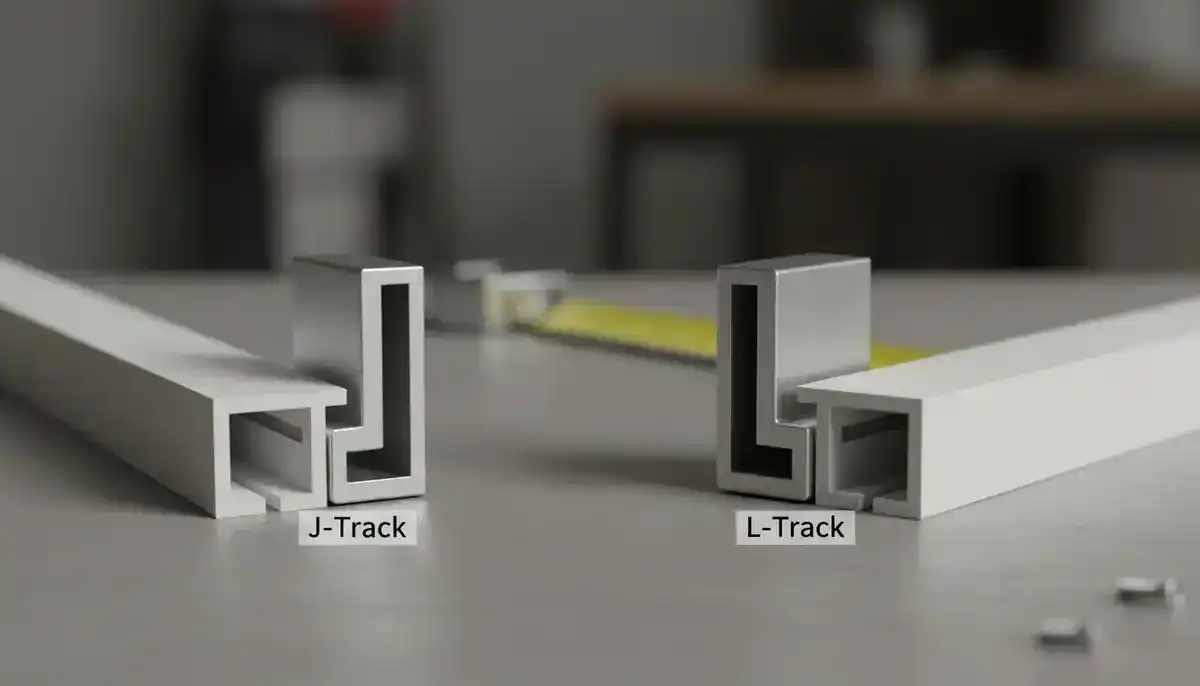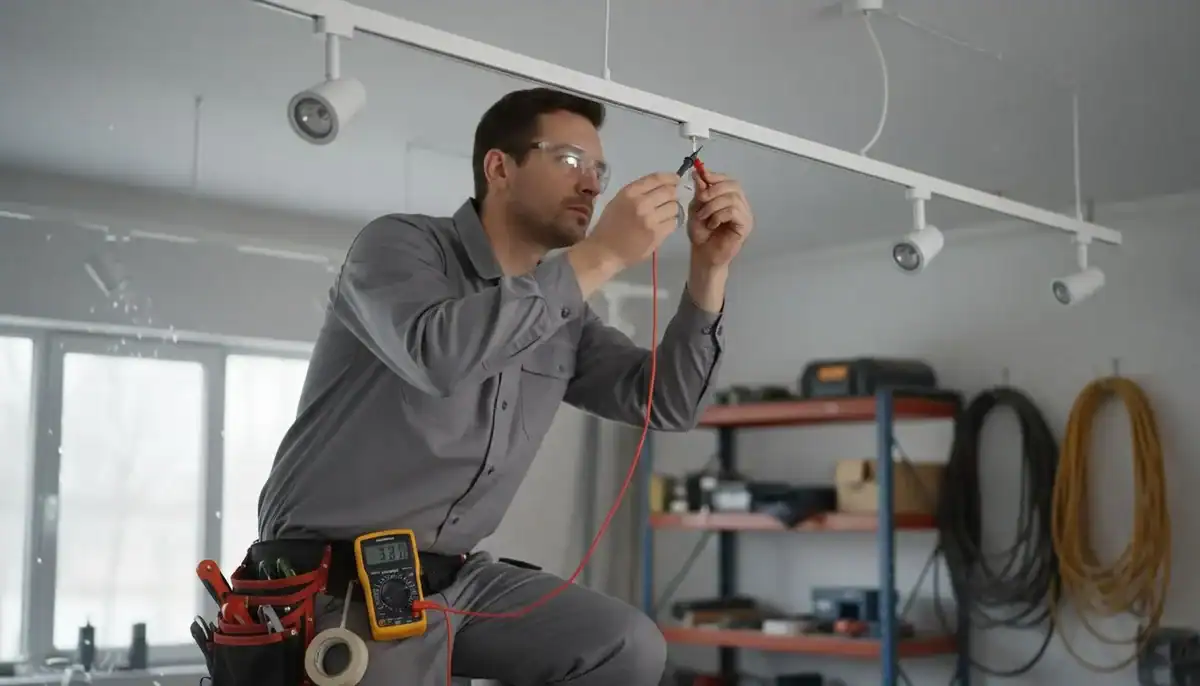


Struggling with fixed lighting that can't adapt to your changing needs? Reconfiguring your space is often a costly and disruptive headache. Magnetic track lighting1 offers a simple, flexible solution.
Magnetic track lights work by using magnets to securely attach lighting fixtures to a powered rail. The rail contains conductive strips that supply electricity, allowing fixtures to be easily installed, moved, or replaced without tools. This system provides flexible, energy-efficient, and modern lighting for homes and businesses.

As a factory owner who has been in the LED lighting business for over 10 years, I've seen many innovations. But few have solved problems for my clients like magnetic track lighting. I remember a distributor in Mexico, much like my typical client Jose, who was looking for a new, innovative product. He was tired of selling the same old things and his customers in retail wanted to change their store displays without hiring an electrician every time. Magnetic track lighting was the perfect answer. It gave him a high-value product to sell and solved a real pain point for his customers. Let's dive into how this technology actually works and how you can use it to your advantage.
All magnetic track lighting systems operate on standard 120V or 240V household electricity.False
Magnetic track systems are low-voltage, typically operating on 24V or 48V DC power, which requires a driver to convert the standard household voltage.
Magnetic track lights can be repositioned while the power is on.True
The low-voltage design makes it safe to add, remove, or slide the light fixtures along the track even when it is energized, offering true on-the-fly customization.
What is Magnetic Track Lighting and How Does It Work?
Confused by how lights just "stick" to a track and turn on? It can seem like magic. I'll explain the simple and safe technology behind this innovative lighting system.
It's a system where light fixtures with magnetic bases attach to a metal track. The track contains conductive copper strips that carry safe, low-voltage (usually 24V or 48V) power. The magnets hold the fixture and complete the electrical circuit, turning the light on instantly.

To really understand it, let's break it down. I always tell my clients that a good product is simple to explain. The magic is really just good engineering. The system has three key parts that work together.
The Core Components
- The Track: This is the backbone. It's an aluminum profile that gets mounted to your ceiling or wall. Inside, there are two thin copper strips. These strips are what carry the safe, low-voltage power from the driver.
- The Light Fixture: Each light has a base with two key elements: strong neodymium magnets and two small metal contact points. The magnets are strong enough to hold the light securely in place, even upside down.
- The Connection: When you place the light fixture into the track, the magnets snap it into place. At the same time, the metal contact points on the light's base touch the copper strips inside the track. This completes the electrical circuit, and the light turns on. It's that simple. Because it's low voltage (48V), it's completely safe to touch and manipulate.
| Feature | Magnetic Track Lighting | Traditional Track Lighting |
|---|---|---|
| installation2 | Lights click in with magnets | Lights twist and lock in |
| Voltage | Low Voltage (24V/48V) | Line Voltage (120V/240V) |
| flexibility3 | Extremely high; move lights easily | Moderate; requires turning power off |
| Safety | Very safe to handle when on | Risk of shock if handled improperly |
The magnets in the fixtures also conduct the electricity.False
The magnets are only for physical attachment. Separate metal contacts on the fixture's base touch conductive strips in the track to transfer power.
Magnetic track systems are safer for end-users to adjust than traditional systems.True
The low-voltage 24V or 48V power is much safer than the high line voltage of traditional tracks, minimizing the risk of electric shock during adjustments.
Magnetic Track Light System Sizes and Types?
Worried a magnetic track system won't fit your space or project? The options can seem confusing. I'll show you how different sizes and types offer a solution for any design.
Systems are mainly defined by track width, commonly 20mm or 35mm for most applications. Types include recessed for seamless ceilings, surface-mounted for easy installation, and pendant (suspended) for high ceilings. This variety ensures a perfect fit for offices, retail stores, or modern homes.

When I talk to a new distributor, one of the first questions I ask is about their target projects. Are they for commercial offices or high-end homes? The answer helps us decide on the right system type. Choosing the right type is crucial for both aesthetics and function.
Track Installation Types
- Recessed: This type is installed flush into the ceiling, creating a very clean, minimalist look. It's perfect for new construction or major renovations where you want the lighting to be part of the architecture. We see this a lot in high-end retail and modern corporate offices in Europe.
- Surface-Mounted: This is the most common and easiest to install. The track is mounted directly onto the surface of the ceiling or wall. It's a great choice for retrofitting existing spaces because it doesn't require cutting into the drywall.
- Pendant (Suspended): For spaces with very high or sloped ceilings, you can hang the track using suspension wires. This brings the light source closer to where it's needed, making it ideal for reception desks, dining tables, or large open-plan offices.
| System Type | Best For | Installation Complexity | Aesthetic |
|---|---|---|---|
| Recessed | New builds, modern designs | High (requires plastering) | Seamless, integrated |
| Surface | Retrofits, concrete ceilings | Low (simple screwing) | Visible, industrial look |
| Pendant | High ceilings, task areas | Medium (requires suspension kit) | Dramatic, functional |
Any magnetic light fixture will fit in any magnetic track.False
Fixtures are designed for specific track widths (e.g., 20mm, 35mm). A 20mm fixture will not work in a 35mm track, and vice-versa. Compatibility is brand and system-specific.
Recessed magnetic tracks can be installed without a trim (trimless).True
Many recessed systems are designed to be 'trimless,' where the ceiling plaster goes right up to the edge of the track for a clean, groove-like appearance.
Components of Magnetic Track Lighting Systems?
Building a system seems complex with so many parts. What do you actually need to order? I'll break down the essential components so you can order with confidence and avoid missing pieces.
A complete system requires four main parts: the track (the backbone), the light fixtures (spotlights, linear lights), the power supply4 (driver), and connectors (for corners or extending tracks). These modular parts work together to create your custom layout.

I always tell my clients, like Jose in Mexico, that a successful project starts with a complete parts list. Nothing is more frustrating than a delayed installation because a small connector is missing. A reliable supplier should help you build this list. Let's look at each part.
1. The Track Rail
This is the foundation. It comes in standard lengths, like 1 or 2 meters, that can be cut to size. You'll choose between recessed, surface, or pendant types based on your design.
2. The Light Fixtures
This is the fun part. You can choose from many types of lights to snap into the track. Common options include:
- Spotlights: For accent lighting, to highlight artwork or products.
- Linear Lights/Grille Lights: For general, diffused ambient light.
- Pendant Lights: Small decorative lights that hang down from the track.
3. The Power Supply (Driver)
This is the most critical component for system reliability. The driver is a box that connects to your main power and converts it from high voltage (120V/240V) to safe low voltage (48V). The driver can be hidden in the ceiling or in a cabinet. Its wattage must be large enough to power all the lights on the track.
4. Connectors and Accessories
These small parts bring your design to life. They allow you to:
- Extend Tracks: Use a straight connector to join two tracks for a longer run.
- Turn Corners: Use an 'L' connector for 90-degree turns on a ceiling or from a wall to a ceiling.
- Power the Track: A power feed connector links the driver to the track.
You can connect an unlimited number of lights to one track.False
The total wattage of all lights on a track cannot exceed the wattage rating of the power supply (driver). You must calculate the total load to ensure the system works correctly.
The driver must be from the same brand as the track and lights.True
While not a universal rule, it is highly recommended. Using a matched driver, track, and fixtures from one manufacturer like Besenled ensures compatibility, safety, and warranty coverage.
Applications in Commercial and Residential Spaces?
Is magnetic track lighting the right choice for your specific project? It can be hard to visualize its potential. I'll share some real-world examples to show you how versatile this system is.
In commercial spaces like retail stores and galleries, it allows for quick layout changes. In offices, it provides adaptable task lighting. For residential use, it offers a clean, modern aesthetic for living rooms and kitchens, highlighting art or architectural features.

The flexibility of this system is its biggest strength. I've seen it used in so many creative ways across the different markets we export to, from North America to the Middle East. The needs are different, but the solution is the same. For my B2B clients—distributors, importers, and corporate buyers—this adaptability is a huge selling point. It means the product can be sold into multiple sectors.
Commercial Applications
In a commercial setting, time and flexibility are money.
- Retail Stores: A clothing store can use spotlights to highlight new arrivals one week, then easily slide them to feature a sales rack the next. No electrician needed. This is a major benefit I emphasize to my retail clients.
- Art Galleries & Museums: Lighting is everything. With magnetic tracks, a curator can perfectly light each piece of art, adjusting the position and angle of spotlights with precision for every new exhibition.
- Offices: In modern, agile workspaces, desk layouts can change. A long linear light can be moved to illuminate a new collaborative zone, or spotlights can be added for focused task areas.
Residential Applications
In homes, the focus is more on aesthetics and creating a mood.
- Living Rooms: A track can run along the ceiling, using a mix of linear lights for general brightness and spotlights to accent a piece of art or a textured wall.
- Kitchens: It's perfect over a kitchen island. You can have bright linear lights for food prep and then switch to or dim spotlights for a more relaxed mood when entertaining.
Magnetic track lighting is only suitable for modern, minimalist interiors.False
While it excels in modern designs, the variety of track colors (black, white, gold) and fixture styles allows it to be integrated into industrial, transitional, and even some traditional spaces.
The system's flexibility reduces long-term operational costs in commercial spaces.True
By eliminating the need to hire an electrician for every lighting layout change, businesses save significantly on labor costs and reduce downtime, a key benefit for retail and galleries.
How to Choose Magnetic Track Lighting (Design, Rail, Fixtures, Accessories, Drivers)?
Ready to choose a system but feeling overwhelmed by the options? Making the wrong choice can be a costly mistake. I'll give you a step-by-step guide to selecting the perfect components.
First, define your design (recessed, surface). Then, choose a track system based on size and voltage. Select fixtures for your lighting needs (spot, flood). Finally, ensure you have the right driver and accessories. A reliable supplier can guide you through this process.

I walk my clients through this process every day. A cautious buyer like Jose wants to be sure he's ordering the right product for his market. Breaking it down into simple steps makes the decision easier and ensures nothing is overlooked.
1. Start with Design and Layout
Before you think about products, think about your goal. What do you want to light? Where will the track go? Draw a simple sketch of the room and the track layout. This will tell you if you need corner connectors or long straight runs. Decide if you want the clean look of a recessed track or the easy installation of a surface-mounted one.
2. Select the Track Rail
Based on your design, choose the track type. The most important decision here is the system width (e.g., 20mm or 35mm). This determines which light fixtures will be compatible, so it's a critical choice.
3. Choose Your Light Fixtures
Think about the three layers of lighting:
- Ambient (General): Use linear or grille lights for overall brightness.
- Task (Focused): Use spotlights or small pendants over work areas or tables.
- Accent (Highlighting): Use adjustable spotlights to draw attention to art, products, or architectural details.
4. Pick the Right Driver
This is a technical but crucial step. Add up the total wattage of all the light fixtures you plan to use. Choose a driver with a wattage rating that is at least 20% higher than your total. For example, if your lights total 80W, choose a 100W driver. Also, ensure the driver has the right certifications for your country (like CE for Europe, FCC for the US) to avoid customs problems. This is a common pain point I help my clients avoid.
5. Don't Forget Accessories
Review your layout sketch and make a list of all the connectors, end caps, and power feeds you'll need. A good supplier like Besenled can provide a full solution with all matching parts.
A 100W driver can power 100W of lights.False
It's a best practice to 'derate' a driver by 20%, meaning a 100W driver should only power up to 80W of lights. This prevents overheating and extends the driver's lifespan.
The color temperature (CCT) of all fixtures on a track must be the same.False
You can mix and match fixtures with different color temperatures (e.g., warm white 3000K and neutral white 4000K) on the same track to create different moods or zones.
What Are the Benefits and Drawbacks of Magnetic Track Lighting?
Is magnetic track lighting the perfect solution for every project? It has amazing benefits, but what's the catch? I'll give you an honest look at both the pros and cons.
The main benefits are incredible flexibility, easy tool-free installation of lights, and a sleek, modern look. The primary drawbacks are a higher initial cost compared to traditional systems and potential compatibility issues between different brands.

When I discuss this product with potential distributors, I believe in being transparent. Understanding the full picture helps them sell the product effectively and manage customer expectations. The value proposition is strong, but it's important to know where it shines and what to watch out for.
Here is a straightforward breakdown I often share:
| Benefits | Drawbacks |
|---|---|
| Unmatched Flexibility: Add, remove, and slide lights in seconds without tools. This is the number one advantage. | Higher Initial Cost: The tracks, drivers, and fixtures are more expensive upfront than traditional track or recessed downlights. |
| Enhanced Safety: The 24V or 48V low-voltage system is much safer to handle than 120V/240V systems. A huge plus for both installers and end-users. | Brand Incompatibility: Fixtures from one brand usually don't work with tracks from another. You must commit to one system. This is why partnering with a stable supplier is key. |
| Sleek, Minimalist Aesthetics: The clean lines and integrated look are perfect for modern architecture and design. | Power Limitations: A single driver can only power a certain wattage of lights. For very long runs or high-density lighting, you may need multiple drivers, which adds complexity. |
| Ease of Use: End-users can change their own lighting layouts without calling an electrician, saving time and money over the long term. | Driver Placement: The driver needs to be housed somewhere, either in the ceiling void, a nearby closet, or a surface-mounted box, which requires planning. |
For my B2B clients, I frame the higher cost as an investment. The money saved on labor for future reconfigurations in a retail or office space often provides a quick return on that initial investment.
Magnetic track lighting saves money over its lifetime.True
In commercial settings that require frequent layout changes, the savings on labor costs for electricians can quickly outweigh the higher initial purchase price.
All magnetic track systems are silent.False
Low-quality or improperly loaded drivers can sometimes produce a faint buzzing sound. Choosing high-quality, certified drivers from a reputable manufacturer like Besenled minimizes this risk.
How Is Magnetic Track Lighting Installed and Configured?
Worried about a complicated installation process? Project delays cost money and create headaches. I'll show you that installing the track is straightforward, and configuring the lights is the easiest part.
Installation involves mounting the track to the ceiling or wall and having an electrician connect it to the power driver. Once the track is powered, you simply click the magnetic light fixtures into place. You can then slide them along the track to your desired position without any tools.

The installation process is a key topic I discuss with building buyers and distributors. They need to know what to tell their contractors. The beauty of this system is the division of labor: the difficult part is done once, and the easy part can be done by anyone, anytime.
Here is a simple, four-step overview of the process:
1. Plan and Measure
First, finalize your layout on the ceiling or wall. Measure twice and cut once. Cut the track sections to the required lengths. This is the most important step to ensure a clean final look.
2. Mount the Track
This process depends on the track type:
- Surface-mounted: Simply screw the track directly into the ceiling or wall.
- Recessed: The track is fitted into a pre-cut channel in the drywall. The edges are then plastered and painted for a seamless finish.
- Pendant: Attach the suspension kit to the ceiling and hang the track from the wires.
3. Connect the Power (Electrician Required)
This is the only step that requires a qualified electrician. The electrician will connect the main power (120V/240V) to the input of the driver, and then connect the low-voltage output of the driver (48V) to the power feed connector on the track.
4. Install and Configure the Lights (No Tools Needed)
This is the fun and easy part. Once the track is safely powered, you can take your light fixtures and simply "click" them into the track wherever you want. The magnets will grab them and the light will turn on. You can then slide them around, swap them out, or add more. This is the flexibility that sells the system.
You need an electrician to move the magnetic light fixtures.False
Once the track is installed and powered, anyone can safely add, remove, or reposition the magnetic light fixtures without an electrician or any tools.
Recessed magnetic track installation is a simple DIY job.False
Installing a recessed track, especially a trimless one, requires precise cutting of drywall and plastering skills. It is best left to professional contractors for a clean finish.
Frequently Asked Questions?
Still have some questions about the details? You're not alone. I'll answer the most common questions I get from buyers like you to clear up any final doubts before you invest.
Yes, most systems are dimmable5 with the right driver. Compatibility between brands is rare. Prices are higher than traditional lighting. And for safety, always use certified, low-voltage components from a trusted source.

These are the final questions that often come up in my conversations with clients. Getting clear answers is key to making a confident decision. As a manufacturer, providing this clarity is part of my job.
Are Magnetic Track Lights Compatible with Other Fixtures and Dimmable?
Compatibility between different brands is very rare. The track dimensions and electrical contacts are proprietary. It's best to source the entire system—tracks, fixtures, and driver—from a single, reliable manufacturer like Besenled. This guarantees everything works together perfectly.
Can magnetic track lights be dimmed?
Yes, absolutely. This is a very common requirement. To achieve dimming, you need three compatible components:
- A dimmable light fixture.
- A dimmable driver.
- A compatible dimmer switch (e.g., 0-10V, DALI, or Triac).
When you order, you must specify that you need a dimmable system.
What is the price range for magnetic track lighting?
Magnetic track lighting is a premium system. You should expect the cost to be higher than traditional track lighting or standard downlights. The price varies based on the brand, quality, and type of fixtures. However, I always remind my clients to consider the total cost of ownership. The savings on future labor costs for re-configuration can make it a very smart long-term investment, especially for commercial clients.
What safety advice should be followed?
Safety is simple with these systems, but crucial.
- Use a Certified System: Always purchase systems that have safety certifications6 for your region (e.g., CE, RoHS, FCC). This is non-negotiable and protects you from liability and customs issues.
- Professional Installation: Have a qualified electrician install the track and connect the driver.
- Respect the Voltage: While the 48V track is safe to touch, the driver and main wiring are high voltage. Never tamper with the driver or its connections.
- Don't Overload: Do not exceed the maximum wattage of your driver.
Any 0-10V dimmer will work with any 0-10V dimmable driver.False
While they should be compatible in theory, there can be performance issues between different brands. It's always best to use the dimmer recommended by the driver manufacturer.
Magnetic track lighting systems are certified as a complete unit.True
Reputable manufacturers certify their systems (track, driver, fixtures) to work together safely. Mixing uncertified components can void the warranty and create safety risks.
Conclusion
Magnetic track lighting offers unmatched flexibility and a clean, modern design. By choosing a quality system and a reliable factory partner, you can deliver innovative and adaptable lighting solutions.
References
Explore the advantages of magnetic track lighting, including flexibility and modern aesthetics. ↩
Get a detailed guide on the installation process for magnetic track lighting systems. ↩
Discover how flexible lighting solutions can enhance adaptability in various environments. ↩
Understand the importance of the power supply in ensuring the reliability of lighting systems. ↩
Discover the dimming capabilities of magnetic track lighting and how to achieve it. ↩
Understand the importance of safety certifications for lighting systems to ensure compliance and safety. ↩
Topic cluster context
How Does Magnetic Track Light Work?
This guide supports the Commercial Indoor Lighting hub. Product, protocol, certification, ranking and performance claims remain subject to the evidence and compatibility checks stated in the article governance record.