
Wading through the world of lighting certifications can feel overwhelming, especially if you're aiming to bring magnetic track lights to international markets.
If you're diving into the world of magnetic track lights, knowing the required certifications is crucial. For the EU market, CE certification ensures compliance with safety and environmental standards. In the U.S., UL certification is key for safety, while RoHS handles hazardous substances. Specific regions like Australia and Japan require their own certifications, such as SAA and PSE.
Now, I know these certifications might seem like a maze of paperwork, but they're actually the backbone of safety and legality in lighting. Trust me, you don't want to find out halfway through a project that your products aren't compliant—it’s a costly mistake I’ve seen before. Let's explore what each certification means and why they're vital across different markets.
CE certification is required for magnetic track lights in the EU.True
CE certification ensures compliance with EU safety, health, and environmental standards.
RoHS certification is mandatory for all lighting products globally.False
RoHS focuses on hazardous substances but is not mandatory globally; it varies by region.
Why is CE Certification Important for EU Markets?
Navigating the EU market without CE certification is like driving without a map—risky and uncertain. Let me walk you through why this certification isn't just a bureaucratic hurdle but a vital key to success.
CE certification is crucial for EU markets because it ensures products adhere to safety, health, and environmental standards, making them legally marketable throughout the European Union.

Understanding CE Certification
If you've ever felt like standing at the gates of a new world, CE certification is your golden ticket into the European Economic Area (EEA). It’s more than just a mark; it’s a promise that your product meets the high health, safety, and environmental standards set by the EU. Think of it as the product equivalent of getting that all-clear stamp on your passport.
Legal and Compliance Requirements
I remember the first time I dealt with compliance issues; it was daunting, to say the least. Without CE certification, your products are essentially stuck at the border, unable to enter the EU market legally. This applies to a host of items from electronics to toys and machinery to medical devices. Ensuring your product aligns with all relevant EU directives is non-negotiable.
| Product Type | Relevant Directives |
|---|---|
| Electronics | EMC Directive, Low Voltage Directive |
| Toys | Toy Safety Directive |
| Machinery | Machinery Directive |
| Medical Devices | Medical Devices Regulation |
Enhancing Marketability and Trust
Picture this: you're in a store, eyeing two products—one has a familiar CE mark, and the other doesn’t. Which one would you trust? CE marking is not just a legal checkbox; it’s a badge of trust that assures consumers about safety and environmental standards—critical for industries where safety is paramount.
Steps to Achieve CE Certification
- Identify Applicable Directives: This step is like finding your product's niche in the vast landscape of EU regulations.
- Conduct Conformity Assessment: Assess whether your product ticks all the right boxes.
- Compile Technical Documentation: Imagine this as assembling all your evidence before a big presentation.
- Affix the CE Marking: The final flourish once you've met all requirements.
Consulting a CE marking expert1 can feel like having a seasoned guide by your side, especially when navigating complex regulatory waters.
Impacts on Business Operations
Initially, CE certification might seem like an expense you’d rather avoid due to rigorous testing and documentation demands. But think of it as an investment—one that opens doors to an expansive market while shielding you from hefty non-compliance fines. By ensuring compliance, you can leverage compliance as a competitive advantage2, showcasing your unwavering commitment to quality and safety standards.
Conclusion Avoidance Placeholder
Delving deeper into CE certification implications can help businesses seamlessly align with EU regulations, ensuring smooth operations across European markets.
CE marking is mandatory for electronics in the EU.True
Electronics must comply with EMC and Low Voltage Directives for CE marking.
CE certification is optional for machinery in the EU.False
Machinery must meet the Machinery Directive to be sold legally in the EU.
How Does UL Certification Affect North American Sales?
Navigating UL certification can feel like unlocking a secret code to the North American market. It's not just a checkbox—it's a passport to credibility, trust, and success.
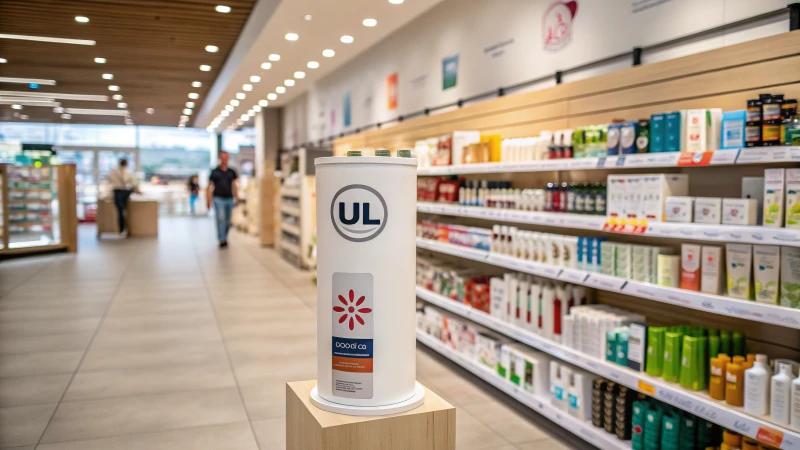
UL certification significantly boosts product credibility in North America by ensuring compliance with safety standards. It enhances consumer trust and is often a must for commercial projects, positively affecting sales.
The Role of UL Certification in Market Trust
When I first dove into the North American market, the concept of UL certification felt daunting, yet it quickly revealed itself as a linchpin of trust and reliability. Products bearing the UL mark aren't just meeting standards—they're speaking the language of safety that both consumers and businesses understand. In my experience, seeing that UL mark feels like spotting a familiar face in a crowded room—it instantly puts you at ease, knowing compliance is assured.
Meeting Regulatory Requirements
For me, working with electrical products made UL certification more than just a strategic move; it became a necessity. States across North America often mandate UL-listed products in building codes, especially for commercial or industrial projects. It’s like having a backstage pass to show your products are top-tier in safety and compliance.
| Sector | UL Certification Impact |
|---|---|
| Residential | Enhances consumer confidence |
| Commercial | Mandatory for compliance |
| Industrial | Ensures safety adherence |
Competitive Advantage Through Certification
Embracing UL certification gave my products an edge in a bustling market. It's akin to wearing a badge of honor that shouts commitment to quality and safety. This badge can sway both consumers and professional buyers, often tipping the scales in favor of increased market share3 and fostering brand loyalty.
Cost-Benefit Analysis of UL Certification
While the path to UL certification came with its share of costs—testing, redesigns, and sleepless nights—the payoff was clear. Certified products gained acceptance from distributors and retailers, easing the way to broader market access and possibly boosting sales volumes. For any business eyeing North America, aligning with UL standards can simplify entry into new markets by addressing safety concerns right from the start.
Real-World Implications for Manufacturers
Prioritizing UL certification transformed my approach to North American markets. It wasn't just about ticking a box; it was about making sure our products met local expectations, especially when sourced from regions with different safety standards. By aligning product offerings with UL certification, I've been able to not only meet regulatory demands but also tap into market segments that cherish safety and reliability—ultimately propelling sales growth.
UL certification is optional for commercial projects.False
UL certification is often mandatory for compliance in commercial settings.
UL certification increases consumer trust in products.True
The UL mark is a symbol of safety, enhancing consumer confidence.
How Does RoHS Influence Environmental Compliance?
Ever wonder how the gadgets we love are made safer and greener? That's where RoHS steps in, a game-changer for both manufacturers and eco-conscious folks like us.
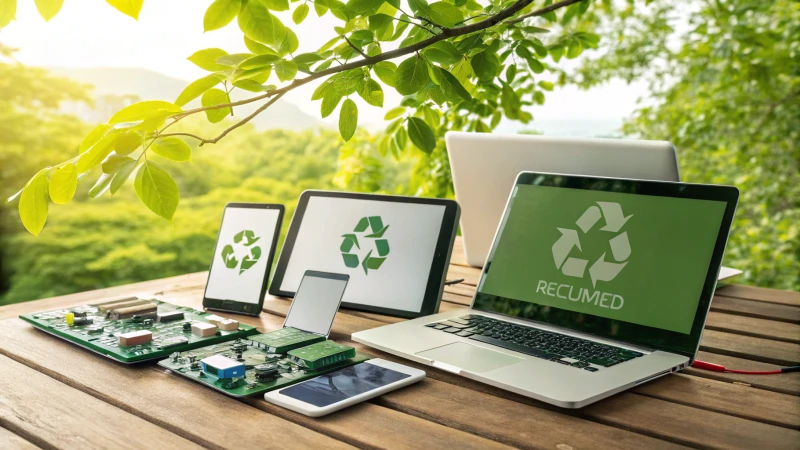
RoHS, or the Restriction of Hazardous Substances Directive, is a vital regulation that limits the use of dangerous materials like lead and mercury in electronic products, ensuring they're safer for both people and our planet.
Understanding RoHS and Its Objectives
I've always been intrigued by how regulations like the Restriction of Hazardous Substances (RoHS)4 Directive make a real difference. Initiated by the European Union, its goal is pretty straightforward—cut down on the environmental footprint of electronics by limiting harmful substances like lead, mercury, and cadmium. I remember when I first dove into this world, realizing how crucial it was for manufacturers to comply with RoHS. It’s not just about following rules; it's about making products safer to use and recycle, promoting sustainable consumption.
How RoHS Affects Manufacturers
For manufacturers like us, achieving RoHS compliance feels like embarking on a journey of discovery. I’ve had to rethink material choices and even tweak production processes. Sometimes, it feels like a puzzle—finding alternative materials or redesigning components to meet strict guidelines. But here's the thing: non-compliance isn't just a slap on the wrist. It can mean hefty fines or losing access to markets like the EU. More and more, I see manufacturers treating RoHS not as a hurdle but as a chance to stand out, aligning with global sustainability goals5.
| Hazardous Material | Maximum Allowable Concentration |
|---|---|
| Lead (Pb) | 0.1% |
| Mercury (Hg) | 0.1% |
| Cadmium (Cd) | 0.01% |
| Hexavalent chromium | 0.1% |
RoHS's Impact on Environmental Health
Thinking about the role of RoHS in environmental health, I find it inspiring. By reducing harmful waste in landfills and cutting pollution from manufacturing, RoHS is a beacon of hope for a greener future. It nudges us towards developing eco-friendly technologies and supports the transition to a circular economy—where products are designed with reuse and recycling in mind.
Beyond Europe, the ripple effect of RoHS is undeniable. It encourages international markets to adopt similar regulations, forging a global path towards environmental protection6. It’s part of a bigger picture, working hand in hand with other directives like REACH, making our ecosystems healthier worldwide.
RoHS limits lead to 0.1% in electronics.True
The RoHS Directive restricts lead concentration to a maximum of 0.1%.
Non-compliance with RoHS has no penalties.False
Non-compliance can result in significant penalties and restricted market access.
Are FCC Certifications Necessary for Smart Lighting Systems?
Imagine diving into the world of smart lighting, only to find a maze of certifications waiting for you.
Yes, FCC certification is crucial for smart lighting systems, especially those with wireless capabilities like Bluetooth or Wi-Fi. This ensures they meet U.S. electromagnetic emission standards, avoiding potential legal hurdles.

Understanding FCC Certification
I remember the first time I faced the daunting task of understanding FCC certification. It felt like trying to decipher an ancient language, but it's vital. The Federal Communications Commission7 sets the rules for electronic emissions in the U.S., and any product that emits radio frequency energy—like our beloved smart lighting systems with Wi-Fi or Bluetooth—must comply.
| Feature | Importance |
|---|---|
| Wireless Control | Required for FCC |
| Emission Standards | Mandatory |
Why Smart Lighting Needs FCC Certification
It's like playing by the rules in a game; smart lighting can disrupt other electronics if not carefully managed. FCC certification acts as a referee, ensuring these products operate safely and legally. Imagine rolling out your product only to face a market barrier due to missing this step!
The Certification Process
The journey to an FCC certification8 is akin to preparing for a big event—testing the product's emission levels is just the start. Manufacturers often collaborate with certified labs for these tests. It's crucial to fully grasp the compliance requirements9 to sail through certification smoothly.
Key Considerations for Manufacturers
- Integration of Smart Features: I've learned that integrating smart features from the get-go is essential, ensuring they align with FCC standards.
- Collaboration with Certified Labs: Partnering with accredited labs has been a game-changer, streamlining our testing processes.
- Regulatory Updates: Staying updated with FCC regulations can save us from future headaches and costly redesigns.
Benefits of FCC Certification
Besides being legally compliant, having an FCC certification boosts our credibility and consumer trust. It's like a seal of approval that assures customers our products won't interfere with their devices. This is particularly crucial in bustling urban settings where wireless networks are as common as coffee shops.
| Benefit | Impact |
|---|---|
| Legal Compliance | Mandatory for U.S. |
| Enhanced Marketability | Increased Consumer Trust |
| Reduced Interference Risks | Better Performance |
Understanding these facets has helped me and others navigate the complex world of FCC certification, ensuring our smart lighting products not only meet but exceed market standards.
Smart lighting must have FCC certification to be sold in the U.S.True
FCC certification is mandatory for products emitting radio frequencies, like smart lighting.
FCC certification guarantees smart lighting will never cause interference.False
While it reduces interference risks, it doesn't completely eliminate them.
Conclusion
Understanding necessary certifications like CE, UL, RoHS, and FCC is crucial for magnetic track lights to ensure compliance with safety standards across various international markets.
Consulting with experts can provide invaluable insights into meeting complex regulatory requirements efficiently. ↩
Learn how achieving compliance can position your business favorably in competitive markets by demonstrating quality and reliability. ↩
Learn how achieving UL certification can increase your market share by boosting consumer trust. ↩
Learn about the RoHS Directive's goals and how it reduces hazardous substances in electronics. ↩
Discover why RoHS compliance is beneficial for manufacturers in aligning with sustainability goals. ↩
Explore RoHS's role in promoting global environmental health and its impact beyond Europe. ↩
Explore detailed guidelines on what constitutes FCC certification and why it's critical for electronic products. ↩
Discover the steps involved in obtaining FCC certification for smart devices to ensure compliance. ↩
Learn about specific compliance requirements set by the FCC for electronic devices to avoid regulatory issues. ↩
Topic cluster context
What Certification is Required for Magnetic Track Lights?
This guide supports the Certification & Trust hub. Product, protocol, certification, ranking and performance claims remain subject to the evidence and compatibility checks stated in the article governance record.