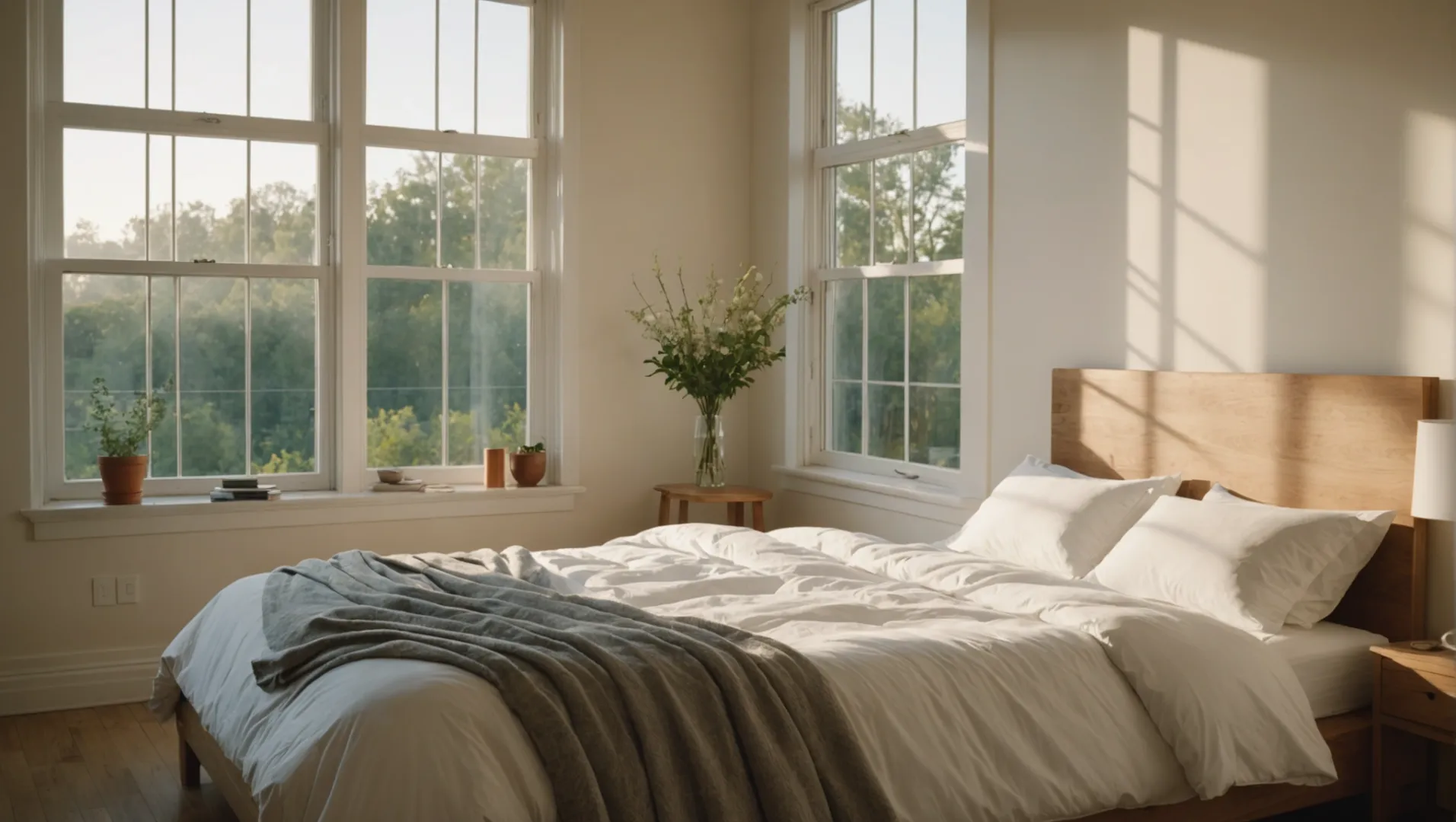
Have you ever wondered why you feel so much more awake in the morning when the sun is shining?
Light affects circadian rhythms by influencing melatonin production through the interaction of ipRGC cells with the brain's SCN, regulating sleep-wake cycles. Bright light reduces melatonin during the day, while darkness at night increases it, promoting sleep.
While this basic understanding provides a snapshot of light's role in our biological processes, there are deeper insights to uncover. Continue reading to explore how different types of light affect our circadian rhythms and how you can optimize your environment for improved health.
Bright light exposure reduces melatonin production.True
Bright light, especially during the day, suppresses melatonin, keeping us alert.
What Is the Science Behind Circadian Rhythms?
Circadian rhythms, the natural cycles of physical, mental, and behavioral changes, are crucial for health.
Circadian rhythms are driven by the brain's suprachiasmatic nucleus, responding to light signals that regulate melatonin production, synchronizing sleep and wakefulness.
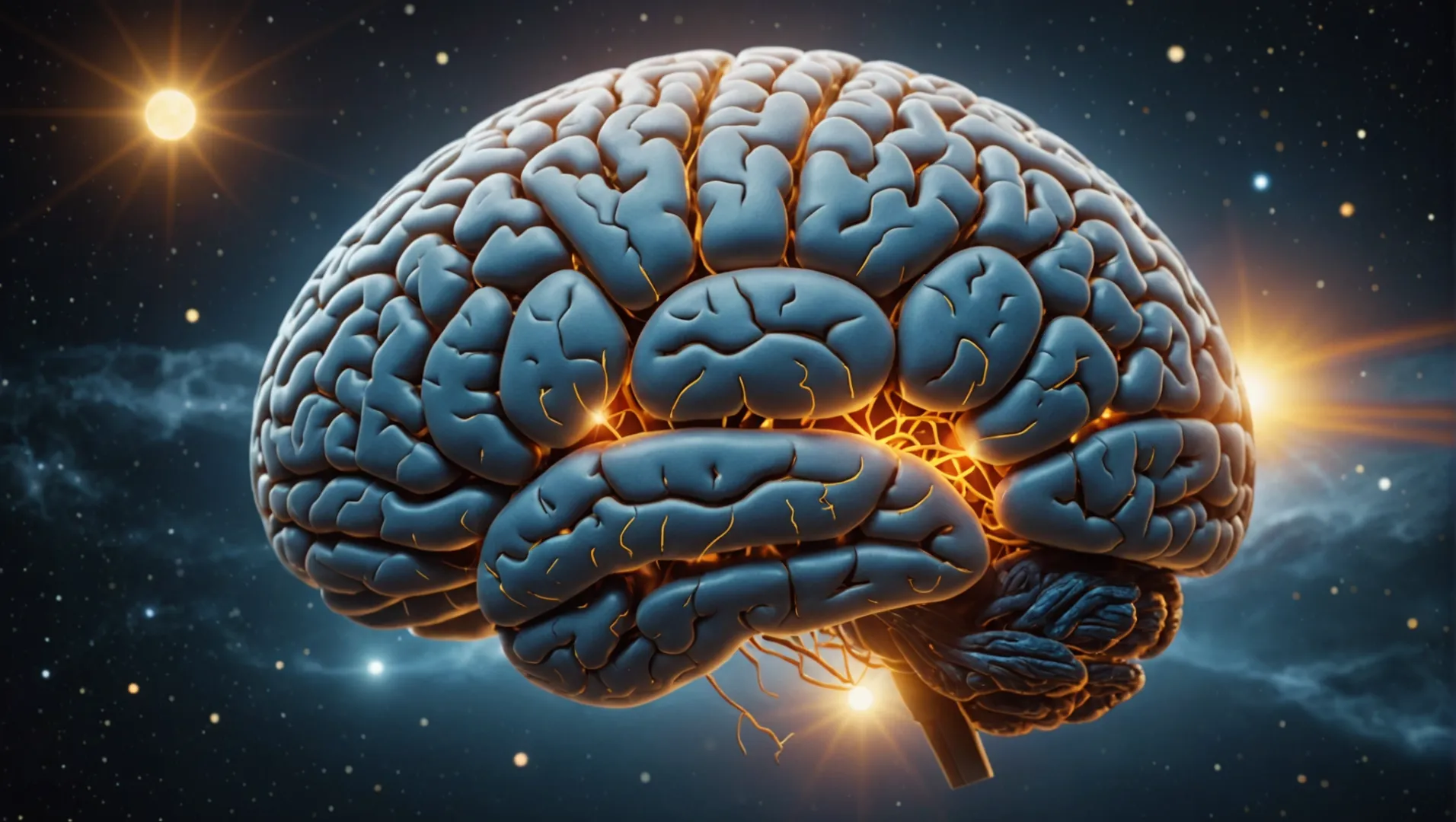
Understanding the Suprachiasmatic Nucleus (SCN)
The suprachiasmatic nucleus1 (SCN) is a tiny region located in the hypothalamus, acting as the master clock of our body. It processes light information received through the eyes and regulates various functions, primarily the sleep-wake cycle. When light enters the eye, it hits the photoreceptor cells known as intrinsically photosensitive retinal ganglion cells (ipRGCs). These cells send signals to the SCN, which then influences hormone secretion patterns, including melatonin.
Role of Melatonin in Circadian Rhythms
Melatonin is a hormone produced by the pineal gland, playing a pivotal role in signaling darkness to the body. During daylight, ipRGCs send signals to suppress melatonin production, helping us stay alert. Conversely, as night falls, reduced light increases melatonin production, promoting sleepiness. This rhythmic fluctuation is essential for maintaining regular sleep patterns and overall health.
Environmental Impact on Circadian Rhythms
Our modern lifestyle often involves extended periods indoors under artificial lighting, which can disrupt natural circadian rhythms. The absence of natural light cues can lead to imbalances in melatonin secretion and sleep disturbances. Innovations like Besenled's Rhythmic Lighting2 simulate natural daylight changes, offering solutions for aligning artificial lighting with our biological clocks.
Circadian Rhythms Beyond Sleep
While primarily associated with sleep, circadian rhythms influence various bodily functions, including metabolism, immune response, and mood regulation. The disruption of these rhythms is linked to several health issues, such as obesity, depression, and cardiovascular diseases. Understanding these connections highlights the importance of maintaining a consistent light-dark cycle for optimal health.
The SCN is located in the pineal gland.False
The SCN is located in the hypothalamus, not the pineal gland.
Artificial lighting can disrupt circadian rhythms.True
Extended exposure to artificial light can imbalance melatonin secretion.
How Does Artificial Light Influence Sleep Patterns?
Artificial light has a significant impact on our sleep by altering natural circadian rhythms and melatonin production.
Artificial light exposure, especially at night, disrupts melatonin production and circadian rhythms, affecting sleep quality. Blue light from screens is particularly disruptive, delaying sleep onset and reducing overall sleep duration.
Understanding the Role of Melatonin
Melatonin is a hormone that plays a vital role in regulating sleep-wake cycles. Its production is influenced by light exposure, with natural light suppressing melatonin during the day and darkness promoting its release at night. However, exposure to artificial light, especially blue light emitted from screens, can suppress melatonin production even after the sun has set. This disruption leads to difficulties in falling asleep and maintaining restful sleep.
The Impact of Blue Light
Blue light, prevalent in LED lights, smartphones, and computer screens, is particularly potent in affecting our sleep patterns. It mimics daylight, tricking the brain into thinking it’s still daytime, thereby delaying the release of melatonin. Studies have shown that using electronic devices before bedtime can lead to prolonged sleep latency, reduced REM sleep, and diminished sleep quality. Consider utilizing blue light filters3 on devices to minimize these effects.
Artificial Lighting in Modern Living Spaces
Modern lifestyles often require us to be indoors under artificial lighting for extended periods. This constant exposure can desynchronize our internal body clocks, leading to sleep disorders. Implementing circadian lighting systems4 that mimic natural light patterns can help mitigate these issues by adjusting the intensity and color temperature of lights throughout the day.
Practical Tips for Reducing Artificial Light Exposure
- Limit Screen Time Before Bed: Aim to avoid screens at least an hour before sleeping.
- Use Dim Lighting: Opt for low-intensity, warm-toned lights in the evening.
- Install Light-Blocking Curtains: These can help create a dark sleeping environment by blocking out streetlights or early morning sunlight.
By understanding and managing our exposure to artificial light, we can enhance our sleep quality and support our body's natural rhythms.
Blue light delays sleep onset by suppressing melatonin.True
Blue light mimics daylight, delaying melatonin release and sleep onset.
Circadian lighting systems disrupt natural sleep patterns.False
These systems mimic natural light, aiding in maintaining healthy sleep cycles.
Can Light Therapy Help with Seasonal Affective Disorder?
Discover how light therapy might offer relief for those experiencing seasonal mood changes.
Light therapy can alleviate Seasonal Affective Disorder (SAD) by mimicking natural sunlight, helping to regulate circadian rhythms and melatonin production.

Understanding Seasonal Affective Disorder
Seasonal Affective Disorder, commonly known as SAD, is a type of depression that occurs at a specific time of year, usually in the fall or winter. This condition is thought to be linked to reduced exposure to sunlight during these months, which can disrupt the body's circadian rhythms5. Symptoms of SAD include feeling sluggish, experiencing mood swings, and having trouble concentrating.
The Science Behind Light Therapy
Light therapy involves exposure to a light box that emits bright light similar to natural sunlight. This exposure can help reset the body's internal clock by reducing melatonin production during the daytime and enhancing serotonin levels, which can improve mood and energy levels. According to experts, using a light box for about 20 to 30 minutes every morning can significantly improve symptoms of SAD.
How Effective Is Light Therapy?
Studies have shown that light therapy can be as effective as antidepressant medications for some individuals with SAD. However, its effectiveness can vary based on several factors such as the intensity of the light, the timing of the treatment, and individual response. For optimal results, it's essential to follow the recommended guidelines for light therapy and consult with a healthcare provider.
Incorporating Light Therapy into Your Routine
To integrate light therapy into your daily routine, consider setting up your light box in a convenient location where you can use it while performing morning activities like having breakfast or reading. Consistency is key, so aim to use your light box at the same time every day. Additionally, combining light therapy with other treatments such as cognitive-behavioral therapy or medication may enhance its effectiveness.
For more insights on managing SAD through lifestyle adjustments, explore our guide on optimizing your light environment6.
Light therapy mimics natural sunlight for SAD relief.True
Light therapy simulates sunlight, helping regulate circadian rhythms.
Light therapy is ineffective without antidepressants.False
Studies show light therapy can be as effective as medication alone.
How Can You Optimize Your Light Environment for Better Health?
Optimizing your light environment can significantly enhance your health by aligning with your natural circadian rhythms.
To optimize your light environment for better health, align lighting with natural circadian rhythms. Use bright, blue-enriched light during the day and dim, warm light in the evening to regulate melatonin production and improve sleep quality.

Understanding the Role of Light in Health
Our modern lifestyle often involves spending long hours indoors under artificial lighting, which can disrupt our natural circadian rhythms7. These rhythms, governed by the light-dark cycle, play a crucial role in regulating sleep, mood, and overall well-being. Exposure to the right type of light at the right time can help maintain these rhythms, while improper lighting can lead to issues such as insomnia, fatigue, and mood disorders.
Creating a Rhythmic Lighting Environment
Adopting a rhythmic lighting approach means adjusting your indoor light to mimic natural daylight patterns. Here's how you can do it:
Morning Light Exposure: Start your day with exposure to bright, blue-enriched light. This type of light boosts alertness and mood by suppressing melatonin production. Consider opening your windows to let in natural sunlight or using a light therapy box if natural light is scarce.
Midday Lighting: Maintain exposure to bright lights during working hours. If you work indoors, choose LED lights that closely resemble daylight. These lights help maintain energy levels and cognitive function.
Evening Lighting: As the day winds down, switch to dimmer, warmer lights. This transition signals your brain that it's time to start winding down and prepares your body for sleep by encouraging melatonin production.
Implementing Smart Lighting Solutions
Smart lighting technology allows you to customize your lighting environment effortlessly:
Automated Lighting Systems: These systems can adjust light intensity and color temperature throughout the day. They can simulate natural daylight patterns, promoting a healthier circadian rhythm.
Smart Bulbs: Use bulbs that can be controlled via smartphone apps to change color and brightness according to the time of day. This flexibility helps in maintaining an optimal light environment easily.
Tips for a Healthier Light Environment
| Time of Day | Recommended Lighting | Benefits |
|---|---|---|
| Morning | Bright, blue-enriched | Boosts alertness and mood |
| Midday | Natural daylight LEDs | Maintains energy levels |
| Evening | Dim, warm lights | Prepares body for sleep |
By making these adjustments, you create an environment that aligns with your body's natural processes, enhancing both mental and physical health. Implementing rhythmic lighting can be a simple yet effective way to improve your overall quality of life.
Bright light exposure in the morning boosts alertness.True
Morning light suppresses melatonin, enhancing mood and alertness.
Dim, warm lights in the evening hinder sleep quality.False
Warm lights promote melatonin production, aiding sleep preparation.
Conclusion
Embracing the impact of light on our circadian rhythms allows us to foster better health and enhance our well-being.
Discover how the SCN acts as the body's master clock.: The neuronal and hormonal activities it generates regulate many different body functions in an approximately 24-hour cycle. Suprachiasmatic nucleus. ↩
Learn about innovative lighting that mimics natural sunlight cycles.: Rhythmic lighting operates at both granular and large-scale levels, by displaying specific rhythmic patterns and simultaneously enabling ... ↩
Learn how blue light filters protect your sleep and eye health.: The blue light prevents the production of melamine. Try using a pretty aggressive blue light filter for a few minutes and then turning it off. ↩
Discover how circadian lighting mimics natural daylight patterns.: Circadian lighting is the concept that electric light can be used to support human health by minimizing the effect of electric light on the human circadian ... ↩
Understand how lack of sunlight impacts your body's biological clock.: In general, researchers estimate that light in the evening (about 2 hours before and after usual bedtime) can shift the circadian system about 2 hours later ... ↩
Learn techniques to improve your living space for better mental well-being.: Maximize natural light. Open curtains or blinds to let in natural light. Minimize noise: reduce noise exposure to excessive noise. Use ... ↩
Learn how circadian rhythms impact sleep, mood, and overall health.: This rhythm tells your body when to sleep and when to wake up. It also affects several other body processes, like your hormones, digestion and body temperature. ↩