

Have you ever thought about why grounding your LED lights is so important?
Grounding LED light fixtures is important. It directs stray electrical currents safely into the ground, avoiding electrical shocks. This process helps lower the risk of fires and damage to equipment. Protect your lighting investment. Safeguard personal well-being during installation.
Once I decided to put LED lights in my home, I soon saw how vital grounding is. Grounding is more than just ticking a safety box. Peace of mind grows from knowing everything is safe when you come home. Grounding keeps things secure. Let me lead you through the basics. I’ll share details on ways, precautions and solutions for problems. DIY fans or those tackling big projects should grasp these steps. Safety stays front and center with the right knowledge. Very important is safety.
Grounding prevents electrical shock in LED fixtures.True
Grounding directs stray currents safely, reducing shock risk.
LED fixtures can operate safely without grounding.False
Without grounding, risk of shock and fire increases.
What are the dangers of not grounding LED fixtures?
Have you ever turned on a switch, hoping for light, but found darkness and felt puzzled?
Not grounding LED lights might cause electric shock, higher fire danger and harm to the light setup. Grounded lights provide safety. Grounded lights follow rules. Grounded lights last longer. This really reduces dangerous risks.
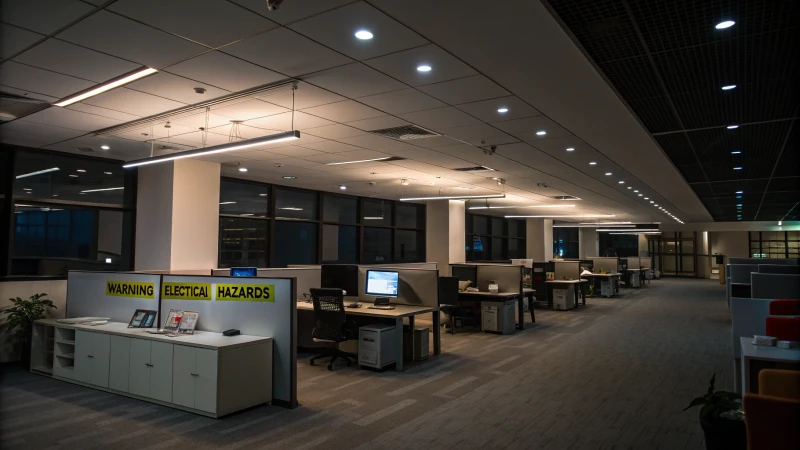
Understanding Electrical Safety
I remember my first encounter with an ungrounded LED fixture in the office. The day was chaotic and suddenly, the lights went out. An electrical fault1 had turned our light into a possible danger. It was a frightening reminder of why grounding matters. Without proper grounding, any fault can make LED lights risky, especially in busy places with moisture or dust.
Potential Hazards
- Electrical Shock: Imagine walking in a crowded area when touching a light gives you a shock. This happens when fixtures lack proper grounding.
- Increased Fire Risk: Ungrounded wires may overheat and start fires. I read about a nearby office experiencing this and it was unsettling. Proper grounding could have prevented it.
- System Damage: Faults damage equipment, leading to expensive replacements. It’s not just inconvenient but also financially draining; I felt this during unexpected downtime.
| Risk | Description |
|---|---|
| Electrical Shock | Touching live parts due to faulty insulation |
| Fire Risk | Overheating from ungrounded wiring |
| System Damage | Damage from electrical surges and faults |
Grounding Requirements
Grounding needs vary by location and use of fixtures. I learned the hard way that following local rules is a lifesaver. Consulting a qualified electrician2 checks if installations meet safety standards.
Installation Safety Guidance
- Assess the Site: Always inspect for existing wiring issues or moisture risks. It’s surprising how many problems you avoid by being thorough at first.
- Use Correct Wiring: Choosing wiring that meets local standards ensures durability and safety; it has become very familiar to me.
- Professional Installation: Hiring certified experts provides peace of mind; properly installed and grounded fixtures let me sleep better.
Steps for Safe Installation
- Plan the Wiring Layout: Detailed wiring layout maps are crucial for safety and accessibility.
- Select Appropriate Equipment: Choose reliable suppliers for equipment that fits specific needs.
- Implement Safety Checks: Regular safety checks detect issues early, stopping bigger problems later.
Taking these steps not only keeps everything in line with rules but also extends the life and safety of my LED systems while enhancing operational safety. Grounding is not just a formality; it is essential for maintaining overall safety and efficiency in lighting.
Ungrounded LED fixtures increase fire risk.True
Ungrounded wiring can overheat, significantly raising fire risks.
Grounding is optional for LED installations.False
Grounding is essential to meet safety standards and prevent hazards.
How Do I Properly Ground an LED Fixture?
Ever wondered if your LED lights are safely grounded? It's more important than you might think.
To ground an LED light correctly, attach the green or bare copper wire from the light to the grounding screw or wire in the electrical box. All connections must be tight to avoid problems. Connections should follow local electrical rules. It's really important!

Understanding Grounding Needs
Grounding is not just about a rule; it's about keeping everyone safe. Connecting the green or bare copper ground wire to a grounding point directs extra electricity into the earth safely. It’s like wearing a seatbelt when you drive.
Steps for Grounding an LED Fixture:
| Step | Description |
|---|---|
| 1 | Turn Off Power: Ensure the power supply to the fixture is off to avoid any electrical shock. Use a voltage tester to confirm. |
| 2 | Identify Ground Wire: Locate the green or bare copper wire coming from the fixture. This is your grounding wire. |
| 3 | Connect Ground Wire: Attach the ground wire to the grounding screw or wire in your electrical box. Secure it with a wire nut or grounding clip. |
| 4 | Verify Connections: Double-check all connections for tightness and compliance with local electrical codes3. |
Safety Tips During Installation
Safety matters most. Using the right tools, especially insulated ones, helps a lot.
- Use Proper Tools: Insulated tools give more confidence and let you handle wires safely.
- Check Electrical Box: A strong electrical box is very important; sometimes it feels like getting better insurance.
- Follow Local Rules: Knowing local rules is like a map - it helps avoid getting lost in legal details.
Solving Common Problems
Installing isn't always easy. Once, I found no ground wire and it was annoying. But a grounding adapter or talking to an electrician helped me.
- No Ground Wire Present: If there is no grounding wire available, you might need to use a grounding adapter or consult an electrician.
- Loose Connections: Regularly inspect connections to ensure they remain tight over time.
Ask local experts if you have trouble—they know the special needs of your area.
For detailed advice, expert tutorials4 are very helpful. These guides use pictures and clear steps, making complex tasks seem much easier.
Grounding prevents electrical shocks in LED fixtures.True
Grounding diverts stray currents safely to the earth, preventing shocks.
LED fixtures do not require a ground wire for safety.False
A ground wire is essential to ensure safety and prevent hazards.
What Tools and Equipment Do I Need for Safe Installation?
Picture yourself as a DIY hero putting in your own safe. You know you have the right tools to lock everything up. Everything is secure.
Install a safe securely with a level, a drill with masonry bits, anchor bolts, a socket wrench and safety gear like gloves and goggles. These tools help with stability and security. Safe installation becomes both effective and reliable this way.

Essential Tools for Safe Installation
Remembering the first time I tried to install a safe at home feels like starting a small adventure. Everything needs to be right to keep our treasures safe. Here's what you definitely need:
- Level: This tool is like a best friend that keeps everything straight and steady. Without it, imagine opening a crooked safe - it’s really annoying!
- Drill with Masonry Bits: This tool is very strong, especially if you’re putting the safe on brick or concrete. It's like a magic wand that creates perfect holes.
- Anchor Bolts: These little heroes hold your safe firmly in place. They are really important.
- Socket Wrench: This tool helps tighten those bolts, which keeps your safe secure.
- Safety Gear: Goggles and gloves are not just for style - they protect you against flying debris. They are lifesavers.
| Tool | Purpose |
|---|---|
| Level | Aligns the safe for optimal stability |
| Drill | Creates mounting holes |
| Anchor Bolts | Secures the safe to surfaces |
| Socket Wrench | Tightens the bolts securely |
| Safety Gear | Protects the installer from injuries |
Installation Safety Guidance Step by Step
Prepare the Installation Site: Clear the area and have good lighting. Tripping over something is the last thing you want while installing. Very important! Make sure your floor or wall can support the safe's weight.
Mark Drilling Points: Use a pencil to mark spots for drilling. It’s like drawing a plan before starting work.
Drill Mounting Holes: Put on your safety gear and start drilling with masonry bits5. Keep your drill steady to prevent mistakes.
Secure the Safe: Position the safe, insert anchor bolts, and use the socket wrench until snugly tightened.
Test Stability: Shake the safe gently; this small test checks if it's really solid.
Additional Considerations
- Environmental Factors: Watch out for humidity and temperature as they might cause problems for your equipment performance (equipment performance6).
- Professional Consultation: If unsure, maybe call experts for help to avoid possible mistakes and headaches (installation errors7).
Using these tools and steps ensures your safe is more than just furniture; it’s a stronghold for your treasures.
A level is used to align the safe during installation.True
A level ensures the safe is properly aligned for stability.
Anchor bolts are optional for securing a safe.False
Anchor bolts are necessary to secure the safe in place.
What are the essential grounding regulations you need to know?
Did you ever have that moment of sudden understanding when something really important becomes clear? Grounding rules probably feel like one of those insights!
Specific grounding rules demand following the National Electrical Code (NEC) and National Fire Protection Association (NFPA) standards. These rules keep electrical setups safe and in line with rules. They keep people and places secure.
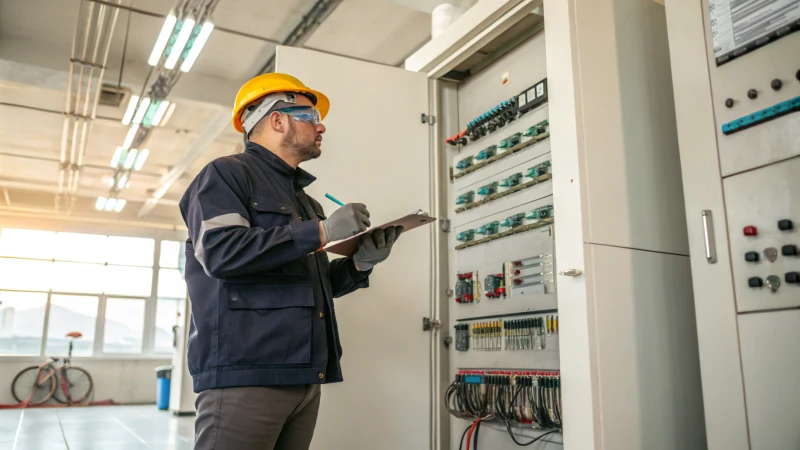
Understanding Grounding Rules for Electrical Safety
At first, I found electrical grounding rules confusing. But soon, I saw they keep us safe, like a security blanket, avoiding dangers. Grounding means more than joining wires; it creates a safe place by following the National Electrical Code (NEC)8. In busy factories or quiet offices, these rules help everything work well without surprises.
Important Grounding Needs for LED Lights
I recall installing LED lights for a big job the first time. The need for good grounding was taught to me early. LED lights, just like any other equipment, need grounding to stop faults and last longer. The NFPA standards9 offer good advice to install these lights safely.
| Component | Requirement |
|---|---|
| LED Lights | Connect to building's grounding system |
| Ground Conductors | Must be of adequate size and material |
Step-by-Step Guide for Safe Installation
Each time I begin work, I follow a planned list, like pilots do before flying:
- Inspect the Area: Look for dry and clean workspaces - no one wants water around when working.
- Select Proper Materials: Picking the right size wires is a must.
- Follow Manufacturer Instructions: I always keep these directions nearby, especially for special LED lights.
- Test Connections: Checking the link between light and ground is essential.
- Final Inspection: I double-check all connections before leaving.
Following these steps helps avoid problems in installations.
Michael Lee, who often buys lighting from other countries, checks local rules. Working with smart suppliers helps meet global standards. This is very important.
The NEC is mandatory for grounding LED fixtures.True
The NEC provides essential guidelines ensuring safety in electrical installations.
LED fixtures do not require grounding in commercial settings.False
LED fixtures must be grounded to prevent faults and ensure safety.
Besen led is a leader of Ground light manufacturer
At Besenled, we specialize in delivering top-tier LED lighting solutions, including LED strip lights, linear lights, neon lights, and innovative mosquito killer lights. With our cutting-edge factory featuring 5 advanced production lines, we ensure high-quality products tailored to meet your unique needs.
As a trusted B2B wholesale supplier, we proudly serve clients across Central Asia, North America, South America, Europe, and beyond. Our dedication to custom design, quality assurance, and brand identity makes us the go-to partner for large corporate buyers, construction firms, and LED distributors.


With Besenled, you’re not just getting superior lighting products—you’re gaining a reliable partner that values efficiency, transparency, and customer satisfaction.
Ready to transform your lighting projects?
Click Here Today! To discover how Besenled can illuminate your busines success!
Conclusion
Grounding LED light fixtures is crucial for safety, preventing electrical shocks and fires while ensuring compliance with local regulations. Proper installation enhances durability and protects investments.
This link explains the dangers of ungrounded LED lights, helping you understand safety implications. ↩
Learn how to properly ground LED fixtures to avoid electrical hazards. ↩
Explore this link to understand specific local regulations you must follow when grounding fixtures, ensuring compliance and safety. ↩
Gain in-depth knowledge through tutorials that offer detailed steps and visuals for grounding LED fixtures. ↩
Find a comprehensive list of recommended tools for safely installing a home safe, ensuring all necessary equipment is available. ↩
Discover how environmental factors like humidity can affect metal safes and how to mitigate these issues. ↩
Explore typical errors made during safe installation and how to avoid them for a more secure setup. ↩
Explore NEC guidelines for comprehensive grounding requirements to ensure electrical safety and compliance. ↩
Discover NFPA standards to implement safe grounding practices in electrical installations. ↩