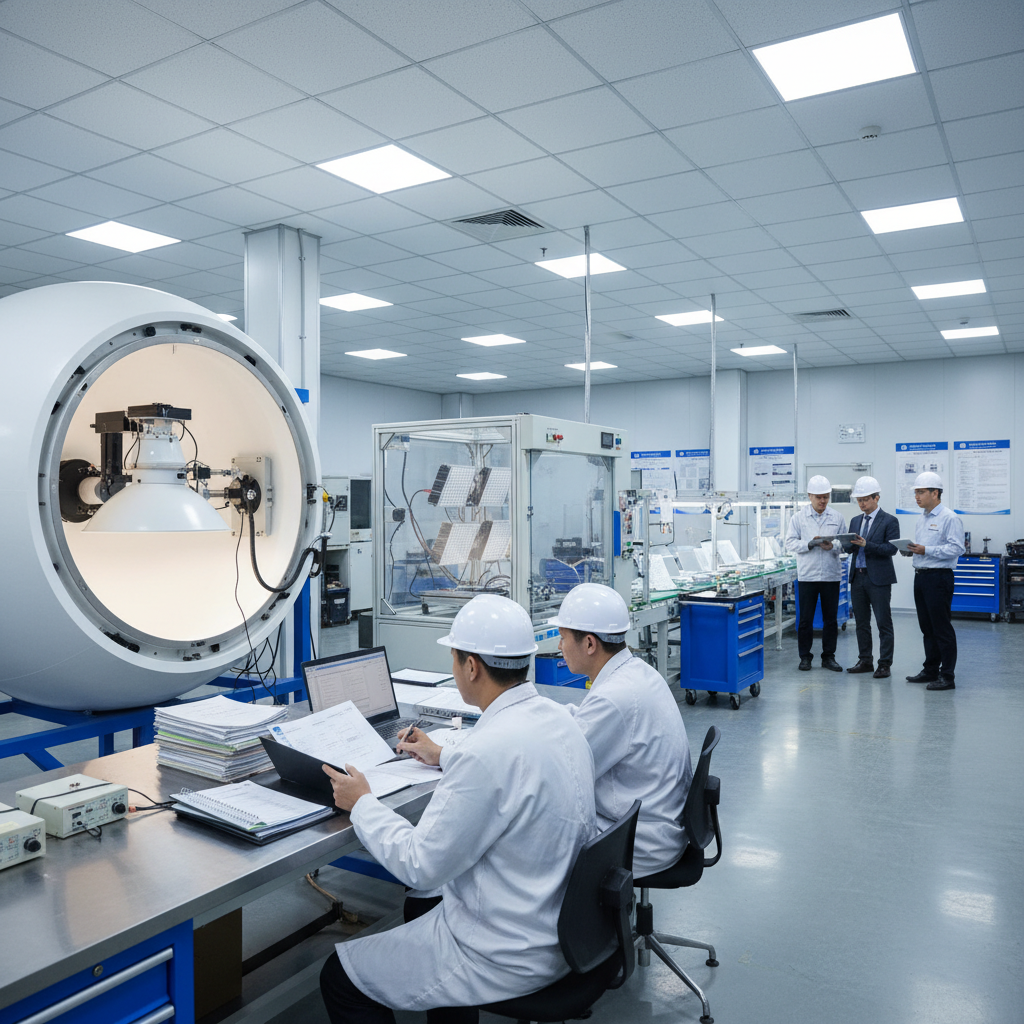

Power converters are the unsung heroes of LED street lights, transforming how cities light up the night. But what exactly do they do?
In LED street lights, the power converter functions to convert AC to DC power, regulate voltage and current, and boost efficiency. It ensures consistent power supply, provides Power Factor Correction (PFC), and protects LEDs from overcurrent and overvoltage. High-efficiency converters reduce energy consumption and increase the lifespan of the lighting system.
I remember walking through a city park one night, marveling at how seamlessly the LED lights illuminated the pathways, creating an almost magical atmosphere. It got me thinking about the technology behind those lights. At the heart of it all are power converters, vital components that ensure everything runs smoothly and efficiently.
Power converters do more than just switch current types. They're like vigilant guardians, regulating voltage and current to protect the delicate LEDs from harm. I learned that choosing the right power converter is crucial, especially for large-scale projects. After all, nobody wants flickering lights or wasted energy when trying to illuminate a community space beautifully and sustainably.
Power converters convert AC to DC in LED street lights.True
Power converters change AC from the grid to DC for LED operation.
Power converters increase energy wastage in LED street lights.False
They enhance efficiency, reducing energy wastage in LED systems.
How Does AC to DC Conversion Work in LED Lighting?
Ever wondered why your LED lights shine so brightly? It all starts with converting AC power into the DC power LEDs crave.
AC to DC conversion in LED lighting involves a driver or power supply that transforms alternating current into direct current. This conversion is vital because LEDs require DC power to function, ensuring stable and efficient lighting.

The Role of Drivers in AC to DC Conversion
I remember the first time I tried installing LED lights in my home office, and how crucial it was to choose the right driver. These drivers work behind the scenes, transforming AC power from the grid into the steady DC power LEDs need. They regulate voltage and current1, which keeps the lights glowing without any pesky flickering or damage.
Efficiency Considerations
On one project, I learned just how important efficiency is when we upgraded an entire building with LED lighting. Modern drivers are incredibly efficient—think above 85%—which means they waste very little energy. This not only saved us on electricity bills but also made us feel good about reducing our carbon footprint. High-efficiency drivers can make a big difference, especially in larger installations2.
| Parameter | Typical Value | Impact |
|---|---|---|
| Efficiency | >85% | Energy saving |
Power Factor Correction (PFC)
One nifty feature I always look for is Power Factor Correction. It's like ensuring your car engine runs smoothly without wasting fuel. A high power factor minimizes energy loss, improving system efficiency. In one particularly challenging project, using drivers with active PFC made a noticeable difference in energy savings3.
Protection Mechanisms
Safety first, right? That's why I never compromise on drivers with robust protection mechanisms. Whether it's overcurrent or overvoltage, these protections keep your LEDs safe and sound, even in harsh conditions. This kind of reliability is essential, especially when you're working on demanding projects.
Practical Applications
Every time I work on an LED installation, understanding AC to DC conversion is key. It's not just about making the lights work; it's about making them last and perform at their best. By knowing what features to look for in drivers, like efficiency and protection, you can ensure your project shines just right. This knowledge has been invaluable in selecting components that meet every project's unique needs4.
LED drivers achieve above 85% efficiency.True
Modern LED drivers are designed to be highly efficient, often exceeding 85%.
Power Factor Correction reduces energy loss.True
High power factor ensures electrical load matches actual power used, reducing loss.
Why is Voltage and Current Regulation Important for LEDs?
Ever wonder why your LED lights seem to last forever? It’s all about the perfect balance of voltage and current.
Voltage and current regulation in LEDs is essential to prevent damage, ensuring optimal performance and longevity by maintaining a steady electrical supply. This regulation minimizes the risk of overheating, enhances efficiency, and extends the lifespan of LEDs.
Understanding LED Electrical Requirements
I remember when I first dived into the world of LED lighting; it was like discovering a new language. LEDs, unlike their traditional counterparts, need a consistent Direct Current (DC)5 power source. This consistency in power is crucial—it ensures that the LED maintains a uniform light output without flickering or dimming unexpectedly. Think of it like keeping a steady beat while drumming; any disruption throws off the whole rhythm.
Risks of Poor Regulation
Picture this: you just installed a beautiful set of LEDs in your living room. Everything looks perfect until one day, they start flickering or burn out prematurely. That’s often due to poor voltage and current regulation. Without it, LEDs can overheat or fail sooner than expected. It's like driving your car with the pedal to the metal all the time—eventually, something's going to give.
The Role of LED Drivers
A few years back, I helped a friend set up lighting for his new restaurant. We quickly learned that LED drivers are the unsung heroes behind every glowing bulb. These devices convert AC to DC power while regulating the voltage and current. They even have built-in mechanisms to shield against power fluctuations.
| Feature | Benefit |
|---|---|
| Current Limiting | Prevents overheating |
| Voltage Regulation | Ensures consistent brightness |
| Overcurrent Protection | Extends LED lifespan |
| Active PFC | Improves energy efficiency |
A quality driver ensures your LEDs shine brightly without guzzling energy.
Practical Applications in Lighting Systems
In my work with commercial lighting systems, I’ve seen how crucial it is to select high-efficiency drivers6. High-efficiency drivers aren't just about saving power—they enhance overall performance, making sure that every nook and cranny is lit perfectly. Plus, with smart controls, lighting adapts effortlessly to environmental changes, just like how I adjust my thermostat when it gets too chilly.
Importance of Quality Components
When working on large-scale projects like street lighting, investing in high-quality components is non-negotiable. I’ve learned this firsthand while sourcing materials for outdoor applications where conditions can be harsh. Quality components with features like temperature control and moisture resistance aren’t just nice to have—they're essential. It’s a bit like buying a durable raincoat; you want something that won’t let you down when the weather turns.
LEDs require DC power for optimal performance.True
LEDs operate best with Direct Current (DC) to ensure consistent light output.
Overdriving LEDs increases their lifespan.False
Overdriving LEDs causes overheating, reducing their lifespan significantly.
What Efficiency Gains Do Modern Power Converters Offer?
Ever wondered how modern power converters are reshaping the world of energy?
Modern power converters boost efficiency by cutting down energy loss, improving power factor correction, and integrating advanced protection features, optimizing power conversion across various applications.

Energy Loss Reduction
Let me take you back to a moment when I first realized the magic of modern power converters. I was at a friend’s solar farm, staring at this sleek piece of tech that seemed to hum with potential. He told me that these converters cut down energy loss like nothing else out there. Compared to the older models that wasted energy like an overflowing faucet, these new ones managed to keep the flow just right—achieving efficiencies above 85%. Think about that: all that saved energy could light up entire towns!
Imagine using a high-efficiency converter in solar panel systems7. It minimizes loss during the DC to AC conversion, maximizing the solar panels' potential. LED lighting systems benefit similarly with efficient AC to DC conversion, reducing electricity consumption.
Enhanced Power Factor Correction
Now, let's chat about Power Factor Correction (PFC). It's not just tech talk; it's a lifesaver in power management. I remember discussing this with a project manager who was excited about how PFC ensures power efficiency, reducing reactive power and lowering operational costs. She described it as ensuring the lights in a stadium stay bright without guzzling extra energy.
| Feature | Benefit |
|---|---|
| Active Power Factor Correction | Improved compliance with energy standards |
| Lower Reactive Power | Reduced operational costs |
Take industrial lighting solutions8, for example. With PFC, they not only meet strict energy regulations but also enhance system reliability and lifespan.
Advanced Protection Features
Finally, let's talk about protection. Imagine your computer server is like a prized racehorse; it needs the best care to perform its best. That's what modern power converters offer—sophisticated protection against overcurrent and overvoltage.
In smart grid applications, these converters maintain stability and reduce maintenance costs even under tough conditions. Picture them as the unsung heroes in our battle for sustainable energy solutions. By integrating these advanced converters into existing systems, immediate performance improvements and long-term economic benefits aren't just possible—they're happening right now.
Modern converters achieve over 85% efficiency.True
Advanced materials and designs enable converters to surpass 85% efficiency.
Power factor correction reduces energy waste by 50%.False
PFC optimizes power supply but doesn't specifically reduce waste by 50%.
How Do Power Converters Ensure Safety with PFC and Protection Features?
Ever wondered how power converters act as guardians for our electrical devices?
Power converters ensure safety by employing Power Factor Correction (PFC) to boost power efficiency while integrating overcurrent, overvoltage, and thermal protection to prevent damage and maintain smooth operation.

I remember the first time I dealt with a power converter—it was like trying to understand a new language. But once I got the hang of it, the importance of PFC and protection features became crystal clear.
Power Factor Correction (PFC)
When I first learned about Power Factor Correction, it was like discovering a hidden efficiency booster for power systems. By harmonizing voltage and current waveforms, PFC minimizes reactive power, ramping up overall efficiency.
- Active PFC: Think of this as the tech-savvy option, using electronic circuits to adjust the power factor close to 1. It's the more effective choice but comes with a higher price tag.
- Passive PFC: More of the budget-friendly cousin, relying on inductors or capacitors for correction—less precise but easier on the wallet.
Choosing between active and passive PFC9 often feels like picking between a luxury sedan and a reliable compact car; it boils down to cost versus precision.
Overcurrent Protection
I once had a circuit board fry from an unexpected current surge—it was an expensive lesson in the importance of overcurrent protection. This feature detects when current exceeds safe limits, then cuts off the supply or redirects it to prevent damage.
Methods of Overcurrent Protection
| Method | Description |
|---|---|
| Fuses | Simple devices that melt under excess current. |
| Circuit Breakers | Automatically interrupt excessive current flow. |
Overvoltage Protection
Voltage spikes are like sudden storms—unpredictable and potentially damaging. Thankfully, overvoltage protection uses components such as:
- Metal Oxide Varistors (MOVs): Like umbrellas for electronics, diverting excess voltage away from sensitive areas.
- Transient Voltage Suppressors (TVS): Act as shields, clamping voltage spikes to safe levels.
Keep these options in mind when exploring overvoltage protection solutions10.
Thermal Protection
In high-power applications, heat is the silent enemy. I’ve seen projects where inadequate thermal protection led to overheating and failure. This feature ensures devices don't exceed temperature limits, protecting them from damage.
Common Techniques
- Thermal Cutoffs: These are like emergency brakes, halting operations if temperatures soar beyond safe points.
- Temperature Sensors: They keep a watchful eye on heat levels, ensuring everything stays within safe boundaries.
Integrating PFC and Protection Features
Blending PFC with protection features in power converters is a balancing act of efficiency, cost, and reliability. When I work on projects, examining converter topologies11 offers invaluable insights into crafting effective design strategies tailored for specific needs. Each step is a learning curve, but the rewards—safety and efficiency—are worth every moment spent understanding these vital components.
Active PFC is more costly than passive PFC.True
Active PFC uses electronic circuits, making it more effective but expensive.
Fuses are used for overvoltage protection.False
Fuses are used for overcurrent protection, not overvoltage.
Conclusion
Power converters in LED street lights convert AC to DC, regulate voltage and current, enhance efficiency, and provide protection against overcurrent and overvoltage for optimal LED performance.
Learn about how voltage regulation prevents LED damage by maintaining consistent power supply. ↩
Discover the impact of efficient drivers on energy savings in large-scale LED projects. ↩
Understand how active PFC improves system efficiency and reduces power loss. ↩
Find guidance on selecting LED drivers that meet specific project needs and conditions. ↩
Understanding why LEDs need DC power helps you grasp their electrical requirements and the importance of proper regulation. ↩
Exploring high-efficiency drivers aids in selecting components that save energy and improve lighting system performance. ↩
Explore how high-efficiency converters enhance solar panel performance by reducing energy loss during conversion. ↩
Understand how PFC enhances industrial lighting systems' efficiency and compliance with energy standards. ↩
Learn about the pros and cons of active vs. passive PFC to choose the best option for your project. ↩
Explore various overvoltage protection strategies to protect your devices from electrical surges. ↩
Discover how different converter topologies impact PFC effectiveness and protection features. ↩