
Lighting is like the secret sauce that can transform any space from ordinary to extraordinary. When you get it right, it feels like magic.
A lighting layout is a strategic plan for placing lights in a space to balance functionality, energy efficiency, and aesthetics. Key components include ambient, task, and accent lighting, with careful consideration of room size and use. Use energy-efficient LEDs, smart controls, and proper fixture placement to create a comfortable, well-lit environment.
When I first tackled designing a lighting layout, I felt like an artist choosing the right colors for a masterpiece. I quickly learned that it's not just about picking fancy fixtures; it’s about understanding how they work together. Consider where to place each light for maximum impact, how to save energy without losing ambiance, and making sure everything looks good. Dive deeper into these elements, and you'll create a lighting plan that not only lights up your room but also lights up your life.
Task lighting is only for decorative purposes.False
Task lighting is designed for specific activities, not just decoration.
Ambient lighting provides general room illumination.True
Ambient lighting ensures overall light coverage for the entire room.
What Are the Key Components of a Lighting Layout?
I remember the first time I tried to set up my living room lighting—it was a mess of shadows and glare. But learning the key components of a lighting layout changed everything.
The key components of a lighting layout are ambient, task, and accent lighting, along with strategic fixture placement, energy efficiency, and safety measures. These elements create a well-balanced and functional lighting environment.

Understanding the Different Types of Lighting
I’ve learned that crafting the perfect lighting in any space is a bit like painting a picture. You need the right balance of ambient1, task, and accent lighting to bring everything to life. Ambient lighting is your base coat—it sets the overall tone and is typically delivered through ceiling fixtures or recessed lights2. Think about it as setting the stage for everything else. Task lighting is the spotlight on your work, helping you focus when you’re chopping vegetables or reading reports at your desk. Then there's accent lighting, which acts like the finishing touch, highlighting that piece of art or the architectural details you love.
Analyzing Room Dimensions and Usage
The size and shape of a room can totally change how you approach lighting. When I tackled my open-plan kitchen and living area, I realized that a mix of overhead and wall-mounted fixtures worked wonders to chase away those annoying shadows. It’s all about directing light where it’s needed most, like having task lights over kitchen counters or illuminating a cozy reading nook.
| Room Type | Suggested Lighting |
|---|---|
| Kitchen | Task lights over counters |
| Living Room | Ambient and accent lights |
| Office | Focused task lighting |
Prioritizing Energy Efficiency
I’m always looking to make smart choices, and using LED technology was a no-brainer for my energy-efficient plans. Not only do they last longer, but they're also much friendlier on my wallet in the long run. Adding dimmers and sensors transformed my space into an energy-smart haven, allowing me to adjust settings remotely and ensure lights are used only when necessary.
Layering Lighting for Effect
Layering different types of lighting was like discovering the secret ingredient to a balanced atmosphere in my home. Dimmable recessed lights became my go-to for ambient lighting, while pendant lights brought focus to specific areas like my kitchen island. And those LED strips? Perfect for adding a bit of decorative flair that catches everyone’s eye.
Safety and Aesthetic Considerations
Proper placement was key to blending safety with aesthetics. I quickly learned not to place ceiling lights where they could glare directly into eyes or close to walkways. The style of fixtures also mattered—choosing ones that complemented my room's decor made a huge difference. In my office, bright task lights helped me stay focused, while softer lights in the living room created a cozy atmosphere.
Fixture Placement Strategy
Strategically placing fixtures became an art form to me. It's about preventing harsh shadows or overexposure by directing light just right. Proper placement not only boosts functionality but also enhances aesthetic appeal, making every room feel just right.
Ambient lighting sets the mood in a room.True
Ambient lighting provides overall illumination and influences the room's atmosphere.
Task lighting is unnecessary in kitchens.False
Task lighting is essential for visibility on work surfaces like countertops.
How Can Room Dimensions Influence Your Lighting Plan?
Imagine trying to read a book in a dimly lit room or feeling the harsh glare of too-bright lights in a cozy space. Room dimensions can completely transform your lighting experience.
Room dimensions significantly influence your lighting plan by dictating where fixtures should be placed, how intense the light needs to be, and how shadows are managed. A well-thought-out design considers these factors to ensure balanced lighting that enhances both the room's functionality and ambiance.
Understanding the Impact of Room Dimensions
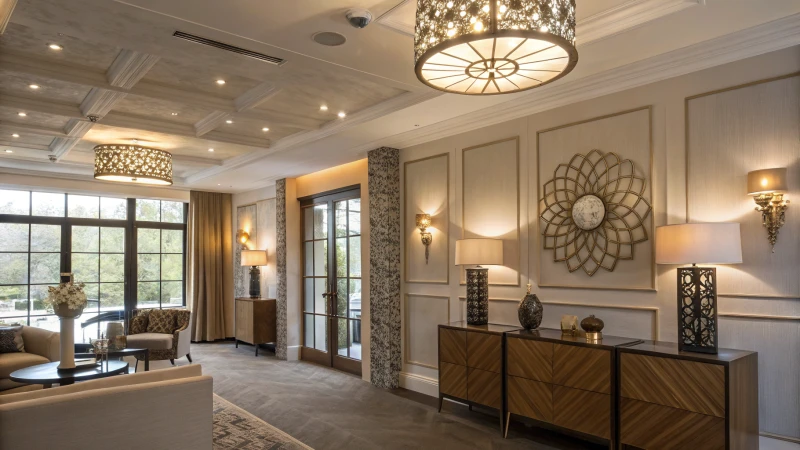
I remember the time I decided to revamp my living room. The space felt cavernous with its high ceilings and expansive floor plan. My first attempt at lighting it with just a central chandelier left me with dark corners and an uneven glow. That's when I realized the importance of understanding room dimensions. For larger spaces, combining ceiling fixtures with wall-mounted lighting3 helps in achieving an even light distribution, avoiding those pesky shadows that can make a room feel smaller or less inviting.
Calculating Light Requirements
To determine how much light is needed in a room, you can use a simple formula: Room Area (in square feet) x Lumens per Square Foot = Total Lumens Required. This calculation helps ensure that each area receives the appropriate amount of light, preventing both underlit and overlit scenarios.
| Room Type | Recommended Lumens per Sq Ft |
|---|---|
| Living Room | 10-20 |
| Kitchen | 30-40 |
| Bedroom | 10-20 |
| Office | 40-50 |
When I tackled my 200 sq ft kitchen, aiming for 6000-8000 lumens was the sweet spot for functionality and comfort.
Adapting to Different Room Shapes
In my experience, rectangular rooms thrive on layered lighting, which includes ambient and task-specific fixtures4. This approach ensures every nook has its purpose lit perfectly. But when dealing with circular or irregularly shaped spaces, creativity is key—pendant lights can focus attention where needed, and recessed lighting offers subtlety without overwhelming the room.
Shadow Management
Shadows were initially a challenge in my space, especially with high ceilings. By incorporating uplighting, I reduced shadows created by furniture. Placing lights at varying heights also helped soften harsh shadows, making the room feel more welcoming and cozy.
Using Technology for Precision
I also explored smart lighting systems to gain better control over light levels throughout the day. Smart dimmers5 became my best friend, allowing me to adjust brightness seamlessly, ensuring that my space was always perfectly lit for any occasion.
By taking into account these factors, I was able to craft a lighting plan that not only harmonized with my room's dimensions but also enhanced its overall aesthetic appeal and functionality.
Larger rooms require only one overhead light.False
Larger rooms often need multiple fixtures for even light distribution.
Smart lighting systems enhance room functionality.True
Smart systems adjust brightness and control light levels for activities.
Why is energy efficiency important in lighting design?
Remember the last time you switched to LED bulbs and saw your electricity bill drop? That’s just one reason why energy efficiency in lighting design is crucial!
Energy efficiency in lighting design is crucial because it reduces electricity consumption, lowers bills, and cuts down on environmental harm. By incorporating technologies like LEDs, you can dramatically decrease energy usage without sacrificing lighting quality.
%[Modern office interior with large windows and greenery]
The Benefits of Energy Efficiency in Lighting Design
Let me take you back to when I decided to swap out all the incandescent bulbs in my home for LEDs. At first, the higher upfront cost gave me pause, but after a month, the change in my electricity bill was undeniable. Energy-efficient lighting designs can lead to significant savings for both homes and businesses. LED bulbs, for instance, use up to 75% less energy than their incandescent counterparts, making them a game-changer in reducing monthly expenses.
Environmental Impact
Switching to energy-efficient lighting is like giving Mother Earth a helping hand. Traditional lighting methods rely heavily on fossil fuels, pumping carbon dioxide into the atmosphere. I remember reading about how much this impacts climate change and feeling compelled to do my part. By choosing energy-efficient options, you not only lower your electricity demands but also contribute to reducing greenhouse gas emissions6.
Enhanced Lighting Quality
The benefits of efficient lighting go beyond just cost and environmental impact—they improve the quality of light in our spaces. Efficient lighting options like LEDs often have superior color rendering and provide consistent illumination. This is especially important in places like art studios or retail settings, where true-to-life colors are essential.
| Lighting Type | Energy Consumption | Lifespan | Cost Savings |
|---|---|---|---|
| Incandescent | High | Low | Minimal |
| CFL | Moderate | Medium | Moderate |
| LED | Low | High | Significant |
Smart Control Systems
Imagine a world where your lights adjust automatically based on your schedule. Integrating smart controls into your lighting design can make this a reality, optimizing energy use with dimmers, motion sensors, and timers. These smart technologies7 ensure lights are only on when needed, cutting down on waste.
Cost Implications
The initial investment for energy-efficient lighting might be steeper compared to traditional systems, but the long-term benefits are worth it. I’ve seen firsthand how the savings on energy bills and reduced maintenance costs due to longer-lasting bulbs can offset these upfront costs. Plus, many areas offer rebates or incentives for upgrading to energy-efficient systems, making the transition even more financially appealing.
Importance in Commercial Spaces
For businesses, energy efficiency is not just a buzzword—it's a necessity. Companies operating with slim profit margins can benefit greatly from reduced overheads thanks to efficient lighting. It also helps businesses meet sustainability goals, which is increasingly important to eco-conscious consumers8. Incorporating energy-efficient lighting solutions can enhance a brand’s reputation and appeal to today’s environmentally aware market.
LED lights consume 75% less energy than incandescent bulbs.True
LEDs are known to be more energy-efficient, consuming significantly less power.
Smart lighting controls increase energy consumption in homes.False
Smart controls reduce energy use by optimizing light usage based on need.
How Do You Layer Lighting for Maximum Effect?
Ever walked into a room and felt instantly at ease, without quite knowing why? Often, it’s all about the lighting. Let me guide you through the art of layering lighting to transform your home into a sanctuary.
Layering lighting is about blending ambient, task, and accent lighting to craft a space that's both functional and aesthetically pleasing. This technique not only brightens up a room but also enhances its overall ambiance.

Understanding the Basics of Lighting Layers
I've always believed that the right lighting can change everything about a room. It's like giving your space a personality of its own. Layered lighting involves three main components: ambient, task, and accent lighting. Each serves a unique purpose, and their combined use9 creates a dynamic atmosphere.
Ambient Lighting: Think of this as the room's foundation—it's the primary source of light. Whether it's a chandelier that throws beautiful patterns across the ceiling or recessed lights that add a modern touch, ambient lighting sets the stage.
Task Lighting: Imagine trying to read your favorite book in dim light. Task lighting focuses on specific areas to make activities like reading or cooking easier and more enjoyable. It’s your desk lamp or those handy under-cabinet lights in the kitchen.
Accent Lighting: This is where the magic happens. Accent lighting highlights special features like artwork or architectural details, adding depth and character. I love using spotlights or wall sconces for that extra flair.
Practical Application of Layered Lighting
When designing my own lighting layout, I always start by thinking about what I want each room to feel like. Here’s how I break it down:
| Room Type | Ambient Options | Task Suggestions | Accent Ideas |
|---|---|---|---|
| Living Room | Ceiling fixtures | Table lamps | LED strips |
| Kitchen | Recessed lights | Pendant lights | Cabinet lights |
| Bedroom | Floor lamps | Reading lights | Wall sconces |
Maximizing Energy Efficiency with LEDs
I can't stress enough how much LEDs have changed my approach to lighting. Not only are they energy-efficient, but they also last forever! Using dimmers and smart controls lets me tweak the mood at any time while keeping energy costs down.
- Smart Systems: With smart controls, I can automate my lighting to fit my lifestyle. Lights go off when I leave the room and come on when I walk in—it’s like living in the future!
Enhancing Aesthetics and Safety
Proper fixture placement is crucial for both aesthetics and safety. Avoid direct glare by positioning lights thoughtfully. For example, in workspaces, aim task lights at surfaces to reduce shadows.
- Design Harmony: Matching fixtures with your decor pulls everything together. In my modern living room, sleek fixtures add to the minimalist vibe.
To achieve maximum effect with layered lighting, balance is key. Each layer should complement the others, creating a seamless integration that enhances both form and function. Consider consulting professional guides or services to tailor solutions to your specific needs and preferences.
Ambient lighting is the primary light source in a room.True
Ambient lighting provides overall illumination using fixtures like chandeliers.
Accent lighting is used for general room illumination.False
Accent lighting highlights features, not for general illumination.
Conclusion
Creating an effective lighting layout involves blending ambient, task, and accent lighting while considering room dimensions, energy efficiency, and fixture placement for optimal functionality and aesthetics.
Explore various ambient lighting options to enhance overall room illumination. ↩
Learn about the benefits of using recessed lights for ambient illumination. ↩
Explore various wall-mounted lighting options for effective space illumination without cluttering surfaces. ↩
Discover examples of task-specific lighting fixtures that enhance workspace efficiency and focus. ↩
Learn about top-rated smart dimmers that can help customize lighting levels for any room configuration. ↩
Discover how switching to energy-efficient lighting options can significantly reduce carbon emissions and environmental impact. ↩
Explore how smart lighting control systems optimize energy use and enhance functionality. ↩
Learn how sustainability efforts, like energy efficiency, positively affect a company's public image. ↩
This link provides foundational knowledge about layering lighting techniques essential for creating balanced environments. ↩