
Picking the right lighting can change everything about your space, from the mood to how you use it.
Downlights are a general category of light fixtures that provide downward-facing light and can be surface-mounted or recessed, while recessed lights are a specific type of downlight installed within the ceiling. Recessed lights offer a sleek, hidden installation with diffuse light, while downlights can be more versatile in terms of lighting effects and installation.
Once upon a time, I found myself in a lighting store, staring at an array of fixtures. I was on a mission to brighten up my living room. The choice between downlights and recessed lights was overwhelming at first. Each has its unique charm—downlights can be bold or subtle depending on their placement, while recessed lights practically whisper elegance with their seamless integration into the ceiling.
I imagined how each light would cast its glow over my favorite reading nook or how it would highlight the art piece I picked up during a memorable vacation. It was clear that both types could transform a space, but they serve different purposes and styles. With downlights, you get flexibility—perfect for task or accent lighting. Recessed lights, on the other hand, create an ambient glow that's perfect for modern, minimalist designs.
Understanding these nuances helped me decide not just on aesthetics but also on how I wanted my spaces to function. Whether you're going for a cozy feel or aiming to impress with a sleek design, knowing what each type of lighting offers is key to making the right choice.
Downlights can only be surface-mounted.False
Downlights can be both surface-mounted and recessed, offering versatility.
Recessed lights are installed within the ceiling.True
Recessed lights are designed to be installed within the ceiling for a sleek look.
How Can Downlights Transform Your Space?
Imagine walking into a room and feeling instantly uplifted, all thanks to the perfect lighting. Downlights can transform any space into a beautifully lit haven.
Downlights enhance spaces by providing focused illumination for tasks, accentuating features, and creating ambient lighting. Their versatile design and installation options make them ideal for various architectural styles and purposes.

Understanding Downlight Types
When I first discovered the magic of downlights, it was like finding a secret weapon for interior design. There are two main types: recessed and surface-mounted. Recessed downlights1 are like the stealth ninjas of lighting—they hide within the ceiling, creating a sleek, minimalist look that I love for my modern spaces. It feels like the light is just part of the room's natural ambiance.
Then there are the surface-mounted downlights, which are more like the bold knights of lighting, sitting proudly on the ceiling. These are perfect for those rooms where ceiling depth is an issue. I remember my friend’s cozy den with its low ceiling—surface-mounted lights were a game-changer, adding both style and function without requiring extensive renovations.
| Type | Installation | Ideal For |
|---|---|---|
| Recessed | Inside ceiling cavity | Modern, minimalist spaces |
| Surface-mounted | On ceiling surface | Rooms with low ceilings |
Enhancing Aesthetics and Functionality
The strategic placement of downlights has always been my go-to trick for enhancing both aesthetics and functionality. Picture this: downlights perfectly aligned over your kitchen countertop or workspace, providing that crisp task lighting that makes meal prep or work so much easier. In my living room, I use accent lighting2 to spotlight a beloved piece of art, turning it into an instant focal point that guests always admire.
Beyond just highlighting key areas, downlights can also set the mood. I installed dimmable downlights in my bedroom, and it's incredible how adjusting the light intensity can change the room's entire vibe from energetic to relaxing with just a touch.
Energy Efficiency and Smart Integration
I’ve always been a fan of tech that makes life easier while saving money—and modern downlights fit the bill perfectly. With LED technology, these lights are energy-efficient champs, which means lower electricity bills and a smaller carbon footprint.
The real magic happens when you pair them with smart lighting controls3. Imagine adjusting brightness or setting schedules from your phone—it's like having your own lighting concierge! This setup not only adds convenience but also optimizes energy usage, ensuring lights are only on when needed. It's a little tweak that makes a big difference in creating a smart and sustainable home.
Recessed downlights are ideal for minimalist designs.True
Recessed downlights offer a seamless finish, perfect for modern, minimalist spaces.
Surface-mounted downlights need deep ceiling cavities.False
Surface-mounted downlights attach to the ceiling surface, suitable for low ceilings.
What Are the Installation Requirements for Recessed Lights?
Imagine the thrill of transforming your living space with recessed lights, creating a sleek and modern vibe. But before you dive in, let's unravel the essentials for a safe and successful installation.
To install recessed lights, you'll need enough ceiling space, the right fixtures, basic wiring skills, and compliance with local electrical codes. Consider your room's dimensions and lighting layout for the best results.

Understanding Ceiling Space and Fixture Compatibility
The first time I decided to install recessed lights, I was both excited and a little overwhelmed. I remember standing in my living room, looking up at the ceiling, and wondering if there was enough space. Recessed lights need a cavity depth of 4-6 inches, so it's crucial to check for any obstructions like joists or ductwork. Imagine trying to squeeze a fixture into a space that's just too tight—it’s like trying to fit into your favorite pair of jeans after the holidays!
Wiring and Electrical Code Compliance
Wiring might sound intimidating, but trust me, it's all about safety and getting it right. You need the correct wire gauge and connectors, and following local electrical codes is a must. I once thought I could skip this step until a friend shared a cautionary tale about an electrical mishap. That story was enough to keep me on the straight and narrow—no shortcuts here! You might need specific junction boxes4 or fixtures rated for insulation contact.
Determining Lighting Layout
Mapping out where your lights should go is like planning a road trip: you want to hit all the best spots! A rule of thumb is spacing them 4-6 feet apart. I found that using a lighting plan helped me visualize everything perfectly. Here's a quick guide to help:
| Room Size (sq ft) | Number of Lights |
|---|---|
| Up to 50 | 2-3 |
| 50-100 | 3-5 |
| 100-200 | 5-7 |
Selecting the Right Fixtures
Choosing fixtures that fit your ceiling type and match your home's style is key. When we remodeled our house, selecting IC-rated fixtures was important because of the insulation above our ceilings. It felt good knowing we were preventing any overheating issues while maintaining a chic look.
Tools and Materials Needed
I can't stress enough how important it is to have all your tools ready before you start. During my first installation, I forgot a voltage tester—it felt like forgetting my wallet at home! Here's what you'll need: a hole saw, wire cutters, screwdriver, voltage tester, and measuring tape. Don’t forget fixtures, wires, and fasteners.
For more insights on selecting tools and ensuring safety, consider checking out a home improvement guide5. It’s like having a mentor by your side, guiding you through every step.
Recessed lights need 4-6 inches of ceiling depth.True
Recessed lights typically require a cavity depth of 4-6 inches to fit properly.
IC-rated fixtures are not necessary for insulated ceilings.False
IC-rated fixtures are essential for insulated ceilings to prevent overheating.
Which Lighting Style Suits Modern Interiors Best?
When I first started redesigning my space, I realized how crucial lighting is to set the mood and define the style. Let's dive into the best lighting styles for modern interiors.
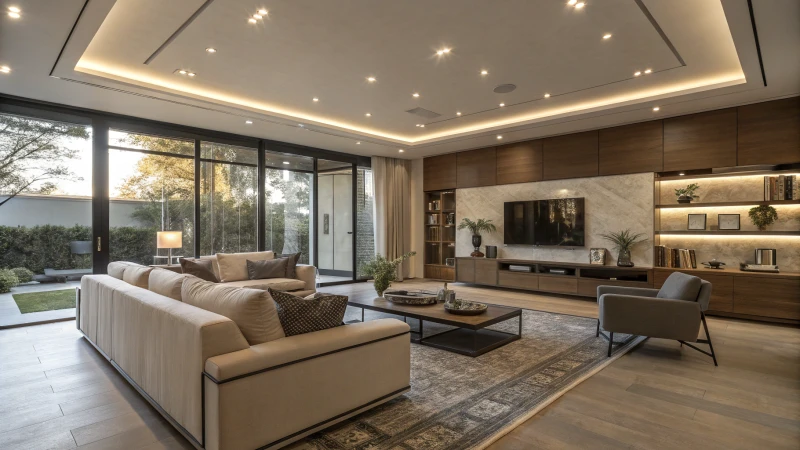
Recessed lighting is perfect for modern interiors due to its sleek, minimalist design and versatile functionality. It blends seamlessly with ceilings, offering ambient, accent, or task lighting without cluttering the space.
Understanding Recessed Lighting
I remember the first time I installed recessed lighting in my home—it was like a revelation. These can lights6, as they're often called, are tucked neatly into the ceiling, giving my rooms a clean, unobtrusive glow. They’re perfect for anyone looking to maintain a streamlined aesthetic.
| Feature | Recessed Lighting Benefits |
|---|---|
| Appearance | Sleek and minimalist |
| Functionality | Versatile – ambient, task |
| Space-saving | No protrusion from ceiling |
Design Flexibility
The beauty of recessed lighting lies in its flexibility. Whether I needed to highlight a piece of art or provide general illumination, these lights offered the perfect solution. I could customize their placement for any room, making them as adaptable as I needed.
LED Strip Lighting
I've also played around with LED strip lighting—it’s incredible! These strips can be cleverly hidden under cabinets or along walls, providing a soft, indirect light that’s both energy-efficient and customizable. And let me tell you, nothing beats setting the mood with just a tap on your phone.
- Application Examples:
- Under-cabinet lighting in kitchens
- Backlighting for entertainment units
- Cove lighting in ceilings for a soft glow
Pendant Lighting
If you're looking for something with a bit more flair, pendant lights are the way to go. They're like the statement jewelry of a room—eye-catching and functional. When I chose geometric pendants for my kitchen, they not only lit up the space but also sparked endless compliments.
- Ideal Spaces:
- Above dining tables
- In entryways or foyers
- Over kitchen islands
Balancing aesthetics and practicality is key when choosing the right lighting style. Each option offers unique benefits that can truly transform your space when thoughtfully applied. Explore various lighting options7 to find what fits your style best.
Recessed lighting is space-saving.True
Recessed lighting fits into the ceiling, eliminating protrusions.
Pendant lights are ideal for under-cabinet lighting.False
Pendant lights hang from the ceiling, not suitable for cabinets.
How Do Downlights and Recessed Lights Impact Energy Efficiency?
Have you ever wondered how your choice of lighting affects your energy bill?
Downlights and recessed lights boost energy efficiency primarily through LED technology and optimal light distribution. Their design minimizes light wastage, and dimming features further cut down energy use.
Understanding the Basics of Downlights and Recessed Lights
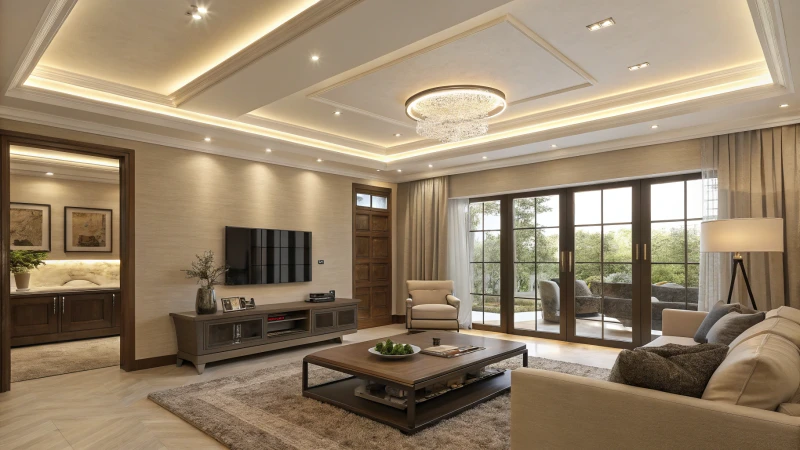
I remember the first time I installed downlights in my home—what a transformation! Not only did they brighten up my space with a sleek, modern feel, but they also made me curious about how such fixtures contribute to energy efficiency. So, here's what I've learned: Downlights project light downward, offering flexibility as either surface-mounted or recessed. On the other hand, recessed lights8 are always tucked into the ceiling, perfect for a seamless look. Both are a hit in modern architecture, giving us the best of both worlds—style and practicality.
The Role of LED Technology
It's hard to overstate the impact of LED technology on energy consumption. I switched to LEDs a while back, and it's been a game-changer—not just in reducing my electricity bills but also in minimizing maintenance hassles. LEDs in downlights and recessed lights use a fraction of the power needed for traditional bulbs. They last longer too, which means fewer trips to the store for replacements.
| Type of Lighting | Energy Consumption | Lifespan |
|---|---|---|
| Incandescent | High | 1,000 hours |
| CFL | Moderate | 8,000 hours |
| LED | Low | 25,000 hours |
Light Distribution and Design Efficiency
One of the perks of these fixtures is how they distribute light precisely where needed. This precision not only enhances the ambiance but also ensures we're not wasting energy lighting up empty corners. It reminds me of that time I realized I didn't need as many fixtures as I'd thought—thanks to this efficient design! Plus, the dimming capabilities add another layer of control, allowing us to adjust brightness and save even more on energy costs.
Installation and Insulation Considerations
I've learned the hard way that proper installation is crucial for getting the most out of these lights. When installing recessed lights, cutting into the ceiling can mess with insulation if not done right. Making sure everything is sealed properly prevents air leaks, which keeps our heating and cooling systems from working overtime. Some models offer airtight designs9 that address this issue perfectly.
Smart Lighting Controls
Integrating smart controls with downlights and recessed lights is like having an extra pair of eyes on your energy usage. With features like motion sensors and timers, I can have my lights turn off automatically when no one's around—a small tweak that makes a big difference in energy savings.
In summary, downlights and recessed lights aren't just about looks; they're about making smart choices that can significantly impact energy efficiency. By opting for LED technology and incorporating smart controls, we can enjoy both the aesthetic and practical benefits while being kind to our wallets and the planet.
LED downlights consume less energy than incandescent bulbs.True
LEDs are more energy-efficient, using significantly less power than incandescent bulbs.
Recessed lights always require ceiling insulation adjustments.True
Cutting into ceilings for recessed lights can impact insulation, needing adjustments.
Conclusion
Downlights offer versatile lighting options, while recessed lights provide a sleek, minimalist aesthetic. Understanding their differences helps in making informed choices for enhancing space functionality and design.
Learn about recessed downlights' unique design and how they blend seamlessly with ceilings for a modern look. ↩
Discover ways to use accent lighting to highlight specific areas and features in your space. ↩
Explore how smart controls can enhance convenience and energy efficiency in your lighting setup. ↩
Explains the role of junction boxes in safely housing electrical connections for recessed lights. ↩
Offers insights into essential tools for recessed lighting installation, aiding in preparation. ↩
Discover why can lights, or recessed lights, are favored for their minimalist appeal and versatile functionality in modern interiors. ↩
Explore a variety of lighting styles that enhance modern interiors with unique characteristics and practical benefits. ↩
Discover how recessed lighting's sleek design contributes to both aesthetic and functional benefits. ↩
Learn how airtight designs prevent air leakage, maintaining room insulation and enhancing energy efficiency. ↩