
Have you ever walked into a room and felt instantly at ease or energized, all because of the lighting?
Direct lighting illuminates a space by shining light directly onto surfaces, while indirect lighting bounces light off surfaces to create a softer, diffused effect. Choosing between direct and indirect lighting depends on your desired lighting effect, functionality, and the space's layout. For focused tasks, direct lighting is best, while indirect lighting offers a more ambient, less harsh illumination ideal for comfort and aesthetics.
I remember when I first tackled a home office makeover. The decision between direct and indirect lighting seemed daunting. On one hand, direct lighting offered that sharp, focused beam I needed for late-night brainstorming sessions. Yet, when it came to winding down with a book, the soft, warm embrace of indirect lighting was unbeatable. Balancing these choices was like crafting the perfect playlist—each light had its moment to shine.
Understanding these nuances can transform your spaces. While direct lighting is great for clarity and precision, ideal in kitchens or work areas, indirect lighting whispers comfort and ease. Think about your space’s purpose and how you want it to feel. This thoughtful approach will ensure your rooms are not only functional but also warmly inviting.
Direct lighting is best for creating a relaxed atmosphere.False
Direct lighting focuses light, making it unsuitable for relaxation.
Indirect lighting offers softer, diffused illumination.True
Indirect lighting spreads light evenly, creating a soft ambiance.
Why Choose Direct Lighting?
There's something magical about the way direct lighting can completely change the vibe of a space. Let's dive into the benefits and see why it might just be the perfect fit for your needs.
Direct lighting is all about precision. It enhances visibility, reduces eye strain, and boosts productivity, making it a top choice for focused tasks in spaces like kitchens and offices.
Enhanced Visibility and Focus
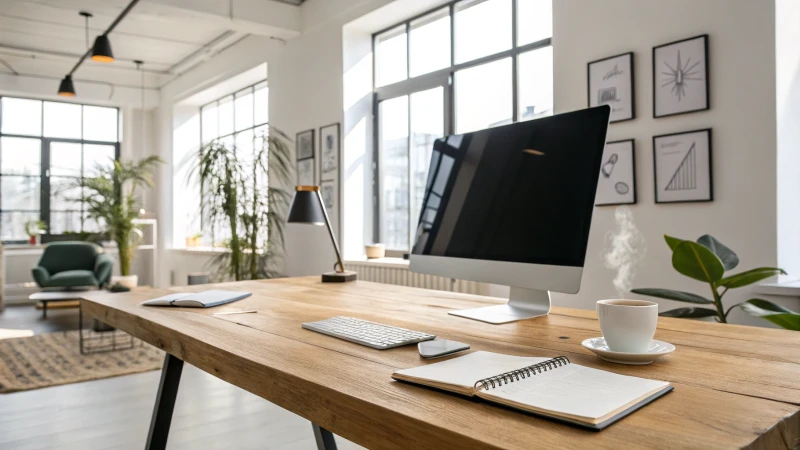
Direct lighting shines light directly onto specific areas, offering clear and bright illumination. This is especially beneficial for tasks that require precision, such as reading, cooking, or working at a desk. The focused nature of direct lighting minimizes shadows and enhances task performance1 by providing adequate illumination exactly where it's needed.
Reduced Eye Strain
In environments like offices, where prolonged periods of focus are required, direct lighting plays a crucial role in reducing eye strain. By illuminating workspaces with high-lumen output, it ensures that individuals can see clearly without the need to squint or adjust their posture, leading to increased comfort2 and productivity.
Energy Efficiency
Although indirect lighting creates ambiance by bouncing light off surfaces, direct lighting is typically more energy-efficient as it targets specific areas. This precise illumination means less energy is wasted on unnecessary spaces, making it an ideal choice for those looking to optimize energy use3. Smart control systems can further enhance this efficiency by adjusting light intensity based on need.
Practical Applications in Various Settings
| Setting | Benefits of Direct Lighting |
|---|---|
| Office | Improves productivity by reducing glare and shadows |
| Kitchen | Enhances clarity for cooking and preparation tasks |
| Industrial | Ensures safety by highlighting critical work areas |
| Retail | Focuses attention on key products |
Direct lighting is versatile enough to be used across different environments. In industrial settings, for instance, it can highlight safety zones or operational areas, while in retail spaces, it draws attention to featured products.
Comparison with Indirect Lighting
While both direct and indirect lighting have their place in modern design, understanding their differences helps in making informed decisions. Indirect lighting provides soft illumination ideal for creating ambiance, whereas direct lighting is better suited for task-oriented environments. Balancing both can create a dynamic and functional lighting strategy4 in any space.
Direct lighting reduces eye strain in offices.True
Direct lighting provides clear illumination, reducing the need to squint.
Indirect lighting is more energy-efficient than direct lighting.False
Direct lighting targets specific areas, reducing energy waste.
How Does Indirect Lighting Enhance Ambiance?
Have you ever stepped into a room and felt instantly at ease, not quite knowing why?
Indirect lighting enhances ambiance by gently scattering light to reduce harsh shadows and glare, creating a soft, even glow that makes any space feel welcoming and cozy.
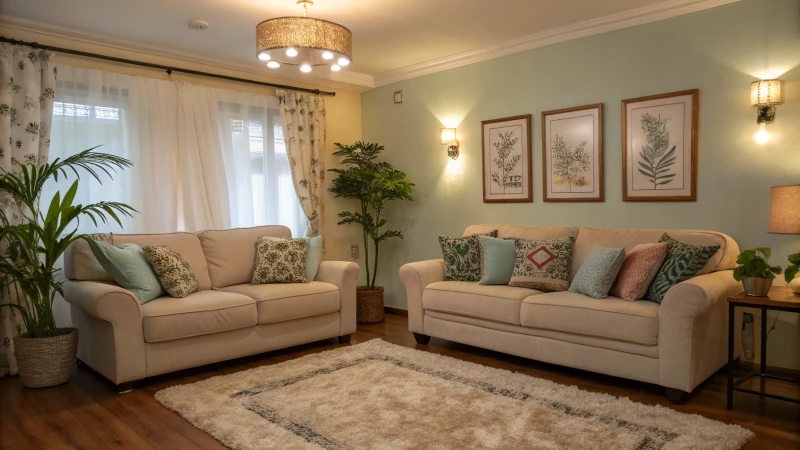
I remember walking into a cozy cafe on a rainy day, instantly feeling the warm embrace of its soothing ambiance. The secret? Indirect lighting. This gentle illumination technique transforms any space into a haven of comfort by diffusing light across surfaces, minimizing harsh shadows and glare.
The Science Behind Indirect Lighting
Indirect lighting works its magic by reflecting light off surfaces like ceilings or walls. Imagine the soft glow that fills a room when sunlight bounces off snow—it’s that kind of natural, soothing light. The way light is scattered offers uniform brightness, enhancing visual comfort and making spaces feel more inviting.
| Feature | Direct Lighting | Indirect Lighting |
|---|---|---|
| Illumination | Focused, harsh | Soft, even |
| Shadows | Prominent | Minimal |
| Glare | High | Low |
| Ambiance | Task-oriented | Relaxed |
Applications in Commercial Spaces
In commercial settings, indirect lighting can turn a bland lobby into a luxurious entrance. I once stayed at a hotel where the lobby felt like a sanctuary, thanks to the strategic use of indirect lighting. It made guests feel at home, as if they were stepping into a serene retreat. Retail stores also benefit from this by showcasing products without distracting glare, enhancing the shopping experience.
For instance, in hotel lobbies5, it adds a luxurious feel, making guests feel welcomed and relaxed.
Enhancing Residential Atmosphere
At home, I’ve found that indirect lighting can be the difference between a living room that feels like a showroom and one that invites you to curl up with a good book. Using cove lighting or recessed fixtures can create the perfect ambiance for relaxation in living rooms or bedrooms.
This technique is perfect for living rooms6 or bedrooms where comfort and relaxation are priorities.
Energy Efficiency and Cost Considerations
While setting up indirect lighting might seem like a bigger investment initially, it pays off with energy efficiency. Using LED technology can further boost sustainability. It's like planting a tree—an upfront effort for long-term benefits. Learn more about energy-saving benefits7 of LED indirect lighting solutions.
Combining Direct and Indirect Lighting for Optimal Results
Mixing both direct and indirect lighting styles can give you the best of both worlds. In my kitchen, for instance, direct lighting helps me see exactly what I’m chopping, while the adjacent dining area enjoys the softer glow of indirect sources.
Explore how combining lighting techniques8 can enhance both functionality and ambiance.
Indirect lighting reduces harsh shadows.True
Indirect lighting diffuses light, minimizing harsh shadows for a soothing effect.
Direct lighting is more energy-efficient than indirect lighting.False
Indirect lighting, especially with LEDs, is generally more energy-efficient.
When is it best to combine direct and indirect lighting?
Ever wondered how the right blend of direct and indirect lighting can completely change the vibe of a room?
Combining direct and indirect lighting is perfect for spaces where you need both task lighting and ambiance, like living rooms and kitchens. This mix ensures functionality meets mood.
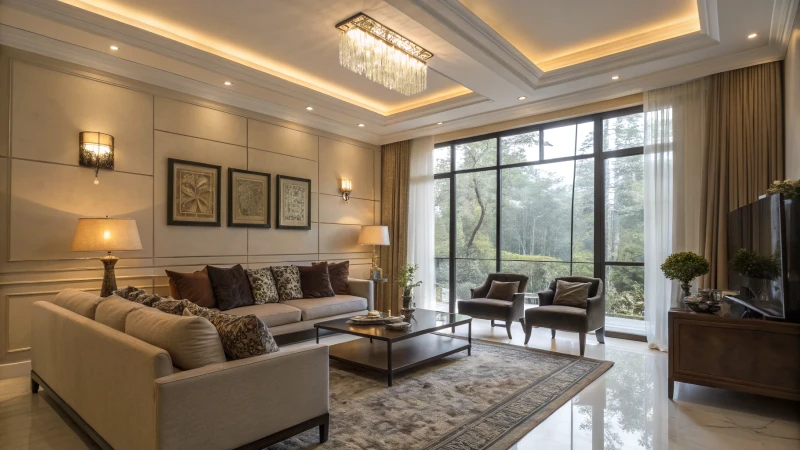
Versatility in Residential Spaces
Imagine stepping into a kitchen where bright lights help you chop veggies without a second thought, while a soft glow from beneath the cabinets turns the space into a cozy nook perfect for late-night snacking. Combining direct and indirect lighting isn't just practical; it's a game-changer for the mood. In my own home, I’ve found that a well-lit countertop paired with warm, diffused lights under the shelves creates an inviting atmosphere that makes cooking feel less like a chore and more like an experience.
| Space | Direct Lighting | Indirect Lighting |
|---|---|---|
| Kitchen | Bright task lighting over countertops | Soft glow under cabinets |
Commercial Applications
In the hustle and bustle of an office, I’ve seen firsthand how blending these lighting styles can make a difference. Task lights on desks cut down eye strain, helping everyone power through meetings or projects. Meanwhile, indirect lighting softens the environment, creating a welcoming workspace. Picture a showroom layout9 where direct lighting highlights the star products, drawing customers in, while indirect lighting keeps the overall vibe relaxed and inviting, ensuring visitors feel comfortable to linger and explore.
Smart Lighting Systems
The magic really happens when you add smart systems to the mix. It’s fascinating how lights can adjust automatically based on what you’re doing or even the time of day. In a smart office setup10, sensors can dial up the brightness during a brainstorming session or switch to a gentle glow for breaks. As energy efficiency becomes more critical, these systems are increasingly popular in both residential11 and commercial spaces. They not only enhance the beauty of your environment but also offer substantial energy savings with their automated magic.
Direct lighting is ideal for reading in living rooms.True
Direct lighting provides focused illumination, perfect for reading tasks.
Indirect lighting is unsuitable for commercial spaces.False
Indirect lighting creates a comfortable atmosphere, enhancing commercial environments.
How Does Each Lighting Style Affect Costs?
Navigating the world of lighting styles is like choosing the right outfit—it affects both your budget and the feel of the entire space. Let me walk you through how each option impacts your wallet.
Direct lighting offers a cost-effective solution with straightforward installation, while indirect lighting incurs higher expenses due to complex fixtures. Each style differently influences energy costs, impacting overall spending.

Direct Lighting: The Economical Choice?
I remember when I first delved into the world of lighting. It felt a bit like picking a favorite dish at a new restaurant—exciting but overwhelming with all the options! Direct lighting stood out as the economical choice, much like a classic burger on the menu. It focuses light on specific areas using simpler fixtures like track lights or spotlights. These were not just more affordable12 to buy but also to install, making them a popular choice in my projects.
| Cost Aspect | Direct Lighting |
|---|---|
| Fixture Cost | Lower |
| Installation Cost | Lower |
| Maintenance | Moderate |
| Energy Efficiency | High |
But here's where it gets interesting: direct lighting isn't just about saving a few bucks upfront. It's quite energy-efficient, needing fewer fixtures to brighten up a space effectively. This efficiency means lower operational costs over time, which is always a bonus!
Indirect Lighting: Aesthetic and Costly
On the other hand, indirect lighting reminds me of those gourmet dishes—beautiful and meticulously crafted but definitely on the pricier side. It offers a softer, ambient glow by bouncing light off surfaces, creating an inviting atmosphere perfect for cozy gatherings or elegant settings.
| Cost Aspect | Indirect Lighting |
|---|---|
| Fixture Cost | Higher |
| Installation Cost | Higher |
| Maintenance | Low |
| Energy Efficiency | Moderate |
The allure of indirect lighting is undeniable, yet it demands sophisticated fixtures like cove or recessed lights, driving up initial costs. Plus, the installation complexity13 can push labor expenses higher. However, these systems require less frequent maintenance due to their diffused nature, potentially offsetting some costs in the long run.
Balancing Direct and Indirect Lighting for Cost Efficiency
In my experience, achieving that perfect balance is key—like blending comfort food with fine dining in one satisfying meal. Many modern projects combine both lighting styles to capitalize on their unique strengths. Imagine using direct lighting for workspaces while letting indirect lighting set the mood in common areas—it's about optimizing both function and ambiance.
Adding smart lighting controls can further boost energy savings14 by automating usage based on occupancy or time of day, especially crucial in large commercial settings. This smart integration can lead to significant long-term savings on energy bills, making your investment truly worthwhile.
Direct lighting fixtures are cheaper to install.True
Direct lighting involves simpler fixtures, reducing installation costs.
Indirect lighting is more energy-efficient than direct lighting.False
Direct lighting uses fewer fixtures, making it more energy-efficient.
Conclusion
Choosing between direct and indirect lighting depends on the space's purpose; direct lighting is ideal for tasks, while indirect lighting creates ambiance. Combining both enhances functionality and mood.
Learn how direct lighting enhances productivity by providing bright and focused illumination on tasks. ↩
Discover how direct lighting solutions can minimize eye strain in work environments. ↩
Explore the ways direct lighting contributes to energy savings and efficiency. ↩
Find strategies to blend direct and indirect lighting for optimal functionality. ↩
Explore how indirect lighting transforms hotel lobbies into luxurious spaces. ↩
Discover how indirect lighting enhances comfort and relaxation in living rooms. ↩
Understand how LED technology makes indirect lighting energy-efficient. ↩
Learn how combining different lighting techniques optimizes space ambiance. ↩
Discover how combining lighting styles can create effective product displays and a welcoming environment in showrooms. ↩
Explore how smart systems can optimize office lighting for energy efficiency and enhanced work environments. ↩
Find out how smart lighting systems can improve home energy efficiency and aesthetic appeal. ↩
Explore this link to find detailed pricing information on direct lighting fixtures, helping you budget effectively for your project. ↩
Learn about the installation challenges and costs associated with indirect lighting through this insightful resource. ↩
Discover how smart lighting systems can reduce energy consumption, offering financial benefits for commercial spaces. ↩