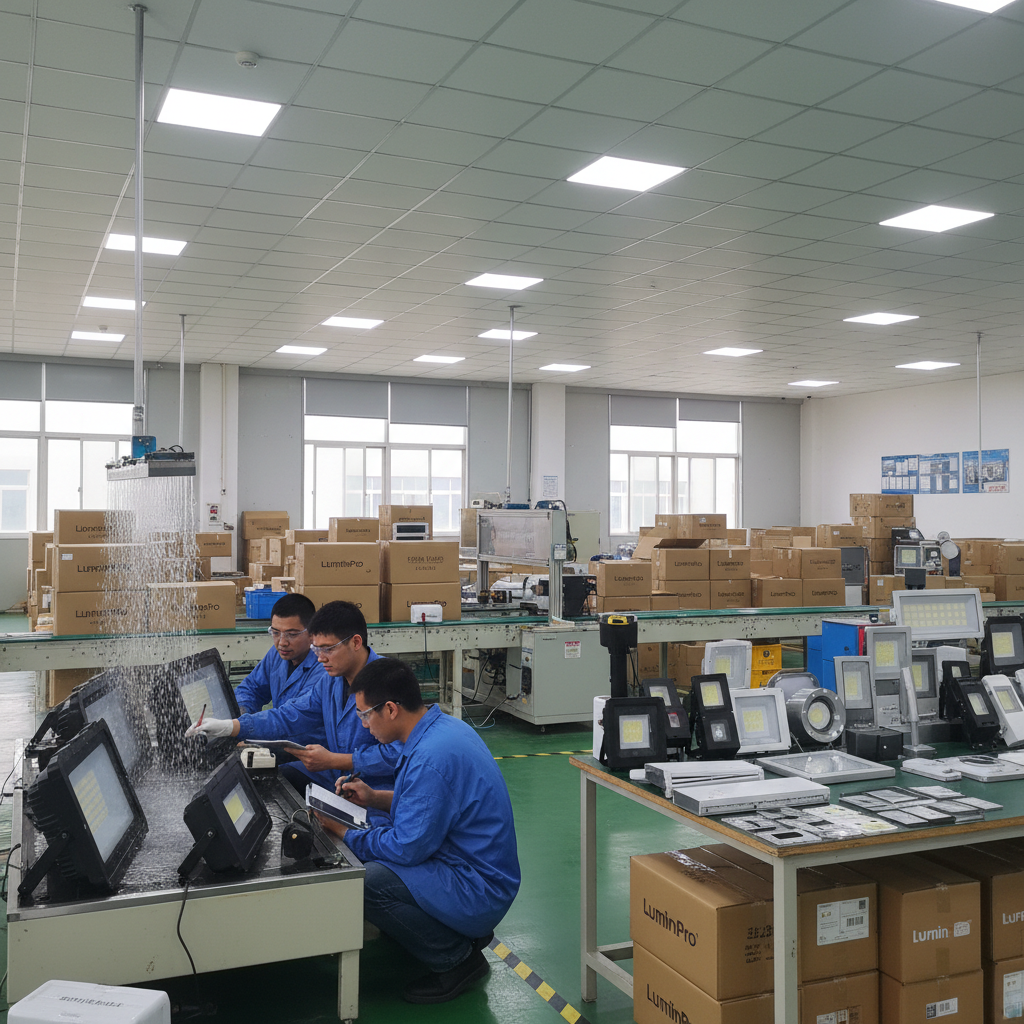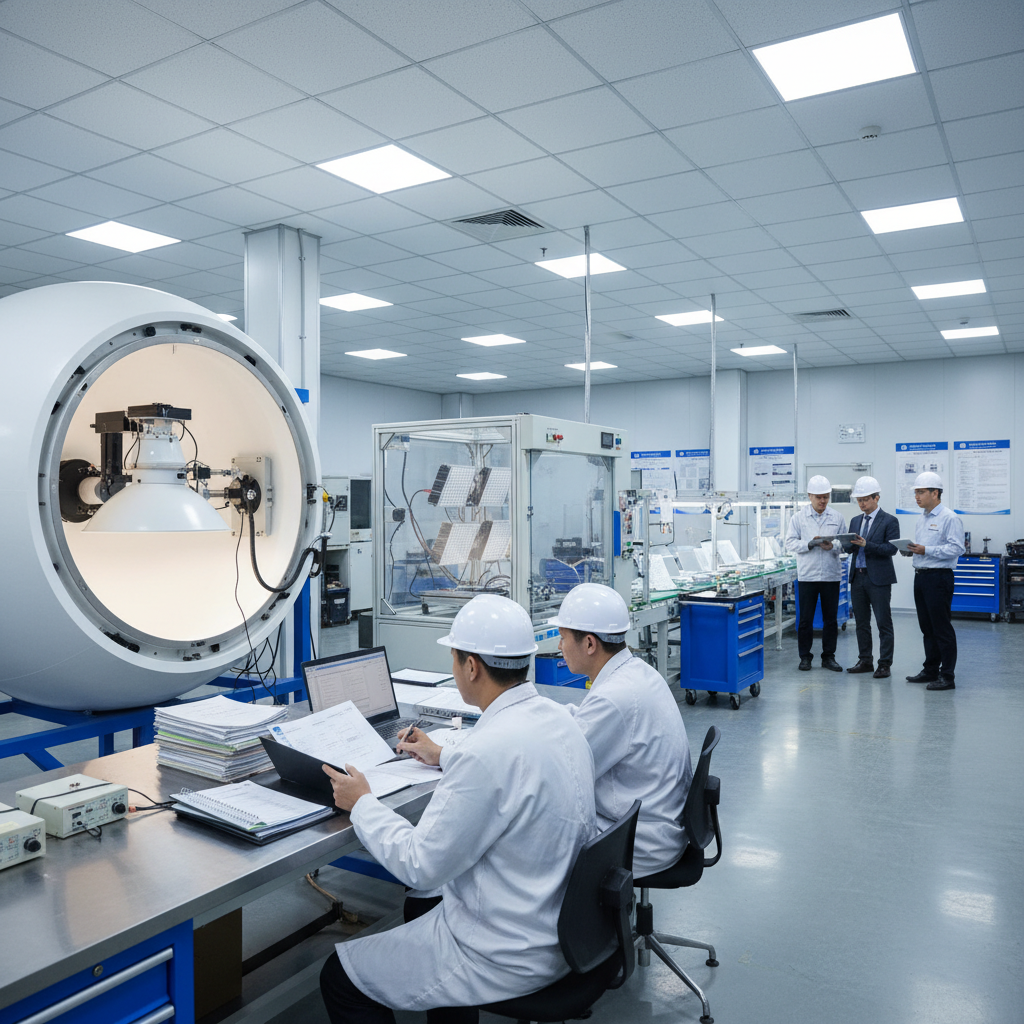

You've been dreaming about opening your own LED bulb factory? Let's explore what it truly involves.
Starting an LED bulb factory costs between a few hundred thousand and millions of dollars. The cost depends on production size, equipment quality and location. Smaller setups need fewer funds, perhaps a few hundred thousand. Larger factories require more money. These large, automated factories need multi-million dollar investments.
I remember when I first thought about starting my own LED factory. The numbers looked scary, but studying them closely really helped. Costs vary a lot depending on your goals, the quality of equipment you buy and the location of your factory. Smaller projects might need a few hundred thousand dollars. This amount works well for those who want to try something new or focus on specific markets. Bigger plans with fully automated lines might require millions.
Understanding these costs is very important before beginning. Take time to study each part, like buying equipment, paying for raw materials, site expenses and worker salaries. Do this carefully. This planning helps in choosing wisely and creating a solid business plan. Even if you start small or aim for large production, this detailed breakdown will probably guide you through the money matters of LED production.
LED production lines need millions in equipment costs.True
High-quality equipment for LED production lines can cost millions, depending on scale.
Small LED lines require only thousands of yuan to start.False
Even small-scale LED production lines typically need investment in the hundreds of thousands of yuan.
What Are the Main Equipment Costs for an LED Bulb Factory?
Opening an LED bulb factory resembles assembling a large puzzle of expenses and machinery.
Setting up a factory for LED bulbs requires investing in equipment. The factory needs tools for LED chip packaging and circuit board production. Assembly, testing and final packaging tools are also necessary. Costs range widely. They start at tens of thousands and go up to millions. This depends on the desired quality and the size of the operation. Costs vary with quality and scale.

Main Equipment Categories
Starting an LED bulb factory requires investment in several key equipment categories. Here's a breakdown of the main types:
| Equipment Type | Function | Cost Range (USD) |
|---|---|---|
| LED Chip Packaging | Encapsulates the LED chips | 50,000 - 500,000 |
| Circuit Board Production | Produces the electrical circuits | 100,000 - 1,000,000 |
| Assembly Equipment | Assembles the various components | 200,000 - 2,000,000 |
| Testing Equipment | Ensures quality and performance standards | 50,000 - 300,000 |
| Packaging Equipment | Prepares products for shipment | 30,000 - 250,000 |
Factors Influencing Equipment Costs
Choosing equipment felt similar to picking a car for the first time—considering price, efficiency and lifespan.
Production Scale: Larger production means greater costs. A friend shared his story of moving from small to large-scale production, which needed new automated systems1.
Quality and Performance: Investing in high-quality equipment really pays off over time. It might hurt at first but having durable gear feels rewarding.
Location: Location truly affects costs. Shipping big machines is challenging, especially for international setups.
Cost Management Strategies
- Leasing vs. Buying: With a tight budget, leasing was my smart choice. It's a solid start without the heavy burden of initial expenses.
- Second-Hand Equipment: Second-hand options offer great value. I discovered this early on when starting out.
- Supplier Negotiations: Building relationships with suppliers is crucial. Strong connections have led to better deals and favorable terms2 for me.
Importance of Market Research
Watching market trends has been a secret weapon. It helps me keep pace with LED manufacturing advances3 and makes sure every dollar supports industry progress.
High-quality LED equipment costs millions of yuan.True
High-quality LED production equipment can range from tens of thousands to millions.
LED raw material costs are fixed and stable.False
LED raw material prices fluctuate with market dynamics.
How Do Raw Material Costs Impact LED Manufacturing?
Do you ever think about how the price of raw materials affects an LED company deeply?
Raw material costs greatly affect LED manufacturing. These costs change production expenses and pricing plans. Price shifts of important parts, such as LED chips and circuit boards, have a direct impact. They influence total production costs and profitability.

Main Parts and Their Prices
When I entered LED manufacturing, I was surprised by how much the prices of core components like LED chips4, circuit boards, and other important parts could change. It's similar to baking a cake; if flour becomes costly, your cake price rises, and you must decide to either increase prices or accept lower profits. Changes in LED chip prices alone can really impact production budgets.
Price Changes and Market Forces
Handling raw material costs feels much like facing a storm. Factors such as changes in supply chain dynamics5 and global political issues influence prices like unpredictable winds. I recall facing a big price increase because of soaring demand for energy-saving solutions. This taught me to stay informed and flexible.
| Material | Average Cost Impact |
|---|---|
| LED Chips | High |
| Circuit Boards | Medium |
| Heat Sinks | Low |
| Power Supplies | Variable |
Plans to Handle Rising Costs
Learning some strategies helps with managing cost changes effectively. Buying in large amounts and choosing different suppliers offer stability. Comparing this to a farmer's market experience, having multiple choices allows flexibility in negotiations.
- Buying in Bulk: Buying in large quantities can really lower prices and costs per item.
- Supplier Variety: Relying on various suppliers keeps you safe from sudden price rises or delivery issues.
Engaging with multiple suppliers6 across different regions can help stabilize costs and ensure consistent quality.
Effect on Production and Prices
When raw material prices go up, pricing strategies need careful adjustment. Pricing too high risks losing customers; too low reduces profit. For example, if circuit board costs7 rise, final product prices for consumers might rise too. It's like balancing on a tightrope where careful financial planning and market insight keep you steady.
Knowing how these expenses impact LED production helps in staying competitive, profitable, and delivering value to consumers. Being prepared and ahead is key to success.
LED production costs are fixed regardless of location.False
Production costs vary with location due to differences in rent, wages, and logistics.
Raw material prices impact LED production costs significantly.True
Fluctuations in raw material prices directly affect overall production expenses.
What Are the Site and Construction Expenses for an LED Factory?
You're considering starting in LED manufacturing? Let's explore the costs of setting up an LED factory, step by step.
LED factory site and construction costs cover buying land, building facilities and setting up utilities. Meeting environmental rules is also part of these expenses. Costs depend on location, factory size and technology needs. Locations shift costs. Size shifts costs. Technology needs shift costs, too.
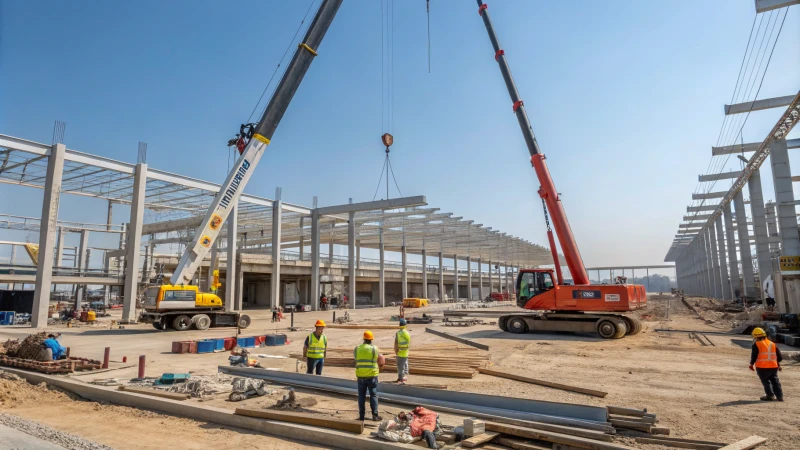
Important Factors Influencing Site and Construction Expenses
When I began looking into building an LED factory, I quickly saw many important costs to consider. These costs change a lot depending on different factors. Here’s a summary from my own experience:
Land Purchase and Development
Searching for the right land felt like extreme house hunting! The prices changed greatly depending on whether I looked in busy city areas or quieter rural places. Industrial areas with high demand had high prices, but suburban areas offered a good mix of price and ease.
Region Average Cost per Acre Urban Areas $200,000 - $1,000,000 Suburban Areas $100,000 - $500,000 Rural Areas $50,000 - $200,000 Construction and Infrastructure
Building the factory used a large part of the budget. Everything needed careful thought, from the type of materials—which affected initial costs and how long they last—to hiring skilled workers for precise tasks needed by our advanced setup. Creating a place that followed all safety and efficiency rules was about more than just checking boxes; it was about safety for everyone.
- Material Costs: The choice of materials impacts both initial costs and long-term durability.
- Labor Costs: Skilled laborers are required to meet the precision demands of a factory environment.
Utilities Setup
Setting up utilities turned out to be more complicated than I thought! Electricity, water, and waste management each brought their own challenges and costs, mostly affected by the site’s current infrastructure.
Utility Installation Cost Electricity $30,000 - $100,000 Water Supply $10,000 - $50,000 Waste Management $5,000 - $25,000 Environmental Compliance
Dealing with environmental rules was another challenge. Every part of the factory had to lower its environmental impact. This often required spending on permits and extra systems to handle waste or emissions carefully.
Technological Investments
Modern LED factories use top technology to stay efficient and cut energy use. At first, investing in smart systems seemed expensive but actually saved money later through better efficiency.
Strategic Thought
- Location Benefits: Picking a place with logistics perks like easy supplier and customer access was crucial.
- Future Growth: Planning for future growth involved thinking long-term about expanding without moving.
- Government Benefits: Learning about local incentives helped reduce some costs.
Understanding these aspects was very important in my planning. If you want to know more about how others have reduced these expenses, look at successful case studies8.
LED production line setup costs vary by region.True
Costs fluctuate due to regional differences in rent, labor, and materials.
High-quality LED equipment is always cost-effective.False
High-quality equipment has better performance but isn't always cost-effective.
How do operating costs affect profitability in LED manufacturing?
Some LED manufacturers succeed while others have a hard time. The secret often rests in knowing operating costs and how they affect profit.
Operating costs in LED manufacturing include labor, materials and utilities. Efficient handling of these costs increases profitability through less waste and better production efficiency. Smart manufacturing practices lead to better use of resources and lower expenses.

Key Parts of Operating Costs
Imagine a busy LED factory floor. Machines hum and workers use their skills. Every piece costs money, from raw materials to finished products. I learned to manage these costs well.
Labor Costs
Workers play a big role in LED manufacturing. Skilled technicians make sure every light meets standards. At first, labor costs were high. Then, I invested in training programs9 for my team. This improved work and reduced mistakes. Automation for simple tasks changed everything.
Raw Material Costs
LED chips and circuit boards are core parts. At first, changing market prices affected material costs. Securing long-term deals with suppliers helped me. Using just-in-time inventory10 systems also brought stability.
| Material | Cost Management Strategy |
|---|---|
| LED Chips | Bulk Purchasing |
| Circuit Boards | Local Sourcing |
| Housings | Supplier Contracts |
Utility Expenses
Energy costs in LED production are often high. I underestimated electricity bills' impact. Energy-efficient tech and better HVAC systems lowered these costs a lot. Smart energy management11 solutions provided real-time data, helping us adjust use well.
Maintenance and Equipment Costs
I remember a production stop because equipment suddenly broke. That taught the importance of regular care. Predictive maintenance tech now lets us spot issues early, saving time and money.
Strategies for Driving Profitability
Process optimization and cost control are keys to profit. Lean manufacturing, which cuts waste and refines processes, truly changed things for us. Integrating advanced analytics12 offered new insights into operations.
Focus on these areas: managing operating costs well boosts profits and keeps our products competitive and high-quality.
LED production lines have high initial investment costs.True
Equipment and setup for LED lines can cost millions, impacting startup expenses.
Using low-quality equipment reduces LED production costs significantly.False
Low-quality equipment may lower initial costs but increases maintenance and reduces efficiency.
Besen led is a leader of led light manufacturer
At Besenled, we specialize in delivering top-tier LED lighting solutions, including LED strip lights, linear lights, neon lights, and innovative mosquito killer lights. With our cutting-edge factory featuring 5 advanced production lines, we ensure high-quality products tailored to meet your unique needs.
As a trusted B2B wholesale supplier, we proudly serve clients across Central Asia, North America, South America, Europe, and beyond. Our dedication to custom design, quality assurance, and brand identity makes us the go-to partner for large corporate buyers, construction firms, and LED distributors.


With Besenled, you’re not just getting superior lighting products—you’re gaining a reliable partner that values efficiency, transparency, and customer satisfaction.
Ready to transform your lighting projects?
Click Here Today! To discover how Besenled can illuminate your busines success!
Conclusion
Starting an LED bulb factory involves significant investment, ranging from hundreds of thousands to millions, depending on scale, equipment quality, and location. Careful planning is essential for success.
Learn how automation increases production efficiency and reduces labor costs. ↩
Find strategies to secure competitive pricing and favorable contract terms. ↩
Explore the latest innovations to ensure your factory stays competitive. ↩
Exploring current LED chip prices provides insights into cost trends and how they impact manufacturing expenses. ↩
Understanding supply chain dynamics can help anticipate changes in raw material availability and cost. ↩
Supplier diversification offers stability by reducing reliance on single sources, vital for managing cost fluctuations. ↩
Analyzing circuit board price trends aids in forecasting potential impacts on LED product pricing. ↩
Learn from real-world examples of efficient LED factory establishments. ↩
Employee training increases productivity and reduces error rates, leading to cost savings. ↩
Just-in-time inventory reduces carrying costs and minimizes waste, enhancing profitability. ↩
Smart energy management systems optimize energy use, lowering utility expenses. ↩
Advanced analytics provide insights into operations, enabling cost-saving decisions. ↩