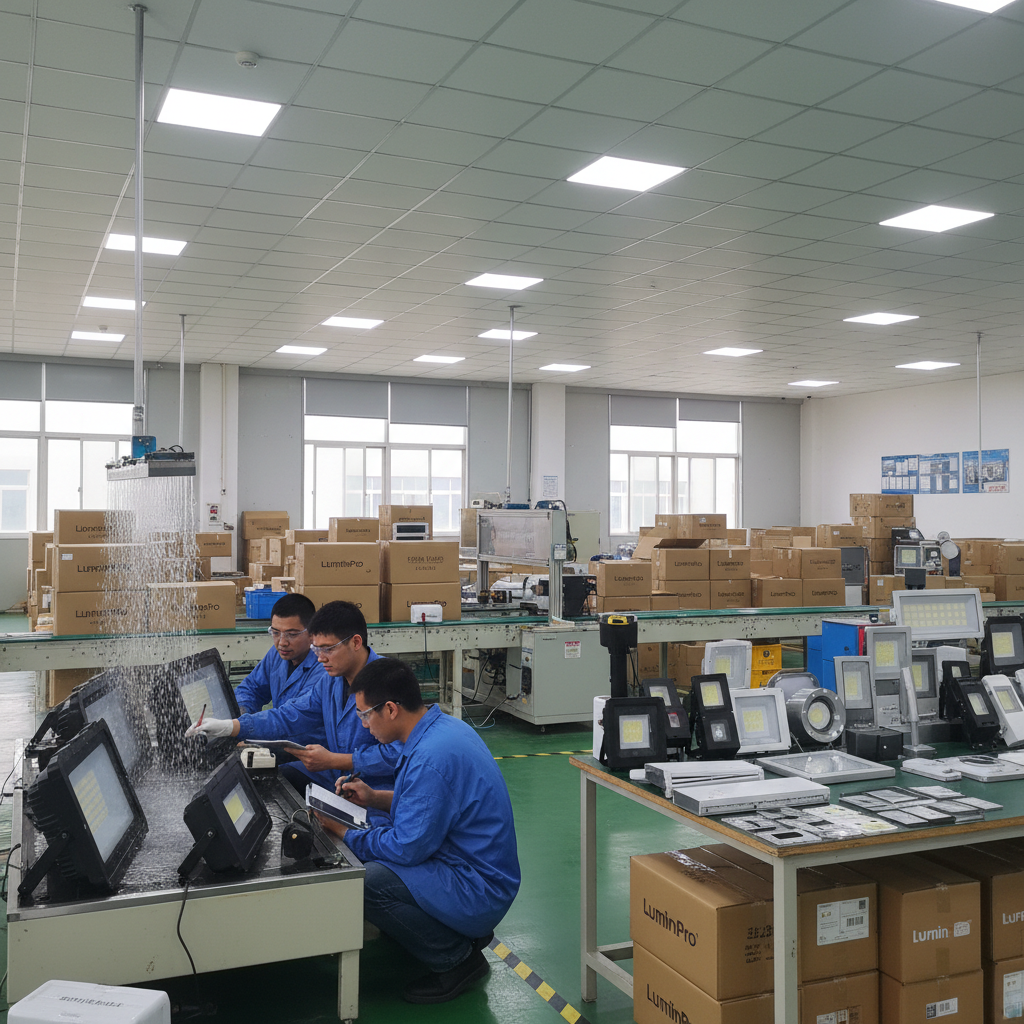

Ever wondered what it really takes to light up a street corner and keep it safe after dark?
The cost to install a street light ranges from $1,000 to $5,000 depending on the type of light (traditional, LED, or smart), installation complexity, and location. LED lights offer higher upfront costs but save on energy and maintenance long-term.
When I first started exploring street lighting for projects, I was amazed by the range of options and costs involved. Sure, the basic figures give you a starting point, but there's so much more to think about. From the type of light to the infrastructure needed, each decision impacts the overall budget. Let me guide you through some of these considerations and help you make the best choice for your project.
LED street lights are more expensive than traditional lights.False
LEDs are costlier upfront but save energy long-term.
Smart street lights offer advanced features.True
Smart lights provide features like remote control and data collection.
How Do Traditional Street Lights Compare to LED Options?
Ever gazed up at street lights and wondered about the shift from traditional bulbs to LEDs?
Traditional street lights guzzle more energy and need frequent upkeep compared to LED counterparts. LEDs shine with better energy efficiency, extended lifespan, and lower maintenance costs, making them a savvy investment.

Energy Efficiency
I remember walking down the street as a kid, staring up at those old, yellow-tinted street lights. They always seemed to buzz louder than they shone. Turns out, those high-pressure sodium or metal halide bulbs were real energy hogs, sipping way more electricity than they needed.
LED street lights, though, are like the overachievers of the lighting world. They convert almost 95% of their energy into light, leaving the traditional lights in the dust with their mere 60% efficiency. If you've ever had to pay a hefty electricity bill, you'll know why that's such a big deal.
Lifespan and Maintenance
When I think about maintenance, I remember helping my dad replace the old light bulb in our backyard. It felt like every other month we were dragging out the ladder. Those traditional street lights only last about 15,000 to 24,000 hours before needing a change.
LEDs? They’re like the marathon runners of lighting—going strong for up to 100,000 hours. This means fewer replacements, which is music to my ears because who really enjoys maintenance work?
Cost Analysis
Here's a quick breakdown of costs:
| Light Type | Initial Cost | Maintenance Cost | Lifespan |
|---|---|---|---|
| Traditional | Lower | Higher | Shorter |
| LED | Higher | Lower | Longer |
I get it—traditional lights might seem like a bargain at first. But over time, those energy and maintenance expenses add up. LEDs might cost more upfront, but they save you in the long run.
Environmental Impact
When I started learning about sustainability, I realized those old street lights weren’t doing the planet any favors. They use materials that aren’t exactly eco-friendly and burn through energy like there’s no tomorrow.
LEDs are greener. They skip the harmful chemicals and use energy wisely, cutting down on carbon emissions. If you’re like me and care about leaving the world a better place for our kids, this is a big win.
Technological Integration
I’m fascinated by smart technology, and LED street lights are like something out of a sci-fi movie. They can integrate with smart systems, offering features like dimming, motion sensors, and remote monitoring.
These smart lighting systems1 do more than save energy—they give you control over your lighting environment. Traditional street lights just can't compete here; they’re not built for our modern tech-savvy world.
Exploring these differences shows that while traditional lighting has its charm, LED technology is undeniably the future. If you’re curious about more energy-saving solutions2, there’s a whole world of reviews and case studies waiting to be explored online.
LED street lights use 95% energy efficiently.True
LEDs convert almost 95% of energy into light, unlike traditional lights.
Traditional street lights last up to 100,000 hours.False
Traditional street lights last around 15,000 to 24,000 hours, unlike LEDs.
What Are the Benefits of Smart Street Light Systems?
Imagine walking down a well-lit street that not only saves energy but also enhances your safety. That’s the magic of smart street lights.
Smart street light systems are game-changers for urban areas, boosting energy efficiency, improving safety, and slashing operational costs. By using sensors and connectivity, these systems fine-tune lighting, spot issues quickly, and offer remote management, making them indispensable for modern cities.
%[A modern city street at dusk with smart street lights and contemporary buildings.]
Energy Efficiency
I remember the first time I encountered smart street lighting—it was like stepping into the future. These systems use LED lights and motion sensors to adjust brightness based on real-time activity. This means when the street is quiet, the lights dim, saving precious energy. And when there’s movement, they brighten, ensuring safety without wasting power. Studies show that this can cut energy consumption by up to 80%, which is incredible compared to the old, wasteful lighting systems.
Enhanced Public Safety
One evening, as I walked through a neighborhood known for its safety concerns, I noticed how the street lights seemed to come alive. They brightened as I approached, illuminating the path ahead. Smart street lights with motion detection and data analytics not only make you feel safer but actively deter crime. They automatically light up when they detect people or vehicles, keeping both pedestrians and drivers secure.
Operational Cost Savings
Initially, the cost of installing smart street light systems3 might seem steep. But trust me, the long-term savings are worth it. With remote monitoring, issues are detected promptly, and maintenance can be scheduled efficiently. This reduces downtime and labor costs, optimizing resources while ensuring consistent operation. It’s a smart investment that pays off over time.
Connectivity and Integration
The integration of smart street lights with other city technologies is like watching a symphony of systems working in harmony. These lights can sync with traffic management and public safety systems, becoming a vital part of a city’s IoT ecosystem. This interconnectedness opens doors to better traffic flow and improved public services.
Comparison Table: Traditional vs Smart Street Lighting
| Feature | Traditional Lighting | Smart Street Lighting |
|---|---|---|
| Energy Consumption | High | Low |
| Maintenance Costs | High | Low |
| Safety Features | Basic | Advanced |
| Initial Cost | Lower | Higher |
| Connectivity | None | Integrated |
Environmental Impact
As someone who cares deeply about our planet, I’m thrilled about the environmental benefits of smart street lighting. They minimize light pollution and reduce carbon emissions through precise control and dimming capabilities. This means we can maintain dark skies and keep our cities beautifully lit where needed.
Explore more about energy-efficient lighting4 and its impact on urban sustainability to understand how smart street lights are paving the way for greener cities.
Smart street lights reduce energy usage by 80%.True
Studies show smart systems cut energy use by up to 80% versus traditional lights.
Smart street lights increase maintenance costs.False
Smart systems lower maintenance costs with remote monitoring and fault detection.
How Does Location Affect Street Light Installation Costs?
Have you ever noticed how street light installation costs seem to fluctuate wildly depending on where you are?
Location affects street light installation costs due to factors such as accessibility, labor rates, existing infrastructure, and environmental conditions. These costs can vary significantly between urban and rural settings or regions with different climates.
%[A busy urban street at dusk with modern street lights and people walking.]
I remember when I first got involved in street lighting projects. It was eye-opening to see how much the location could sway the installation costs. Let's dive into the nuances that make each place unique.
Urban vs. Rural Installations
In urban settings, the hustle and bustle often mean higher labor costs5 due to the demand for skilled workers and the cost of living. Navigating through traffic and logistical hurdles adds to the complexity—and the price tag. On the flip side, rural areas, while offering cheaper labor, present their own challenges. Transporting equipment over long distances can hike up costs significantly.
| Factor | Urban Areas | Rural Areas |
|---|---|---|
| Labor Costs | Higher due to demand | Lower, less competition |
| Accessibility | Challenging, traffic | Easier, less congestion |
| Transport Costs | Lower, proximity to supply | Higher, long distances |
Existing Infrastructure
Working in urban areas often means retrofitting existing systems. It can save on materials but complicates installations. Meanwhile, rural projects usually require building from the ground up, which can be both a fresh start and a hefty undertaking.
Environmental Conditions
I learned quickly that weather is not just a casual conversation starter—it’s a critical factor in planning installations. In regions facing extreme conditions, whether it’s snow or scorching heat, ensuring durability becomes a priority, sometimes necessitating extra coatings or specialized poles.
- Climatic Influence: Additional protections are necessary in areas prone to corrosion or harsh weather.
- Geographical Challenges: Mountainous or flood-prone regions demand tailored solutions.
Digging into case studies6 from various locales has been invaluable for understanding these hurdles and finding innovative solutions.
Local Regulations and Permits
Each region has its own maze of regulations, from permits to safety standards. Navigating these requirements can be daunting and costly but is crucial for keeping projects on track and budget-friendly.
Getting familiar with local regulations7 can save a lot of headaches and surprise expenses down the road.
In wrapping up, understanding these location-specific factors is key for estimating costs accurately in street light projects. Whether you’re lighting up a bustling city block or a quiet country road, each project brings its unique challenges and opportunities.
Urban areas have higher street light installation costs.True
Urban areas face higher labor and traffic management costs.
Rural installations always cost less than urban ones.False
Rural transport and new infrastructure can increase costs.
How Can You Balance Short-Term Costs with Long-Term Savings in Lighting?
You know those moments when you're torn between saving a buck now or investing for future peace of mind? That's exactly what we're diving into today.
Long-term savings from investments like LED lighting come from reduced energy use and maintenance costs. LEDs offer a longer lifespan and lower upkeep, making them cost-effective compared to traditional systems.
%[A modern office space with large windows and natural light]
Evaluating Initial vs. Long-Term Costs
Remember that time when I had to choose between a cheaper pair of shoes and the pricier ones that promised to last longer? Turns out, that decision is a lot like picking between traditional street lights8 and LEDs. Sure, the old-school lights might cost less upfront, but trust me, those LED lights are the real MVPs in terms of saving money down the line. They cut down on energy use and require less fixing, kind of like those shoes that didn't fall apart after a few months.
Key Factors Influencing Savings
- Energy Efficiency: Just like switching off lights when you leave the room saves electricity, LEDs help reduce energy bills substantially.
- Maintenance Needs: Imagine not having to replace those lights as often because they last longer—less hassle, more savings.
- Smart Systems: It’s like having a smart thermostat for your lights—these systems adjust to real-time conditions, saving even more money.
| Lighting Type | Initial Cost Range | Expected Savings |
|---|---|---|
| Traditional | $1,000 - $3,000 | Low |
| LED | $1,200 - $4,000 | Moderate to High |
| Smart LED | $2,000 - $5,000 | High |
Geographical and Infrastructure Impact
I remember retrofitting my home’s lighting setup and realizing how location affects costs. Installing in some areas might be pricier due to labor or infrastructure needs. But investing in LEDs can pay off, especially if local wages are high or you’re dealing with older setups.
The Role of Smart Controls
Ever seen lights dim automatically as the sun sets? Smart lighting systems9 do just that, adjusting based on conditions to save electricity while keeping things cozy.
Future-Proofing Investments
It’s like buying a phone with upgrade potential. Investing in tech that meshes with building management systems doesn’t just slash today’s costs; it preps you for tomorrow’s tech leaps.
These insights underscore how thoughtful choices in lighting can lead to significant savings over time, proving that sometimes spending a bit more today can save a lot tomorrow.
LEDs reduce electricity bills significantly.True
LEDs consume less power than traditional lighting, lowering costs.
Smart LEDs have lower initial costs than traditional lights.False
Smart LEDs cost more initially but offer higher savings over time.
Conclusion
Installing street lights costs between $1,000 and $5,000 per unit, varying by type and location. LEDs offer long-term savings through energy efficiency and lower maintenance compared to traditional lights.
Discover how smart lighting systems enhance energy efficiency and functionality in urban settings. ↩
Explore in-depth reviews of energy-saving solutions for sustainable urban lighting projects. ↩
Explore this link to understand the financial benefits of adopting smart street lighting, including potential long-term savings on energy and maintenance. ↩
Discover how energy-efficient lighting contributes to urban sustainability, enhancing environmental benefits while maintaining effective illumination. ↩
Explore how labor costs influence urban infrastructure projects to understand their effect on street light installations. ↩
Case studies offer real-world insights into challenges and solutions for street light installations across different locations. ↩
Learn about local regulations affecting street light installations to better anticipate compliance-related costs. ↩
Explore how LED lighting compares with traditional options in terms of efficiency and cost. ↩
Learn about the benefits of motion sensors in reducing electricity consumption. ↩