
Ever had one of those "aha" moments when your beautifully lit room suddenly loses its charm? Let me take you through the magnetic track light maze.
The most common problems with magnetic track lights often involve compatibility issues, circuit overloading, and fixture repositioning difficulties. To avoid these, ensure all components are compatible, monitor wattage loads carefully, and invest in high-quality tracks. These steps can help keep your lighting setup smooth and efficient.
I've learned the hard way that ignoring these pitfalls can really dim the excitement of having a sleek lighting system. Let me dive deeper into each issue, so you can avoid the headaches and keep your lights shining bright. Understanding these challenges not only saves you time but also ensures that your space remains as dazzling as intended.
Magnetic track lights often face compatibility issues.True
Compatibility issues can arise if components are not matched correctly.
High-quality tracks eliminate all magnetic light problems.False
While high-quality tracks help, they don't solve all issues.
How Can You Avoid Compatibility Issues?
Avoiding compatibility issues is like solving a puzzle; it requires patience and attention to detail. Let me share some personal strategies that have saved me from countless headaches.
To steer clear of compatibility issues, I make sure all components are designed to work together by checking specifications and conducting thorough testing before deployment.
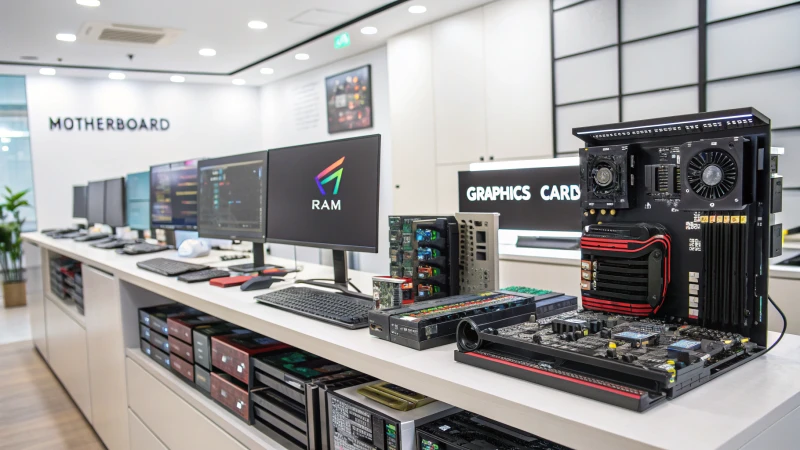
Identify Potential Conflicts Early
I remember one time, during a lighting project, I learned the hard way about checking specifications. I thought I had everything under control until the installation day when I realized the fixtures didn't match the track system's voltage requirements1. Now, I always take the time to meticulously check specifications to ensure everything fits perfectly, much like fitting the right pieces into a jigsaw puzzle.
Manufacturer Specifications and Guidelines
I've found that sticking to manufacturer guidelines is like having a trusted map on a long road trip. Mixing components from different manufacturers without checking their compatibility can lead to unexpected detours. Now, before making any purchases, I make sure that all components are compatible by closely following the manufacturer's guidelines, avoiding the stress of performance problems2 later.
| Component Type | Compatibility Check |
|---|---|
| Track Systems | Voltage Requirements |
| Fixtures | Manufacturer Guidelines |
Thorough Testing and Simulation
Before deploying any new system, I conduct thorough testing and simulation. It’s a bit like rehearsing for a big show; you want to make sure everything is perfect before opening night. Testing reveals unforeseen issues, allowing me to make necessary adjustments well in advance.
Establish Clear Communication with Suppliers
I've learned that clear communication with suppliers can prevent many misunderstandings. By discussing potential compatibility concerns3 upfront, I can save both time and resources. It's like building a strong bridge of understanding that supports smooth project execution.
Regular Updates and Patches
Keeping systems updated is another crucial step I've embraced. Regular updates and patches often resolve known compatibility issues and enhance system performance. I’ve made it a routine to check for updates regularly, much like tending to a garden to keep it flourishing.
Utilize Compatibility Tools
I also rely on compatibility tools to assess potential conflicts before implementation. These tools have become my go-to resources for ensuring all parts work together seamlessly, reducing deployment time and helping avoid those last-minute scrambles.
- Tool Name: Compatibility Checker
- Functionality: Evaluates component specifications for potential conflicts
- Benefit: Reduces deployment time by identifying issues early
By incorporating these strategies into my workflow, I've significantly reduced compatibility issues, ensuring smoother operations across various applications. Learn more about proactive measures4 you can take to avoid compatibility pitfalls.
Thorough testing prevents compatibility issues.True
Testing uncovers unforeseen issues, allowing adjustments before deployment.
Mixing manufacturers always leads to performance problems.False
Issues arise only if compatibility checks are ignored.
What Are the Risks of Overloading a Track Lighting Circuit?
Ever felt the panic of flickering lights or a tripped circuit? It's a warning sign that your track lighting might be overloaded.
When a track lighting circuit is overloaded, it can overheat, posing risks like electrical fires and damage. Always stick to the manufacturer's wattage limits to keep your setup safe.
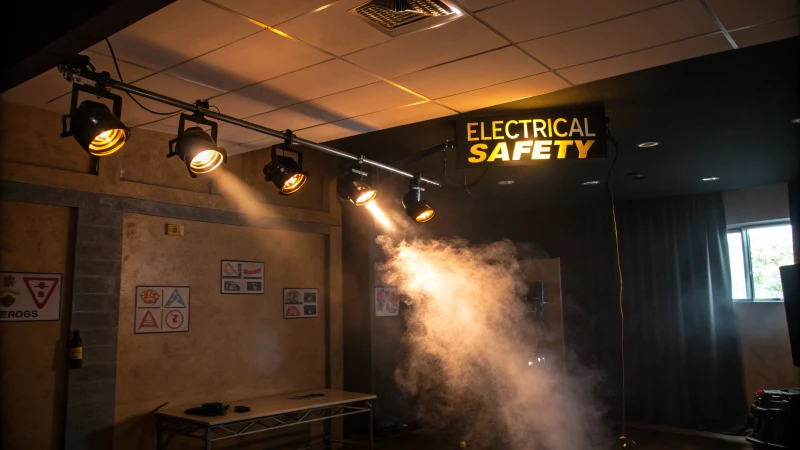
Understanding Circuit Capacity
I remember the first time I set up my track lighting. I was so excited to see how it lit up the room, but soon enough, I noticed the lights flickering. That's when I realized I might have pushed my circuit too far. Just like me, many people aren't aware of how quickly things can heat up when the load exceeds the circuit's capacity. This isn't just a nuisance—it's a potential fire hazard.
Consider this: circuits have specific load limits, and when you exceed them, the heat generated can cause insulation to melt, exposing wires and possibly igniting fires. It's scary to think about, but with a little attention to detail, it’s completely avoidable.
| Circuit Type | Typical Capacity (Amps) | Maximum Load (Watts) |
|---|---|---|
| 15 Amp | 1800 W | 1440 W |
| 20 Amp | 2400 W | 1920 W |
Signs of Overloading
Have you ever watched your favorite show only for the lights to start buzzing ominously? Flickering lights and tripped breakers are telltale signs that your system is under strain. When this happened to me, I felt a mix of annoyance and concern. The first thing I did was check the total wattage of all my connected fixtures. It's amazing how these small checks can prevent bigger problems.
Preventive Measures
Prevention is always better than cure. After my little scare, I made sure to align my fixture wattage with the track's capacity. I've switched to energy-efficient bulbs, which not only save electricity but also reduce the load on my circuit. If you're unsure or planning a big installation, it's always wise to call in a professional electrician5. They bring peace of mind with their expertise.
Risks Beyond Fire Hazards
Beyond fire hazards, there's the risk of damaging your home's electrical system. Imagine dealing with burnt wiring or damaged outlets—it could lead to costly repairs.
Regular maintenance is something I now prioritize, helping me avoid unnecessary expenses while extending the life of my lighting system.
| Risk Type | Potential Consequences |
|---|---|
| Electrical Fires | Structural damage, injury |
| Wiring Damage | Costly repairs, outages |
| System Inefficiency | Higher energy bills |
The Role of Smart Systems
Incorporating smart systems into my setup was a game changer. They help manage loads efficiently by optimizing energy use and alerting me when usage levels exceed recommended thresholds. This approach has not only enhanced safety but also improved efficiency across my lighting setup.
For more insights on energy-saving solutions6, explore innovative technologies that ensure your systems run safely and economically. They're not just gadgets—they're investments in peace of mind.
Overloading can cause track lighting circuits to overheat.True
Excessive load generates heat, risking fire or insulation damage.
A 15 Amp circuit can safely handle 2000 watts.False
A 15 Amp circuit's maximum safe load is 1440 watts.
Why Do Magnetic Tracks Deteriorate Over Time?
Have you ever wondered why those magnetic tracks, so sleek and efficient, start losing their charm over time?
Magnetic track damage happens due to physical wear, environmental exposure, compatibility hiccups, and sometimes, even human error during installation. To keep them running smoothly, regular maintenance and investing in quality materials make a world of difference.
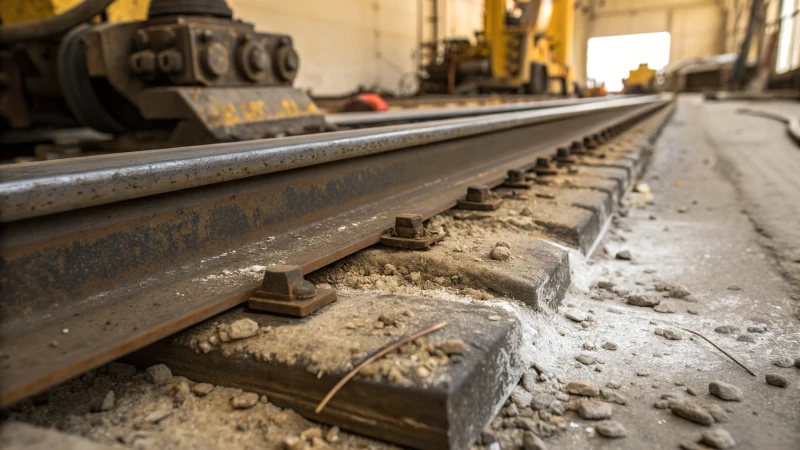
Environmental Factors and Physical Wear
Let me share a story: I once worked on a project where we installed magnetic tracks in a bustling factory. Everything was perfect at first, but after a few months, I noticed some issues. It turned out that the combination of moisture and dust had started corroding the tracks. It's a common problem—moisture can lead to corrosion7, and high temperatures might warp the materials. Tracks in industrial settings face additional challenges like dust and debris. That's why regular cleaning and inspection are key to ensuring they last.
Compatibility and Overloading Issues
I remember the chaos when we accidentally mixed components from different manufacturers on another project. It was a lesson learned the hard way—compatibility is crucial. Mismatched systems often result in connection failures. Similarly, we once overloaded a system by exceeding wattage limits, causing overheating.
| Issue | Impact | Solution |
|---|---|---|
| Compatibility | Connection failures | Ensure component compatibility |
| Overloading | Overheating | Avoid exceeding wattage limits |
Lesson? Always ensure component compatibility and avoid exceeding wattage limits to prevent such fiascos.
Material Quality and Installation Practices
Another time, we tried cutting costs by using cheaper materials. Big mistake! The tracks warped and misaligned after a few months. I've learned that using high-grade materials like aluminum or steel makes all the difference. Plus, improper installation practices, like bending the tracks, can lead to alignment issues.
Investing in quality materials and ensuring professional installation can save you from premature damage8.
Maintenance and Inspection Strategies
I've found that regular maintenance is crucial for the longevity of magnetic tracks. It's like getting your car serviced—ignoring it leads to bigger problems down the road. Regularly inspecting tracks for signs of wear or loose connections can prevent many issues.
Consider implementing a maintenance schedule that includes:
- Visual inspections
- Cleaning procedures
- Fixture adjustments
In summary, understanding these factors and addressing them proactively can help maintain the integrity and functionality of magnetic track systems over time. It's all about being proactive and not letting small issues snowball into bigger problems.
Moisture causes corrosion in magnetic tracks.True
Moisture exposure leads to corrosion, damaging magnetic tracks.
High temperatures do not affect magnetic tracks.False
High temperatures can warp materials, affecting track integrity.
How Can I Achieve Smooth Dimming with Magnetic Track Lights?
Have you ever found yourself frustrated with flickering lights that just won't dim smoothly?
To ensure smooth dimming with magnetic track lights, check the compatibility between your dimmer switches and fixtures, verify the voltage settings, and use LED bulbs that are known to work well with dimmers. Regularly inspecting connections can help prevent annoying flickering issues.

Understanding Compatibility
I remember the first time I tried to install a magnetic track lighting system. It was a mix of excitement and apprehension, like assembling a puzzle with pieces that might not fit. Ensuring compatibility between my track and fixtures was crucial. I learned the hard way that mismatched components lead to flickering and ineffective dimming. Always verify that your track and fixtures9 are compatible with the dimmer switch you intend to use.
Voltage Compatibility
The moment I realized I needed to match the voltage of my dimmer switch with the magnetic track system was a light bulb moment—pun intended! Use a multimeter to check the voltage if you're ever in doubt. Mismatched voltages can really mess up your dimming game.
Choosing the Right Fixtures
Not all fixtures are designed for dimming, which I found out during a late-night DIY session. LED bulbs have been my go-to since they offer a wider dimming range with modern dimmers. Here's a quick breakdown:
| Fixture Type | Dimming Compatibility |
|---|---|
| Incandescent | Generally compatible |
| CFL | Limited compatibility |
| LED | High compatibility |
For further guidance, consider reviewing LED bulb compatibility10.
Checking Connections
I've made it a routine to check connections between the track and fixtures regularly. Loose or corroded connectors can disrupt power flow and cause flickering. Securing those connections ensures consistent performance and peace of mind.
Using Modern Dimmer Switches
I've upgraded to modern dimmer switches because they offer better compatibility with LED technology and more reliable performance. If you experience issues, consider exploring modern dimmer switch options11 to optimize your setup.
LED bulbs have high compatibility with dimmer switches.True
LED bulbs are designed for modern dimmers, offering a wider dimming range.
Incandescent bulbs are not compatible with dimmers.False
Incandescent bulbs are generally compatible with dimmers, unlike CFLs.
Conclusion
Magnetic track lights often face compatibility issues, circuit overloads, and physical damage. Regular maintenance and careful component selection can enhance performance and prevent common problems.
Understand the importance of matching voltage requirements to prevent system failures. ↩
Learn how adhering to guidelines prevents performance issues. ↩
Discover ways clear communication with suppliers prevents misunderstandings. ↩
Explore effective strategies for preventing compatibility pitfalls. ↩
Learn why professional expertise is crucial for safe and efficient lighting setups. ↩
Explore innovative technologies for enhancing energy efficiency in lighting systems. ↩
Understanding how moisture affects metal helps in selecting corrosion-resistant materials for your magnetic tracks. ↩
Learn installation techniques to avoid damage and extend the lifespan of magnetic track systems. ↩
Explore this link to understand which dimmer switches work best with your track lighting system for smooth operation. ↩
Learn about LED bulb options that ensure smooth dimming with your track lighting setup. ↩
Discover advanced dimmer switches designed to enhance performance with LED track lights. ↩