

Remember that time you moved into a new place and couldn't decide on the lighting? It’s amazing how something as simple as track lighting can completely transform a space.
Track lighting is expected to maintain its popularity in 2025 due to its adaptability, energy efficiency, and ability to integrate with smart home systems. Its flexible design makes it suitable for various settings, offering both aesthetic and functional benefits.
I've always been fascinated by how track lighting can evolve to meet our changing needs. It's like that favorite pair of jeans that somehow fits every occasion. As we step into 2025, the flexibility of track lighting continues to capture the imagination of designers and homeowners alike. Whether you're updating a cozy reading nook or a sprawling open-concept office, track lighting offers that perfect blend of style and practicality.
Imagine being able to control your lights from anywhere, creating the perfect ambiance without ever getting up from the couch. This ability to seamlessly integrate with smart home systems makes track lighting not just a choice of the present but a staple for the future. So, if you're considering a lighting upgrade, track lighting might just be the versatile solution you've been looking for.
Track lighting will remain popular in 2025.True
Track lighting's adaptability and smart integration ensure continued popularity.
Track lighting is not energy efficient.False
Track lighting is known for its energy efficiency, enhancing its appeal.
How Does Track Lighting Enhance Modern Interior Design?
Track lighting is like the Swiss Army knife of interior lighting—sleek, versatile, and perfect for modern designs.
Track lighting transforms modern interiors by offering flexible, focused illumination that enhances both functionality and style. Its sleek design fits contemporary aesthetics, making it a top choice for creating dynamic and stylish spaces.
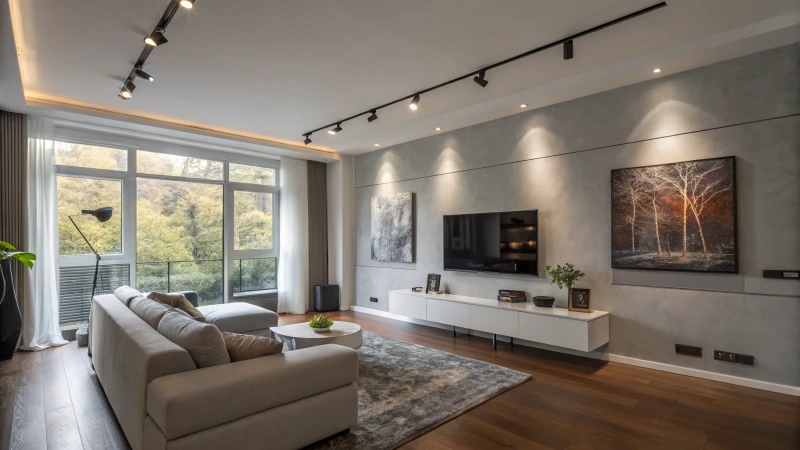
Versatility in Lighting Design
Imagine you're in the middle of a home renovation—I've been there, right in the thick of deciding which lighting would best highlight my newly painted walls or that cherished art piece. Track lighting came to my rescue with its unparalleled flexibility. You can adjust, add, or move fixtures along the track, providing the perfect spotlight for every moment. Whether it's task lighting for chopping veggies in the kitchen or accentuating the gallery wall in your living room, track lighting evolves with your evolving needs1.
Enhancing Aesthetic Appeal
I remember the first time I walked into a friend's minimalistic apartment and marveled at how the lighting seemed to make everything look effortlessly chic. That's the beauty of track lighting—its streamlined design fits seamlessly into modern, minimalist interiors. And with the option to mix LEDs and halogens, you can play with light warmth and intensity to set the perfect mood.
Energy Efficiency and Smart Technology
Being someone who always keeps an eye on electricity bills, I appreciate how track lighting incorporates energy-efficient LEDs and smart technology. Imagine adjusting your lights remotely through a smart home system2—it's a game-changer! Not only does this make life convenient, but it also helps in reducing energy consumption and costs. I found it immensely helpful during those busy days when I forgot to turn off the lights before leaving home.
Practical Applications in Various Spaces
From intimate living rooms to grand commercial galleries, track lighting offers excellent illumination without crowding your ceiling space. Its directional capability is fantastic for highlighting architectural features3 or creating focal points in any room. It's like having a magic wand that directs light exactly where you need it most.
Comparative Table: Track Lighting vs. Traditional Fixtures
| Feature | Track Lighting | Traditional Fixtures |
|---|---|---|
| Flexibility | Highly adjustable | Fixed position |
| Installation Ease | Simple, can be retrofitted | Often complex |
| Aesthetic Options | Modern, minimalist | Varied, may not suit all |
| Energy Efficiency | High with LED options | Varies widely |
| Smart Integration | Easily integrated | Typically requires upgrades |
By exploring these features, I realized just how much track lighting can elevate both the functionality and style of modern interiors. It’s not just about lighting a space—it’s about creating an environment that feels just right.
Track lighting is ideal for highlighting art pieces.True
Track lighting's adjustable fixtures allow precise illumination of artworks.
Traditional fixtures are more energy-efficient than track lighting.False
Track lighting with LEDs is more energy-efficient than most traditional fixtures.
What Role Does Smart Technology Play in Track Lighting's Future?
Imagine transforming your lighting with just a tap on your phone. That's the magic of smart technology in track lighting!
Smart technology makes track lighting more adaptive, energy-efficient, and integrative with modern building systems. It offers remote control, automation, and dynamic lighting solutions that align with sustainable practices.
%[Modern living room with track lighting and large windows]
Smart Technology and Adaptability
Smart technology empowers track lighting to adapt to various environments with ease. By integrating with smart controls4, these systems allow users to modify lighting settings remotely, enhancing convenience. This feature is particularly useful in large commercial spaces where lighting requirements change frequently.
Energy Efficiency and Sustainability
Track lighting systems equipped with smart technology prioritize energy efficiency. They incorporate LED lights and sensors to adjust brightness based on ambient conditions5. This reduces energy consumption and aligns with sustainable building practices.
| Feature | Benefit |
|---|---|
| Remote Control | Adjust lighting without physical presence |
| Automation | Pre-set schedules for energy savings |
| Integration | Seamless connection with building systems |
Integration with Building Systems
The future of track lighting lies in its ability to integrate with comprehensive building management systems. Smart technology facilitates this by enabling real-time monitoring6 and control, which enhances operational efficiency.
Design Flexibility
Smart track lighting supports open-concept layouts by providing focused and ambient lighting without cluttering the ceiling. This design flexibility makes it a preferred choice for architects and designers working on modern commercial projects.
Customization Possibilities
With smart technology, track lighting can be customized to meet specific aesthetic and functional needs. Users can create personalized lighting scenes that match their preferences or business requirements, offering a tailored experience.
The integration of smart technology into track lighting not only enhances its functionality but also supports sustainable development goals by optimizing energy use and minimizing environmental impact. As these technologies continue to evolve, they will play an increasingly significant role in shaping the future of interior design and architecture.
By embracing smart technology, businesses can leverage advanced track lighting solutions to achieve greater efficiency, adaptability, and sustainability in their projects. This trend reflects a broader movement towards intelligent, eco-friendly building practices that prioritize both performance and environmental responsibility.
Smart track lighting reduces energy consumption.True
Smart technology adjusts lighting based on ambient conditions, saving energy.
Track lighting cannot integrate with building systems.False
Smart technology enables seamless integration with building management systems.
Can Track Lighting Really Align with Sustainable Design Trends?
Imagine turning your home into an eco-friendly haven with the flick of a switch. Track lighting might just be the secret ingredient.
Absolutely! Track lighting can meet sustainable design trends by leveraging energy-efficient LEDs, smart controls, and eco-friendly materials, aligning perfectly with environmentally conscious practices while offering versatile design solutions.

I remember when I first started exploring sustainable lighting options for my home. The sheer variety of choices was overwhelming, yet track lighting stood out like a beacon of promise. It's not just about saving energy; it's about transforming spaces with both style and conscience.
Energy Efficiency and LEDs
Track lighting systems have embraced energy-efficient LED technology7, drastically reducing energy consumption compared to traditional lighting. LEDs not only last longer but also emit less heat—something I noticed immediately during those hot summer months when my air conditioner seemed to be working less.
Smart Controls for Optimization
Modern track lighting integrates smart control systems8 that allow remote management and automation. Imagine being able to adjust the brightness or schedule operations from your phone while lounging on your couch! These systems can adjust brightness, schedule operations, and even integrate with broader building management systems for optimized energy use.
| Feature | Benefit |
|---|---|
| Smart Scheduling | Reduces unnecessary lighting use |
| Remote Control | Enhances flexibility |
| Integration | Aligns with larger systems |
Use of Sustainable Materials
The shift towards using sustainable materials9 in manufacturing track lighting fixtures is gaining momentum. It feels good to know that the fixtures illuminating my space are crafted with recyclable components and eco-friendly processes. This is a small yet significant step toward reducing my environmental footprint.
Versatility in Design
In designing my living space, I found track lighting to be incredibly versatile. Its ability to blend into various aesthetics while providing focused illumination made it ideal for open-concept spaces in my home. Track lighting offers unmatched flexibility, making it suitable for projects that prioritize both aesthetic appeal10 and functionality.
Case Studies: Implementation in Projects
I've read about several large-scale projects, like the XYZ Corporate Headquarters11, that have successfully integrated track lighting into their sustainable design frameworks. These cases inspire me to consider how adaptable and energy-efficient lighting can be part of more extensive eco-friendly systems.
Analysis:
Understanding track lighting's advantages—like adaptability and energy efficiency—has been crucial for me as I explore innovative solutions for sustainable design. Incorporating track lighting within sustainable design frameworks involves understanding its advantages like adaptability and energy efficiency.
Future Trends
Looking forward, I see track lighting continuing to evolve, possibly integrating with renewable energy sources and smart city infrastructures. With technology advancing, this ongoing focus on sustainability will undoubtedly drive further innovation in materials and control systems, offering fresh insights into its role in sustainable design.
LEDs in track lighting reduce energy consumption.True
LED technology significantly lowers energy use compared to traditional lighting.
Track lighting lacks versatility in design applications.False
Track lighting offers flexibility, ideal for open-concept and diverse designs.
What Are the Key Advantages of Track Lighting Over Other Solutions?
Have you ever felt overwhelmed by the endless lighting options available today?
Track lighting stands out for its unparalleled flexibility and energy efficiency, offering customizable light direction and intensity. It's easy to install, integrates seamlessly with smart systems, and is more efficient than traditional options.

I remember standing in the lighting section of a home improvement store, feeling utterly lost among rows of light fixtures. It was like the store had turned into a maze of bulbs and shades, each promising to illuminate my space better than the last. That's when I stumbled upon track lighting—my unexpected hero in the world of interior illumination.
Adaptability and Customization
Track lighting became my go-to for its incredible adaptability. Unlike fixed setups, I could adjust the lights to highlight my favorite reading nook or showcase that abstract painting I love. In spaces like retail stores, where displays change as often as the seasons, this feature becomes invaluable. Imagine being able to move, add, or remove fixtures without needing a major renovation. The possibilities are endless!
Explore how track lighting systems12 can be adjusted to highlight specific areas or accentuate design elements.
Energy Efficiency
Switching to LED track lighting felt like upgrading from a flip phone to a smartphone. Suddenly, I was saving on energy bills without sacrificing brightness. LEDs use less power, last longer, and keep maintenance costs low—making them a no-brainer.
A comparison of traditional vs. LED track lighting:
| Feature | Traditional Lighting | LED Track Lighting |
|---|---|---|
| Energy Consumption | High | Low |
| Lifespan | Short | Long |
| Maintenance Cost | High | Low |
Smart Integration
The moment I integrated smart controls with my track lights, I felt like I was living in the future. Adjusting the brightness and color remotely or syncing with my home automation system became a part of my daily routine. This capability not only adds convenience but also supports my energy-saving efforts.
Discover how smart lighting solutions13 can transform your space with dynamic control over your environment.
Installation and Design Flexibility
I loved how easy it was to install track lighting—no major structural changes required. Whether you're setting up a new office or retrofitting an old one, track lighting fits right in. Its design versatility means it can complement any style, from industrial chic to minimalist elegance.
Learn why many designers prefer this solution for its aesthetic versatility and efficiency by understanding the difference between track lighting and other systems14 in terms of installation speed and design adaptation.
Track lighting is more energy-efficient than traditional lighting.True
LEDs in track lighting consume less power and have a longer lifespan.
Track lighting requires major structural changes during installation.False
Track lighting is easy to install with minimal structural modifications.
Conclusion
Track lighting is set to remain popular in 2025 due to its adaptability, energy efficiency, and smart technology integration, making it ideal for modern interior design.
Explore how track lighting can be adjusted to meet evolving design needs, ensuring your space remains functional and stylish. ↩
Learn about integrating track lighting with smart home systems for enhanced convenience and energy savings. ↩
Discover how track lighting can accentuate architectural elements, adding depth and interest to your interior spaces. ↩
Learn how smart controls enhance lighting convenience and flexibility. ↩
Explore how LED technology reduces energy consumption in track lighting. ↩
Discover the advantages of integrating track lighting with building systems. ↩
LEDs are known for their energy efficiency, longevity, and lower heat emission, making them ideal for sustainable track lighting solutions. ↩
Smart controls optimize energy use, reduce costs, and offer flexibility, aligning with sustainable practices. ↩
Using sustainable materials reduces environmental impact and supports eco-friendly design trends. ↩
Track lighting's design versatility supports aesthetic goals while maintaining functional efficiency. ↩
Exploring case studies helps understand practical applications of track lighting in sustainable design. ↩
Learn how adjustable track lighting enhances design flexibility and highlights key areas effectively. ↩
Discover the benefits of integrating smart controls with track lighting for enhanced convenience and efficiency. ↩
Understand the differences in installation processes and why track lighting might be more suitable for your project. ↩