
I remember when I first dabbled in solar street lights; the promise of green energy was exciting, yet a bit daunting.
The most common installation errors for solar street lights include incorrect panel orientation, improper sizing of solar panels and batteries, and inadequate mounting. These mistakes can severely impact energy efficiency and lighting performance, leaving you with less than optimal results.
Reflecting on my journey, I realized that understanding these errors was just the beginning. Each misstep had its own set of challenges and solutions. Stick around as I dive into the nitty-gritty details, sharing insights and tips that will guide you towards flawless solar street light installations.
Incorrect panel orientation reduces energy efficiency.True
Proper panel orientation maximizes sunlight absorption, enhancing efficiency.
Oversized batteries improve solar light performance.False
Oversized batteries can lead to inefficiencies and increased costs.
How Does Panel Orientation Affect Solar Efficiency?
Have you ever wondered why the orientation of solar panels is such a big deal?
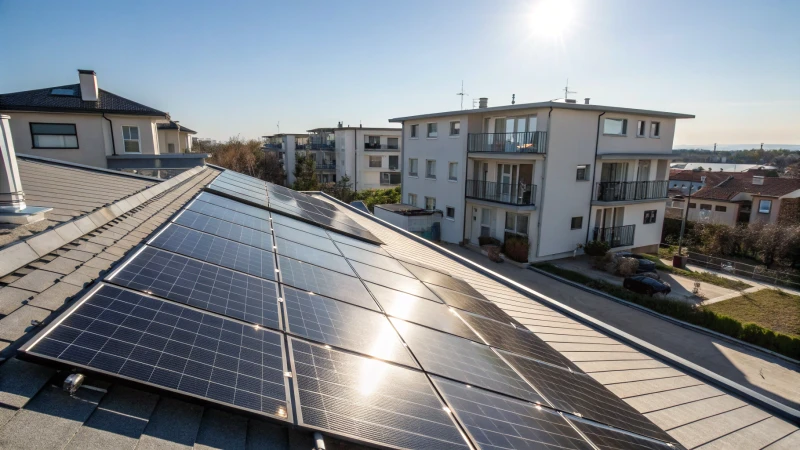
Panel orientation significantly affects solar efficiency. Ideally, solar panels in the Northern Hemisphere should face true south to maximize sunlight exposure and energy production. Incorrect orientation can lead to reduced energy absorption and efficiency.
Understanding Solar Panel Orientation
I remember the first time I saw a solar panel installation up close. It was at a friend's house, and I couldn't help but notice how meticulously they had positioned each panel. They shared that the direction in which a solar panel faces—its orientation—is crucial for capturing sunlight effectively. In the Northern Hemisphere, this means aiming the panels true south. This alignment ensures that they receive the maximum amount of sunlight throughout the day, leading to more efficient energy production. Optimizing panel orientation1 becomes essential if you're aiming for maximum solar efficiency.
The Science Behind Solar Efficiency
Think of solar panels as sun-hungry plants. They thrive when they face the sun directly. Panels oriented towards true south in the Northern Hemisphere catch more direct sunlight during peak hours, much like a sunflower turning its head to soak up the sun’s rays. On the flip side, panels facing east or west might miss out on this direct exposure, reducing their efficiency.
| Orientation | Energy Output Potential |
|---|---|
| True South | High |
| East/West | Moderate |
| North | Low |
Factors Influencing Orientation Choices
When I was first diving into the world of solar energy, I quickly learned that many factors influence how you orient your panels:
- Geographical Location: If you're closer to the equator, your strategy might differ from someone living further north.
- Roof Structure: Sometimes, your roof's shape might force you to get creative with panel placement.
- Local Weather Patterns: Weather can be unpredictable, so understanding your local climate is key to finding the best angle and direction.
Taking these factors into account helps in determining the best orientation for your solar panels, ensuring you get the most bang for your buck in terms of efficiency and cost-effectiveness.
Adjusting Orientation for Maximum Efficiency
For those of us who can't position our panels true south, there's no need to worry. You can make adjustments:
- Tilt Angle Adjustments: Changing the tilt can help make up for any directional shortcomings.
- Seasonal Adjustments: Tweaking angles with the seasons can optimize energy capture all year long. Learn more about seasonal adjustments2 to boost solar efficiency.
By understanding how panel orientation affects solar efficiency, I found I could make better decisions about solar installations. It's about finding that sweet spot between cost and energy output, and it's worth considering all these factors when planning your solar energy system.
True south orientation maximizes solar efficiency.True
Panels facing true south receive maximum sunlight, enhancing efficiency.
East-facing panels have higher energy output than south-facing ones.False
East-facing panels have moderate output due to oblique sun angles.
What Are the Consequences of Improper Sizing in Solar Setups?
Ever felt the frustration of a mismatched puzzle piece? That's what improper sizing in solar setups feels like.
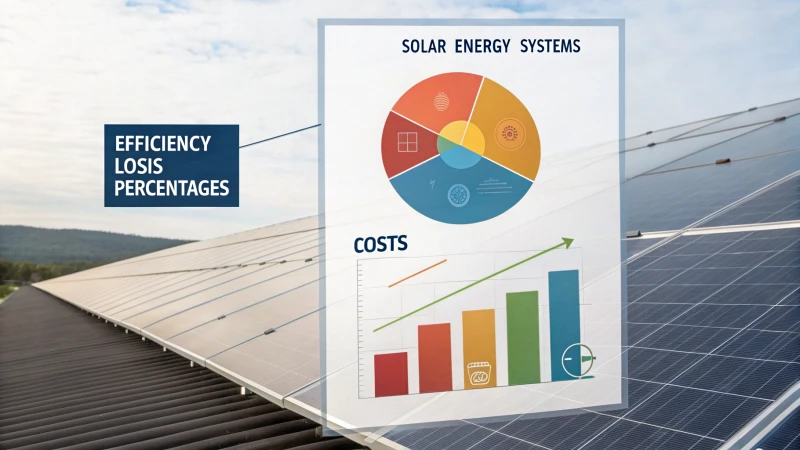
Improper sizing in solar setups leads to inefficiencies, increased costs, and potential system failures. Correct sizing ensures optimal performance and maximizes return on investment by matching components to energy needs.
Understanding Component Mismatches
I remember the time when I first dabbled with solar energy, thinking it was just about slapping some panels on the roof and calling it a day. Boy, was I wrong! One of the most eye-opening lessons I learned was the chaos that ensues from component mismatches. Imagine my surprise when those shiny solar panels didn’t quite generate enough electricity3 to power my battery. It was like trying to fill a swimming pool with a garden hose! Undersized panels meant my batteries were always half-empty, and I was scrambling for power.
On the flip side, there’s the mistake of going too big. I once splurged on an oversized inverter, thinking it would future-proof my setup. Instead, it felt like buying a high-end sports car only to realize it guzzles gas without giving the thrill. Sure, it was ready for more action, but at a cost that didn’t align with my immediate needs.
| Component | Potential Issues |
|---|---|
| Solar Panels | Inefficient energy generation |
| Batteries | Shortened lifespan due to overcharging or undercharging |
| Inverters | Increased initial costs |
Impact on System Reliability
Another hard lesson came during a particularly chilly winter. My undersized battery bank struggled, leading to frequent power outages4 just when I needed energy the most. You know that feeling when your phone dies right as you’re about to navigate somewhere important? That’s how I felt during peak demand periods when my system just couldn’t keep up.
Additionally, there’s the wear and tear aspect. Improper sizing meant my components were working overtime, and let me tell you, that meant more maintenance trips than I care to remember. Constantly fixing things not only drained my wallet but also shaved years off my system's lifespan.
Financial Implications
In terms of finances, I initially thought bigger was better. Turns out, I was just burning money. An oversized system jacked up my upfront costs without giving me much in return performance-wise. Conversely, an undersized system had me compensating for inefficiencies with extra expenses—like trying to fix an old car with endless repairs.
Properly sized systems ensure that each component operates within its optimal range, balancing upfront costs with long-term savings. Utilizing solar calculators and consulting with experts can help in making informed decisions.
Environmental Considerations
From an environmental standpoint, every kilowatt counts. Improper sizing meant I wasn’t maximizing solar energy and had to fall back on grid electricity more often than I wanted. It felt like breaking a promise to myself about reducing my carbon footprint.
In summary, understanding the consequences of improper sizing in solar setups is crucial for planning an efficient and cost-effective system that aligns with financial and environmental goals. Using tools like solar sizing calculators5 and consulting with professionals can help you avoid these pitfalls and enhance system performance.
Undersized solar panels lead to insufficient power supply.True
Undersized panels can't generate enough electricity, causing power shortages.
Oversized inverters reduce initial setup costs.False
Larger inverters increase initial costs without immediate benefits.
Why is accurate pole placement crucial for illumination?
Have you ever walked down a street at night and noticed how some areas are pitch dark while others are blindingly bright?
Accurate pole placement is crucial for even light distribution, enhancing safety and visibility. It prevents dark spots and glare, ensures energy efficiency, and meets compliance standards, making public spaces safer and more efficient.
%[A bustling nighttime city street filled with pedestrians and cars under warm streetlights]
Ensuring Uniform Illumination
Proper pole placement is like arranging a perfect symphony of lights. Too close, and you're blinded by too much brightness; too far, and you're stumbling through dark patches. I've seen how this becomes a real issue, especially at intersections or pathways where visibility is critical. The right spacing, following recommended guidelines6, can make all the difference in creating a harmonious light spread.
Reducing Shadows and Glare
I once worked on a project where we had to redo the entire pole setup because shadows from nearby trees created eerie silhouettes at night. Strategic positioning is key to minimizing these unwanted shadows and glare. It's not just about aesthetics; it's about safety for drivers and pedestrians. A thorough site analysis before installation can flag potential issues, saving headaches down the line.
Enhancing Energy Efficiency
Accurate pole placement isn’t just about looks; it’s about energy efficiency too. It's like knowing just the right amount of seasoning for your favorite dish. With proper placement, you can use lower wattage bulbs without sacrificing light quality, saving on energy costs. Plus, it helps solar-powered lights maximize their sunlight exposure7, which is crucial for their performance.
Compliance with Standards and Regulations
Different regions have their own rules on pole height, spacing, and placement. Following these standards ensures not just optimal lighting but adherence to safety norms too. I’ve seen how regulations can specify everything from pole height on sports fields to prevent excessive light spill to ensuring pedestrian pathways are well-lit. Understanding these standards8 is essential for any successful lighting project.
| Consideration | Description | Benefit |
|---|---|---|
| Pole Height | Determine based on area type | Enhances coverage |
| Spacing | Follow regional guidelines | Prevents dark spots |
| Orientation | Avoid facing direct obstacles | Minimizes shadows |
| Compliance | Adhere to local standards | Ensures safety |
In all these scenarios, accurate pole placement acts like the silent guardian of our streets and spaces, ensuring they are safe and well-lit for everyone. Whether you're planning a new project or upgrading an existing one, never underestimate the power of getting the placement just right.
Proper pole placement prevents excessive brightness.True
Correct spacing avoids over-illumination, maintaining balanced lighting.
Pole placement doesn't affect energy efficiency.False
Strategic placement reduces energy use by optimizing light distribution.
How Can Shading Impact Solar Light Performance?
Have you ever wondered why your solar lights aren't shining as brightly as you'd hoped?
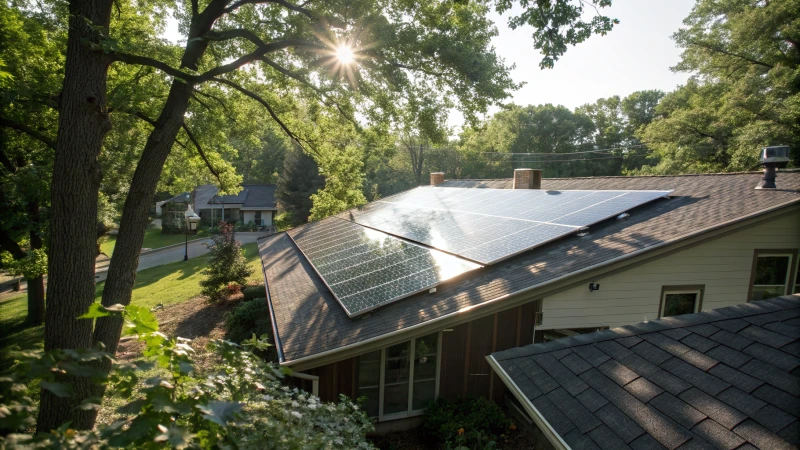
Shading impacts solar light performance by reducing the sunlight reaching panels, leading to decreased energy output. Even partial shading can drastically lower efficiency, making strategic placement essential for optimal performance.
The Science Behind Shading Effects
I remember setting up my first set of solar panels. I was so excited, imagining all the energy I’d save. But when a towering maple tree cast its shadow over the panels, my dreams of a glowing future dimmed quite literally. When solar panels9 are partially shaded, they produce less electricity because they rely on sunlight to generate power. A shaded panel can affect the entire system's output due to the series connections in a solar array.
Types of Shading
- Permanent Shading: Like that old, majestic maple, fixed objects such as buildings or trees can cause this.
- Temporary Shading: Think of fleeting shadows from clouds, leaves dancing in the wind, or birds passing by.
Each type can cause different degrees of performance loss, something I learned the hard way.
Mitigating Shading Loss
Strategic Placement: I've found positioning panels away from potential shading sources is vital. Tools like solar pathfinders10 can help map sunlight throughout the year and save you from my initial mistakes.
| Potential Obstacle | Impact |
|---|---|
| Trees | High |
| Buildings | High |
| Poles | Medium |
Panel Technology: Some panels are more resistant to shading due to different materials or configurations. For instance, micro-inverters can help mitigate losses from partial shading, something I wish I'd known sooner.
Impact Analysis with Examples
I read about a study showing that a panel shaded by 20% could lose up to 50% efficiency. This is due to the mismatch in current production among cells. Even a small shaded area can disproportionately affect energy output.
Case Study
- Location: Urban residential area with nearby trees.
- Solution: Installation of bypass diodes11 helped reduce energy losses by allowing current to bypass shaded cells.
Understanding these factors helps in making informed decisions about solar panel installation and performance optimization. Consider consulting solar experts12 for tailored advice based on your specific location and needs. If only I had known this before my initial setup—hindsight truly is 20/20!
Partial shading can reduce solar panel efficiency by 50%.True
A study indicates that 20% shading can cause up to 50% efficiency loss.
Micro-inverters increase shading resistance in solar panels.True
Micro-inverters mitigate power loss from partial shading by optimizing each panel.
Conclusion
Common installation errors for solar street lights include incorrect panel orientation, improper sizing, inadequate mounting, and shading issues, all of which can significantly reduce energy efficiency and performance.
- This link provides insights into maximizing solar panel efficiency through correct orientation strategies, enhancing energy output. ↩
- Learn about optimizing solar panel angles seasonally to maximize energy capture throughout the year. ↩
- Learn how solar panels convert sunlight into electricity, ensuring your setup meets your energy needs efficiently. ↩
- Understand common causes of power outages in solar systems to enhance reliability and prevent downtime. ↩
- Discover top tools for accurately sizing your solar components to achieve efficient energy production. ↩
- Explore these guidelines to achieve optimal light distribution, reducing dark spots and glare. ↩
- Learn how correct positioning enhances solar light efficiency by maximizing sunlight exposure. ↩
- Understand the regulations to ensure compliance and optimize lighting design in public spaces. ↩
- This link provides a comprehensive understanding of how solar panels work and their importance in energy generation. ↩
- Explore tools like solar pathfinders that help identify optimal locations for panel installation by mapping sunlight exposure. ↩
- Learn how bypass diodes can minimize energy losses due to shading by rerouting electricity around shaded cells. ↩
- Consulting a solar expert can provide tailored solutions and optimizations specific to your installation area. ↩