
%[Four distinct light bulbs labeled with their color temperatures]![]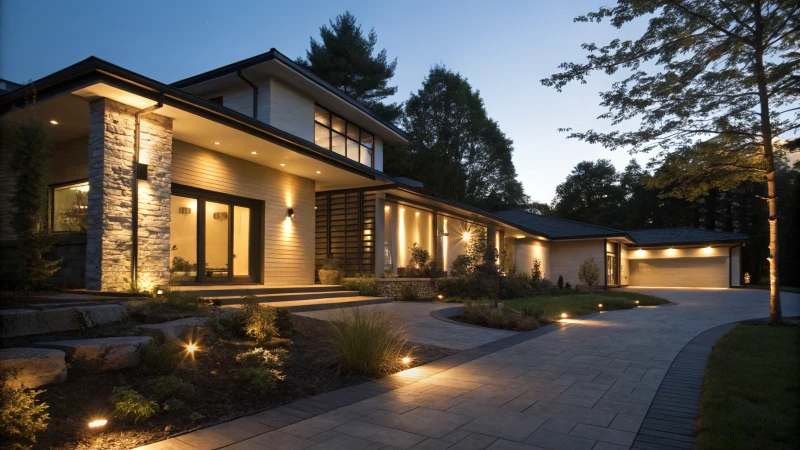
Have you ever walked into a room and felt instantly at home or, conversely, a little on edge? The secret often lies in the color temperature of the lighting.
Color temperatures like 3000K, 4000K, 5000K, and 6000K refer to the hue of light emitted from a source, influencing ambiance and functionality in different settings. For instance, 3000K creates a warm, cozy atmosphere ideal for living areas, while 6000K mimics daylight, suitable for workspaces.
I remember when I was setting up my office—facing the dilemma of choosing the right light. 3000K gave me that warm, inviting vibe I craved, perfect for those late-night brainstorming sessions. In contrast, I found 6000K in my workshop kept me alert and focused, mimicking the clarity of daylight. As I explored these options, I realized each temperature creates a unique atmosphere.
In this post, I’ll dive deeper into each color temperature, sharing my experiences and insights on where they shine best. Let’s uncover which hue suits your project needs.
3000K color temperature creates a warm atmosphere.True
3000K is known for its warm, cozy light, making it perfect for living spaces.
6000K light is best for creating a relaxing environment.False
6000K mimics daylight, which is more energizing than relaxing, ideal for workspaces.
What Is Color Temperature and Why Does It Matter?
Have you ever walked into a room and instantly felt a shift in your mood? That’s no coincidence! Color temperature plays a huge role in how we perceive light and, in turn, our surroundings. But what exactly is it, and why should you care?
Color temperature refers to the warmth or coolness of light, measured in Kelvin (K). It significantly impacts design choices and mood in spaces like homes and offices, influencing how we feel and interact with our environments.

Understanding Color Temperature
Color temperature is a characteristic of visible light that describes the warmth or coolness of a light source. Measured in Kelvin (K), it ranges from warm tones (around 2000K) to cool tones (up to 7000K).
For instance, candlelight has a warm color temperature of about 2000K, while midday sunlight can reach up to 6500K. Understanding this concept is crucial for various applications, including photography, design, and lighting. It can significantly impact the atmosphere of a space.
The Scale of Color Temperature
The color temperature scale can be broken down into several key categories:
| Color Temperature Range | Description |
|---|---|
| 1000K - 3000K | Warm white to yellow |
| 3000K - 4500K | Neutral white |
| 4500K - 6000K | Cool white |
| 6000K - 10000K | Daylight to blue |
This classification helps in choosing the right lighting for different scenarios. For example, warmer tones are often preferred in residential settings to create a cozy ambiance, while cooler tones are suitable for workspaces that require focus and clarity.
Practical Applications of Color Temperature
In photography, color temperature affects how images are captured and perceived. A photographer must adjust their camera settings based on the lighting conditions to achieve the desired effect. For instance, using a warmer filter can help correct the colors during a sunset shoot, enhancing the mood of the picture. Explore more about photography lighting techniques1.
In interior design, choosing the correct color temperature can influence how people feel in a space. Warmer lights promote relaxation and comfort, making them ideal for living rooms and bedrooms, whereas cooler lights are often used in kitchens and offices to foster productivity. For more insights on lighting design principles2, check this out.
Why Color Temperature Matters
Understanding color temperature is essential not just for aesthetic choices but also for energy efficiency. Different bulbs emit varying temperatures; LEDs, for example, can be designed to emit specific color temperatures while consuming less energy. This means you can achieve the right atmosphere without unnecessary energy expenditure.
Additionally, color temperature plays a role in mood and behavior. Studies show that cooler light can enhance alertness and focus, while warmer light can help reduce stress and promote relaxation. This is particularly important in spaces like offices or healthcare facilities where lighting can impact performance and well-being. Discover more about lighting's psychological effects3.
Understanding these aspects allows individuals and businesses to make informed decisions when selecting lighting solutions, ensuring that they achieve both their aesthetic goals and functional needs effectively.
Color temperature is measured in Kelvin (K).True
Color temperature quantifies the warmth or coolness of light, ranging from warm at 2000K to cool at 7000K.
Cooler light temperatures promote relaxation and comfort.False
Cooler light temperatures are typically associated with alertness, while warmer tones promote relaxation, especially in residential settings.
How Do Different Color Temperatures Impact Mood and Productivity?
Have you ever noticed how the lighting in a room can change the whole vibe? From the warm glow of a cozy evening to the bright clarity of a sunlit workspace, color temperatures can profoundly affect our moods and productivity. Let’s explore how these variations shape our daily lives.
Different color temperatures significantly influence mood and productivity. Warmer light creates a sense of relaxation, perfect for home settings, while cooler light enhances focus and alertness, ideal for workspaces. Choosing the right lighting can optimize both your work environment and your living spaces.

Understanding Color Temperature
Color temperature is measured in Kelvin (K) and describes the hue of a specific type of light source. It ranges from warm tones (like candlelight, around 2000K) to cool tones (like daylight, around 6500K). This range plays a vital role in influencing human perception, emotions, and productivity levels.
For instance, warmer light (below 3000K) tends to create a cozy and inviting atmosphere, making it ideal for residential settings. In contrast, cooler light (above 5000K) is often used in workspaces as it mimics daylight and can enhance alertness and concentration. Understanding this spectrum can be beneficial for anyone looking to optimize their environment for specific tasks or emotional states.
The Psychological Impact of Color Temperature
Numerous studies have shown that different color temperatures can significantly impact mood. Warm light promotes relaxation and comfort, whereas cool light can increase alertness and focus. For example:
| Color Temperature | Mood Effect | Best Use Case |
|---|---|---|
| 2000K - 3000K | Relaxation, Warmth | Living rooms, Bedrooms |
| 3000K - 4000K | Balanced, Inviting | Offices, Meeting Rooms |
| 4000K - 5000K | Alertness, Focus | Classrooms, Workstations |
| 5000K - 6500K | Clarity, Energy | Hospitals, Retail Spaces |
These insights suggest that selecting the appropriate color temperature can enhance workplace productivity while also fostering a positive emotional environment.
Applications in Workplace Design
Incorporating the right color temperature into workplace design can lead to improved performance and employee satisfaction. Research indicates that:
- Cool light improves cognitive function and task performance—ideal for high-focus areas.
- Warm light fosters collaboration and communication in informal meeting spaces.
I remember when we revamped our office layout—strategically placing cooler lights in areas where we needed concentration and warmer lights in lounges where teams would gather. The difference was palpable; people felt more energized during work hours and relaxed during breaks.
Practical Tips for Implementing Color Temperature Changes
Here are some practical tips I've gathered from my experiences that you might find helpful:
- Experiment with Dimmer Switches: Allow for flexibility in lighting; adjust color temperatures based on time of day or activity. I love dimming the lights in the evening for a more relaxing atmosphere.
- Use Smart Lighting Solutions: Implement systems that can automatically adjust based on natural light availability or user preferences. It’s incredible how these solutions can enhance both mood and productivity.
If you’re curious about how to implement these changes effectively in your own space, check out smart lighting solutions4.
Ultimately, understanding how color temperature impacts mood and productivity enables individuals and organizations to create environments that foster well-being and efficiency. With the right knowledge and tools at hand, transforming your surroundings to meet your needs is not just a possibility—it's entirely achievable.
Cool light enhances alertness and productivity in workspaces.True
Studies show that cooler light (above 5000K) increases focus and cognitive function, making it ideal for work environments.
Warm light creates a cozy atmosphere suitable for relaxation.True
Warm light (below 3000K) promotes comfort and relaxation, making it perfect for living spaces like bedrooms and living rooms.
Which Color Temperature Is Best for Outdoor Security Lighting?
Choosing the right color temperature for outdoor security lighting isn't just about visibility; it's about creating a safe, welcoming environment. But how do we find that perfect balance?
**For outdoor security lighting, the ideal color temperature generally falls between 4000K and 6500K. Cooler temperatures boost visibility and safety, particularly in high-security areas where every detail matters, and shadows can hide dangers lurking in the dark. It’s all about ensuring you can see clearly when it matters most!
Understanding Color Temperature in Lighting
Color temperature, measured in Kelvin (K), indicates the hue of a light source. I’ve learned that selecting the right color temperature can significantly enhance both safety and aesthetics in outdoor spaces.
Here’s a quick breakdown of the main categories:
In my own projects, I’ve noticed that cooler temperatures (5000K and above) mimic daylight effectively, making it easier to identify colors and details when visibility is crucial.
The Impact of Color Temperature on Safety
Brighter, cooler light not only enhances safety by reducing shadows but also increases visibility. This is especially critical in areas that may attract unwanted attention. I remember reading a study that highlighted how well-lit areas with higher color temperatures (around 6000K) reported fewer incidents of vandalism compared to those with warmer lights. See study results.
Creating a balanced lighting approach can enhance the sense of security while also being visually appealing. I’ve found that taking the time to think about how light interacts with an environment can make all the difference.
Aesthetic Considerations for Outdoor Lighting
While functionality is essential, I’ve learned not to overlook aesthetics. Warm lights create a cozy atmosphere that invites people in, making them perfect for residential settings. On the other hand, cooler lights tend to convey a modern, secure vibe that many businesses prefer.
When designing outdoor spaces, I often consider how different color temperatures will complement landscaping and architectural elements. This thoughtfulness can enhance both security and visual appeal—something that matters immensely to me.
Energy Efficiency and Smart Solutions
In today’s world, energy efficiency is more than just a buzzword; it’s a necessity. I’ve found that opting for LED fixtures gives me various color temperature options while consuming less power— a win-win!
Integrating smart lighting controls is another game-changer. It allows me to adjust color temperatures based on time or occupancy, optimizing both security and energy use. Explore smart lighting solutions.
Final Thoughts on Choosing Color Temperature
When it comes to selecting outdoor security lighting, my approach is always to aim for a color temperature that serves both safety and aesthetic goals. It’s important to think about the unique needs of each area and how different temperatures affect visibility and ambiance. Doing thorough research has always guided me toward making informed decisions—and I encourage you to do the same!
By sharing my insights and experiences, I hope to help you illuminate your spaces safely and beautifully!
If you have any questions or want to explore your options further, feel free to reach out!**

Understanding Color Temperature in Lighting
As I reflect on my experiences with outdoor lighting, I realize how essential it is to understand color temperature in lighting. It’s not just a technical choice; it’s about creating a space where I feel safe and secure. Let’s dive into what color temperature really means and how to choose the best one for your needs.
Color temperature, measured in Kelvin (K), indicates the hue of a light source. For outdoor security lighting, it's crucial to choose a color temperature that enhances visibility and safety.
Generally, security lights fall into three main categories:
| Color Temperature | Description | Best Use Case |
|---|---|---|
| 2700K - 3000K | Warm White | Residential areas, decorative settings |
| 4000K - 4500K | Cool White | Commercial settings, general outdoor areas |
| 5000K - 6500K | Daylight | High-security zones, parking lots |
Choosing the right temperature can greatly affect the effectiveness of your security lighting. For example, cooler temperatures (5000K and above) tend to mimic daylight, making it easier to identify colors and details in the dark.
The Impact of Color Temperature on Safety
Brighter, cooler light can enhance safety by reducing shadows and providing better visibility. This is particularly important in areas prone to crime.
A study showed that well-lit areas with higher color temperatures (around 6000K) reported fewer incidents of vandalism compared to those with warmer lights. See study results5.
Additionally, a balanced lighting approach can make spaces feel more secure while also being aesthetically pleasing.
Aesthetic Considerations for Outdoor Lighting
While functionality is key, aesthetics should not be overlooked. Warmer lights create a welcoming atmosphere, making them suitable for residential areas, while cooler lights are often perceived as more modern and secure.
When designing outdoor spaces, consider how the color temperature will complement your landscaping and architectural elements. This balance can enhance both security and visual appeal.
Energy Efficiency and Smart Solutions
In today's market, energy efficiency is paramount. Opting for LED fixtures can provide various color temperature options while consuming less power.
Moreover, integrating smart lighting controls allows you to adjust color temperatures based on time or occupancy, optimizing both security and energy use. Explore smart lighting solutions6.
Final Thoughts on Choosing Color Temperature
When selecting outdoor security lighting, aim for a color temperature that meets both safety and aesthetic goals. Consider the specific needs of the area and how different temperatures can affect visibility and ambiance. Further research into your options can guide you toward making an informed decision.
Cooler light temperatures improve outdoor visibility.True
Cooler light temperatures, especially above 5000K, enhance visibility and safety in outdoor areas by mimicking daylight, reducing shadows.
Warm white lighting is best for high-security zones.False
Warm white lighting (2700K-3000K) is not suitable for high-security zones, where cooler temperatures are more effective for safety and visibility.
Can You Mix Color Temperatures in One Space?
Have you ever walked into a room and felt an instant shift in mood, all thanks to the lighting? I’ve experienced this firsthand, and it got me wondering: can mixing different color temperatures in one space really create that magic? Let’s dive into the world of lighting and discover how to make it work for you!
Yes, you can mix color temperatures in one space! It enhances ambiance and functionality if done thoughtfully. Balance warm and cool lights to create depth and improve mood.

Absolutely, you can mix color temperatures in one space! When I first tried this in my own home, I was amazed at how it enhanced both the ambiance and functionality. The key is to balance warm and cool lights thoughtfully, creating depth and improving the overall mood.
Understanding Color Temperature
Color temperature, measured in Kelvin (K), describes how light appears when emitted from a source. Here’s a quick breakdown that I found incredibly helpful:
| Color Temperature (K) | Description | Typical Use Cases |
|---|---|---|
| 2700K - 3000K | Warm White | Living rooms, bedrooms |
| 3500K - 4100K | Neutral White | Kitchens, offices |
| 5000K - 6500K | Cool White to Daylight | Retail spaces, task-oriented areas |
When I began experimenting with these temperatures, I quickly realized how they interact with each other. Warm tones wrap you in coziness, making spaces feel inviting, while cooler tones can spark focus and energy—perfect for workspaces!
Aesthetic Considerations
Creating a well-balanced lighting design is like composing a beautiful piece of music; each element plays its part in harmony. Here are some tips that I’ve gathered:
- Layering Lights: This is where the magic happens. I love using a combination of ambient, task, and accent lighting. For instance, I opt for warm LEDs for my living room's ambient glow but switch to cooler task lights in my kitchen when I'm cooking up a storm.
- Zoning: Think about the different areas of your space and their unique lighting needs. For me, the relaxation zone is all about warm lights, while my office demands cooler lights that keep my brain buzzing with ideas.
- Dimmer Switches: These are a game-changer! I installed dimmers to adjust the ambiance depending on whether I’m hosting friends or enjoying a quiet night in.
Using dimmer switches7 has transformed my space, allowing me to control the intensity of different light temperatures and achieve that perfect balance.
Potential Pitfalls
While mixing color temperatures can elevate your design, there are a few common pitfalls I've encountered:
- Clashing Colors: It’s easy to create a jarring effect if you don’t pay attention. I learned to test combinations before finalizing my choices—it saves a lot of heartache!
- Inconsistent Lighting: Be cautious about brightness levels across fixtures. Otherwise, one temperature might overpower another, and nobody wants that!
- Cohesive Theme: Keeping a consistent style across different light sources is crucial for that polished look we all crave.
Practical Advice for Mixing Lights
Here’s what works for me when mixing lights:
- Start with a Base: Choose a dominant color temperature as your foundation. For me, it’s warm white in the living room; it creates such a welcoming atmosphere!
- Accent Wisely: Use contrasting temperatures sparingly. I find they work beautifully as accents or highlights to draw attention to specific features without overwhelming the space.
- Test & Adjust: Before settling on a final design, experiment with various combinations. I often move things around until I find what feels right—trust me, it makes all the difference!
Using these strategies will not only help you achieve a cohesive look but also ensure your space is functional and comfortable. I promise that with some thoughtful planning, you’ll love the ambiance you create!
For further insights on creating effective lighting schemes, consider exploring expert advice to enhance your project.
Mixing color temperatures can enhance room ambiance.True
Combining different light temperatures creates a unique atmosphere, improving the overall feel of the space when balanced correctly.
Cool lights are always better for living rooms.False
Warm lights are more suitable for living rooms, as they create a cozy and inviting environment, unlike cooler lights that promote focus.
Conclusion
Explore the impact of color temperatures (3000K to 6000K) on mood and productivity, and learn how to select the right lighting for various environments.
Explore how different color temperatures can influence mood and productivity in various environments. ↩
Learn about the relationship between color temperature and energy efficiency in lighting solutions. ↩
Discover how photographers adjust settings based on color temperature for optimal image quality. ↩
Explore scientific studies that highlight the effects of lighting on mood and productivity. This could provide valuable insights for your projects or personal spaces. ↩
Discover the benefits of different color temperatures for outdoor security lighting, enhancing your decision-making process. ↩
Learn about energy-efficient options for outdoor lighting that combine aesthetics with functionality. ↩
Discover expert insights and practical tips on mixing color temperatures effectively in your space. ↩