
Setting up the perfect nursery isn’t just about picking cute cribs and cozy rugs; it’s about creating a haven where your baby can feel safe and calm, especially when it comes to lighting.
When choosing nursery lighting, prioritize safety by selecting eco-friendly, low-heat LED options. Choose dimmable, warm lights (2700K–3000K) and integrate smart controls for energy efficiency. Design the light fixture to match the nursery theme and ensure it’s glare-free and child-proof to guarantee comfort and safety for your child.
I remember when I was preparing my own nursery, I quickly realized that lighting wasn’t just a functional necessity—it was a critical part of the environment I wanted to create for my little one. There’s something special about finding just the right glow that makes bedtime stories feel magical and late-night feedings a bit more serene.
While safety and adjustability were at the top of my list, I also wanted to ensure the lights I chose would blend seamlessly with the room’s theme—stars and soft blues. With so many options, I found it helpful to dive deeper into factors like color temperature and design aesthetics. These considerations helped me create a nursery that wasn’t just a room, but a comforting cocoon for my baby’s early years.
LED lights are the safest option for nursery lighting.True
LED lights emit low heat, reducing the risk of burns or fire.
Smart controls increase energy usage in nursery lighting.False
Smart controls optimize energy use by allowing precise lighting adjustments.
What Should I Consider for Nursery Light Safety?
Choosing the right nursery lights can feel daunting, but it's all about creating a safe, cozy haven for your little one. Let's explore what to look for.
Key safety features in nursery lights include non-toxic materials, low heat emission, adjustable brightness, energy efficiency, and thoughtful design to avoid glare and flicker.
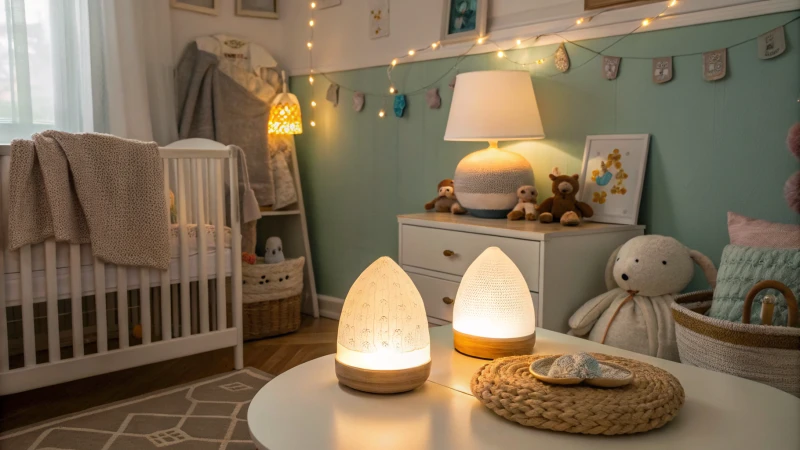
Non-Toxic Materials
I remember when I first set out to choose nursery lights, I was determined to ensure every aspect was safe for my baby. One of the primary concerns was the materials used in these fixtures. It's crucial to select products made from eco-friendly, non-toxic materials. Babies are naturally curious explorers, so they might end up touching or even trying to taste parts of their environment. Look for BPA-free options and steer clear of anything with sharp edges or flammable components. Often, the product's packaging or the manufacturer's website will provide this information. For added assurance, consider checking product certifications1 before making a purchase.
Low Heat Emission
One thing I quickly learned was that LED lights are a parent's best friend. Unlike traditional bulbs that can get quite hot, LEDs emit minimal heat, reducing the risk of burns or discomfort. This is particularly important for overhead lights or lamps within a child's reach. Plus, LEDs tend to be more energy-efficient, which means they can save you money in the long run. To delve into the energy benefits of LEDs further, explore this resource2.
Adjustable Brightness and Color Temperature
Creating the right ambiance for bedtime can make all the difference in helping your baby sleep well. I found that soft, adjustable lighting with dimmer options allowed me to tailor the brightness to my child's needs, especially during those late-night feedings. Opt for warm white or soft yellow tones (2700K–3000K) as they are less likely to overstimulate your child than bright, cool lights (5000K and above). Studies suggest these tones contribute positively to a soothing environment. If you're curious about how light color impacts mood and sleep, this article might help3.
Energy Efficiency
When it comes to energy efficiency, investing in LED lights is a no-brainer. They not only save energy but also boast a longer lifespan compared to traditional bulbs, meaning fewer replacements over time. Some nursery lights even come equipped with smart features like timers or motion sensors, optimizing energy usage and offering hands-free operation for parents who have their hands full. For more on enhancing your nursery setup with these features, read more here4.
Design Considerations
As I explored different lighting options, it became clear that safety also involves thoughtful design. Nursery lights should have no glare or flicker as these can strain a baby's eyes and disrupt sleep. Ensure that fixtures are proportionate to the room's size and positioned strategically to avoid direct exposure to your baby's eyes. Additionally, it's essential that cords are hidden or securely fastened to prevent accidental pulling or choking hazards. For guidance on safe fixture placement, this guide could be useful5.
Nursery lights should be BPA-free for safety.True
BPA-free materials prevent exposure to harmful chemicals, ensuring safety.
LED lights emit more heat than traditional bulbs.False
LED lights emit less heat, making them safer and more efficient than traditional bulbs.
How Does Lighting Affect Your Baby’s Sleep Patterns?
Ever wondered why your little one struggles to sleep through the night? The answer might be in the lighting!
Lighting plays a crucial role in your baby's sleep patterns by influencing melatonin levels. Bright lights, especially blue light, can suppress melatonin, making it harder for babies to drift off. Opting for soft, warm lighting can mimic the calming hues of dusk, promoting better sleep.

The Role of Melatonin in Baby Sleep
I remember the first few months with my baby, juggling sleepless nights and desperate for any advice that could help us both catch some Zs. Little did I know that the bright lights in our nursery were part of the problem! Melatonin, often dubbed the "sleep hormone," controls our natural sleep-wake cycles. Babies, with their sensitive systems, can easily have their melatonin production disrupted by exposure to bright or blue light—like those from screens or harsh bulbs. By switching to warm, dim lights in the evening, I noticed a shift; bedtime became less of a battle and more of a gentle wind-down. Investing in smart lighting controls that automatically adjust the brightness made our lives even easier, providing optimal lighting conditions without me having to think twice.
Types of Lighting for a Sleep-Friendly Environment
Warm vs. Cool Lighting
Navigating the world of lighting was a revelation. Warm lighting (2700K to 3000K) is akin to the soothing glow of a sunset—a far cry from the energizing cool lights we used during daytime. I quickly learned to reserve those for when we needed a boost and stuck to warm hues at night.
| Lighting Type | Color Temperature | Recommended Time |
|---|---|---|
| Warm Light | 2700K–3000K | Nighttime |
| Cool Light | 5000K and above | Daytime |
Dimming Options
One of my favorite tricks was incorporating dimmable lights. As bedtime approached, gradually lowering the light intensity signaled to my baby that it was time to settle down. It was like orchestrating our own little sunset routine every night! Explore more on dimming options6.
Practical Tips for Optimizing Nursery Lighting
- Use Night Lights: I swear by low-intensity, warm-colored night lights. They allowed me to navigate late-night feedings without jarring my baby awake.
- Smart Lighting Systems: We invested in smart systems that adjusted based on the time of day, seamlessly creating an environment conducive to rest.
- Avoid Screens Before Bed: At least an hour before bedtime, I made sure to minimize exposure to blue light from screens—a small change with a big impact on those all-important sleep hormones.
Understanding how lighting affects sleep and making mindful choices transformed our nights. By creating a cozy, dimly-lit sanctuary, you can gently guide your baby into healthier sleep patterns. Discover smart lighting systems7 that can turn your nursery into a haven of restful slumber.
Warm lighting promotes better sleep for babies.True
Warm lighting supports melatonin production, aiding sleep.
Cool lighting is ideal for nighttime in nurseries.False
Cool lighting is overstimulating and should be avoided at night.
Why Is Energy Efficiency Important in Nursery Lighting?
When I was setting up my baby's nursery, I realized that lighting choices go beyond aesthetics. It's about safety, sustainability, and creating a cozy environment.
Energy efficiency in nursery lighting is vital for creating a safe, cost-effective, and eco-friendly space for your child. LED lights, with their minimal heat emission and energy-saving properties, offer a practical solution that benefits both your family and the environment.
%[Cozy nursery with soft lighting and colorful decor]
The Importance of Energy Efficiency in Nurseries
When setting up a nursery, the focus often lies on safety and comfort8 for the child. Energy efficiency plays a crucial role in achieving these goals.
LED lights, for instance, emit little to no heat, ensuring that the nursery remains safe from potential burns or discomfort.
Economic Benefits of LED Lighting
One of the best pieces of advice I received was to consider the long-term benefits of my purchases. LED lights not only save energy but also last much longer than traditional bulbs. Fewer replacements mean fewer trips to the store and more money saved over time—funds that I can now use for other baby essentials like diapers or toys!
| Feature | Benefit |
|---|---|
| Low Heat Emission | Safer for babies |
| Long-lasting | Fewer replacements |
| Energy-efficient | Lower electricity bills |
By consuming less electricity, LED technology9 leads to significant savings on utility bills, freeing up resources for other essentials.
Environmental Impact
In today's world, I feel a responsibility to make eco-friendly choices whenever possible. Switching to LED lights in the nursery was a small step towards reducing our family's carbon footprint. Knowing that these lights are made from recyclable materials aligns perfectly with our commitment to sustainability.
Switching to energy-efficient lighting like LEDs also has a positive impact on the environment. Reduced energy consumption means a smaller carbon footprint. In a time when environmental sustainability10 is paramount, making such choices contributes to a healthier planet.
Enhancing Child Development
Lighting plays such an important role in setting the mood in a nursery. Bright, cool lights can be overstimulating, while warm, soft lights are calming and conducive to sleep. Energy-efficient LEDs offer adjustable color temperatures,
allowing parents to customize the ambiance according to the time of day or specific activities.
Incorporating dimmer options ensures flexibility and supports various nursery activities—from bedtime routines to nighttime feedings.
Safety Features and Smart Controls
One feature I particularly appreciate is the flicker-free and glare-free lighting, which ensures smooth illumination—vital for my baby’s developing eyes. Plus, integrating smart controls means I can manage the lights with ease.
Whether it’s using a timer or motion sensor, these smart systems keep our energy use efficient while making life just a bit easier.
Furthermore,
smart control systems11 can optimize lighting usage through timers or motion sensors, ensuring lights are only on when needed, thus saving more energy.
LED lights emit little to no heat in nurseries.True
LED lights are designed to emit minimal heat, enhancing nursery safety.
LED lighting increases electricity bills in nurseries.False
LED lighting is energy-efficient, reducing electricity consumption and costs.
How Can You Match Nursery Lighting with Room Decor?
When I was first setting up my little one's nursery, I realized how lighting could transform the entire space.
To match nursery lighting with room decor, I recommend considering the room's color palette, theme, and functional needs. Choose lighting fixtures that not only complement these elements but also enhance the room's style and practicality.
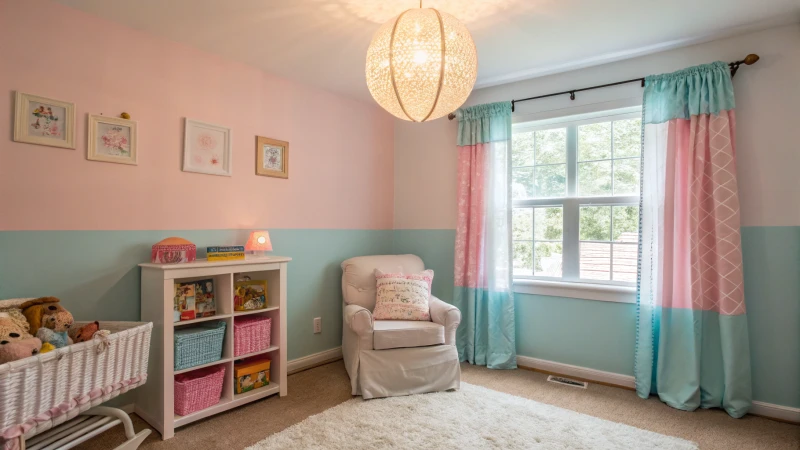
Consider the Room's Color Palette
I remember standing in the middle of my nursery, paint samples in hand, trying to envision how everything would come together. If you've been there, you know how crucial it is to start with the colors already present. Is there a dominant shade or a mix of soothing pastels? Picking a light fixture that harmonizes with these hues can create a seamless look. Imagine a soft pink lamp12 adding a gentle touch to a pastel-themed room.
Align with the Nursery Theme
Themes can transport you to another world. Whether it's animals, outer space, or enchanting fairy tales, your lighting can be an extension of that theme. I found that a star-shaped pendant light was perfect for our galaxy-themed nursery. Meanwhile, a woodland creature night light13 would be an adorable fit for an animal-themed setting.
| Theme | Lighting Suggestion |
|---|---|
| Animal | Woodland creature night light |
| Space | Star-shaped pendant light |
| Fairy Tale | Castle-shaped lamp |
Focus on Functionality
As a parent, functionality is always on my mind. I quickly learned the value of having dimmer switches to adjust brightness during those late-night feedings. Opting for LED bulbs not only kept the room cooler but also saved energy—a win-win for both comfort and cost. A smart lighting system14 became my best friend, offering hands-free control when my hands were full.
Proportional Size and Placement
I once made the mistake of getting a chandelier that was too large for our small nursery. It overwhelmed the room rather than enhancing it. Lesson learned: ensure your lighting fixtures are proportionate to your space. Proper placement, like overhead lighting diffused through a shade, provides gentle illumination without harsh shadows.
Balance Aesthetics with Safety
Safety is always at the forefront of my decisions. Ensuring all cords are securely fastened and choosing fixtures made from non-toxic materials is crucial. Avoid lights that flicker, as they can strain a baby's eyes. Instead, opt for flicker-free options15 to ensure a serene environment.
A star-shaped pendant suits a space-themed nursery.True
Star shapes align with space themes, enhancing visual appeal.
LED bulbs emit more heat than traditional bulbs.False
LEDs emit less heat, making them safer for nurseries.
Conclusion
Choosing the perfect nursery light involves prioritizing safety, energy efficiency, and soothing ambiance through eco-friendly materials, adjustable brightness, and thoughtful design to create a calming environment for your baby.
Certifications ensure product safety standards are met, providing assurance of non-toxic and safe materials for your nursery. ↩
Understanding the energy-saving potential of LEDs can help reduce costs and promote sustainable living. ↩
This link delves into how different light colors can impact sleep patterns, helping you choose the best option for your nursery. ↩
Explore how smart controls offer convenience and energy savings, especially beneficial for managing night-time lighting needs. ↩
Learn about effective nursery light placement strategies to ensure safety and optimal lighting conditions. ↩
Learn how dimmable lights can help create a calming bedtime atmosphere and support healthy sleep patterns. ↩
Find smart lighting solutions designed for nurseries that provide automatic adjustments and customizable settings. ↩
Safety is paramount in nursery design. Explore how safety-focused lighting choices enhance your child's environment. ↩
Understand how LED lighting can save money through reduced electricity bills and fewer replacements. ↩
Learn how choosing LEDs contributes to environmental sustainability by reducing carbon footprints. ↩
Explore smart lighting controls that offer convenience and energy savings in home settings. ↩
This link offers ideas on selecting a soft pink lamp that blends seamlessly with pastel-themed nurseries. ↩
Explore charming woodland creature night lights that add whimsy to an animal-themed nursery. ↩
Discover smart lighting systems perfect for nurseries, offering convenience and efficiency. ↩
Learn about flicker-free lighting options to ensure eye safety and comfort in nurseries. ↩