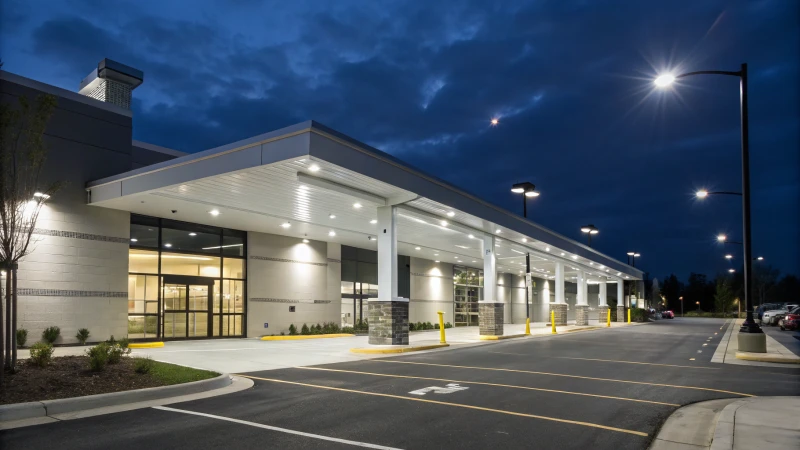
Deciding on the right LED canopy light can feel like picking the perfect recipe from a cookbook.
When choosing the best LED canopy light, consider wattage (150W-300W), color temperature (5000K-6000K), and IP rating (IP65 or higher) for outdoor resilience. Ensure energy efficiency and a lifespan of over 50,000 hours. Look for durable materials, heat dissipation, and certifications like UL or DLC for safety and performance.
I remember when I first had to select lighting for a big commercial project. The sheer number of options was overwhelming, much like choosing a dish at an unfamiliar restaurant. But breaking it down—considering where the light would be installed, how bright it needed to be, and its energy efficiency—made the decision clearer. Each factor felt like adding an essential ingredient to a winning recipe. Let’s dive deeper into these aspects to see how they can help illuminate your choices.
LED canopy lights with higher wattage are always more efficient.False
Higher wattage doesn't guarantee efficiency; lumens per watt is key.
Durability is crucial for LED canopy lights in harsh environments.True
Durability ensures longevity and reliability in challenging conditions.
How Does the Installation Environment Affect Your Choice?
Ever tried picking the perfect lighting, only to feel like you're navigating a maze of technical jargon?
Choosing the right lighting means considering how the installation environment affects factors like weather resistance, wattage, color temperature, and efficiency. This understanding helps ensure the best performance and longevity for your specific needs.
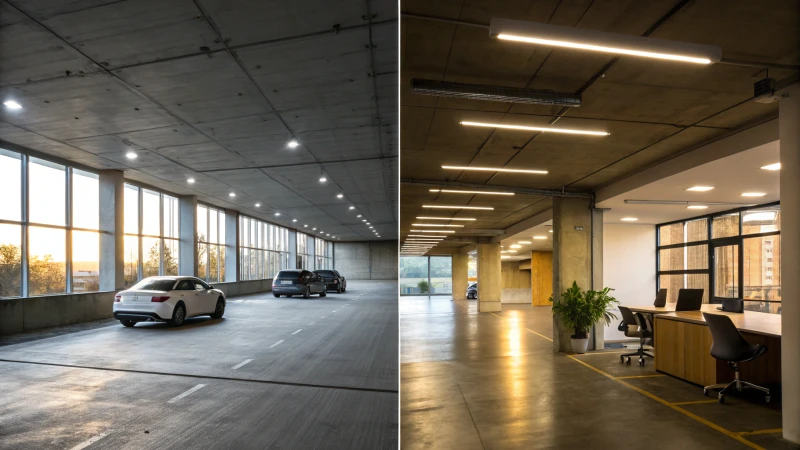
Assessing Environmental Conditions
I remember when I first tackled lighting for an outdoor space. It was like trying to dress for a day with unpredictable weather—one minute it's sunny, the next, pouring rain. That's where the magic of IP ratings came in. For spaces exposed to the elements, weather-resistant features are non-negotiable. With an IP65 rating, I knew the lights would stand strong against dust and water jets. But if you've ever been caught in a torrential downpour, you'd appreciate the IP67 or IP68 options for complete dust and water protection.
For more on installation environment1, our guide dives into choosing suitable lighting based on environmental conditions.
Wattage and Brightness Requirements
Here's a story: I once underestimated the wattage for a large parking lot. It was like trying to light a football field with a flashlight—not effective! So I learned to measure the space and its function carefully.
| Area Size | Recommended Wattage |
|---|---|
| Small | 150W - 200W |
| Large | 250W - 300W |
In commercial parking lots, 150W to 200W typically does the trick, but larger areas might need up to 300W for full illumination.
Color Temperature Preferences
Color temperature is like setting the mood at a party. For outdoor setups like gas stations, cool white (5000K-6000K) enhances visibility, ensuring safety during those late-night refuels. But for commercial entrances, nothing beats a warm 3000K light to make you feel right at home.
Efficiency and Lifespan Considerations
Energy efficiency always gets my vote. High luminous efficacy lights not only save on energy bills but are especially beneficial in extensive setups. LEDs are my go-to, offering 100-130 lumens per watt—a perfect balance of performance and cost.
Durability and Build Quality
In tough environments, it's all about resilience. Durable materials like die-cast aluminum can withstand impacts and harsh weather. Trust me, I've learned the hard way that a good heat sink is essential to keep things cool and extend the life of your lights.
To explore more about durability factors2, check our in-depth guide on choosing the right build quality for your lighting needs.
Certification and Compliance Importance
When it comes to safety and quality, certifications are your best friend. Ensuring products meet UL or ETL standards offers peace of mind while Energy Star or DLC certifications can mean rebates, adding value to your investment.
Planning a lighting project? Remember that certifications3 are more than just red tape; they symbolize a commitment to safety and sustainability.
IP65 rating ensures dust and water jet protection.True
IP65-rated lights are protected against dust and low-pressure water jets.
Cool white lighting is ideal for commercial entrances.False
Cool white is better for visibility; softer 3000K suits entrances.
Why Are Wattage and Lumen Output Crucial for Your Space?
You know that feeling when you walk into a room and the lighting just feels... right?
Wattage is all about how much energy your light is using, while lumens tell you how bright it will be. Striking a balance between the two means you get the perfect lighting without sky-high energy bills, enhancing both mood and efficiency.
%[A cozy modern living room with stylish lighting fixtures]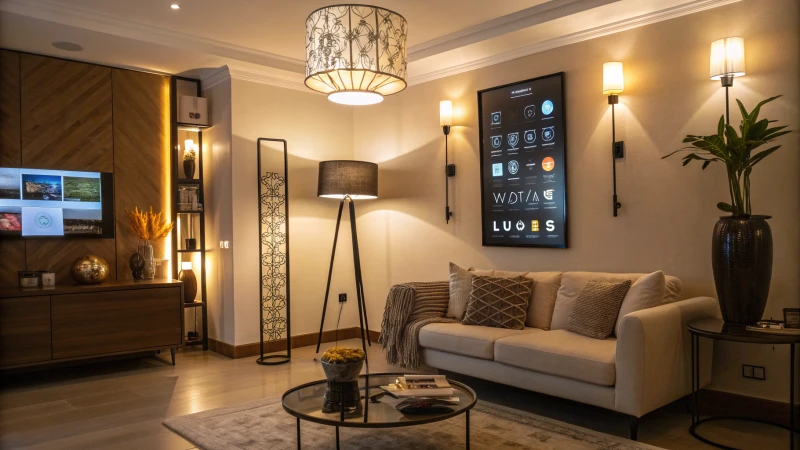
Understanding Wattage and Lumens
So, let me break this down: wattage measures how much electricity your lights are guzzling, and lumens are all about brightness. Think of it like choosing between a gas-guzzler car and a hybrid; high lumens with low wattage mean you're getting more bang for your buck on the brightness front. It's like finding that perfect pair of shoes that are both stylish and comfortable! Energy-saving solutions4 come from this balance.
The Impact on Energy Efficiency
Now, who doesn’t want to save a bit on those pesky energy bills? Lower wattage with high lumens means you can have bright, inviting lighting without feeling the pinch every time the bill comes. I remember when I switched to LED bulbs at home—more lumens per watt meant not just a sunnier kitchen but also more money left for family adventures.
Tailoring Lighting to Your Needs
Different rooms need different vibes. For instance, in my home office, I aim for 3000-4000 lumens to keep productivity high. Meanwhile, the living room is more about cozy evenings with around 1500-3000 lumens. Here's a quick guide:
| Space Type | Recommended Lumens |
|---|---|
| Office | 3000-4000 |
| Living Room | 1500-3000 |
| Kitchen | 5000-10000 |
Always consider the lighting applications5 before choosing fixtures.
Practical Applications in Various Environments
In big spaces like warehouses or commercial areas, we're talking about needing up to 20,000-30,000 lumens. It's all about getting the light just right without breaking the bank on energy usage. It's kind of like finding that perfect playlist that keeps you motivated at work without distracting you. Understanding the relationship between watts and brightness6 is key to making sure each space feels just right. Whether it's for your cozy living room or a bustling workspace, every environment has its unique lighting needs.
LED bulbs provide more lumens per watt than incandescent bulbs.True
LEDs are more energy-efficient, offering higher lumens per watt.
Higher wattage always means brighter light output.False
Brightness is measured in lumens, not wattage; low wattage can be bright.
How Does Color Temperature Affect Safety and Visibility?
Ever thought about how the glow of your street lights affects safety and visibility? Let’s unravel the mystery of color temperature together.
Color temperature, measured in Kelvin (K), plays a crucial role in enhancing safety and visibility by affecting how well we see at night. Cooler tones (5000K-6000K) provide clearer outdoor vision, while warmer hues (3000K) are ideal for cozy indoor settings.
%[A brightly illuminated urban street at night with LED lights]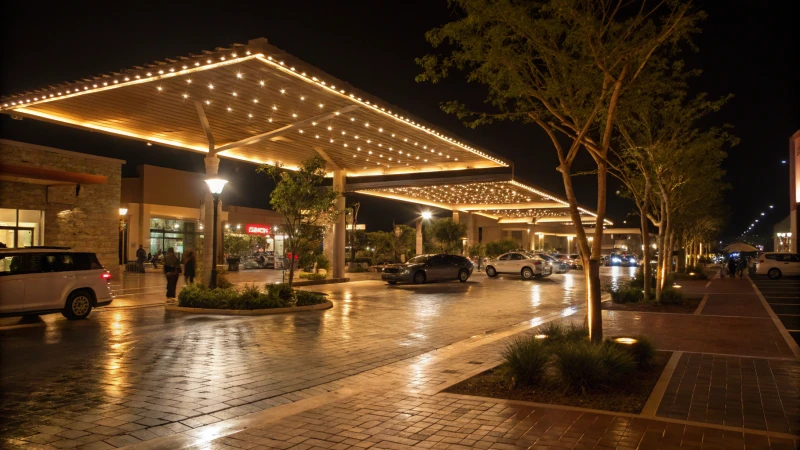
Understanding Color Temperature
Have you ever noticed how the lighting in your favorite café makes you feel warm and relaxed, while street lights seem to make everything clearer at night? That’s the magic of color temperature. Measured in Kelvin (K), it can make a huge difference in how we perceive light. Here's a quick look:
| Color Temperature | Description | Typical Use Cases |
|---|---|---|
| 2700K-3000K | Warm white | Homes, restaurants, and relaxing spaces |
| 4000K-4500K | Neutral white | Offices, retail, and commercial spaces |
| 5000K-6500K | Cool white to daylight | Outdoor lighting, street lamps |
Impact on Visibility
One evening, I was driving home and noticed how the cool white street lights seemed to almost pierce through the darkness, making the road ahead clear and bright. That's because cooler color temperatures between 5000K and 6000K mimic daylight conditions. This range enhances visual acuity, allowing individuals to perceive objects more clearly. It is ideal for outdoor lighting solutions in areas like parking lots7 or streets where visibility is crucial for safety.
Safety Considerations
Safety is often about what you can see—and what you can't. I remember an instance where a change to cool white lighting8 in our neighborhood drastically reduced near-miss accidents. The improved visibility meant drivers could spot pedestrians or obstacles from a greater distance, making everyone feel a little safer.
Psychological and Physiological Effects
It’s fascinating how light impacts not just our sight but also our mood. Cooler lights are known to increase alertness and concentration, making them suitable for environments requiring high attention levels—like that late-night brainstorming session at the office. On the other hand, those warm lights at home help me unwind after a long day by promoting relaxation.
Practical Applications
Picking the right color temperature isn't just about what looks good; it's about meeting the needs of each space. For example, gas stations might blend cool and neutral lighting to ensure safety while maintaining an inviting atmosphere. Implementing smart lighting systems can dynamically adjust color temperatures based on time of day or activity levels to optimize both safety and energy use.
By understanding these dynamics, I believe anyone can make informed decisions that enhance both safety and overall experience in their lighting projects.
Cool white lighting improves road visibility.True
Cool white lighting (5000K-6500K) enhances visual acuity, aiding driver visibility.
Warm white lighting is ideal for street lamps.False
Warm white lighting is not ideal for street lamps due to reduced visibility.
How can you evaluate energy efficiency and lifespan for long-term benefits?
Imagine saving money and the planet with just a light bulb change. That's the magic of evaluating energy efficiency and lifespan.
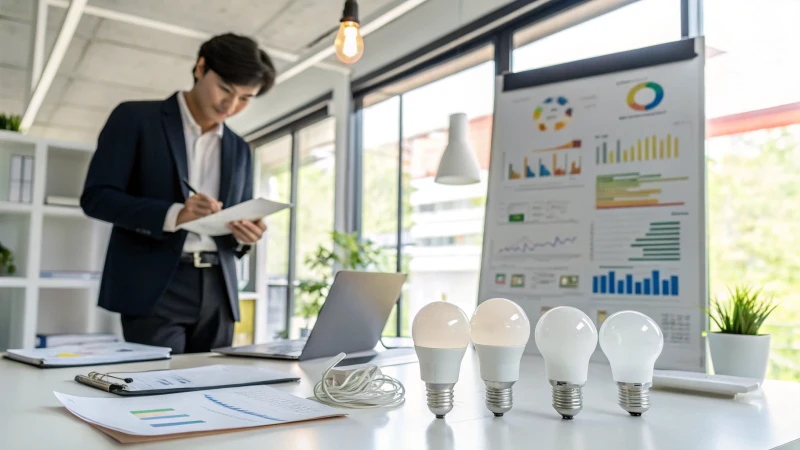
To truly benefit from energy-efficient lighting, assess luminous efficacy, ensure products are certified, and check for environmental suitability. Balancing initial costs against potential energy and maintenance savings is crucial.
Understanding Energy Efficiency Metrics
Energy efficiency is often measured in terms of luminous efficacy, which is the ratio of lumens to watts. A higher ratio signifies more efficient lighting. Modern LED lights, for instance, offer 100-130 lumens per watt, making them a popular choice. Analyzing energy-efficient lighting options9 can provide insights into balancing upfront costs with operational savings.
I remember the first time I really thought about energy efficiency. It was during a late-night brainstorming session for a new project. I realized the secret lay in understanding luminous efficacy—the brighter the light for less energy, the better. Modern LED lights, hitting 100-130 lumens per watt, quickly became my go-to solution. It's not just about cutting costs; it's about making smart choices today that pay off tomorrow.
Importance of Product Certifications
Certifications like Energy Star or DLC ensure a product meets specific efficiency standards. They often qualify products for rebates, lowering initial investment costs. Checking certifications like Energy Star compliance10 helps verify claims made by manufacturers.
Navigating product certifications can feel like deciphering a secret code. But these stamps of approval are your assurance of quality and efficiency—like finding out your new car comes with a lifetime warranty—instantly reassuring. Knowing that these certifications can also qualify for rebates sweetens the deal further.
Evaluating Lifespan and Maintenance Costs
The lifespan of lighting solutions affects long-term costs. Opt for products with a lifespan exceeding 50,000 hours to minimize replacements and maintenance. Consider maintenance strategies11 that align with these lifespan expectations to further reduce costs.
I learned the hard way that replacing lights constantly is not just a hassle but an unnecessary expense. That's why I now look for products promising over 50,000 hours of illumination—investing in peace of mind knowing that once installed, you won't be changing those bulbs anytime soon.
| Factor | Recommendation |
|---|---|
| Luminous Efficacy | 100-130 lumens/watt |
| Lifespan | 50,000+ hours |
| Certifications | Energy Star, DLC |
Environmental Suitability
Assessing the environmental conditions is crucial for selecting appropriate lighting solutions. For outdoor settings, IP65 or higher ratings are recommended to ensure durability against harsh weather conditions. The choice of color temperature also impacts visibility and safety in different environments. Researching outdoor lighting solutions12 can guide suitable choices.
Choosing lighting that's environmentally suitable is like choosing the right shoes for hiking—crucial for success. For outdoor projects, I always opt for solutions with an IP65 rating or higher to weather any storm—ensuring safety and functionality without compromising on quality.
Calculating Cost-Effectiveness
Comparing upfront costs with potential savings from reduced energy consumption and maintenance offers a clear picture of cost-effectiveness. Tools like ROI calculators can assist in this analysis by factoring in energy rates and usage patterns over time. Exploring ROI calculation methods13 can be beneficial for accurate assessments.
Cost-effectiveness is my favorite game to play with numbers—comparing upfront costs with potential savings is like playing a chess match against time. ROI calculators become invaluable here; it's all about making sure every penny spent today is a dollar saved tomorrow.
Evaluating energy efficiency and lifespan involves multiple factors including efficacy, certifications, environmental conditions, and cost-effectiveness—considering these elements ensures informed decisions that provide long-term benefits.
LED lights offer 100-130 lumens per watt.True
Modern LED lights are highly efficient, providing 100-130 lumens per watt.
Energy Star certification increases initial costs.False
Energy Star products often qualify for rebates, reducing initial costs.
Conclusion
Choosing the best LED canopy light involves considering location, wattage, color temperature, energy efficiency, durability, and certifications to ensure optimal performance and safety in commercial spaces.
Learn how IP ratings ensure your lights withstand environmental challenges, maximizing durability and performance. ↩
Discover why selecting the right materials enhances LED light longevity and reliability in various environments. ↩
Understand how these certifications ensure safety and efficiency, protecting both your investment and users. ↩
Learn how energy-efficient lighting reduces costs and improves sustainability. ↩
Discover how different lighting applications suit various room types for optimal ambiance. ↩
Gain insights into how wattage and brightness correlate for better lighting choices. ↩
Discover effective lighting strategies for parking lots that ensure safety and efficiency. ↩
Explore how cool white lighting improves safety in outdoor environments. ↩
Explore different energy-efficient lighting solutions to make informed investment choices that optimize cost and performance. ↩
Learn how Energy Star compliance can lead to rebates and enhance product reliability. ↩
Discover strategies to maintain lighting systems efficiently, reducing long-term costs. ↩
Find suitable outdoor lighting solutions to ensure durability and effectiveness. ↩
Understand how to calculate ROI for energy projects to determine financial viability. ↩