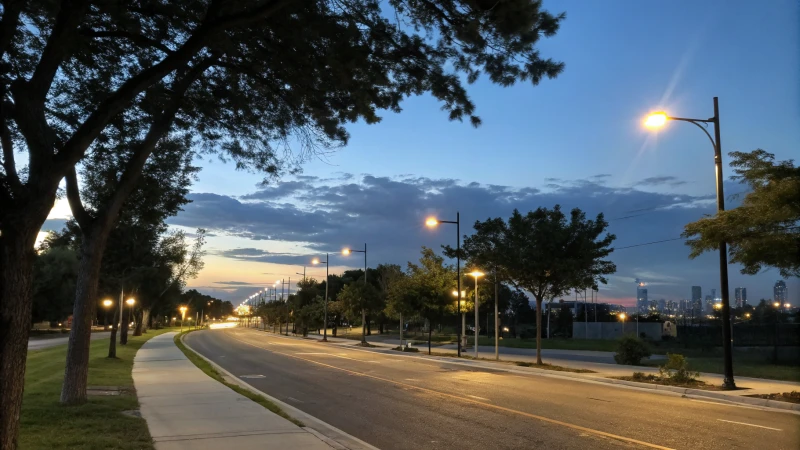
Ever catch yourself marveling at how street lights glow just as the sun sets?
Street lights turn on automatically via photo-sensors detecting low light, time-based scheduling, and smart controls that adjust lighting based on real-time conditions, ensuring energy efficiency and visibility.
As fascinating as it sounds, there's more than meets the eye. I remember the first time I realized these systems were more than just magical timers—they're actually quite sophisticated. From energy-saving dimming techniques to innovative smart systems that respond in real-time, it's like each lamp has its own little brain. These systems aren't just about convenience; they're a dance of technology and efficiency, ensuring our roads are bright and safe when we need them most.
Street lights use photo-sensors to detect low light levels.True
Photo-sensors trigger street lights when ambient light falls below a threshold.
Time-based scheduling is the primary method for street lights control.False
Photo-sensors, not time schedules, primarily control street light activation.
How Do Photo-Sensors Control Street Lighting?
Ever wondered how streetlights know exactly when to flick on as dusk settles in?
Photo-sensors in street lighting systems detect ambient light levels and automatically control the lights. They activate the lights when it gets dark and deactivate them during daylight, reducing energy consumption.

Understanding Photo-Sensors
I remember the first time I realized the magic behind streetlights automatically coming on at dusk. It was like discovering a secret superpower embedded in our daily lives. Photo-sensors, or as they are sometimes called, photocells, are these unsung heroes. They detect the change in natural light and signal streetlights to turn on at dusk and off at dawn. Imagine this: you're sipping your evening coffee on the porch, and as the sun dips below the horizon, like clockwork, the streetlight flickers on, all thanks to these little sensors. Not only is it efficient, but it also ensures that we aren't wasting energy lighting up the streets when the sun's doing it for free.
How Photo-Sensors Work
Here's how I like to think about it: imagine you're holding a tiny device that could tell you whether it's day or night just by sensing the light around it. When light hits the sensor, it generates an electrical signal. The strength of this signal varies with light intensity, allowing the sensor to know if it’s day or night. The moment the ambient light drops below a certain threshold—like when I’m squinting because I can't see my dog's leash on the ground—the sensor triggers the streetlight to illuminate. It's like having a reliable buddy who knows when to get the party started.
Advantages of Using Photo-Sensors
I can’t stress enough how photo-sensors have revolutionized street lighting:
- Energy Savings: They make sure lights are only active when needed, which is fantastic for reducing electricity bills and our carbon footprint. Every time I look at my own energy bill, I can't help but wish all my devices were this efficient.
- Maintenance Efficiency: Less manual intervention means reduced maintenance costs over time—something that every business owner, including myself, appreciates.
- Enhanced Safety: Consistent lighting during dark hours keeps us safe, whether we're out for a late-night jog or driving home from work.
Integration with Smart Systems
In today’s tech-savvy world, integrating photo-sensors with smart control systems1 is a game-changer. These systems use real-time data and environmental inputs to adjust lighting based on traffic, weather, or events. This means we can have adaptive lighting solutions that enhance energy efficiency even further.
| Feature | Description |
|---|---|
| Dimming | Automatically reduces light during low traffic hours |
| Remote Access | Allows for remote monitoring and control |
| Data Collection | Gathers data for optimizing future lighting needs |
Challenges and Considerations
Of course, there are challenges with photo-sensors too—because nothing is perfect, right?
- Sensor Calibration: It's crucial to ensure sensors are correctly calibrated to local lighting conditions. I've learned that miscalibration can lead to some pretty awkwardly timed lights!
- Weather Sensitivity: Harsh weather can affect sensor performance, necessitating robust design solutions2 to maintain functionality. Think of it like trying to use your phone screen in the rain—it’s tricky!
Overall, these little devices have transformed how we illuminate our streets, making our urban environments safer and more efficient.
Photo-sensors reduce energy wastage in street lighting.True
Photo-sensors turn streetlights on only when needed, saving energy.
Streetlights with photo-sensors require frequent manual intervention.False
Photo-sensors automate lighting, reducing the need for manual control.
How does time-based scheduling optimize street lighting?
Ever wondered how street lights know when to turn on and off, like they're on a secret schedule?
Time-based scheduling in street lighting employs timers and astronomical clocks to automatically adjust lighting based on daylight changes, optimizing energy use and reducing costs.
%[Modern urban street at dusk with smart street lights]
Understanding Time-Based Scheduling
I remember walking my dog late one evening and noticing how the streetlights flickered on just as the sky darkened. It made me curious—how do these lights seem so perfectly in sync with the sunset? Turns out, it’s all about time-based scheduling, a system where streetlights are programmed to turn on or off at specific times. This is especially handy in areas where the natural light doesn’t vary much throughout the year.
The Mechanism of Time-Based Scheduling
The secret behind these perfectly timed illuminations is astronomical clocks. These clocks adjust lighting based on the Earth's rotation and seasonal daylight changes, ensuring that our streets are bright when they need to be, without wasting energy. Imagine a world where every light was just a little too early or late—that's energy and money slipping away!
| Features | Benefits |
|---|---|
| Pre-set Timers | Consistent operation, minimal manual intervention |
| Astronomical Clocks | Automatic adaptation to changing daylight hours |
| Synchronization Ability | Seamless integration with existing smart systems3 |
Advantages of Time-Based Scheduling
Think about how many times you've driven down a brightly lit street when it wasn't even dark yet. Time-based scheduling puts an end to that by reducing unnecessary energy consumption, saving money and reducing maintenance needs. It’s like putting your lighting on autopilot, knowing it’ll adjust perfectly to the conditions.
Implementing energy-efficient solutions4 can further enhance these benefits.
Integrating with Smart Control Systems
Nowadays, smart control systems take this concept even further. These systems use real-time data—like weather or traffic conditions—to dynamically adjust lighting. I love how during those peaceful, low-traffic nights, the lights can dim automatically, saving energy while still keeping our streets safe.
| Smart Control Features | Impact on Street Lighting |
|---|---|
| Real-Time Data Analysis | Allows for adaptive lighting based on demand |
| Environmental Sensors | Adjusts lighting based on weather or traffic conditions |
| Remote Access | Enables quick manual adjustments if needed |
Challenges and Considerations
While this system is pretty efficient, it’s not entirely set-and-forget. It requires accurate programming and might need tweaks now and then to keep things running smoothly. Working with local installation partners5 can help ensure everything is set up correctly and tailored to specific local needs.
Getting a handle on these factors shows how time-based scheduling is more than just flipping a switch—it’s about maximizing efficiency and sustainability in urban lighting. Exploring different lighting control methods6 can offer additional insights into how this approach can be complemented and expanded.
Time-based scheduling reduces energy costs in street lighting.True
By operating lights only when needed, it minimizes energy use.
Astronomical clocks do not adjust for daylight changes.False
Astronomical clocks adapt to seasonal daylight variations automatically.
Are Smart Control Systems the Future of Street Lighting?
Picture this: you’re driving through a city where streetlights respond to the ebb and flow of traffic, adjusting their glow to match the mood of the night. This is the magic of smart control systems.
Smart control systems in street lighting revolutionize urban environments by utilizing sensors and data analytics to optimize energy efficiency, cut down maintenance costs, and enhance safety. They are pivotal in integrating with smart city initiatives, bringing futuristic transformations closer to reality.
%[A modern urban street at dusk with adaptive street lights]
What are Smart Control Systems?
Imagine strolling down a street late at night, and as you pass beneath each lamp, it senses your presence, brightening just enough to light your way. Smart control systems in street lighting do precisely that, creating a dynamic and responsive lighting environment. Unlike the traditional lights that stubbornly adhere to fixed schedules, these intelligent systems adapt using real-time data from sensors, adjusting based on traffic, weather, or even pedestrian activity.
| Feature | Traditional Lighting | Smart Lighting |
|---|---|---|
| Control Method | Manual/Fixed | Automated/Adaptive |
| Energy Efficiency | Low | High |
| Maintenance | Reactive | Predictive |
Benefits of Smart Street Lighting
I recall attending a local council meeting where the debate was heated about adopting smart lighting. The main selling point? Energy efficiency. These systems can drastically cut energy use by adapting light levels to actual demand—no more wasting electricity on empty streets. And then there's the maintenance. Imagine a world where streetlights can diagnose themselves and call for repairs before you even notice a flicker. That's the reality with predictive maintenance.
Another benefit is reduced maintenance costs. Smart systems can identify faults automatically, allowing for timely repairs and reducing downtime. This predictive maintenance approach ensures street lights are functional when needed.
Integration with Smart Cities
Smart control systems aren’t just about saving energy—they're a cornerstone of smart cities7. Picture linking these lights with emergency services; during a crisis, they could flash or change color, guiding people to safety. It's not just lighting; it’s a network working together for a safer, smarter city.
These systems provide enhanced safety by ensuring well-lit streets, which can reduce crime rates and improve traffic conditions. They can be integrated into broader smart city infrastructures, allowing for cross-functional benefits like data sharing across various city departments.
Challenges and Considerations
Switching to smart street lighting isn't without its hurdles. High upfront costs can make city planners hesitate. Plus, data privacy concerns loom large when these systems gather so much information.
A potential solution I've seen work well is public-private partnerships that help share the burden of cost and drive innovation in this sector.
Future Prospects
Looking ahead, I'm excited by the potential of smart control systems8 to transform urban living. As cities strive for sustainability, these systems will become indispensable. With ongoing research making them more affordable and secure, we’re heading towards widespread adoption.
The future of street lighting looks promising with continuous advancements in technology. Potential developments include integration with renewable energy sources—it's an eco-friendly future I’m eager to see unfold.
Smart systems reduce street lighting energy use.True
Smart systems adjust light intensity based on demand, saving energy.
Initial costs of smart street lighting are low.False
High initial costs deter cities from adopting smart street lighting.
How Can Energy-Efficient Dimming Save Costs?
I remember the first time I discovered energy-efficient dimming—it was like finding a hidden treasure in my own home!
Energy-efficient dimming can significantly cut your electricity costs by allowing lights to function at reduced power levels during less busy times or in areas with low foot traffic. This method not only conserves energy but also prolongs the lifespan of your lighting systems.

Understanding Energy-Efficient Dimming
When I first stumbled upon energy-efficient dimming, I was skeptical. Could something as simple as adjusting light levels really impact my electricity bill? But as I delved into it, I learned that this technology is truly a game-changer. By tailoring the brightness based on factors like the time of day or room occupancy, it's possible to achieve noticeable savings9. Picture this: dimming lights when the sun's out or during those rare moments when everyone finally leaves the office on time.
How It Works
The magic lies in the sensors and smart controls. Imagine having automatic photo-sensors that tweak the lights for you based on how bright it is outside—no more blinding overhead lights when daylight floods in through the windows! Then there's time-based scheduling. It's like setting a timer for your coffee maker but for your lights, ensuring they aren't blazing away needlessly.
| Dimming Feature | Functionality | Benefit |
|---|---|---|
| Photo-Sensors | Adjusts light based on daylight | Reduces unnecessary usage |
| Time Scheduling | Dims lights at set times | Saves energy during off-hours |
Real-World Examples
Take a company like Besenled, for instance. They are pioneers in integrating these smart lighting solutions across commercial spaces. I've seen firsthand how office buildings can benefit, especially during weekends or late nights. It's not just about cutting costs—it's about smart use of resources.
Environmental and Economic Benefits
Energy-efficient dimming isn't just about slashing those electric bills. It's also a step towards being environmentally responsible. Fewer kilowatts used means fewer resources consumed, which is a win for sustainability advocates like myself. The beauty of it is, businesses often see their investment return swiftly through reduced utility bills and lower maintenance costs10.
Challenges and Considerations
Of course, it's not all smooth sailing. Jumping into this tech requires an initial outlay and possibly some upgrades to current lighting setups. But think of it this way: it's an investment for the long haul. Working with seasoned suppliers like Besenled can make the transition smoother—they've got the know-how to seamlessly fit these systems into existing infrastructures.
In a world increasingly shifting towards smart solutions and sustainability, energy-efficient dimming is more than just a trend—it's a wise move for anyone looking to trim expenses while doing right by our planet.
Energy-efficient dimming reduces carbon footprints.True
Dimming lowers energy use, decreasing resource consumption and emissions.
Initial costs of dimming systems outweigh savings.False
Long-term savings in energy bills typically surpass initial investment.
Conclusion
Street lights automatically turn on using photo-sensors that detect light levels, with advanced systems utilizing timers and smart controls for energy efficiency and safety.
Learn how smart systems integrate with photo-sensors to optimize street lighting. ↩
Find out how advanced designs protect photo-sensors from harsh weather. ↩
Discover how smart control systems integrate with time-based scheduling for enhanced efficiency. ↩
Explore how energy-efficient strategies complement time-based scheduling. ↩
Learn about partnering with local experts for optimal street lighting setups. ↩
Understand various lighting control methods and their synergy with time-based scheduling. ↩
Learn how integrating street lighting into smart city frameworks can enhance safety, efficiency, and overall urban living. ↩
Explore upcoming trends and innovations in smart street lighting that promise to revolutionize urban infrastructure and sustainability. ↩
Learn more about how energy-efficient dimming technologies contribute to cost savings by reducing electricity usage. ↩
Understand the economic impact of installing energy-efficient dimming systems with detailed cost-benefit insights. ↩