
Have you ever felt lost in the sea of lighting terminology? I know I have! Diving into the differences between candela, lumens, and lux can feel overwhelming, but trust me, it's worth it to light up your understanding.
Candela, lumens, and lux are key measurements in lighting that denote light intensity and brightness. Candela measures luminous intensity, lumens quantify the total light output, and lux indicates illumination on a surface. Understanding these differences is vital for selecting appropriate lighting solutions.
Let me share a little story. When I first started my journey in lighting, I remember standing in a store, bewildered by the options. I had no clue what all these measurements meant! But as I learned about them, everything clicked. Candela measures how intense a light source is, like that moment when the sun breaks through the clouds. Lumens quantify the total light emitted, kind of like counting how many stars are visible on a clear night. Lux, on the other hand, measures how much light hits a surface—imagine the warm glow of a lamp lighting up your favorite reading nook. Understanding these terms changed how I approached lighting projects and made me more confident in my decisions. Join me as we dive deeper into these measurements and discover how they can transform your lighting choices!
Candela measures the total light output of a source.False
This statement is false; candela measures luminous intensity, not total output.
Lux indicates the illumination level on a surface area.True
This statement is true; lux measures how much light is received on a surface.
What Is Candela and Why Is It Important?
Have you ever paused to think about the light around you? Understanding candela has been a game changer for me in both lighting design and scientific exploration. This little unit of measurement is more important than we often realize!
Candela (cd) is the SI unit of luminous intensity, indicating how much light is emitted in a specific direction. Understanding candela is crucial for lighting design as it ensures optimal visibility and aesthetic appeal.

Understanding Candela
Candela (cd) is the unit of measurement for luminous intensity in the International System of Units (SI). It quantifies how much light is emitted in a particular direction from a light source.
It is essential to understand that candela measures light intensity, not total emitted light. This can often be confused with lumens, which measure the total light output.
The Importance of Candela in Lighting Design
In lighting design, the concept of candela is crucial. It helps determine how a lighting source will perform in various environments. By understanding the importance of luminous intensity1, designers can create spaces that are both functional and visually appealing.
For example, when I worked on a project for a cozy café, we aimed for a warm, inviting atmosphere—lower candela values were essential to achieve that. On the other hand, a street lamp may have a high candela rating to ensure visibility at night.
Candela Compared to Other Units
| Unit | Measurement Type | Description |
|---|---|---|
| Candela | Luminous Intensity | Measures intensity of light in a specific direction |
| Lumen | Luminous Flux | Total quantity of light emitted by a source |
| Lux | Illuminance | Light level on a surface area (lumens per square meter) |
Understanding these differences allows lighting professionals to make informed choices that enhance both aesthetics and functionality.
Applications of Candela in Various Industries
Candela is significant in numerous fields, including:
- Photography: Knowing the right candela levels ensures proper exposure and image quality; I recall a time I was experimenting with photography; knowing the right candela levels was essential for capturing the perfect shot without overexposing it.
- Architecture: Architects use candela measurements to design lighting systems that enhance the building's aesthetics while ensuring safety.
- Theatrical Lighting: In theaters, precise control of light intensity measured in candelas allows for dramatic effects—an experience that can transport audiences into different worlds.
By recognizing how candela functions across different applications, one can appreciate its role in achieving effective lighting solutions in diverse environments. If you're curious about its applications, explore applications of candela2 to see how it shapes various industries.
Candela measures total light output from a source.False
This claim is false; candela measures luminous intensity, not total emitted light like lumens do.
Higher candela ratings enhance visibility in outdoor lighting.True
This claim is true; higher candela values ensure better visibility, especially for street lamps at night.
How Do Lumens Impact Your Lighting Choices?
Have you ever walked into a room and felt instantly at ease or, conversely, a bit on edge? The secret often lies in the lumens! Let me take you on a journey of discovery about how understanding lumens can illuminate your space and enhance your life.
Lumens measure brightness in lighting and significantly influence your choices. Higher lumens are ideal for task-oriented spaces, while softer light suffices for relaxation areas. Knowing your lumen needs ensures effective and efficient lighting solutions.
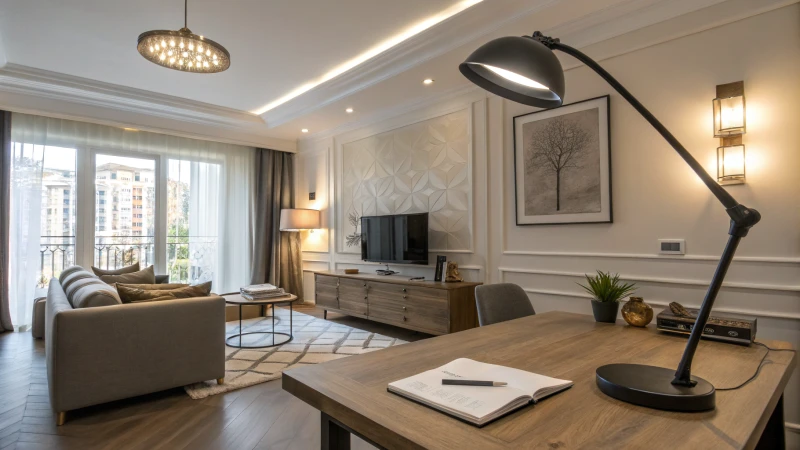
Understanding Lumens
Lumens are a crucial measurement in the world of lighting, providing a clear indication of the total amount of visible light emitted by a source. Unlike watts, which measure energy consumption, lumens focus on brightness. This distinction is essential when selecting lighting for your projects.
For instance, when considering a workspace, different activities may require varying lumen levels:
| Activity | Recommended Lumens |
|---|---|
| Reading or studying | 300 - 500 |
| General living areas | 100 - 300 |
| Office environments | 500 - 1000 |
| Kitchens and workspaces | 300 - 700 |
This table illustrates how lumens impact the choice of lighting depending on the function of the room. More lumens are necessary for tasks requiring precision, while softer lighting suffices for relaxation areas.
The Role of Lumens in Energy Efficiency
When selecting lighting systems, understanding lumens can greatly enhance energy efficiency. Higher lumen output can often mean using fewer fixtures to achieve the desired brightness, thus reducing overall energy consumption. This is particularly important for businesses looking to minimize operating costs.
For example, energy-saving lighting options3 such as LED bulbs typically offer more lumens per watt than traditional incandescent bulbs. By switching to LEDs, you can achieve significant savings on your energy bills while still maintaining adequate lighting levels.
Choosing the Right Lumen Output
To determine the right lumen output for your specific needs, consider the size of the space and the type of activities taking place. A larger room will naturally require more lumens to ensure even lighting distribution. Using tools like lighting calculators can help you assess the optimal lumen levels based on room dimensions and usage.
For example, a lighting calculator tool4 can provide personalized recommendations based on your specific requirements.
Comparing Lumens and Wattage
It's common to confuse wattage with brightness. However, as mentioned earlier, wattage measures energy use, while lumens measure brightness. For instance, an LED bulb may produce the same number of lumens as an incandescent bulb but use significantly less wattage.
Consider this comparison:
| Bulb Type | Watts Used | Lumens Output |
|---|---|---|
| Incandescent | 60 | 800 |
| LED | 10 | 800 |
| CFL | 13 | 800 |
This table highlights how different bulb types can produce similar brightness levels while consuming varying amounts of power. Understanding these differences helps in making informed choices that align with both budget and sustainability goals.
Conclusion
Understanding how lumens affect your lighting choices is essential for making informed decisions in your projects. By focusing on lumen output rather than just wattage, you can enhance the functionality and efficiency of your spaces. With proper planning and knowledge, you can create environments that are not only well-lit but also energy-efficient and cost-effective.
Lumens measure brightness, not energy consumption.True
Lumens indicate the total visible light emitted, while watts measure energy used. This distinction is crucial for effective lighting choices.
LED bulbs use more watts than incandescent bulbs for the same lumens.False
LED bulbs provide similar lumens as incandescent bulbs but consume significantly less wattage, enhancing energy efficiency.
How Does Lux Impact Our Experience of Light?
When I first dove into the world of lighting, I quickly realized how essential lux is to our daily lives. From boosting productivity in the workplace to capturing the perfect shot in photography, understanding this measurement has transformed my perspective on illumination. But what exactly does it mean for us?
Lux is essential for measuring illumination as it quantifies light intensity on surfaces, ensuring spaces are adequately lit for their intended uses. Understanding lux helps enhance functionality and comfort in various environments, from offices to hospitals.

Main Content:
Lux plays a crucial role in measuring illumination by quantifying light intensity on surfaces. It helps ensure spaces are adequately lit for their intended purposes, enhancing functionality and comfort.
Understanding Lux: The Basic Unit of Illumination
Lux is defined as one lumen per square meter. It measures the intensity of light that illuminates a surface, giving us a clear idea of how bright an area is. This clarity is vital for many applications, from designing cozy living rooms to ensuring safety on factory floors.
In practical terms, lux helps in determining whether a space has sufficient lighting for its intended use. For example, a well-lit office might require 300-500 lux, while a bustling warehouse needs over 1000 lux for safety and visibility. By understanding lux, I've been able to help clients create lighting systems that not only look good but also work effectively for their needs.
| Application | Recommended Lux Level |
|---|---|
| Office | 300-500 lux |
| Classroom | 300-500 lux |
| Hospital | 100-200 lux |
| Warehouse | 150-200 lux |
| Retail Store | 500-1000 lux |
The Importance of Measuring Lux
I can't stress enough how crucial measuring lux is, especially in environments where proper lighting can significantly impact well-being. Schools and hospitals are prime examples where adequate lighting directly influences productivity and health.
These numbers might seem technical, but they represent real-life improvements in how we feel and perform in different settings. Knowing these levels helps me guide my clients toward creating optimal spaces.
Practical Measurement Techniques
When it comes to measuring lux, I've had my fair share of trial and error with various tools! A lux meter is the go-to device for accurate readings. However, I've also found that smartphones can come in handy with their apps serving as makeshift lux meters. While they might not be as precise as professional equipment, they offer valuable insights into light levels around us.
Using these tools can help you ensure that your lighting meets the necessary standards for functionality and comfort. For anyone looking to get started with lux measurements, I highly recommend checking out this guide5.
Lux vs. Other Light Measurements
Understanding the relationship between lux, lumens, and footcandles has been a game-changer in my projects.
- Lumens measure the total amount of light emitted by a source.
- Lux quantifies how that light is spread over an area.
- Footcandles are similar to lux but are based on the imperial system (1 footcandle = 10.764 lux).
This distinction is crucial when designing lighting for specific tasks or environments. When planning a workspace, for instance, I often find myself calculating the number of lumens required to achieve the desired lux level on the work surface. It’s all about creating the right atmosphere for productivity and comfort!
For those eager to dive deeper into the realm of light measurement terminology, consider exploring this resource. Each detail we understand helps us create more effective and pleasant environments for everyone.
Lux measures light intensity on surfaces in lumens per square meter.True
Lux quantifies the brightness of a surface by measuring the amount of light falling on it, defined as one lumen per square meter.
Smartphone apps can accurately measure lux levels like dedicated meters.False
While smartphone apps can provide insights into light levels, they lack the precision of specialized lux meters designed for accurate measurements.
How Do These Measurements Affect Energy Efficiency in Lighting?
Have you ever wondered how the numbers behind lighting really impact energy efficiency? I know I did when I first started exploring options for my projects—let's dive in together!
Measurements like watts and lumens significantly affect energy efficiency in lighting. Lower wattage with higher lumens indicates greater efficiency, leading to cost savings and reduced energy consumption. Understanding these metrics helps make informed decisions for brighter, more sustainable spaces.

Understanding Key Measurements in Lighting
When discussing energy efficiency in lighting, two critical measurements come into play: watts and lumens. Understanding the relationship between these measurements is essential for making informed decisions about lighting systems.
Watts measure the power consumption of a light source, while lumens indicate the brightness level produced. In essence, lower wattage with higher lumens indicates a more efficient lighting solution.
For instance, let's explore the correlation:
| Light Source | Wattage | Lumens | Efficiency (Lumens per Watt) |
|---|---|---|---|
| LED Bulb | 10 W | 800 lm | 80 lm/W |
| Incandescent | 60 W | 800 lm | 13.3 lm/W |
| CFL | 14 W | 800 lm | 57.1 lm/W |
This table illustrates that LED bulbs provide significantly more lumens per watt compared to traditional incandescent and compact fluorescent lights, showcasing their energy efficiency.
The Role of Color Temperature
Another measurement that impacts energy efficiency is color temperature, measured in Kelvin (K). This metric affects not only the aesthetic of a space but also the perceived brightness and comfort level for users.
When I was redesigning my office, I opted for a warm 3000K light. The soft, inviting glow made a huge difference in creating a comfortable work environment. In contrast, a cooler 5000K light felt too harsh for that cozy atmosphere. Understanding how color temperature influences both energy consumption and user experience is vital for choosing the right lighting for various applications. You can delve deeper into color temperature effects6 to explore this topic further.
Efficacy and Energy Costs
The efficacy of a lighting system, defined as lumens produced per watt consumed, directly impacts energy costs. By focusing on efficacy, consumers can gauge which products offer long-term savings on electricity bills.
Here’s what I discovered:
| Lighting Type | Typical Efficacy (lm/W) | Annual Energy Cost (for 12 hrs/day) |
|---|---|---|
| LED | 80 | $11.64 |
| CFL | 57 | $16.44 |
| Incandescent | 15 | $61.44 |
These numbers really drive home the point—higher efficacy equals lower costs! Choosing energy-efficient options isn’t just smart; it’s necessary.
Impact of Dimming and Controls
Moreover, the inclusion of smart controls and dimming systems can enhance energy efficiency significantly. When I started incorporating smart technology into my lighting setups, it was a game changer. The ability to adjust brightness based on activity levels not only saved energy but also created the perfect ambiance for any occasion.
Integrating these controls into existing systems is easier than you might think, and it offers an exciting opportunity to optimize performance while keeping costs down. Learn more about smart lighting controls7 and their benefits for energy efficiency.
In conclusion, understanding how measurements like watts, lumens, color temperature, efficacy, and smart controls relate to energy efficiency can lead to better decisions in lighting solutions—ultimately contributing to both cost savings and environmental sustainability.
LED bulbs are more energy efficient than incandescent bulbs.True
LEDs use fewer watts while producing more lumens, making them superior in energy efficiency compared to traditional incandescent bulbs.
Higher color temperature always means higher energy efficiency.False
Color temperature affects perception but does not directly correlate with energy efficiency; efficacy is the key factor for savings.
Conclusion
Explore the key differences between candela, lumens, and lux to enhance your understanding of lighting design and improve energy efficiency in various applications.
Discover the fundamental concepts behind candela and its applications across various fields to enhance your understanding of lighting science. ↩
Learn about the differences between candela, lumens, and lux, and how they relate to effective lighting solutions. ↩
Discover how to measure lumens effectively and choose the right lighting for your needs. ↩
Learn more about energy-efficient lighting options and their benefits in your projects. ↩
Discover how lux impacts lighting design and application across various fields. ↩
This link provides insights on lighting measurement units and their relevance in energy-saving practices. ↩
Discover how smart controls enhance energy efficiency in lighting systems by optimizing usage. ↩