

Ever stood outside, squinting at your patio and wondering why it's either too dim or lit up like a stadium?
The best wattage for outdoor wall lights depends on the area and application. For residential spaces, 20W to 40W is ideal for small areas like pathways or entryways. For commercial areas, 60W to 100W is recommended for larger spaces such as parking lots or entrances. For high-security or industrial lighting, 150W to 200W is more suitable. Opting for LED lights ensures energy efficiency, with significant energy savings over traditional bulbs.
I remember when I was setting up the lights for our backyard barbecue nights. I wanted it bright enough to see the grill but not so glaring that it felt like an interrogation. After experimenting, I found that understanding lumens—how bright a light feels—was more crucial than just wattage. And with the rise of smart lighting, it’s easier to adjust settings to fit any mood or occasion. This balance between practicality and ambiance is what makes outdoor lighting truly shine.
Residential outdoor wall lights typically need 20W to 40W.True
Residential settings often require lower wattage for adequate lighting.
Commercial outdoor wall lights should be under 40W.False
Commercial spaces usually need higher wattage, around 60W to 100W.
How Do You Decide on the Right Wattage?
Deciding on the right wattage isn't just about numbers; it's about matching your needs with optimal performance and energy savings. So, how do you make the best choice?
When choosing wattage, consider the intended use, energy efficiency, and system compatibility. These factors help balance performance and cost-effectiveness in lighting or power supply systems.
%[Close-up of light bulbs and power supplies with wattage labels]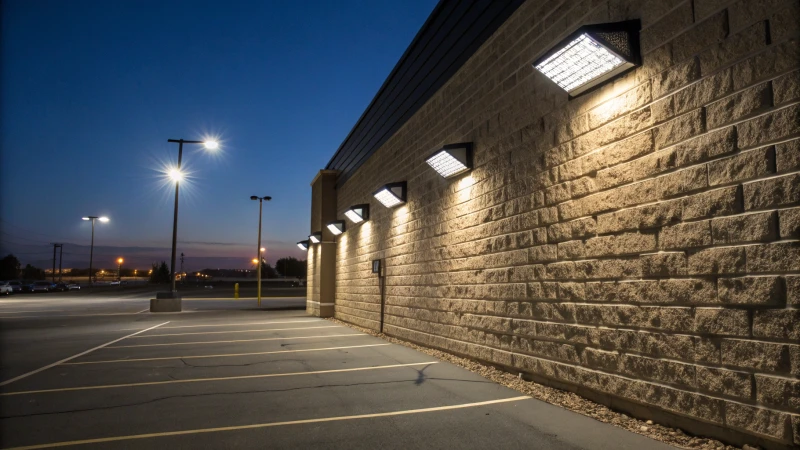
Understanding Application Requirements
I'll never forget the time I was setting up lighting for a backyard barbecue. I wanted it to be bright enough for grilling but not blinding for my guests. For residential settings1 like pathways or entryways, a wattage range of 20W to 40W usually does the trick—just like it did that evening when everyone complimented the cozy ambiance.
For larger commercial spaces, things get a bit more technical. Picture setting up lights for a friend's new restaurant's parking lot. We opted for 60W to 100W fixtures to ensure both safety and a welcoming atmosphere.
Efficiency and Performance
I remember being amazed by how LED technology can make a huge difference in energy consumption without compromising on brightness. I swapped out the old lights in my home office for LEDs, and suddenly, it felt like I had a mini-sun overhead at just a fraction of the energy cost. A 100W LED, for instance, can light up a space with about 10,000 lumens. It's pretty wild when you compare that to the power-guzzlers of yesteryear.
| Wattage | Lumens Produced | Application |
|---|---|---|
| 20W | ~1,500 lumens | Residential |
| 100W | ~10,000 lumens | Commercial |
| 200W | ~20,000+ lumens | Industrial |
Compatibility with Existing Systems
I once tried upgrading my PC with some high-end components but overlooked the power supply unit (PSU). It was a rookie mistake that led to overheating issues. Now, I'm always cautious to ensure the PSU matches the demands of every new gadget I add.
Smart and Adjustable Options
Smart LEDs are like having the lighting world's Swiss Army knife. I installed some in my living room, and now I can dim them for movie nights or brighten them for reading with just a tap on my phone. It's all about flexibility and energy savings!
For more insights on smart LEDs, check out this guide to smart lighting2.
Environmental Considerations
Opting for eco-friendly solutions has become second nature to me. Knowing that LEDs consume about 80% less energy than traditional bulbs makes me feel like I'm doing my bit for the planet without sacrificing style or comfort.
Explore our eco-friendly lighting options3 for sustainable solutions.
Residential lighting typically uses 60W to 100W bulbs.False
Residential lighting usually requires 20W to 40W, not 60W to 100W.
LEDs use about 80% less energy than incandescent lights.True
LEDs are more energy-efficient, consuming significantly less power.
How Do Lumens Relate to Wattage in Outdoor Lighting?
Have you ever wondered why your bright outdoor lights don't necessarily cost a fortune in energy bills?
Lumens measure the brightness of a light, while wattage indicates energy usage. Higher lumens mean more light output, not necessarily more energy consumption. Modern LED lights can produce high lumens with low wattage.
%[A landscaped garden at dusk illuminated by various outdoor lighting fixtures.]
Understanding Lumens and Wattage
I remember the days when we all equated wattage directly with brightness. Back then, if you wanted a bright light, you'd grab a higher wattage bulb without thinking twice. But times have changed. Now, lumens are the star of the show, and they measure the brightness we actually see, while wattage is just about energy consumption. This is something I realized when I was upgrading my own backyard lights and wanted to balance out my energy bills.
| Lighting Type | Typical Wattage | Approximate Lumens |
|---|---|---|
| Incandescent Bulbs | 60W | 800 |
| CFL (Compact Fluorescent) | 15W | 800 |
| LED Bulbs | 10W | 800 |
Energy Efficiency in Outdoor Lighting
When I first swapped out my old incandescent bulbs for LED ones, it felt like magic. Suddenly, I had this incredible brightness at a fraction of the energy cost. It's like upgrading from a gas-guzzling car to a sleek electric vehicle. For instance, a 10W LED4 can shine as brightly as an old-school 60W bulb but without the hefty electricity bill.
- Residential Applications: From my experience, LED lights around 20W-40W (approx. 3,000 lumens) are perfect for pathways and entryways. They offer enough light to keep things secure and visible.
- Commercial Spaces: If you're lighting up larger areas like parking lots, think 60W-100W LEDs. They crank out up to 10,000 lumens, ensuring everything's well-lit and safe.
- High-Mast Installations: For places like industrial zones where you need intense light coverage, go for 150W-200W LEDs. They're real powerhouses with up to 25,000 lumens.
Practical Considerations
When you're picking out outdoor lighting, it's essential to consider both lumen output and energy consumption. This balance ensures you get the brightness you need without wasting energy. I've found that smart LED systems with dimming features are particularly handy. They let me control light intensity and save energy—perfect for large-scale projects where every dollar counts on those utility bills.
Here's a quick reference to help guide you:
| Application | Recommended Lumens | Typical Wattage (LED) |
|---|---|---|
| Pathway Lighting | 100-200 | 2W-4W |
| Security Floodlights | 700-1300 | 10W-20W |
| Parking Lot Illumination | 9,000-15,000 | 90W-150W |
Benefits of Lower Wattage
Switching to high-lumen, low-wattage LEDs has made a noticeable difference in my utility bills—and it's also helping reduce my carbon footprint. It feels good knowing I'm making a sustainable choice that aligns with green practices. Plus, there's something satisfying about seeing those energy savings add up month after month. If you're interested in diving deeper into how you can make lighting more efficient, check out this resource on energy-efficient lighting5.
Understanding the relationship between lumens and wattage helps make informed choices about outdoor lighting that combine optimal brightness with energy efficiency. This knowledge empowers you to select the best solutions for various settings—from residential gardens to large commercial spaces.
Lumens measure the energy consumption of a light.False
Lumens measure brightness, not energy consumption; wattage indicates energy use.
LEDs can produce more lumens with less wattage than incandescents.True
LED technology allows high light output with lower energy consumption compared to incandescent bulbs.
Why is Energy Efficiency Important in Outdoor Lighting?
Imagine walking down a beautifully lit pathway, where every step feels both secure and enchanting. This magic is possible thanks to energy-efficient outdoor lighting.
Energy efficiency in outdoor lighting is crucial as it reduces energy consumption and costs, lowers carbon emissions, and enhances safety and functionality. LED technology is key due to its high efficiency and durability.
%[A serene outdoor area illuminated by LED lights at dusk]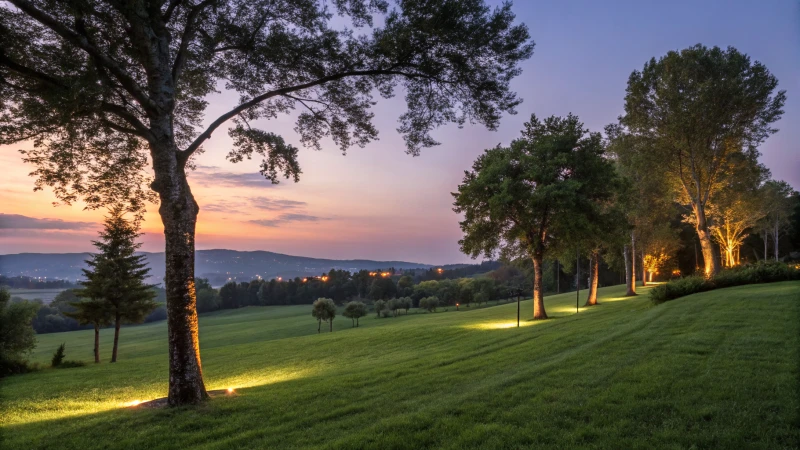
Economic Benefits of Energy Efficiency
I remember the first time I switched my outdoor lights to LEDs; it was like night and day—literally! My energy bills dropped significantly, thanks to these efficient little wonders. Picture replacing a 100W incandescent bulb with a 20W LED6 and slashing your energy use by 80%. That's real savings adding up month after month.
| Lighting Type | Wattage | Energy Savings |
|---|---|---|
| Incandescent | 100W | 0% |
| LED | 20W | 80% |
Environmental Impact
Switching to energy-efficient lighting isn't just good for our wallets; it's a gift to our planet. LEDs contribute to lower greenhouse gas emissions and are free from hazardous materials. It's heartening to know that with every smart LED system7 I install, I'm playing a small part in combating climate change. The less heat they produce also makes them safer and more eco-friendly.
Improved Safety and Functionality
There's something comforting about a well-lit space. I’ve learned from experience that good lighting can deter crime and reduce accidents. With energy-efficient lights, you get consistent, reliable illumination. Plus, smart control systems mean I can tweak settings like dimming or motion activation8 for maximum security without wasting energy.
Longevity and Durability
My journey with LEDs has been a revelation—these lights last ages compared to the old bulbs I used to buy in bulk. Their durability is perfect for withstanding tough outdoor conditions, meaning less frequent replacements and a lot fewer headaches for me.
In summary, making energy efficiency a priority in outdoor lighting brings a host of benefits—financially, environmentally, and in terms of safety. Embracing advanced technologies like LEDs is a step toward a more sustainable and brighter future for all our outdoor spaces.
LEDs reduce energy usage by 80% compared to incandescent bulbs.True
A 20W LED can replace a 100W incandescent bulb, saving 80% energy.
Energy-efficient lighting increases greenhouse gas emissions.False
Efficient lighting reduces emissions by consuming less power and producing less heat.
How Do Smart Lighting Solutions Transform Outdoor Spaces?
Ever wondered how smart lighting could transform your outdoor spaces? It's not just about aesthetics—it's about safety, efficiency, and so much more.
Smart lighting solutions enhance outdoor spaces by improving security, boosting aesthetic appeal, and optimizing energy efficiency. With features like remote control, automated schedules, and adaptive brightness, these systems are perfect for both residential and commercial settings.
%[Modern outdoor patio with smart lighting and seating area]
Enhancing Security with Smart Lighting
Imagine coming home after a long day and knowing that your pathway lights up as you approach, thanks to motion sensors. It’s like your house is welcoming you back safely. I've heard stories of neighbors who felt uneasy until they installed smart lighting systems. These systems offer remote control and automated scheduling, making it easy to deter unwanted visitors with a simple tap on your phone.
| Security Feature | Benefit |
|---|---|
| Remote Control | Manage lights from anywhere |
| Motion Sensor Integration | Activates lights upon movement |
| Automated Scheduling | Lights operate on a preset schedule |
Boosting Aesthetic Appeal
I remember hosting a garden party and being amazed at how the right lighting set the mood perfectly. With smart lighting, you can change colors and adjust brightness to highlight features you love or create the right vibe for any occasion. It's like having an artist's palette at your fingertips. Using features like adjustable dimming9, you can tailor your lighting without wasting energy.
Optimizing Energy Efficiency
Switching to smart lighting felt like getting a modern makeover for my home. I was thrilled to see my electricity bills drop after installing LED lights that consume far less energy than traditional bulbs. They adjust their brightness based on the time of day or weather, ensuring I never waste power. Exploring energy-saving options10 can offer substantial savings and peace of mind.
Integration with Smart Home Systems
If you're anything like me, you appreciate when technology works seamlessly together. Smart lighting integrates with other smart home devices, allowing you to control everything from one place. Whether it's syncing with security cameras or weather sensors, these systems make life easier and more efficient. To learn more about maximizing your setup's efficiency and functionality, check out smart home integration11.
These experiences show how smart lighting solutions redefine outdoor spaces, offering benefits from improved security to stunning aesthetics and energy savings. If you're thinking about upgrading your outdoor areas, exploring these options could open up new possibilities for functionality and charm.
Smart lighting deters intruders with motion sensors.True
Motion sensors activate lights when movement is detected, deterring intruders.
LEDs in smart lighting use more energy than traditional bulbs.False
LEDs are more energy-efficient, using less energy than traditional bulbs.
Conclusion
Choosing the right wattage for outdoor wall lights depends on area size, desired brightness, and energy efficiency. Typically, 20W-40W suits homes; commercial spaces may require 60W-100W.
This link provides insights into optimal wattage for residential lighting, ensuring both efficiency and adequate illumination. ↩
Discover how smart LEDs can enhance your lighting solutions with energy-efficient and customizable features. ↩
Learn about sustainable lighting options that reduce energy consumption and environmental impact. ↩
Discover how 10W LED bulbs provide efficient lighting without high energy consumption. ↩
Learn about the benefits of energy-efficient lighting to make informed decisions. ↩
Understand how switching from incandescent to LED bulbs significantly cuts energy usage and costs. ↩
Explore how smart LED systems enhance energy efficiency through advanced controls. ↩
Learn how dynamic lighting systems improve security while saving energy through adaptive controls. ↩
Discover the benefits of using adjustable dimming to customize lighting levels for different needs. ↩
Find out how smart lighting systems optimize energy use and lead to cost savings. ↩
Learn about integrating smart lighting with other home systems for unified control. ↩