
Are you a salon owner? I was one, eager to change your space with perfect lighting. Let's explore the magical world of light. It truly changes your salon experience!
The best tips for choosing salon lighting involve knowing how various lights affect both the salon's look and its function. Important factors include picking the best color temperature. Energy-saving options matter. A welcoming atmosphere for clients is crucial.
I remember the day I first opened my salon. I faced many choices. Every light seemed to promise its own version of beauty. Light changes everything. Not only in looks, but also in how clients feel upon entering. Good lighting sets the mood. It creates a welcoming atmosphere. It makes clients want to come back.
In this blog post, learn essential tips. Discover expert insights. These will help you choose lighting wisely. Improve the whole experience in your salon.
Color temperature affects the salon's ambiance and client mood.True
Different color temperatures can create various atmospheres, influencing how clients feel in the salon, making this a crucial factor in lighting selection.
Energy-efficient lighting solutions are not suitable for salons.False
In fact, energy-efficient lighting can be ideal for salons, providing cost savings and reducing environmental impact while maintaining quality illumination.
What Types of Lighting Fixtures Are Ideal for Salons?
Lighting is very important in a salon. It creates the atmosphere. Every haircut and color looks perfect with good lighting. Let's explore which lighting choices probably make your salon shine!
Ideal salon lighting fixtures include ambient lights, such as ceiling-mounted fixtures. Task lights include wall sconces. Accent lights, such as LED strips, also play a role. Color temperature is important. Smart lighting solutions save energy and really improve client satisfaction.

Understanding Salon Lighting Needs
Selecting lighting fixtures for salons involves more than just choosing pretty designs. It’s important to create an environment where both clients and stylists feel good. Good lighting not only enhances the atmosphere but also allows for accurate color representation during hair services. For instance, natural daylight mimicking bulbs can help stylists see the true color of hair dyes, which is vital for achieving the desired results.
Types of Lighting Fixtures
Ambient Lighting
Ambient lighting serves as the main light source and brightens up the whole space. Common ambient lighting fixtures include:- Ceiling-mounted fixtures: These spread light around the entire salon and can also add style to the decor.
- Recessed lighting: These blend into the ceiling, offering a modern appearance while keeping the salon bright.
Task Lighting
Task lighting is crucial for detailed work, helping stylists focus on intricate tasks. Ideal task lighting options include:- Wall-mounted sconces: They shine light directly on workstations, highlighting every detail.
- Adjustable track lighting: It’s flexible and lets me position light exactly where needed, which is important during color applications.
Accent Lighting
Accent lighting creates a welcoming and stylish vibe by highlighting certain areas or decorations. Examples include:- LED strip lights: I use these to display products or add a nice glow.
- Spotlights: They emphasize artworks or decorative items, giving the salon character.
| Fixture Type | Purpose | Examples |
|---|---|---|
| Ambient Lighting | General illumination | Ceiling-mounted, Recessed |
| Task Lighting | Focused work area light | Wall-mounted sconces, Track lights |
| Accent Lighting | Highlighting decor | LED strips, Spotlights |
Color Temperature Considerations
The color temperature of salon lighting matters greatly as it affects how comfortable and satisfied clients feel. It usually concerns Kelvin (K) levels:
- Warm Light (2700K-3000K): This warmth helps create a relaxing and cozy atmosphere.
- Neutral Light (3500K-4100K): A balanced choice suitable for spaces with multiple purposes.
- Cool Light (5000K-6500K): It imitates daylight and is very valuable for precise tasks like hair coloring.
Smart Lighting Solutions
Adding smart lighting can improve the salon experience with several advantages:
- Energy Efficiency: It lowers electricity bills by changing brightness when rooms are empty; it’s a win-win situation.
- Customization: Light settings can adjust for different services or times, giving flexibility.
- Integration with Management Systems: It fits smoothly into existing systems, offering more control.
For more insights on smart solutions, check out our article on energy-saving technologies1.
Conclusion
Picking the right lighting for salons means considering both looks and practicality. My experience taught me that understanding the salon's unique needs will help in choosing wisely. This decision enriches the client’s visit and increases stylist efficiency. Explore more about salon aesthetics2 to enrich your knowledge further!
Natural daylight mimicking bulbs are ideal for salons.True
These bulbs help stylists accurately see hair dye colors, ensuring desired results during services.
Accent lighting is unnecessary in salon design.False
Accent lighting enhances the atmosphere and highlights decor, making it essential for a welcoming salon environment.
How Does Color Temperature Affect Salon Ambiance?
Have you ever walked into a salon and felt comfortable right away? Or maybe you felt a little out of place? The secret often hides in the color temperature of the lights. This small detail can truly change your salon into a haven.
Color temperature impacts the feel and look of a salon. It influences emotion and usefulness. Warm lights provide a cozy and inviting atmosphere. Conversely, cool lights offer clear visibility for detailed work. The correct light temperature increases client comfort and contentment. Satisfaction grows when the light temperature is right.

Understanding Color Temperature
I have spent many hours in salons and started to appreciate the changes in lighting. Color temperature, measured in Kelvin (K), tells if a light feels warm and welcoming or cold and clinical.
In salons, selecting the right color temperature is crucial. Warm lights (below 3000K) create a cozy and inviting atmosphere, ideal for pampering moments. In contrast, cool lights (above 4000K) feel exciting and prepare me for a fresh haircut or new hair color.
For those curious about lighting psychology, check out this resource on lighting psychology3.
The Impact on Client Experience
During my visits to various salons, I noticed that ambiance significantly affects how clients feel. It profoundly impacts their overall experience.
| Color Temperature | Effect on Mood | Recommended Use |
|---|---|---|
| <3000K | Relaxing & Cozy | Waiting areas, spas |
| 3000K-4000K | Balanced & Inviting | General salon areas |
| >4000K | Bright & Energizing | Workstations, detailed tasks |
A warm, inviting waiting area encourages relaxation and enhances enjoyment, leading to frequent returns. If you want to improve client comfort with lighting, consult these salon lighting tips4.
Practical Applications for Salon Owners
From my experiences, salon owners should consider the benefits of specific color temperatures for different areas.
- Reception Areas: Warm lights greet clients and set a friendly mood immediately.
- Styling Stations: Neutral to cool lighting ensures precise haircuts and coloring; precision is crucial for perfection.
- Treatment Rooms: Soft, warm light creates a calming environment that allows clients to truly unwind during treatments like facials.
For advice on applying these ideas effectively, check out this guide on choosing salon lighting5.
Energy Efficiency Considerations
With rising energy prices, I watch for sustainable choices. Many salons now choose energy-efficient lighting options. LED lights are versatile in color temperatures and use much less power than traditional bulbs.
Here’s a quick comparison:
| Light Type | Average Lifespan | Energy Consumption | Color Temperature Range |
|---|---|---|---|
| Incandescent | 1,000 hours | High | 2700K - 3000K |
| CFL | 7,000 hours | Medium | 2700K - 6500K |
| LED | 25,000+ hours | Low | 2200K - 6500K |
If you're interested in saving energy while enhancing your lighting, explore energy savings in salons6.
Through my journey in different salons, I find it fascinating how color temperature impacts mood and experience. Thoughtfully selected lighting can create functional spaces that emotionally resonate with everyone who enters.
Warm lights below 3000K enhance relaxation in salons.True
Warm lighting under 3000K creates a cozy ambiance, promoting relaxation for clients in salons.
Cool lights above 4000K are ideal for detailed hair tasks.True
Cool lighting over 4000K provides brightness needed for precision during haircuts and coloring.
How Can Energy Efficiency Shape Your Salon's Lighting Choices?
Ever thought about how the right lighting changes not only your salon's appearance but also your profits? It's interesting. Energy-efficient lighting could improve the salon atmosphere. It also helps save money.
Energy efficiency in salon lighting choices very much affects operational costs and client experience. LED systems save energy. Traditional bulbs cost more money. Salons probably cut energy bills by choosing LED lights. LED lights improve the overall ambiance.

Understanding Energy Efficiency in Salon Lighting
Energy efficiency in salon lighting is essential not only for reducing operational costs but also for creating an inviting atmosphere for clients.
Choosing the right lighting can significantly impact energy consumption, especially when selecting between traditional incandescent bulbs and modern LED solutions.
LEDs are known to consume up to 75% less energy than incandescent bulbs, which translates into substantial savings over time. For a salon that operates long hours, this can mean a noticeable difference in monthly electricity bills.
Benefits of LED Lighting in Salons
Longevity: LED lights last significantly longer than traditional bulbs, often rated for 25,000 hours or more. This longevity means less frequent replacements and lower maintenance costs.
Quality of Light: LEDs offer better color rendering capabilities, which is crucial in a salon setting where accurate color matching is essential for hair and makeup applications. A client once needed a perfect hair color match for an event. Thanks to LEDs, the color was flawless. Her happiness was a joy to see!
Heat Emission: Unlike incandescent bulbs that release most of their energy as heat, LEDs emit minimal heat, keeping salon environments cooler and more comfortable for both staff and clients. In summer, the salon felt like a sauna with incandescent bulbs; LEDs kept the space cooler.
Sustainability: Choosing energy-efficient lighting supports sustainable practices, which can enhance a salon's brand image among eco-conscious consumers. I like protecting the environment and using energy-saving lights helps with that.
| Feature | Incandescent Bulbs | LED Bulbs |
|---|---|---|
| Energy Consumption | High | Low |
| Lifespan (hours) | 1,000 | 25,000 |
| Heat Emission | High | Low |
| Color Rendering Index | Moderate | Excellent |
| Environmental Impact | Higher | Lower |
Financial Impact of Energy-Efficient Lighting
Investing in energy-efficient lighting can lead to significant financial benefits for salon owners. The initial cost of LED fixtures may be higher, but the long-term savings through reduced energy bills can offset this investment.
Consider a hypothetical salon that spends $500 monthly on lighting:
- Switching to LED could reduce this by approximately 75%, resulting in savings of $375 monthly. Over a year, that's a savings of $4,500! This reduction saved me around $375 each month; over a year I saved $4,500 to reinvest in my business.
Practical Considerations for Salon Owners
When choosing lighting systems for your salon, consider the following:
- Type of Activities: Different areas of the salon may require different lighting setups, such as task lighting for styling stations or ambient lighting for waiting areas.
- Control Systems: Integrating smart lighting controls can further enhance energy efficiency by allowing adjustments based on occupancy or natural light levels. Smart lighting controls are amazing! Adjust lights based on room use or natural light!
- Certification Compliance: Ensure that the lighting products meet relevant energy efficiency certifications to maximize savings and support sustainability goals. Learn more about certifications7.
By prioritizing energy efficiency in your lighting choices, you not only create a more sustainable business model but also improve the overall experience for your clients. Consider exploring energy-efficient lighting solutions8 tailored for salons to enhance both aesthetics and functionality.
LED lights can save salons up to 75% on energy costs.True
Switching from incandescent to LED lighting can drastically reduce energy expenses, providing significant savings for salons operating long hours.
Incandescent bulbs last longer than LED bulbs in salons.False
LED bulbs typically last around 25,000 hours, far surpassing the lifespan of incandescent bulbs, which last only about 1,000 hours.
How Can You Layer Lighting for Optimal Functionality?
Did you ever walk into a room and feel relaxed right away? That's the charm of layered lighting! Different lighting types come together to form spaces that are useful and pretty. Let me show you how.
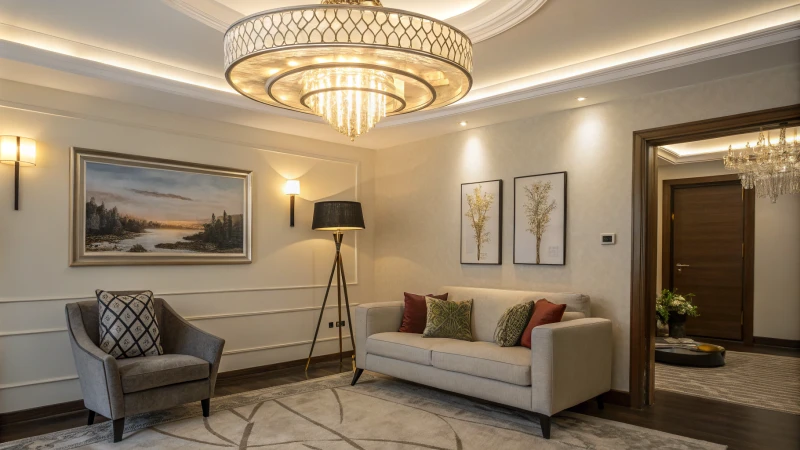
Layering lighting involves using ambient, task and accent lighting in your spaces. This method improves usability. The room looks really nice too. Ambient lighting provides overall illumination. Task lighting illuminates specific areas for activities like reading or cooking. Accent lighting highlights features or decorations. This combination results in a very pleasant atmosphere.
Understanding the Basics of Lighting Layers
Layering lighting involves combining different types of light to create a harmonious and functional environment. The three primary layers of lighting include:
- Ambient Lighting: This is the foundational light that fills a room, providing overall illumination. Common sources include ceiling-mounted fixtures, chandeliers, and wall sconces.
- Task Lighting: As the name suggests, this layer focuses on specific tasks, like reading or cooking. Desk lamps, under-cabinet lighting in kitchens, and vanity lights in bathrooms are examples.
- Accent Lighting: Used to highlight architectural features or artwork, accent lighting adds drama and visual interest. Spotlights and track lighting are popular choices.
Combining these layers effectively can transform a space and meet varying functional needs.
Practical Tips for Layering Lighting
To achieve optimal functionality in your space, consider the following strategies:
- Start with Ambient Light: Ensure your space has sufficient ambient lighting to create a comfortable atmosphere. A good rule of thumb is to provide at least 20 lumens per square foot.
- Incorporate Task Lighting: Identify areas where specific tasks are performed. For example, install pendant lights above kitchen islands or desk lamps in home offices for focused illumination.
- Add Accent Lighting: Use accent lighting to draw attention to artwork or architectural features. This not only enhances aesthetics but also provides a layered look that adds depth to the room.
- Utilize Dimmers: Adding dimmers allows you to adjust light levels according to mood and time of day, providing flexibility and energy efficiency.
For more detailed insights on effective lighting strategies, check out this guide on lighting design principles9.
Choosing the Right Fixtures
The right fixtures play a crucial role in the effectiveness of layered lighting. Here’s a simple comparison table of different types of lighting fixtures:
| Fixture Type | Purpose | Examples |
|---|---|---|
| Ceiling Lights | General illumination | Chandeliers, flush mounts |
| Table Lamps | Task lighting | Desk lamps, bedside lamps |
| Floor Lamps | Ambient and task lighting | Reading lamps |
| Wall Sconces | Ambient and accent lighting | Decorative wall lights |
| Track Lighting | Accent lighting | Adjustable spotlight tracks |
Choosing fixtures that complement each other can enhance the overall aesthetic of your space.
Creating Zones with Lighting
In larger spaces, creating distinct zones can enhance functionality. For instance:
- Living Room: Combine ambient lighting with task lighting near seating areas for reading.
- Kitchen: Use under-cabinet lighting for countertops while ensuring overhead fixtures provide ample ambient light.
- Bedroom: Incorporate bedside lamps for reading and soft ambient lights for a cozy atmosphere.
To delve deeper into creating effective lighting zones, explore this resource on home lighting zones10.
Energy Efficiency Considerations
Incorporating energy-efficient solutions not only reduces costs but also contributes to sustainable practices:
- LED Bulbs: Opt for LED bulbs which consume less energy and have a longer lifespan compared to traditional bulbs.
- Smart Controls: Utilize smart lighting systems that allow you to control brightness and schedules remotely, enhancing convenience and efficiency.
- Natural Light: Maximize natural light by using light-colored curtains and strategically placing mirrors to reflect light throughout the room.
For additional tips on energy-efficient lighting solutions, check out this article on sustainable lighting practices11.
Ambient lighting is essential for a comfortable atmosphere.True
Ambient lighting provides the foundational illumination needed for comfort and visibility in any space, making it a crucial element in lighting design.
Accent lighting is only for decorative purposes, not functionality.False
Accent lighting serves to highlight features but also enhances functionality by creating visual interest and depth in a room's design.
Conclusion
Learn how to choose the best salon lighting by considering color temperature, energy efficiency, and layering techniques to enhance ambiance and improve client satisfaction.
Explore this link for expert insights on choosing salon lighting to create a perfect ambiance and enhance client comfort. ↩
Click here to discover how smart lighting can transform your salon's atmosphere while being energy efficient. ↩
Discover practical tips for selecting the best lighting for your salon that enhances both ambiance and functionality. ↩
Learn effective strategies to create a welcoming atmosphere in your salon through smart lighting choices. ↩
Find insights into energy-efficient lighting options that align with your salon's aesthetic and operational needs. ↩
Explore the effects of different color temperatures on client experiences and satisfaction levels in salons. ↩
Discover how energy-efficient lighting can save costs while enhancing your salon's ambiance. Explore innovative solutions today! ↩
Learn more about integrating smart lighting controls to maximize energy savings in your salon. ↩
This link provides essential insights into practical lighting layering techniques that can enhance any space. ↩
Discover various types of lighting fixtures and how they can be used effectively in different zones of your home. ↩
Explore energy-efficient lighting solutions to save costs while enhancing your home's illumination. ↩