
Lighting can transform a classroom from dull to dynamic, boosting both student mood and focus.
To choose the best classroom lighting, I prioritize energy efficiency, natural light integration, adjustable brightness, and adherence to educational standards. These factors create a learning environment that enhances visibility and minimizes eye strain, helping students stay engaged and comfortable.
Reflecting on my school days, I remember classrooms where the lighting made a real difference—some rooms felt inviting and others, well, not so much. As I’ve learned over the years, the right lighting can transform a space, impacting everything from concentration to overall well-being. By exploring different types of lighting and how they influence learning, I can craft an ideal educational atmosphere that not only meets but exceeds expectations.
Natural light improves student concentration.True
Exposure to natural light has been shown to boost focus and productivity.
Fluorescent lighting reduces eye strain in classrooms.False
Fluorescent lights can cause flicker, which may increase eye strain.
How Does Lighting Affect Student Performance?
Remember that feeling when you enter a room and suddenly feel more awake or relaxed? That's the power of lighting.
Lighting impacts student performance by affecting their mood, alertness, and focus. Natural light boosts cognitive function and eases stress, while artificial lighting should mimic daylight for the best learning outcomes.

The Science Behind Lighting and Cognition
I still recall my high school days, sitting in a sunlit classroom where everything seemed just a bit easier to understand. It turns out there's a reason for that: research shows natural light1 actually enhances our cognitive abilities. Imagine light as the silent teacher in the room, helping synchronize our internal clocks to keep us alert and stress-free.
| Lighting Type | Effect on Performance |
|---|---|
| Natural Light | Boosts mood and focus |
| Cool White LED | Increases alertness |
| Warm White LED | Enhances relaxation |
Artificial Lighting in Classrooms
While natural light is the gold standard, many of us find ourselves under artificial lighting more often than we'd like. Remember that time I was trying to focus in a dimly lit room and ended up with a headache? That's exactly what poor lighting can do. But there’s hope! Cool white LEDs can simulate that lively daylight, keeping our energy and focus on point. And hey, teachers can get creative with dimmable lights or task lighting to make spaces more adaptable.
Impact of Color Temperature
Have you ever felt more productive under certain lighting? It’s all about color temperature. Higher Kelvin values can crank up your energy and focus, while lower values set the stage for relaxation. Schools might consider adjustable systems to keep pace with the day's changing needs.
Considerations for Schools
Investing in smart, energy-efficient LED systems does more than save on bills—it boosts student performance too. Schools should regularly assess their lighting setups to ensure they support learning effectively. By exploring smart lighting solutions2, schools can see immediate benefits while setting the stage for long-term success.
By getting the lighting just right, we create an environment where students don't just learn—they thrive.
Natural light enhances cognitive functions in students.True
Research shows natural light boosts memory, attention, and problem-solving.
Warm white LEDs increase student alertness.False
Warm white LEDs enhance relaxation, not alertness, unlike cool white LEDs.
What Are the Recommended Lighting Standards for Classrooms?
Ever sat in a classroom squinting at the board, wondering why the lighting feels like a scene from a noir film? It's more important than you might think.
To foster an effective learning environment, classrooms should have lighting between 300-500 lux. This balance aids visibility and comfort, enhancing focus and reducing eye strain. Prioritize energy-efficient lighting and minimize glare for optimal results.
Importance of Adequate Lighting in Classrooms
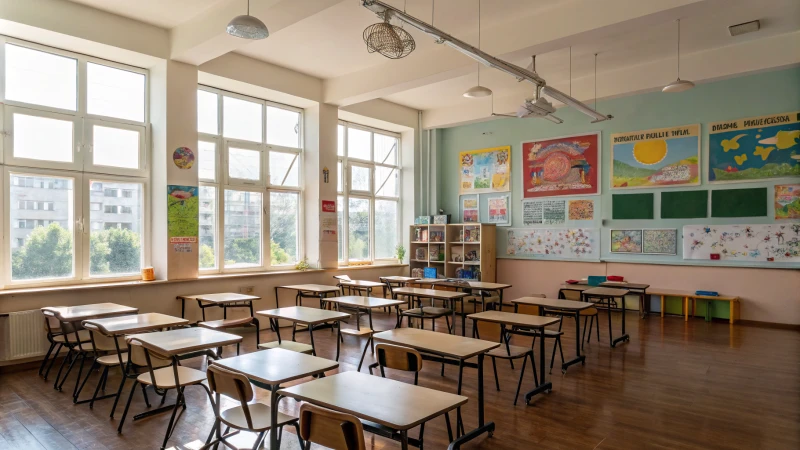
I remember sitting in a dimly lit classroom during one of my high school years, struggling to read my textbook without straining my eyes. It was an uphill battle, and I learned the hard way how much lighting can affect concentration and performance. Proper lighting doesn’t just illuminate a space; it creates an environment where students can genuinely thrive. With poor lighting, students may experience eye strain and fatigue, which can severely impact their focus. Ensuring adequate lighting is crucial for enhancing visual comfort and promoting better learning outcomes.
Key Standards to Follow
When it comes to lighting standards, it's a bit like finding that perfect spot on the couch with just the right amount of light for reading—cozy yet clear. For general classroom activities, the recommended illumination level3 is between 300 and 500 lux. This range ensures tasks like reading and writing are completed without undue strain on the eyes. But if you're diving into art or science labs, you might need higher levels to keep things crystal clear.
| Activity | Recommended Lux Level |
|---|---|
| General Classroom | 300-500 |
| Art Rooms | 500-750 |
| Science Labs | 750-1000 |
Energy-Efficient Solutions
Switching to energy-efficient lighting is like trading your old gas-guzzler for a sleek electric car—better for your wallet and the planet. Investing in systems like LED lights isn't just about cost savings; it's about sustainability too. They offer longevity and reduce electricity consumption significantly. Consider integrating smart lighting controls4 for automated and optimized light usage that suits various times of day or specific tasks.
Avoiding Glare and Flicker
Picture this: you're in class trying to focus, but there's a glare bouncing off your desk from the sun outside. Frustrating, right? Positioning lights strategically to minimize direct glare is key. Using diffusers or shades can help too. And don't forget about flickering lights—they can be as distracting as a mosquito buzzing around your ear. Choosing quality fixtures with stable outputs is essential.
Innovative Lighting Ideas
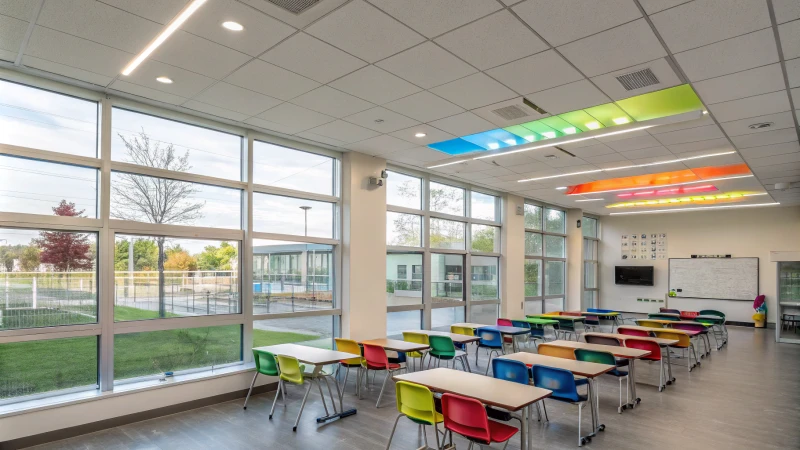
Imagine a classroom where the lights subtly change color throughout the day, adapting to different activities like an ever-supportive background companion. Incorporating dynamic lighting systems that adjust color temperature can mimic natural daylight, boosting mood and productivity. Explore dynamic lighting solutions5 that adapt seamlessly to various classroom activities and times of day.
Compliance and Safety
Following local building codes and international standards isn't just bureaucratic red tape—it's about ensuring safety alongside optimal lighting conditions. Regular maintenance checks can prevent issues like fixture failures or electrical hazards, maintaining a safe learning environment.
By focusing on these elements, I aim to create classrooms that are more conducive to learning, enhancing both comfort and academic performance. It's all about creating spaces where students can shine—literally and figuratively.
Classroom lighting should be between 300 and 500 lux.True
This range ensures tasks like reading are done without eye strain.
LED lights are not recommended for classrooms.False
LEDs are energy-efficient, long-lasting, and reduce electricity use.
How do smart lighting solutions enhance classroom environments?
Remember when classrooms were just about chalk and blackboards? Today, smart lighting is revolutionizing how we learn.
Smart lighting solutions can transform classroom environments by adapting light levels for different activities, boosting student focus, mood, and learning outcomes. These systems are not only energy-efficient but also offer customizable settings to create optimal learning atmospheres.
The Impact of Lighting on Learning
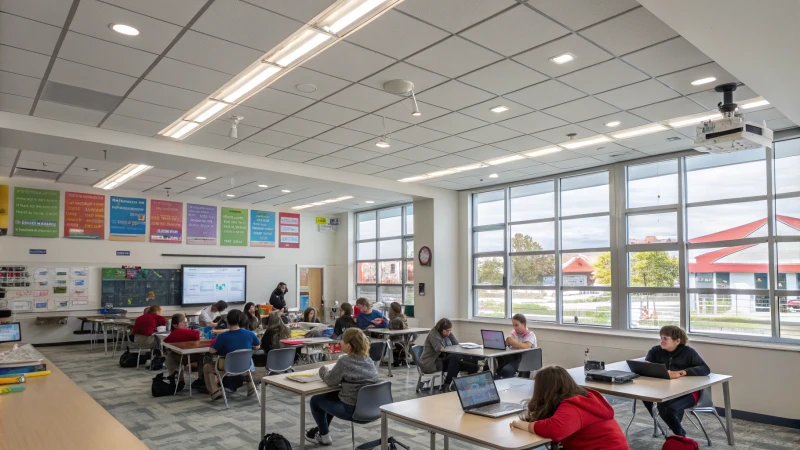
You know, I remember sitting in a dimly lit classroom, struggling to keep my eyes open during long lectures. It turns out, lighting can have a huge impact on how we feel and learn. Just like how a sunny day can lift our spirits, the right lighting in classrooms can enhance student engagement and productivity. Research shows that exposure to natural light can improve mood and reduce fatigue, and smart lighting is designed to mimic these effects. It adjusts brightness and color temperature to fit different classroom activities, making learning more dynamic.
Benefits of Smart Lighting
Customizable Lighting Settings
- Imagine being able to change the classroom's atmosphere at the touch of a button. Teachers can tailor lighting for specific tasks, like using bright white light for exams or softer tones for group discussions.
- With adaptive lighting6, classrooms can seamlessly transition between settings, keeping students comfortable and focused.
Energy Efficiency
- Let's face it, nobody likes high energy bills. By incorporating LED technology and occupancy sensors, schools can significantly cut down on energy consumption.
- These smart systems automatically dim the lights during breaks or when rooms are empty, which not only saves money but also helps the environment.
| Feature | Benefit |
|---|---|
| Adaptive Lighting | Customizable for various tasks |
| Energy Monitoring | Reduces unnecessary energy usage |
| Automation | Convenience and efficiency |
- Improved Learning Environment
- Dynamic lighting isn't just a buzzword; it's a tool that can make students more alert and participative.
- Adjusting color temperature7 helps maintain focus and reduces eye strain during those long study sessions.
Implementing Smart Solutions in Schools
Case Studies
I've read about schools that have implemented smart lighting and reported remarkable improvements in student performance and satisfaction. For example, a study in Germany found that students' reading speed and comprehension improved when smart lighting was used.Practical Considerations
Of course, implementing these systems involves considering costs, maintenance, and how they integrate with what's already there. Schools might want to partner with lighting experts8 to tailor solutions that fit their unique needs.
Future of Classroom Lighting
Looking ahead, the potential of smart lighting is enormous. With emerging technologies like IoT connectivity, there's a world of possibilities for real-time monitoring9 of learning environments, continually adjusting settings to optimize educational outcomes.
Smart lighting enhances student engagement.True
Smart lighting adjusts brightness and color to improve focus and mood.
All smart lighting systems are expensive to install.False
Costs vary; some systems offer affordable solutions with energy savings.
What are some innovative classroom lighting ideas?
Transforming a classroom can start with something as simple yet impactful as lighting. Imagine the possibilities: smart lights that adjust throughout the day or eco-friendly options that not only save energy but also enhance student comfort and focus.
Innovative classroom lighting ideas include smart lighting systems, natural light enhancement, and color-tunable LEDs. These solutions improve student focus, reduce glare, and create an adaptable learning atmosphere.
Smart Lighting Systems
I remember walking into my first classroom equipped with smart lighting. The lights adjusted automatically as the day progressed, creating a dynamic environment that felt both futuristic and cozy. These systems adapt to different activities and times of day, helping us save energy while providing perfect lighting conditions for every situation.
Benefits of Smart Lighting:
- Energy Efficiency: Automated controls cut down on wasted electricity. I always appreciate seeing those energy savings reflected in our bills.
- Customizable Settings: As a teacher, I love being able to tweak the light settings to match the mood or activity—whether it's calming the room for storytime or energizing it for a group project.
Natural Light Enhancement
There's something about natural light streaming through a window that just feels right. In my ideal classroom setup, large windows or even skylights would be standard. When natural light isn't enough, daylight sensors10 can kick in to adjust artificial light accordingly. It’s like giving Mother Nature a helping hand.
Advantages of Natural Light:
- Mood Improvement: Personally, I notice how much happier and more focused my students are when they're exposed to sunlight. It's like an instant mood booster!
- Cost Savings: Natural light means less reliance on artificial lighting, which is kinder to our wallets in the long run.
Color-Tunable LEDs
Color-tunable LEDs are like magic wands for your classroom. They allow you to shift between warm and cool tones, making it easy to create an atmosphere that matches the lesson plan. During a quiet reading session, I might opt for warm hues to promote relaxation. For lively discussions, cooler tones can keep the energy up.
Practical Applications:
- Calm Environments: Warm tones help create a peaceful setting when we need it most.
- Active Learning: Cooler tones are perfect for energizing students during engaging activities.
Comparison Table: Lighting Solutions
| Solution | Energy Efficiency | Adaptability | Cost |
|---|---|---|---|
| Smart Lighting Systems | High | High | Medium |
| Natural Light | High | Low | Low |
| Color-Tunable LEDs | Medium | High | Medium |
By exploring these innovative classroom lighting options, I'm convinced we can create learning spaces that not only enhance educational experiences but also support the well-being of everyone involved. After all, a well-lit room is where bright ideas truly shine.
Smart lighting systems reduce energy consumption.True
Automated controls in smart lighting minimize unnecessary electricity usage.
Natural light increases classroom utility bills.False
Natural light reduces reliance on artificial lighting, lowering utility costs.
Conclusion
Choosing effective classroom lighting enhances student focus and mood. Prioritize energy efficiency, natural light, adjustable brightness, and compliance with standards for optimal learning environments.
Explore how exposure to natural light enhances cognitive functions such as memory and attention. ↩
Discover how smart lighting systems can optimize educational environments for better learning outcomes. ↩
Learn about the specific lux levels required for various classroom activities to ensure optimal visibility and comfort. ↩
Discover how smart controls can optimize classroom lighting, enhancing energy efficiency and functionality. ↩
Explore how dynamic lighting systems can enhance learning by adapting light conditions to different activities. ↩
Understanding adaptive lighting helps educators tailor environments to enhance learning experiences. ↩
Exploring color temperature's role aids in designing optimal classroom settings for student focus. ↩
Partnering with experts ensures effective implementation of smart lighting solutions in schools. ↩
IoT integration offers advanced control and monitoring, enhancing classroom environments further. ↩
Explore how daylight sensors optimize classroom lighting by adjusting based on natural light availability. ↩